
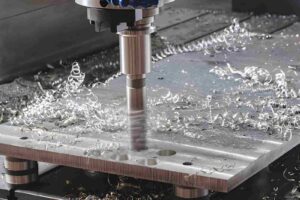
Reaming in CNC Machining: Process, Tool Types, Tolerances, and Hole Quality
Reaming is a finishing machining operation. It brings a drilled hole closer to its required size and improves the internal surface.
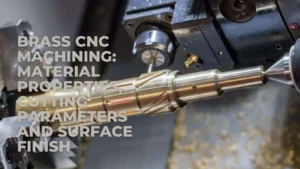
Brass CNC Machining: Material Properties, Cutting Parameters and Surface Finish
Brass CNC machining has become a very popular process in today’s manufacturing world. Brass is a popular material for shops that require producing accurate components in a short time. This metal is a combination of copper and zinc. It is bright gold in color and very easy to cut.
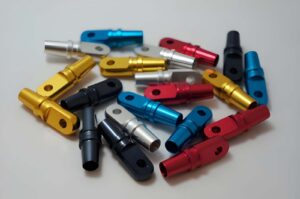
Titanium Anodizing: Colors, Process, Benefits, and CNC Part Applications
A machined titanium part is not always ready to go straight into assembly. In many cases, the surface needs one more step before the part is used. Titanium anodizing is often chosen at this stage. It simply changes the outer surface and keeps the original shape and dimensions of the machined component.
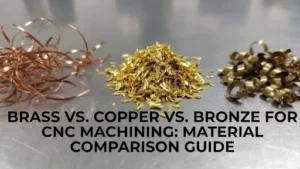
Brass vs. Copper vs. Bronze for CNC Machining: Material Comparison Guide
CNC machining transforms raw materials into precise components. Selection of the proper metal is quite crucial. The proper metal impacts your machining quality and your overall cost. Certain metals will wear tools out quickly. Other types of metal extend the lifespan of tools.
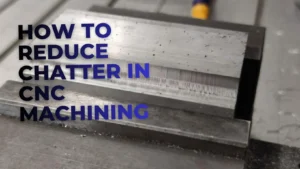
How to Reduce Chatter in CNC Machining
The sound of a high-pitched noise from inside a machine tool is dreadful to every machinist’s ears. If you are experiencing noise during machining, you are suffering from machining chatter. It’s one of the largest challenges in today’s manufacturing facilities.
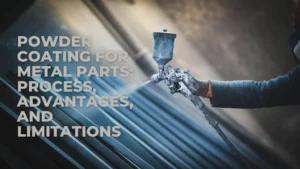
Powder Coating for Metal Parts: Process, Advantages, and Limitations
Industrial equipment, vehicles, buildings, etc., are surrounded by various metal elements that need protection from corrosion, wear, and environmental exposure over the long term. Powder coating is one of today’s best finishing techniques for metal.
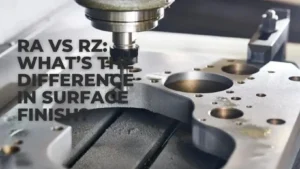
Ra vs Rz: What’s the Difference in Surface Finish?
Surface finish directly affects the performance, wear resistance, sealing ability, and service life of custom metal parts. When reviewing precision machining drawings, Ra vs Rz surface finish is a common comparison because these two values describe surface roughness in different ways. Understanding the difference helps engineers specify the right finish for each part and application.
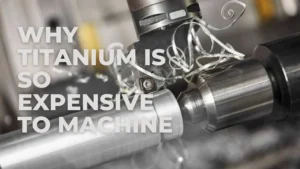
Why Titanium Is So Expensive to Machine?
Titanium is a popular metal that is widely used due to its strength, durability, and non-corrosive properties. It is used by firms in manufacturing airplane parts, surgical equipment, sports car components, and advanced machinery. Many designers and purchasers prefer titanium due to its longevity and reliable performance.
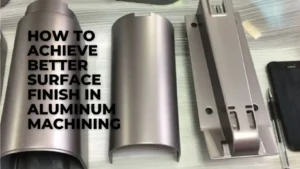
How to Achieve Better Surface Finish in Aluminum Machining
The production of high-quality aluminum surface finish machining is a top priority for the engineers and the buyers. Aluminum is commonly used because it is both lightweight and durable, but aluminum has a “gummy” characteristic that prevents the production of smooth surfaces.
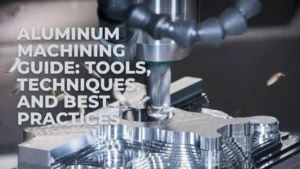
Aluminum Machining Guide: Tools, Techniques, and Best Practices
Aluminum machining is widely used for aerospace, automotive, electronics, robotics, and industrial components because the material combines low weight, corrosion resistance, and good machinability. However, reliable aluminum CNC machining still requires the correct alloy, cutting tool, feeds and speeds, coolant strategy, and chip-control method.
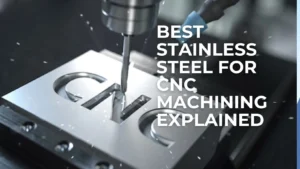
Best Stainless Steel for CNC Machining Explained
Stainless steel is a top choice for strong, rust-free parts. Picking the right grade makes metal cutting CNC easy. It is used in many industries. You see it in medical devices, food equipment, marine parts, and industrial tools. It is strong. It does not rust or stain easily. But for a CNC shop owner, it can be a hard metal to cut.
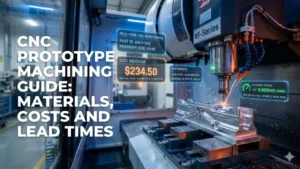
CNC Prototype Machining Guide: Materials, Costs and Lead Times
There are several factors to keep in mind while developing a new product. There are many aspects of creating the product, which include idea creation, drawing the product, and then creating a physical prototype of the part through the use of CNC prototype machining.