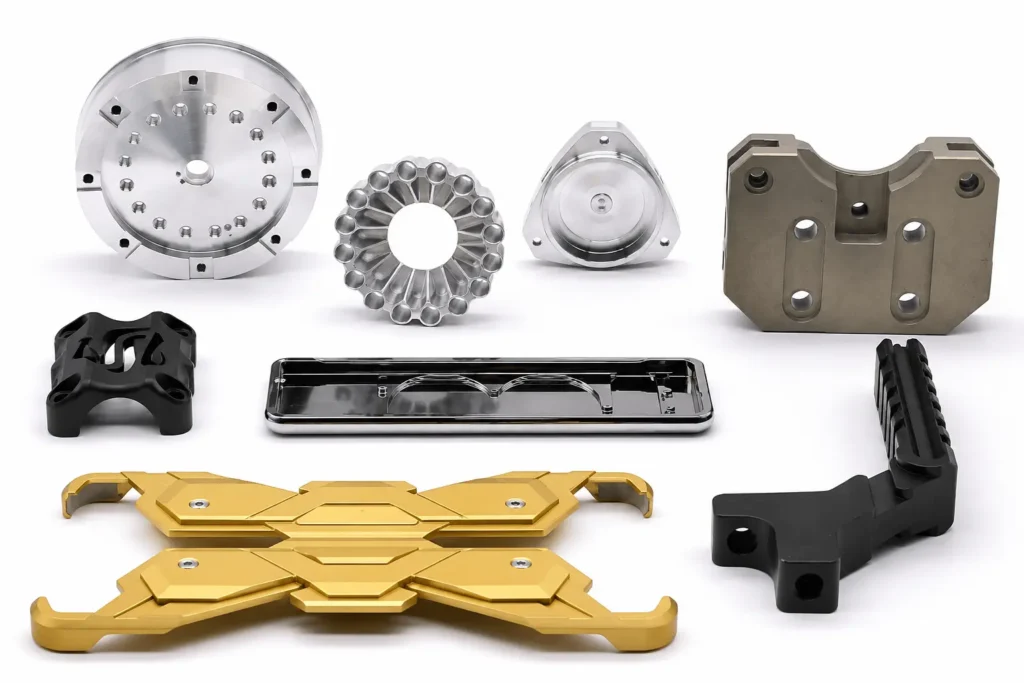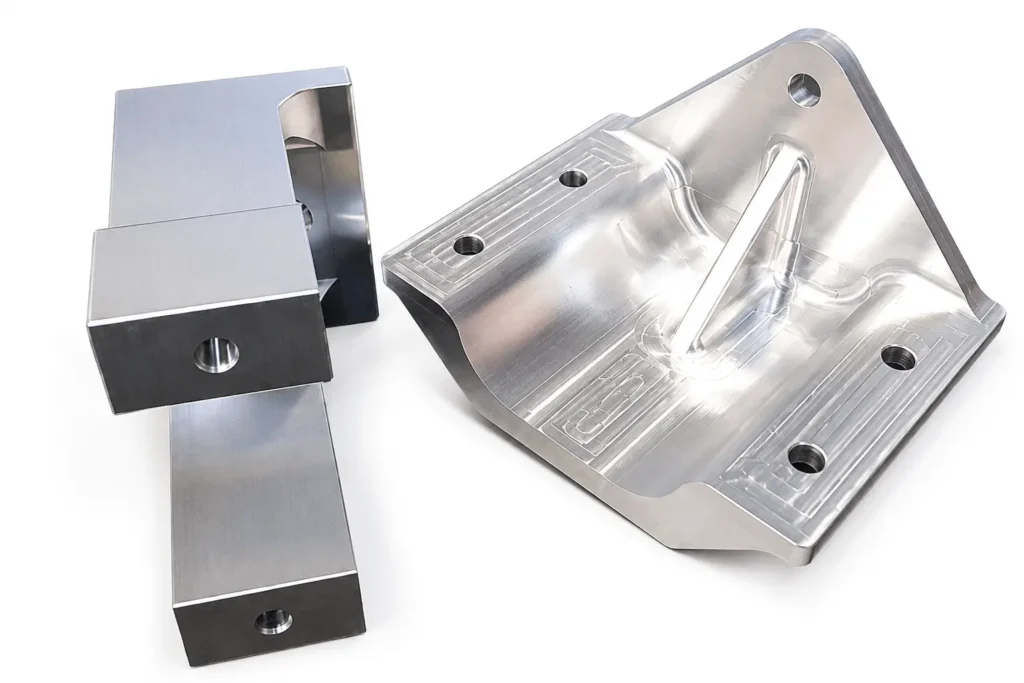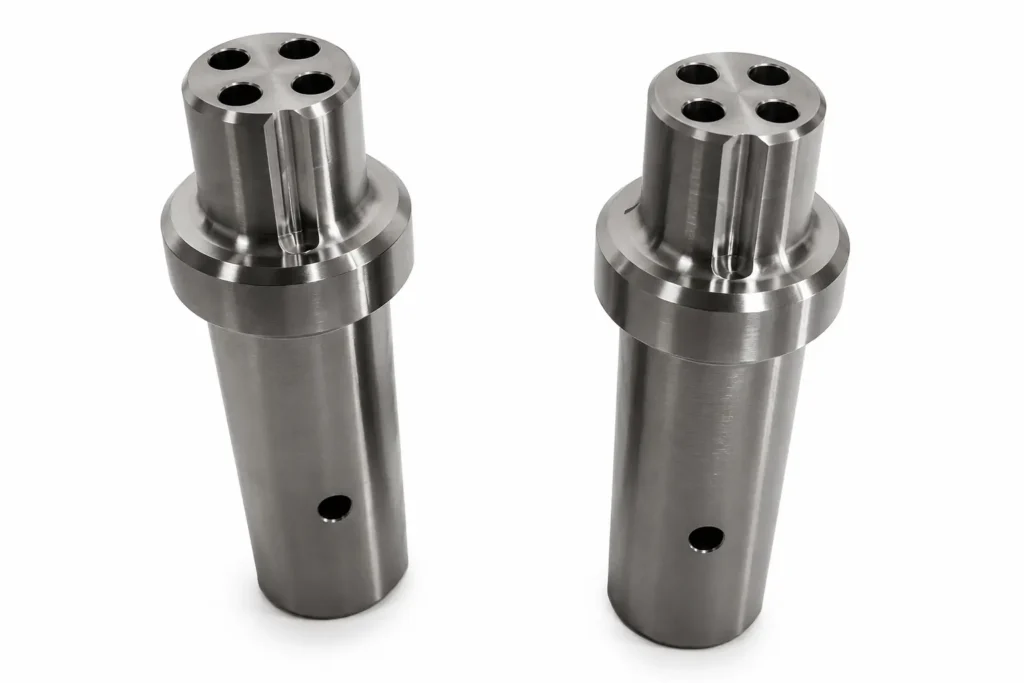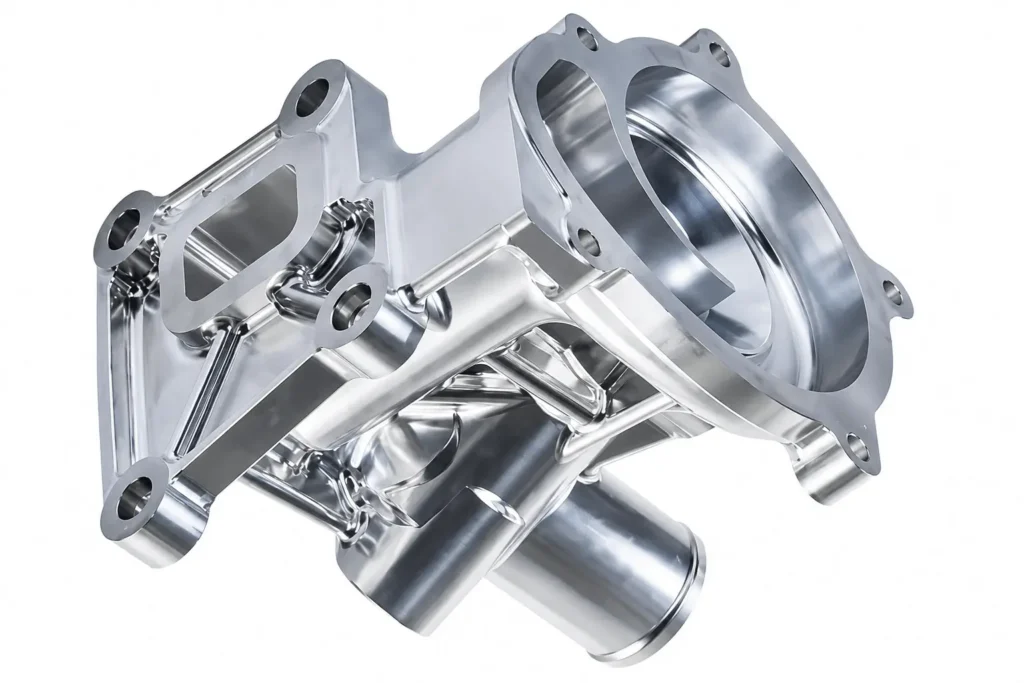
Stainless steel is a top choice for strong, rust-free parts. Picking the right grade makes metal cutting CNC easy. It is used in many industries. You see it in medical devices, food equipment, marine parts, and industrial tools. It is strong. It does not rust or stain easily. But for a CNC shop owner, it can be a hard metal to cut.
If you pick the wrong grade, your tools might break. If your settings are wrong, the metal gets too hot. This can ruin the part. You need to balance the cost of the metal with how easy it is to cut.
Choosing the best stainless steel for CNC machining can save you time and money. It can also protect your tools.
This guide will help you understand the different types of steel. We will talk about how to set up your machine. Whether you are buying parts or making them, this guide is for you. Let’s learn how to get the best results with stainless steel.
This guide will cover how to:
- Choose 303 for the fastest, easiest machining.
- Use 304 for general parts and food.
- Pick 316 for the best rust resistance.
- Control heat with low speeds and coolant.
- Use carbide tools to prevent fast wear.
What Is Stainless Steel CNC Machining?
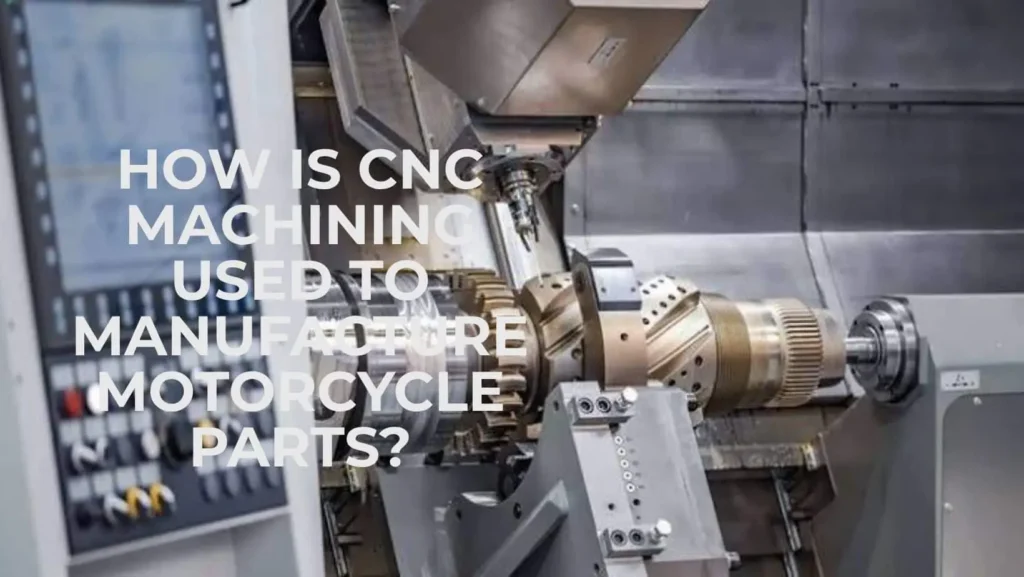
Stainless steel CNC machining means cutting stainless steel with computer-controlled machines. A computer tells a stainless steel CNC machine exactly where to move. The machine follows a digital design. It removes material to create a finished part.
There are different ways to cut the metal:
- Milling: The tool spins and moves to carve the metal.
- Turning: The metal spins fast while a tool stays still to cut it.
- Drilling: The machine makes round holes.
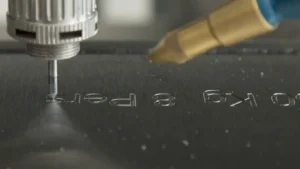
- Engraving: The machine draws letters or designs on the surface.
Stainless steel is much harder than aluminum. It is very tough. When you do metal cutting CNC work on steel, the metal tries to resist the tool. This makes a lot of friction. Friction makes heat. If you don’t control the heat, the metal can warp. You must go slower on steel than on other metals.
What Makes Stainless Steel Good for CNC Machining?
Many people want CNC machined stainless steel parts because they are high-quality. Here is why this metal is so good:
Durability
It withstands stress and pressure. The components retain their form when loaded.
Corrosion resistance
Chromium is present in stainless steel. It creates an outer barrier to prevent oxygen and water contact. The component remains spotless in humid conditions.
Thermal stability
Certain alloys have a high melting point. They are suitable for applications involving extreme heat conditions, such as engine and food processing equipment.
Polish
Stainless steel is easy to polish. Many stainless steel components machined by CNC machines need polishing.
Pro Tip: Some types are known as machinable stainless steel. These have special ingredients like sulphur. These ingredients help the metal break into small pieces. These pieces are called chips. A good chip load means the metal breaks away easily. This keeps the tool from getting stuck. In metal cutting CNC, managing these chips is the secret to success.
Which Grades of Stainless Steel Are the Best for CNC Machining?
The best grade depends on whether the part requires easier machining, corrosion resistance, strength, heat resistance, or wear resistance. In custom stainless steel machining, 303 is often chosen for machinability, 304 for general-purpose parts, 316 for corrosive environments, and 420 when higher hardness is required.
There are many grades of steel. Each one is a little different. Here are the most common ones used in CNC shops:
303
This is the most machineable stainless steel. Sulphur is added during production. It forms chips well. It reduces friction. Workshops prefer it for easy machining. However, it is not recommended for highly corrosive environments.
304
This is the most common type worldwide. It offers good corrosion resistance and reasonable machinability. It is cheaper than 316. It makes an excellent all-around material for CNC applications.
316
This type contains molybdenum. It increases corrosion resistance. It withstands salt water and aggressive chemicals. However, it is harder to machine than 304. It causes more tool wear. It is also more expensive.
420
This type is a martensitic stainless steel. It can be hardened. It is used in cutting tools, dies, and blades. It is machined when annealed. It offers lower corrosion resistance than 304 and 316.
Comparing Stainless Steel Grades for CNC Machining
This table shows the main differences between common stainless steel grades used in CNC machining. It helps buyers and engineers choose the right material for strength, rust resistance, cost, and machining performance.
| Grade | Machinability | Corrosion Resistance | Hardness | Cost | Best Use |
|---|---|---|---|---|---|
| 303 | Excellent | Medium | Medium | Medium | Small parts, bolts |
| 304 | Good | High | Medium | Low | Food equipment, general parts |
| 316 | Fair | Very High | Medium | High | Marine parts, medical parts |
| 420 | Fair | Low | High | Medium | Blades, cutting tools |
Is 304 or 316 Better for Machining?
This is one of the most common questions in stainless steel CNC machining. The short answer: 304 is easier to machine. It is softer. This means the machine can run faster. It also means the tools do not wear out as fast.
304 machines faster. It creates less heat. Tools last longer. It is cheaper. For most CNC machined stainless steel parts, brackets, covers, and fittings, 304 is the right choice.
316 fights harder when cutting. The molybdenum makes it tougher. You will see more tool wear. You may need to slow your feed rate. But if your part goes into saltwater, food processing, or chemical contact, 316 is worth it.
Which is more expensive, 304 or 316 stainless?
316 costs more. It has a special ingredient called molybdenum. This makes it resistant to chemicals and salt. If your part does not need to be in salt water, pick 304. It will save you money. If you pick 316, expect the shop to charge more for the extra tool wear.
Buyer Tip
Use 304 for indoor, dry, or mildly humid environments. Use 316 for outdoor, wet, marine, or chemical applications.
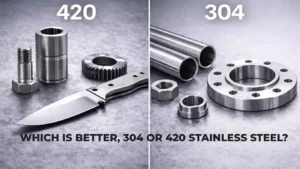
Which is Better, 304 or 420 Stainless Steel?
The two grades have entirely distinct applications. Avoid making a direct comparison between the two for all their applications. It depends on how hard you need the stainless steel part to be.
304 is great for CNC machined stainless steel parts that need to stay clean. It is a “general-purpose” metal. You cannot “heat treat” 304 to make it harder.
420 is different. You can heat it up to make it very hard. This is why it is used for tools. But 420 can rust if you are not careful. If you need a part to be very strong and sharp, pick 420. If you need it to stay pretty and rust-free, pick 304.
For general machine parts: select 304. For hard tools or blades: select 420. They cannot be used interchangeably for most practical purposes.
What Should CNC Machining Settings for Stainless Steel Be?
To get the best part, you must set the CNC mill for stainless steel correctly. You cannot just “guess” the settings.
RPM
This is how fast the spindle spins. This tells you the best speed for your tool so it doesn’t melt.
RPM = (Cutting Speed * 1000) \ (3.14 * Tool Diameter)
- Cutting Speed: This is a number you find in a chart for the specific grade (like 304).
- Tool Diameter: This is just how wide your drill or mill is.
Feed Rate
This is how fast the tool moves through the metal.
Feed Rate = RPM * Number of Flutes * Chip Load
- Number of Flutes: These are the sharp “teeth” on your tool.
- Chip Load: This is the thickness of the “bite” each tooth takes.
Material Removal Rate (MRR)
This shows how much metal you are carving away every minute. If your MRR is too high, the heat will go up fast. Keeping a steady MRR helps your CNC machined stainless steel parts come out smooth and accurate.
MRR = Width * Depth * Feed Rate
Coolant
Always use coolant with stainless steel. Flood coolant is best. It removes heat and chips together. Some use mist coolant, which is a spray of air and oil. Both help stop the metal from getting too hot. If the metal gets too hot, it becomes “work hardened.” This means it gets so hard the tool cannot cut it anymore.
How to Prevent Heat Buildup When Machining Stainless Steel?
Heat is the enemy of stainless steel. How to prevent heat buildup when machining stainless steel? Here are the best ways:
- Low RPM spindle CNC: Do not spin the tool too fast. Friction creates heat.
- Correct Chip Load: Make sure you are taking a “bite” of metal. If the tool just rubs the metal, it gets hot.
- Sharp Carbide Tools: Use sharp tools. Dull tools create more heat.
- Coolant: Use plenty of flood coolant. It washes away the heat. Using a CNC mill for stainless steel requires a constant flow of liquid. This keeps the temperature low and helps the chips move out of the way.
Simple CNC Machining Tips for Stainless Steel
This table shows basic CNC machining tips for stainless steel. These settings help reduce heat, improve cutting, and make tools last longer.
Machining Factor | Recommended Practice |
|---|---|
| RPM | Keep it low to prevent friction. |
| Feed Rate | Keep it steady so the tool keeps cutting. |
| Coolant | Use flood coolant whenever possible. |
| Tool Material | Use carbide tools with a special coating. |
| Chip Removal | Use air or liquid to remove chips quickly. |
| Depth of Cut | Take deeper cuts to avoid rubbing the surface. |
What Are the Disadvantages of Using SS 304?
While 304 is very popular, it is not perfect.
- Heat Buildup: It does not spread heat well. The heat stays right at the tool.
- Tool Wear: It is tough, so tools go dull faster than with aluminum.
- Work Hardening: If the tool rubs, the metal gets very hard. It becomes almost impossible to cut.
- Burrs: They can leave sharp bits of metal on the edges
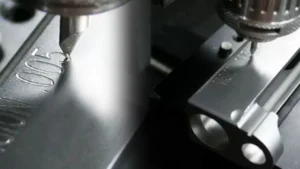
How to Deep Engrave Stainless Steel Using a CNC Machine?
Engraving is like drawing on metal. How to deep engrave stainless steel using a CNC machine? You have to be patient.
- Small Passes: Do not try to go deep in one go. The tool might break.
- Special Bits: Use carbide engraving bits.
- Slow Speed: Keep the stainless steel CNC machine moving slowly.
- Liquid: Use a little oil or coolant to keep the tip from melting.
Where to Buy Stainless Steel for a CNC Machine?
Always ask for “Material Certifications.” These papers prove the metal is exactly what you ordered. Buyers should try to buy “pre-cut” bars. This saves the CNC shop from having to cut big pieces of metal down to size. You have many options.
- Local Metal Yards: Good for small orders.
- Online Suppliers: Good for comparing prices.
- Industrial Distributors: Best for large amounts of metal.
Conclusion
Choosing the best stainless steel for CNC machining depends on your project. Stainless steel rewards good technique. By using the right settings and the right grade, you can make perfect parts every time. Just remember to keep it cool and keep the chips moving!
- If you want a part that is easy to make, pick 303.
- If you want a part for general use, pick 304.
- If the part goes in the ocean, pick 316.
- If the part needs to be very hard, pick 420.
Stainless steel grade selection should match the part’s working environment and mechanical requirements, not simply the highest available specification. YD Rapid machines stainless steel components in different grades for prototypes and low-volume production, with tolerances and finishes based on the drawing.

FAQs
Which is better, 18-10 or 304 stainless steel?
18-10 means the steel has 18% chromium and 10% nickel. Both are the same. Both have the same mix of metals and resist rust very well.
Can a CNC router cut stainless steel?
Usually no. Routers are too weak. You need a heavy CNC mill for stainless steel.
What coolant works best for stainless steel?
Heavy flood coolant is best. It keeps the part cold and washes away sharp metal pieces.
Which stainless steel lasts longest?
Grade 316 lasts longest. It is very good at fighting rust in salt water or chemicals.
What tools are best for engraving stainless steel?
Use solid carbide bits. A special coating helps the tool stay sharp in high heat.