
Enhance Appearance, Durability, and Performance with Professional Surface Finishing
Surface Finishes for CNC Machined Parts
From anodizing and powder coating to bead blasting and polishing, YD Rapid provides a full range of surface finishing solutions for prototypes and production parts.
Surface Finish Options for CNC Machined Parts
Surface finishing plays a critical role in enhancing the look, feel, and performance of CNC machined parts. YD Rapid offers a variety of finishing options, including anodizing, powder coating, polishing, bead blasting, brushing, and black oxide, helping you achieve the ideal balance of appearance, protection, and functionality.
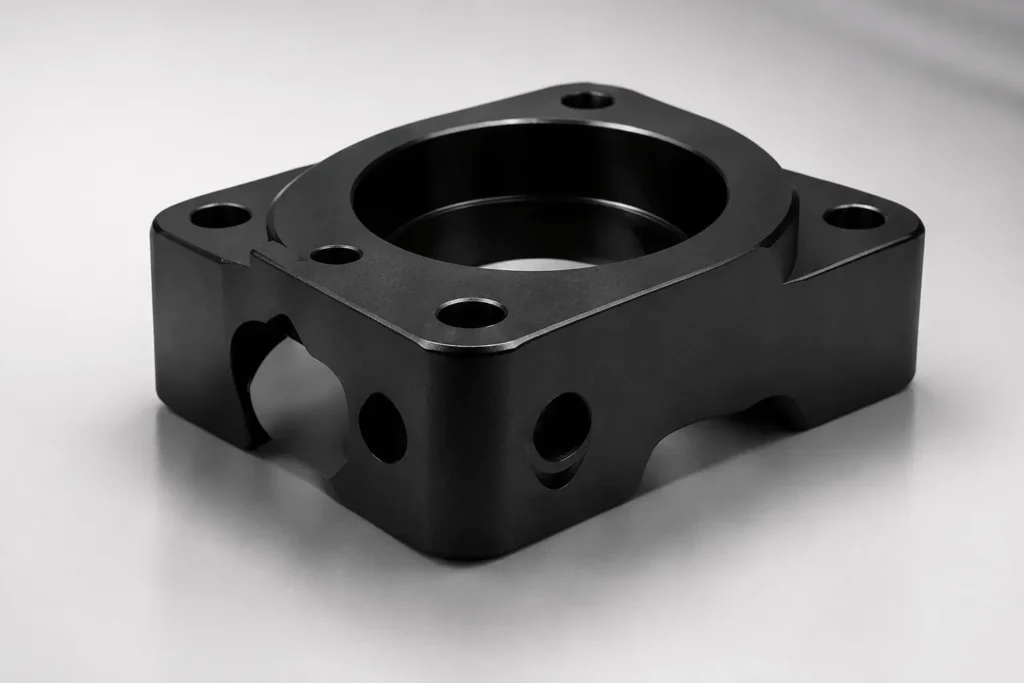
Anodizing
Anodizing forms a protective oxide layer on aluminum parts to improve corrosion and wear resistance. Clear, black, blue, red, gold, and other colors are available.
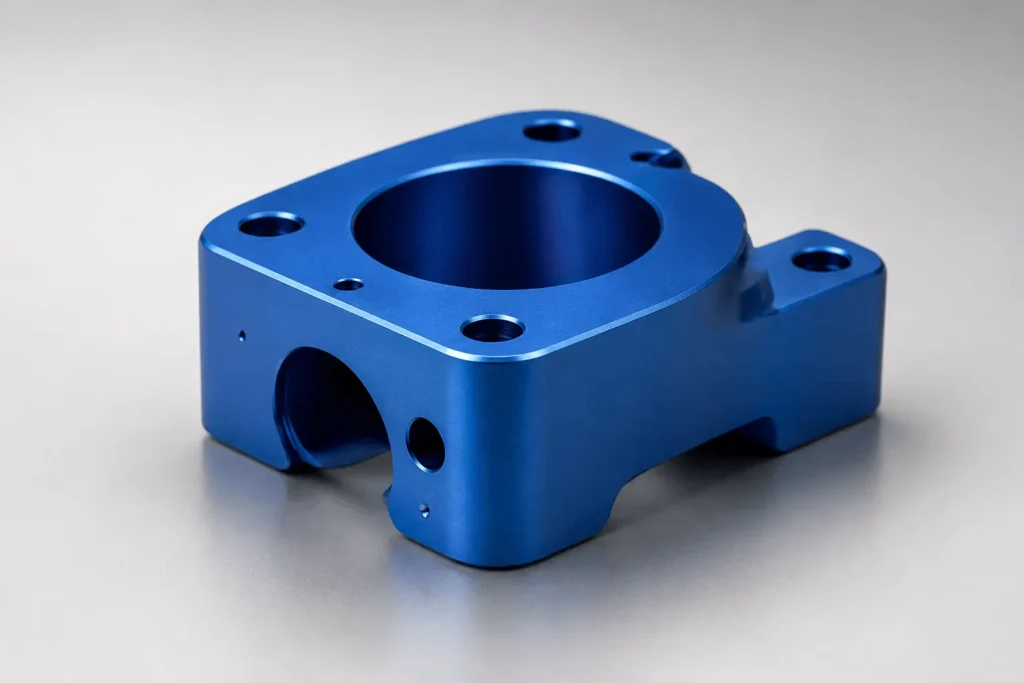
Powder Coating
Powder coating applies a durable colored layer to metal parts. It provides good corrosion, impact, and wear resistance and is suitable for aluminum and steel components.
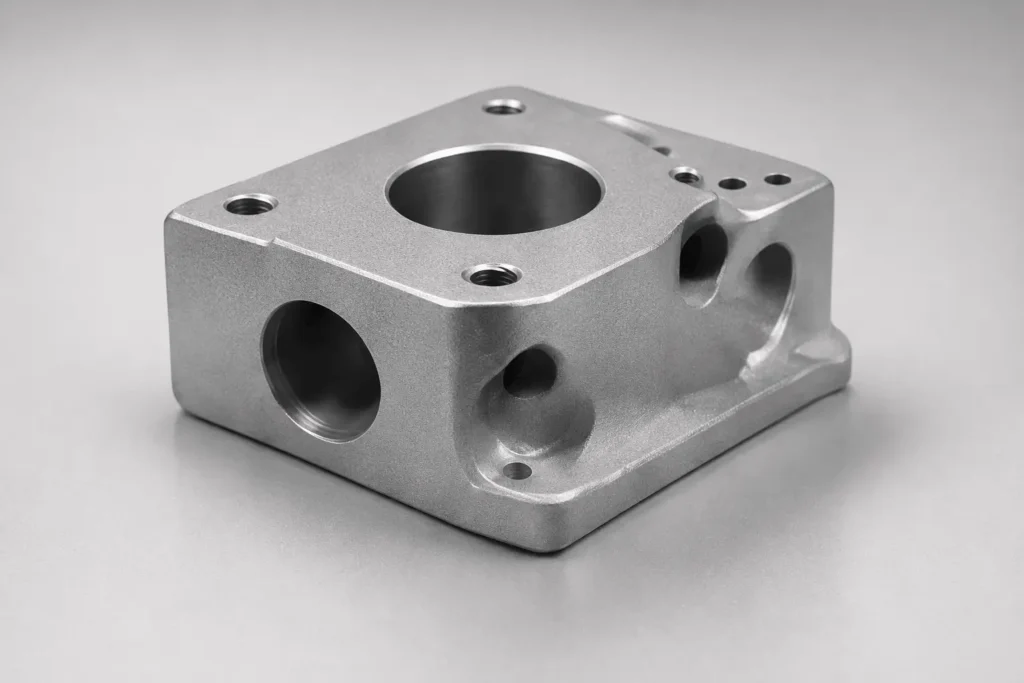
Bead Blasting
Bead blasting removes light machining marks and creates a uniform matte or satin surface. It is commonly used on aluminum and stainless steel parts before anodizing or other finishes.
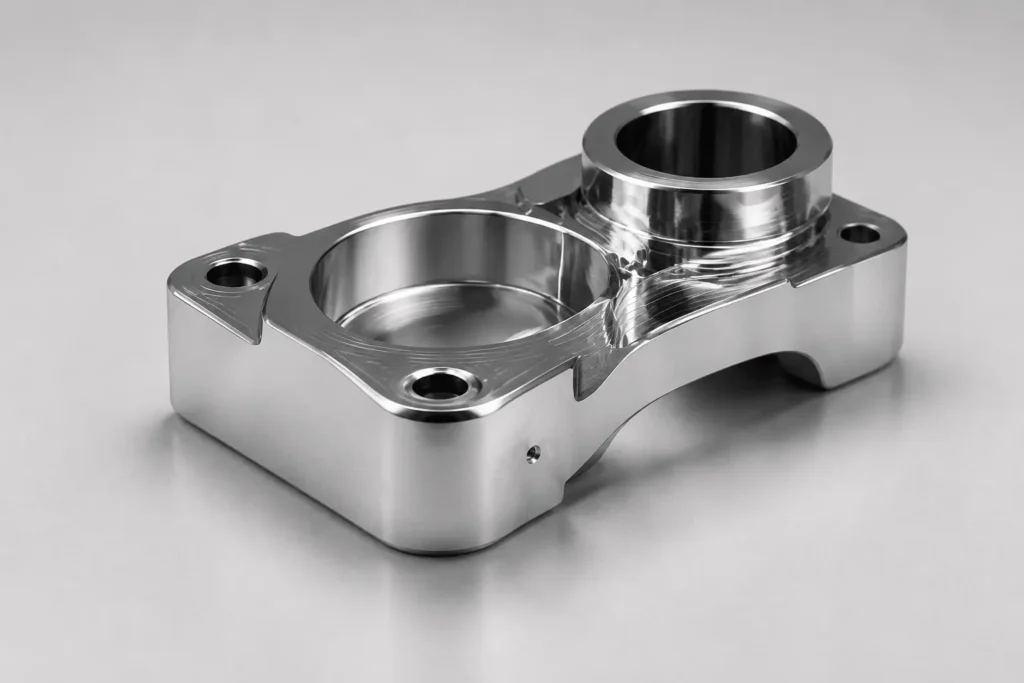
Polishing
Polishing reduces surface roughness and produces a smooth, reflective finish. It is used where appearance, cleanability, or reduced surface friction is important.
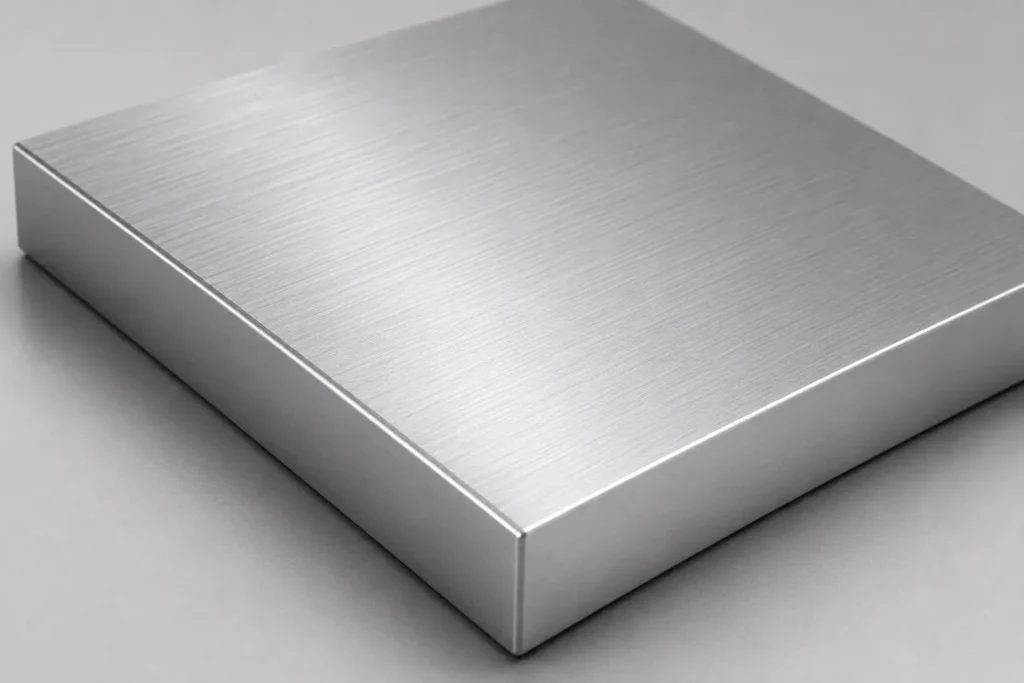
Brushing
Brushing creates a consistent linear grain on flat or curved metal surfaces. It improves appearance and helps make minor scratches and machining marks less noticeable.
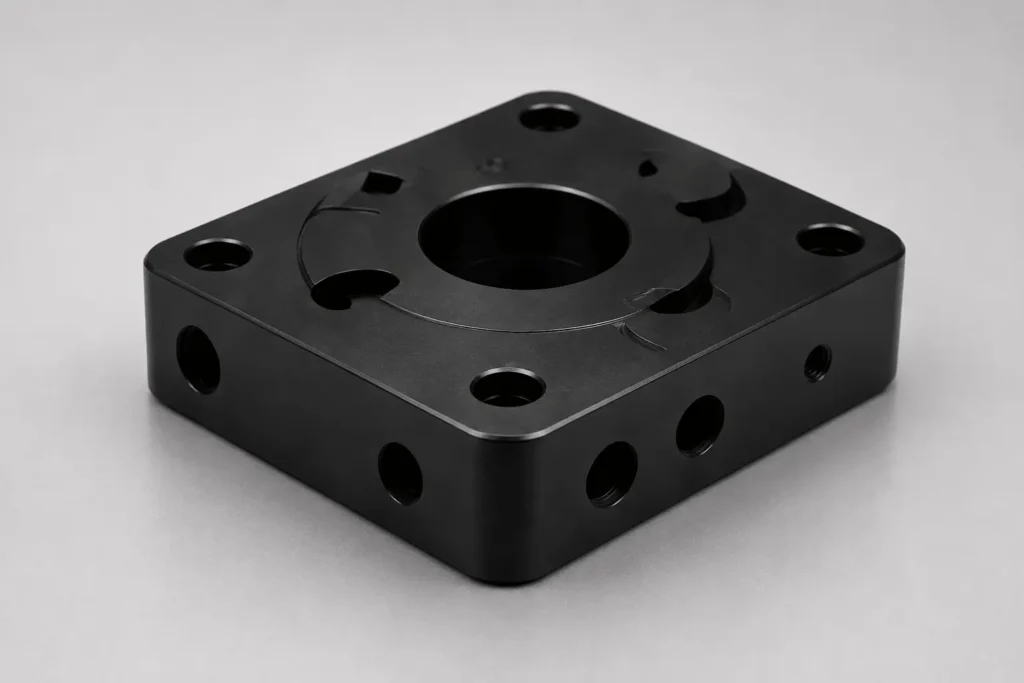
Black Oxide
Black oxide creates a thin black conversion coating on steel parts. It provides mild corrosion resistance, reduces light reflection, and causes minimal dimensional change.
Surface Finishes Comparison
Compare common surface finishes by cost, appearance, corrosion resistance, wear resistance, material compatibility, and typical applications. Actual results may vary depending on the material, part geometry, surface preparation, and finishing specifications.
| Finish | Cost | Appearance | Corrosion Resistance | Wear Resistance | Best For | Materials |
|---|---|---|---|---|---|---|
| Anodizing | Medium | Excellent | Excellent | Good | Aluminum parts | Aluminum |
| Powder Coating | Low | Good | Very Good | Good | Enclosures, brackets | Aluminum, Steel |
| Bead Blasting | Low | Matte | Medium | Good | Prototypes, aesthetic parts | Aluminum, Steel, Stainless Steel |
| Polishing | High | Mirror | Medium | Medium | Decorative, visible parts | Stainless Steel, Aluminum |
| Brushing | Low | Satin | Medium | Medium | Panels, consumer products | Stainless Steel, Aluminum |
| Black Oxide | Low | Black | Medium | Medium | Functional steel parts | Steel |
Surface Finish Gallery
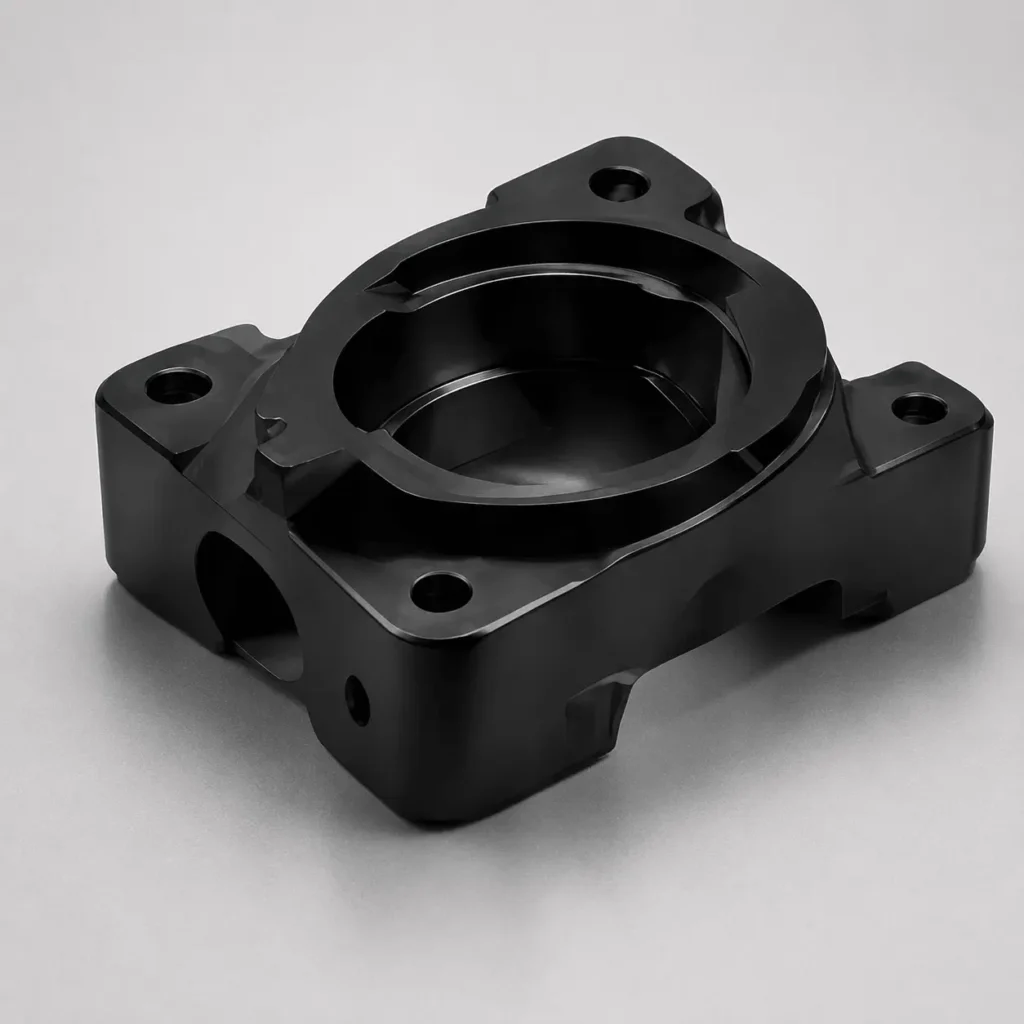
Black Anodized
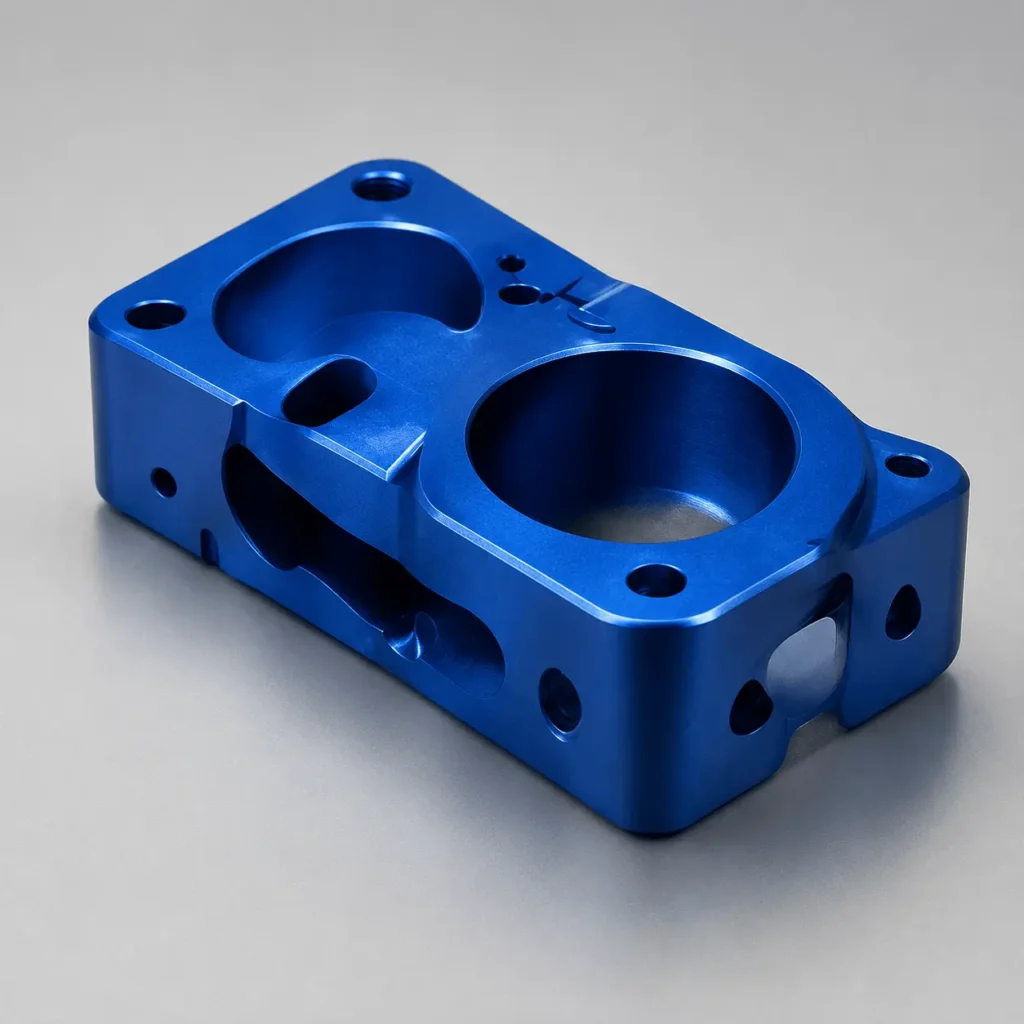
Blue Anodized
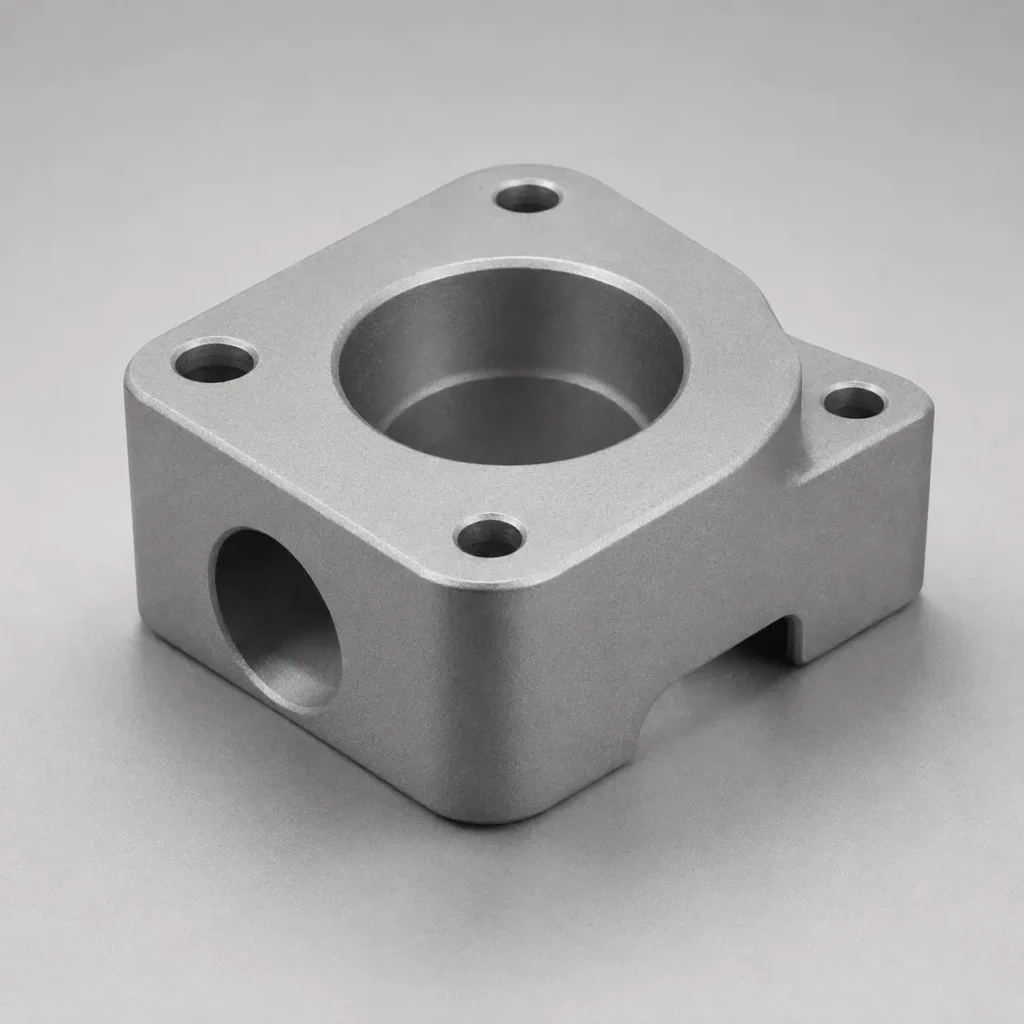
Bead Blasted
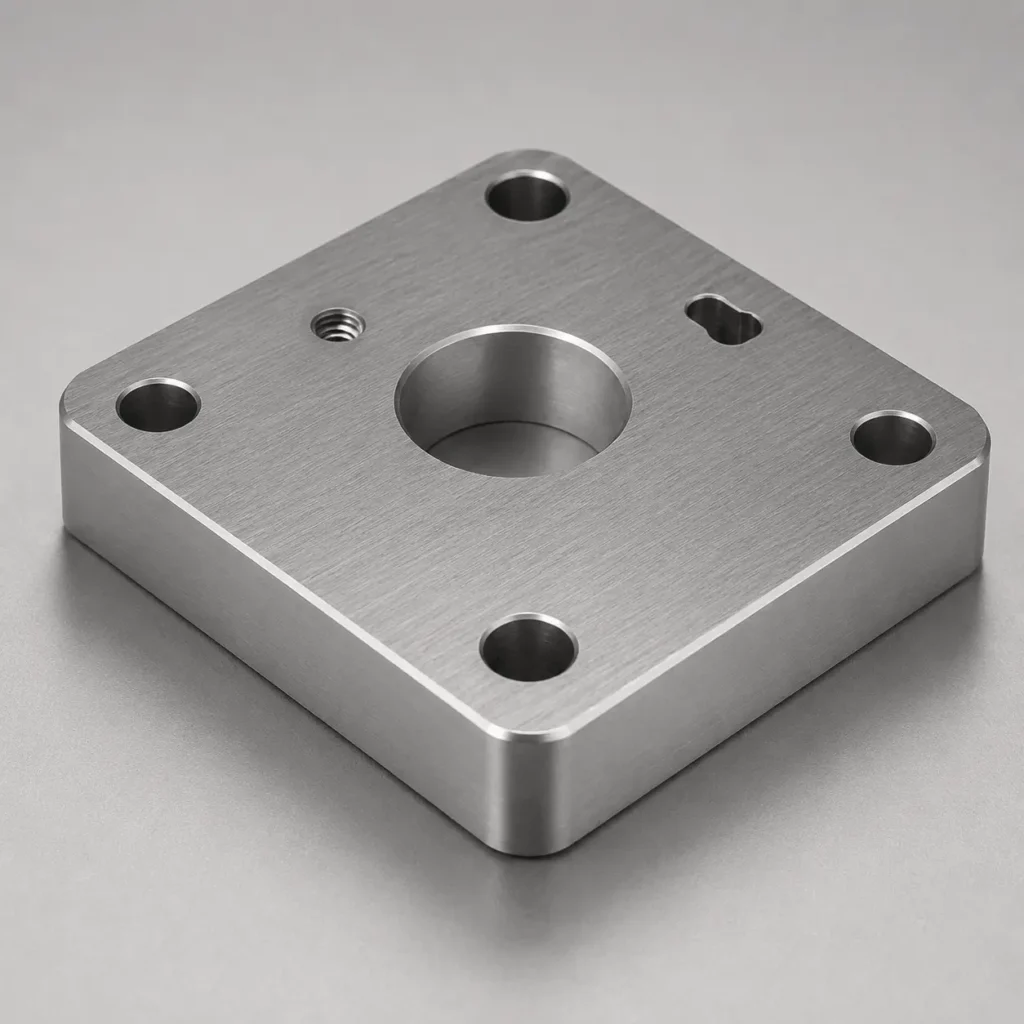
Brushed Finish
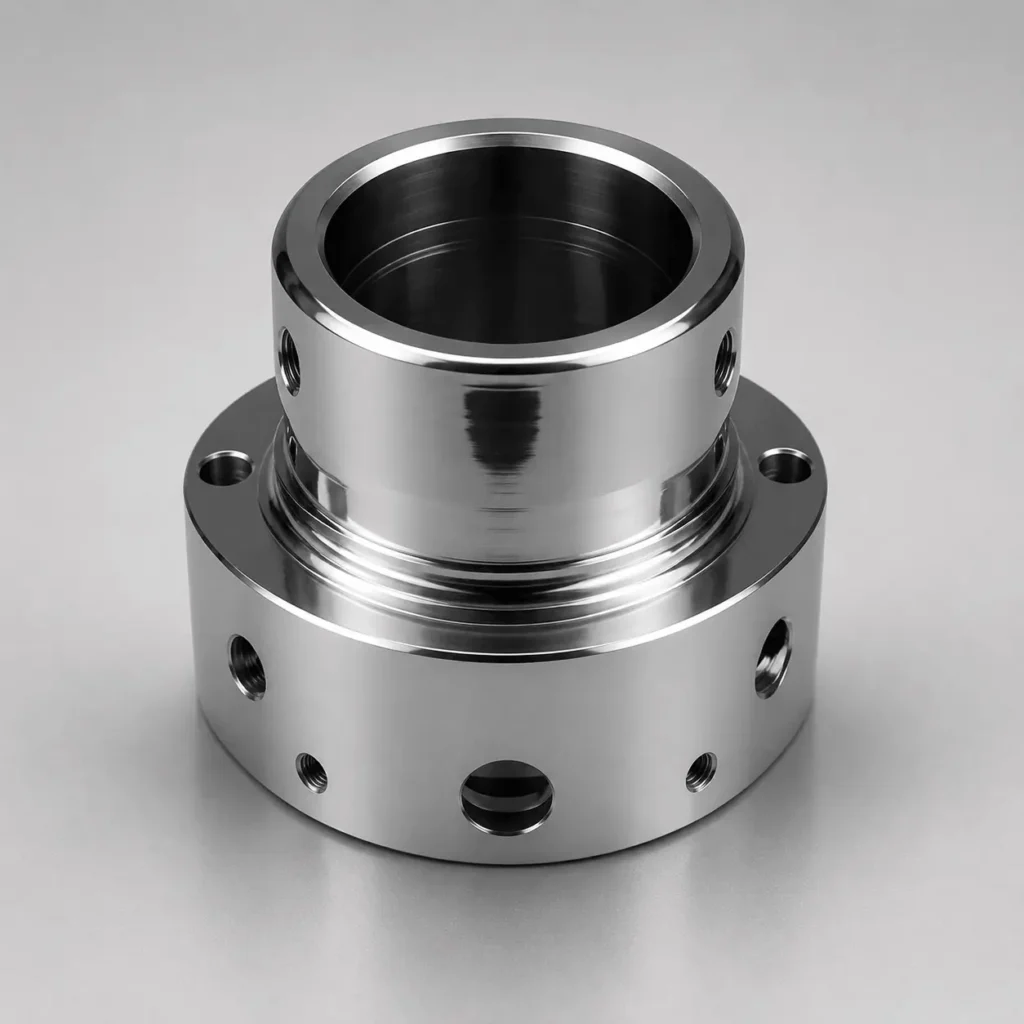
Mirror Polished
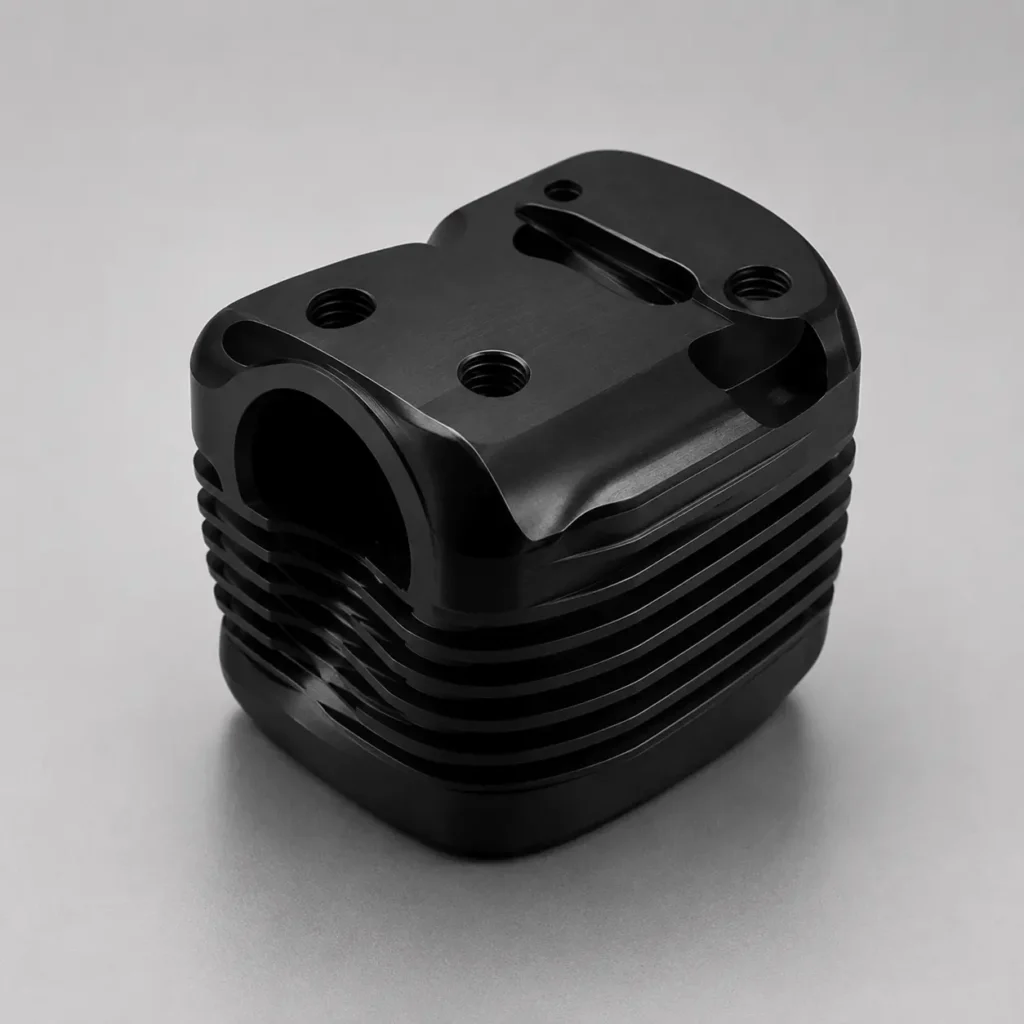
Black Oxide
How To Choose The Right Finish
Appearance
Enhance the visual appeal of your parts with finishes that deliver matte, glossy, brushed, or colored surfaces.
Durability
Improve protection against moisture, chemicals, oxidation, and harsh operating environments.
Wear Resistance
Increase surface durability and hardness for components exposed to friction, abrasion, and repeated use.
Cost Optimization
Select the most suitable finish based on performance requirements, production volume, and budget.
Frequently Asked Questions
What surface finish is best for aluminum parts?
Anodizing is one of the most popular surface finishes for aluminum components. It improves corrosion resistance, increases surface hardness, and provides attractive color options such as black, blue, red, and clear finishes.
What is the difference between anodizing and powder coating?
Anodizing creates a protective oxide layer that becomes part of the aluminum surface, while powder coating adds a colored protective coating on top of the material. Anodizing offers better wear resistance, while powder coating provides more color choices and thicker protection.
Can stainless steel parts be anodized?
No. Anodizing is typically used for aluminum. Stainless steel parts are commonly finished with polishing, bead blasting, brushing, passivation, or electropolishing to improve appearance and corrosion resistance.
Which surface finish is best for corrosion resistance?
For aluminum parts, anodizing provides excellent corrosion resistance. For steel parts, powder coating and black oxide are commonly used. The best choice depends on the material and operating environment.
Do surface finishes affect part dimensions?
Yes. Some finishes add thickness to the part surface. For example, anodizing and powder coating can slightly change final dimensions. If your project requires tight tolerances, our engineers will account for finishing requirements during manufacturing.
Can I choose custom colors for my CNC parts?
Yes. Many finishing options support custom colors. Anodizing offers a range of aluminum colors, while powder coating can match standard RAL color codes for consistent branding and appearance.
What surface finish is best for cosmetic parts?
For visible or decorative components, polishing, brushing, anodizing, and powder coating are commonly selected to achieve premium appearance and surface quality.
Can YD Rapid recommend the right surface finish for my project?
Absolutely. Simply send us your drawings and project requirements. Our engineering team will recommend the most suitable surface finish based on material type, appearance goals, performance requirements, and budget.
Can surface finishes improve part lifespan?
Yes. Surface finishing can improve corrosion resistance, wear resistance, and overall durability, helping extend the service life of CNC machined components.
Get Expert Advice on Surface Finishing
Send us your CAD files or drawings, and we’ll recommend the ideal finish for your application, material, and production requirements.
- DFM Feedback
- Fast Response
- Surface Finish Expertise