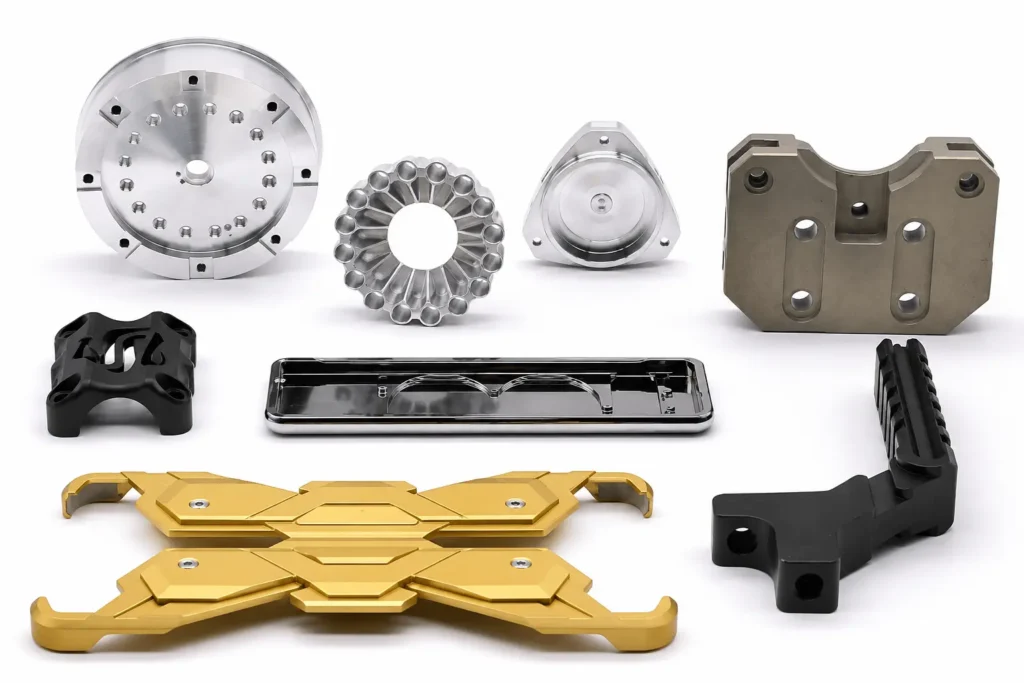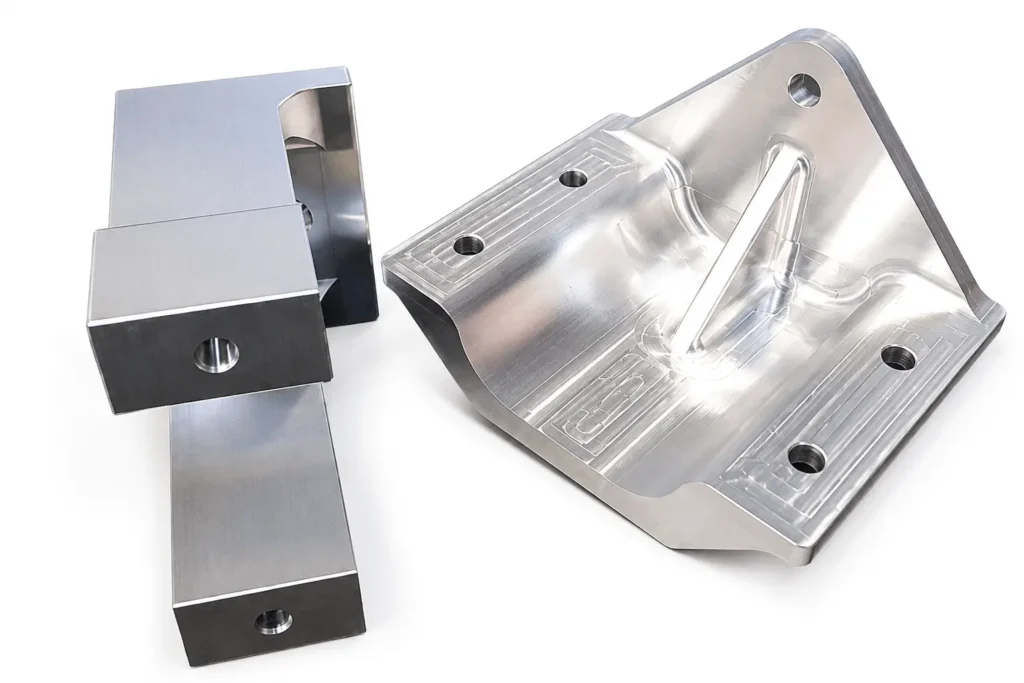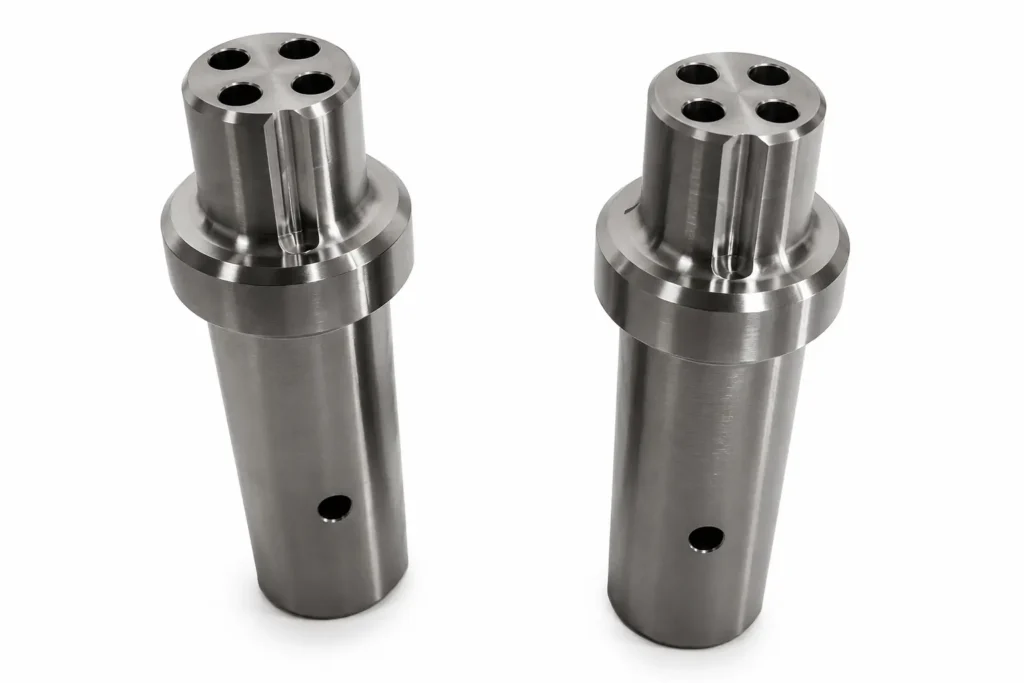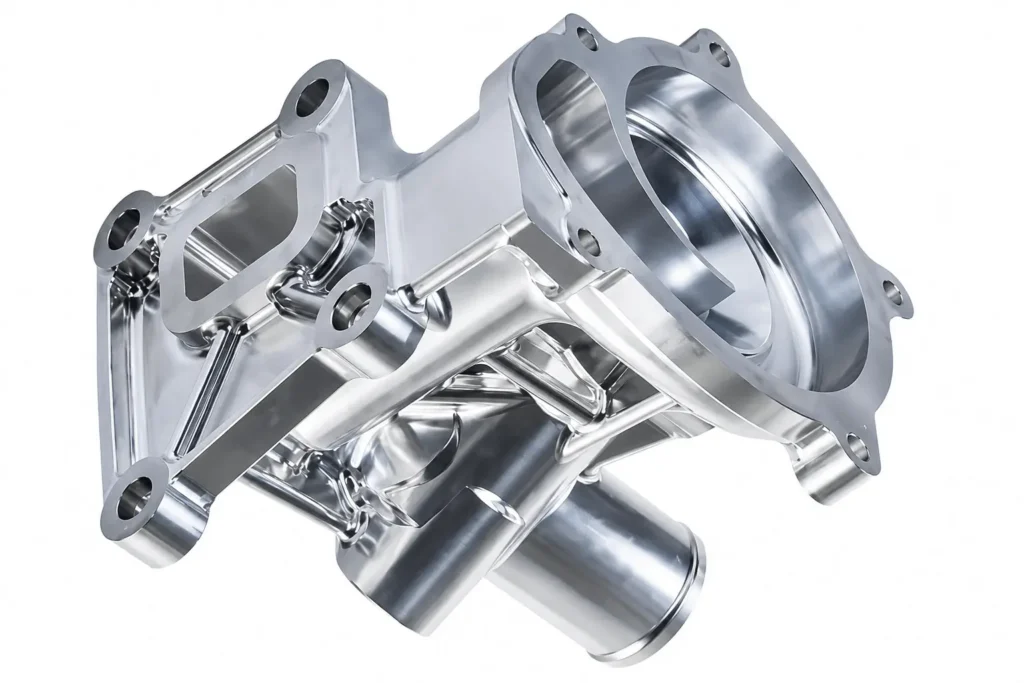
CNC machining transforms raw materials into precise components. Selection of the proper metal is quite crucial. The proper metal impacts your machining quality and your overall cost. Certain metals will wear tools out quickly. Other types of metal extend the lifespan of tools. The type of metal that you choose will impact part strength. It also alters the conductivity of the parts. It additionally modifies where you can use the last part.
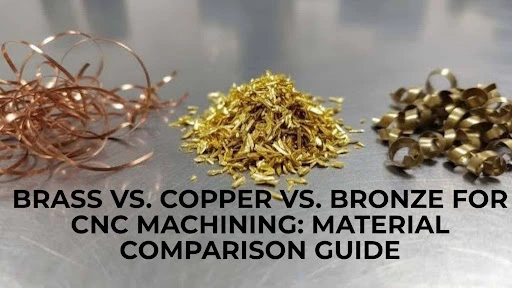
There are three common red metals that engineers tend to study: brass vs copper vs bronze for CNC machining. The cutting tool reacts differently to each metal. Get the wrong one and your expenses increase. You may have component failures. Select the appropriate one and your project will succeed.
This guide is designed to assist you in choosing the right one for your next project. Brass vs copper vs bronze for CNC machining will be discussed in great detail. You will discover where they are best used, how they are cut, and how much they cost. Let’s take a closer look at that.
Key Takeaways
- There are significant differences between the machinability of brass vs copper vs bronze.
- Brass is the easiest and quickest metal to cut by CNC.
- The three red metals have copper with the highest electrical conductivity.
- Where conditions are damp, bronze is the most wear- and corrosion-resistant.
- Typical CNC parts are electrical components, marine gears, valves, etc.
- There are various options to consider, depending on your project requirements and budget.
Why Does Material Selection Matter In CNC Machining?
The choice of materials is the key to a machine shop. It is the initial step to manufacture a great part. The machine will have trouble if the wrong metal is selected. It will be a waste of your time and money. By using a good metal comparison for CNC machining, you will be able to prevent these huge mistakes. It is necessary to consider the reactions of the metal with a sharp tool. It is important to be aware of its temperature, as it gets too hot. It needs to be known whether it is easily bent or not. That’s why we do this research before we get on the mill, so we can distinguish between brass, copper, and bronze.
Role of material properties
Each metal has its distinct characteristics. Certain metals are extremely hard. Other metals are extremely malleable and ductile. These properties explain the behaviour of the metal. Hardness affects the amount of force required. The melting temperature affects the amount of heat accumulation. The final use is dependent on weight. These properties have to be matched with your blueprint requirements.
Effect on cutting performance
The performance of a machine in cutting depends upon the properties of the metal being cut. Some soft metals adhere to tools. The sharp edges may chip off the hard metals. High performance equals quick cuts and smooth surfaces. If they do not cut well, the machine doesn’t run smoothly. The machine vibrates and produces loud noises when cutting poorly.
Price, durability, and efficiency of manufacturing
Fast production is key with good materials. Quick manufacturing reduces your shop expenses. You want a metal that is not expensive to form but has a high level of durability.
The factors that influence material selection
- The condition of the part at the end of the manufacturing process
- The total sum for materials and tools.
- Tensile strength and hardness needs
How Do Brass, Copper, And Bronze Differ In Cnc Machining?
These 3 metals seem alike but are very different. They have different blends. The ease of machining of brass, copper, and bronze is quite different. Some can be easily broken out. Let’s take a closer look at each of these.

Brass overview
Brass is a mix of copper and zinc. It is a bright yellow colour. It is well known for its ability to cut very smoothly and is known as brass CNC machining. It does not wear tools out quickly. It keeps rust at bay and maintains an attractive appearance.
Copper overview
Copper is an element that is pure. It is red-pink in colour. When the need to transfer electricity or heat arises, it is very important to consider copper CNC machining. It is very soft and pliable. This can make it difficult to make a clean cut.
Bronze overview
The materials in bronze are copper and tin. It usually has additional components such as silicon or aluminum. It is known to be tough for bronze CNC machining. It resists movement and maintains integrity when under excessive weight.
Material Property Comparison
| Property | Brass | Copper | Bronze |
| Machinability | Excellent (100%) | Tough / Sticky (20%) | Good to Fair (30% – 60%) |
| Strength | Medium | Low to Medium | High |
| Hardness | Medium | Low | High |
| Corrosion Resistance | High | High | Very High |
| Electrical Conductivity | Medium | Very High | Low |
| Cost | Medium | High | High |
Why Does Brass Provide Exceptional Machining Advantages?
The answer lies in the zinc. Zinc makes the metal crisp. There are many brass machining advantages that save manufacturing time. When machining brass parts, the machine can run at ultra-high speeds without any stress.
Chip formation
Brass makes tiny, brittle chips. These chips fly away from the tool instantly. They do not wrap around the spinning mill. Copper makes long, gummy ribbons that clog the machine area.
Cutting speed
You can run your CNC mills much faster with brass. High cutting speeds mean you finish parts in seconds. This saves energy and machine wear.
Tool wear
Brass does not rub tools raw. It acts like it has a built-in lubricant. Your carbide tools stay sharp for thousands of parts. This lowers your tool replacement costs.
Surface finish
Brass leaves a beautiful, shiny surface right out of the machine. It does not need extra sanding or polishing. The edges stay sharp and clean without heavy burrs.
For example, a manufacturer making 500 small gears will choose brass over copper. The brass gears will finish in half the time, and the tools will not break once.
Why Do Copper Need Specific Machining Practices?
Copper is a challenge for CNC programmers. When machining copper parts, you must follow strict rules. You cannot treat it like other metals. You must use specific copper machining best practices to get a good result.
Material softness
Copper is very malleable. Instead of chipping when the tool hits it, copper bends and stretches. It pushes out of the way instead of cutting cleanly.
Heat generation
Copper moves heat fast, but it also creates high friction at the tool tip. This friction creates intense heat. The heat can weld the copper directly to your expensive tool.
Built-up edge
As the tool cuts, small bits of hot copper stick to the cutting edge. This is called a built-up edge. It makes the tool dull and ruins the final dimensions of your part.
Why Use Bronze Instead Of Brass?
Bronze is the tough material among brass and copper metal families. Engineers ask, “Why use bronze instead of brass?” when they need extreme strength. When machining bronze parts, you notice the metal resists wear much better than brass. The unique bronze alloy properties for machining make it perfect for heavy impacts and wet environments.
Wear resistance
Bronze does not wear down when it rubs against steel. It is self-lubricating when mixed with oil or graphite. This makes it ideal for sliding parts.
Load-bearing applications
Bronze can hold massive weight without crushing or bending. Brass would deform under the same heavy load.
Marine environments
Bronze loves salt water. Salt water destroys many metals, but bronze forms a tough outer skin that stops rust completely.
Typical bronze alloys
Common types include phosphor bronze and aluminum bronze. Phosphor bronze is great for springs. Aluminum bronze is ultra-strong and resists chemicals. Bronze performs better than brass in deep-sea pumps, heavy industrial cranes, and large ship propellers where brass would snap or corrode.
Which Is Better Brass Or Bronze Or Copper?
There is no clear winner when choosing the best metal for CNC machines. What is the best metal for a CNC machine? It really depends on the work that you are required to perform. The key lies in our fundamental comparison of CNC Brass, Copper and CNC Bronze for the right answer.
Precision parts
When perfection in dimensions, tiny threads and quick production is required, brass is the clear choice. Easy to hold tight tolerances.
Electrical components
Copper is the only option if your part needs to conduct electricity or heat.
Heavy-duty applications
When your part is destined for underwater, engine, or heavy loads, bronze is the sure winner.
Budget considerations
Brass is the most economical to process since it requires the least labour and tools. Copper and bronze are more expensive materials and are slower to cut than other materials.
Application Selection Table
| Requirement | Best Material | Reason |
| Fast machining | Brass | Creates tiny chips and allows high spindle speeds. |
| Precision parts | Brass | Holds tight shapes without bending or burring. |
| Electrical conductivity | Copper | Best electrical path of all industrial metals. |
| Wear resistance | Bronze | Resists heavy friction and sliding wear. |
| Decorative parts | Brass | Possesses a bright, attractive gold-like look. |
| Marine use | Bronze | Resists saltwater corrosion better than brass. |
How To Choose Brass Copper Or Bronze For CNC Machining?
Brass is usually the most practical option when machining efficiency, dimensional stability, and production cost are the main considerations. Its good chip-breaking characteristics allow higher cutting speeds and reduce tool wear compared with copper and many bronze alloys. These properties make brass CNC machining suitable for fittings, valve components, electrical parts, and precision hardware.
Choosing requires balancing your goals. Look at your blueprint and your budget. You must use our main knowledge of brass vs copper vs bronze for CNC machining alongside one secondary keyword like metal comparison for CNC machining to make a final plan.
Application requirements
Does the part touch electricity? Does it touch salt water? Answer these environmental questions first.
Machining budget
Calculate the cost of the raw metal block. Then add the cost of machine time and broken tools.
Required performance
Make sure the metal can handle the stress, heat, and speed of its daily job.
Production volume
If you are making thousands of parts, small differences in machining speed add up to huge savings.
Conclusion
In this guide, you have discovered that each metal has a special home in its brass vs copper vs bronze for CNC machining. Choose brass CNC machining if you desire production speed, low tool wear, and sharp details. It helps you to save on shop expenses and maintain your machines’ longevity. For those who need the highest level of power with electrical circuits or heat sinks, don’t be afraid of the challenge of copper CNC machining.
Remember to use sharp tools and ample coolant. For parts that need to withstand the rigors of the open sea or be able to handle heavy loads in a large machine, rely on bronze CNC machining. With careful selection, you can save money, avoid equipment damage, and produce good, long-lasting parts. Apply this information to make your next production time more efficient now.
Still Deciding Which Copper Alloy to Use?
A material that looks suitable on paper may behave differently once wall thickness, tolerances, tool access, surface finish, and production quantity are considered. YD Rapid can review these details and help determine whether brass, copper, or bronze is the more practical choice before machining begins.
Frequently Asked Questions
Why is copper different in CNC machining?
Copper is gummy and very soft. When tools cut it, the metal stretches and sticks to the blade instead of chipping away. This ruins the finish, creates high heat, and wears out tools very quickly.
Why is brass easier to machine than copper?
Brass mixes copper with zinc. This makes the metal harder and more brittle. Instead of stretching and sticking like pure copper, brass snaps easily into tiny chips when cut, which keeps tools clean, cool, and fast.
Which metal has the highest electrical conductivity?
Copper has the highest electrical conductivity by far. It carries electrical currents with very little resistance. This makes it the top choice for wires, computer parts, and electrical systems. Brass and bronze carry much less electrical conductivity.
Which material is best for precision machined parts?
Brass is the best metal for precision machined parts. It chips into tiny pieces very easily. It does not bend or stick to your tools. This allows the CNC machine to cut perfectly tight shapes and smooth surfaces every time.