
ISO Certified CNC Manufacturing Materials
CNC Materials For CNC Machining Services
Find the most suitable CNC machining materials for your custom parts. Learn about mechanical properties, machinability, surface finishes, and common applications across metals and engineering plastics.
Materials We Machine
YD Rapid machines aluminum, stainless steel, steel, brass, copper, titanium, and engineering plastics for prototypes and low-volume production. Each material offers different properties, machinability, tolerances, surface finish options, and costs. Select a material below to review available grades and CNC machining capabilities.
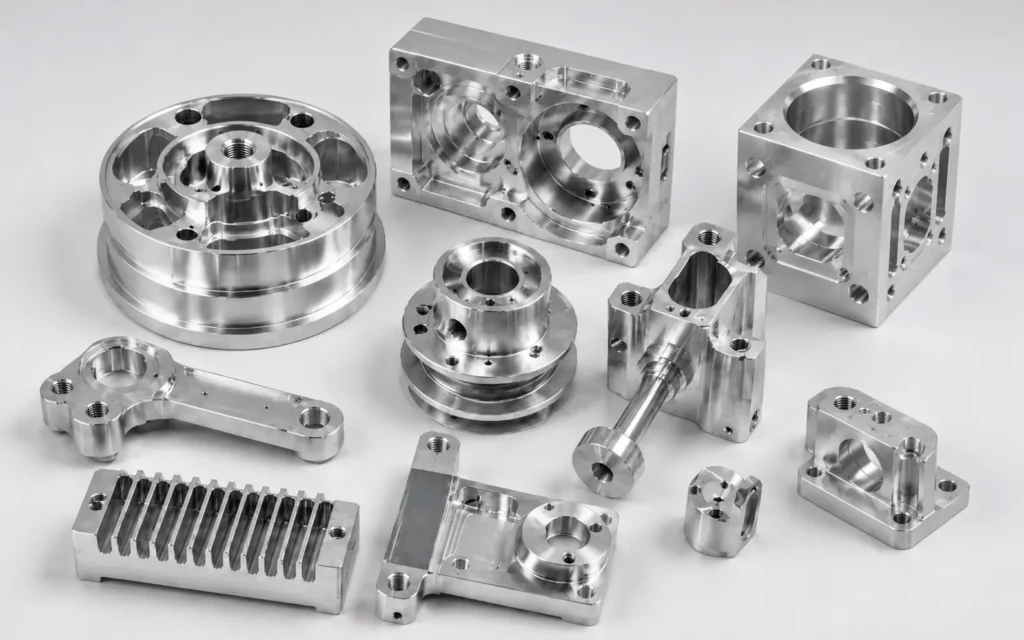
Aluminum CNC Machining
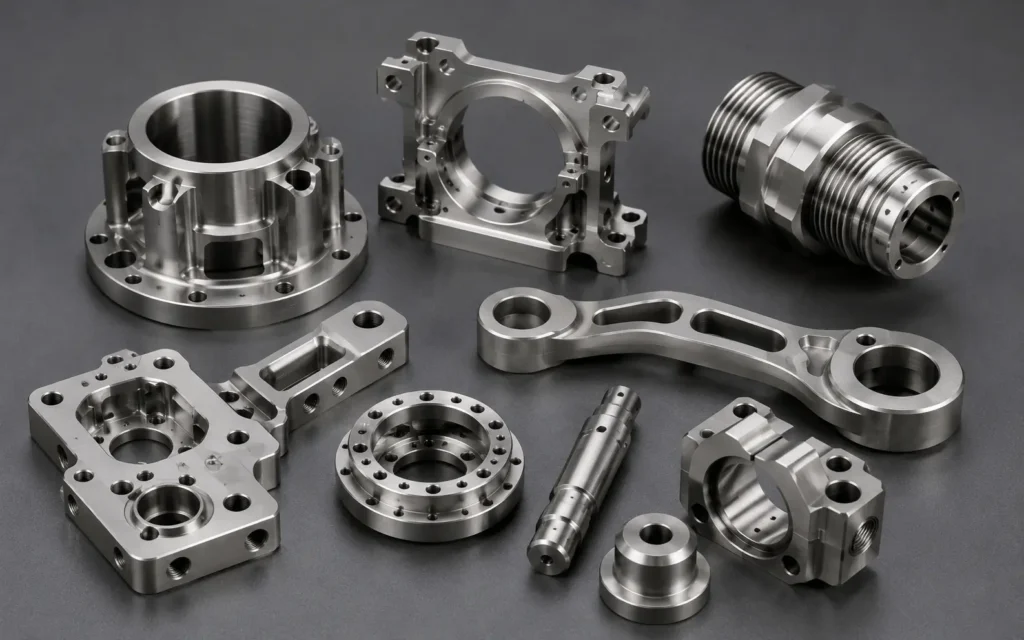
Stainless Steel CNC Machining
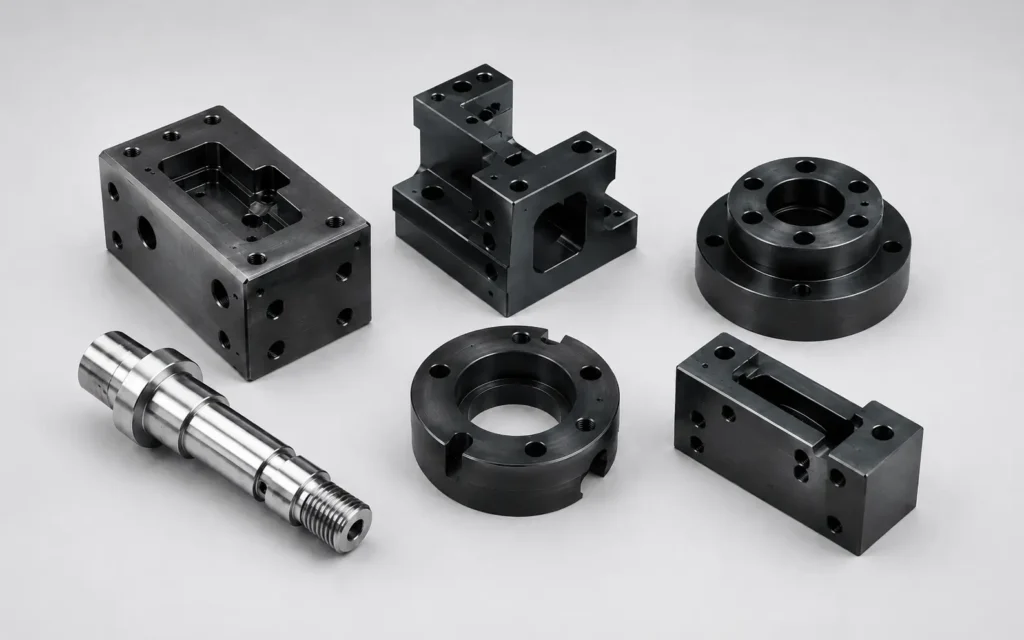
Steel CNC Machining
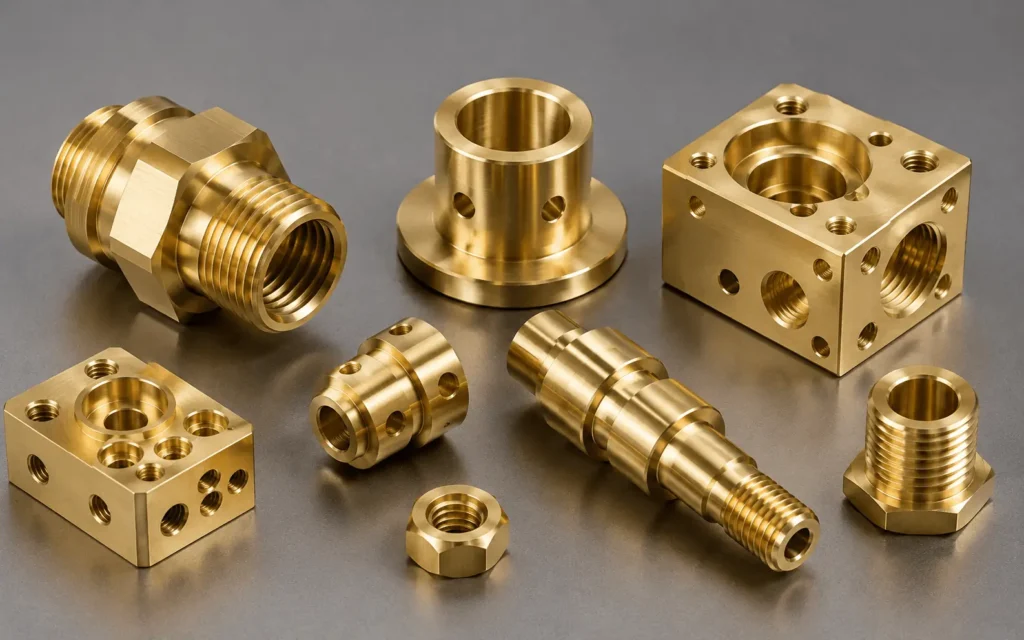
Brass CNC Machining
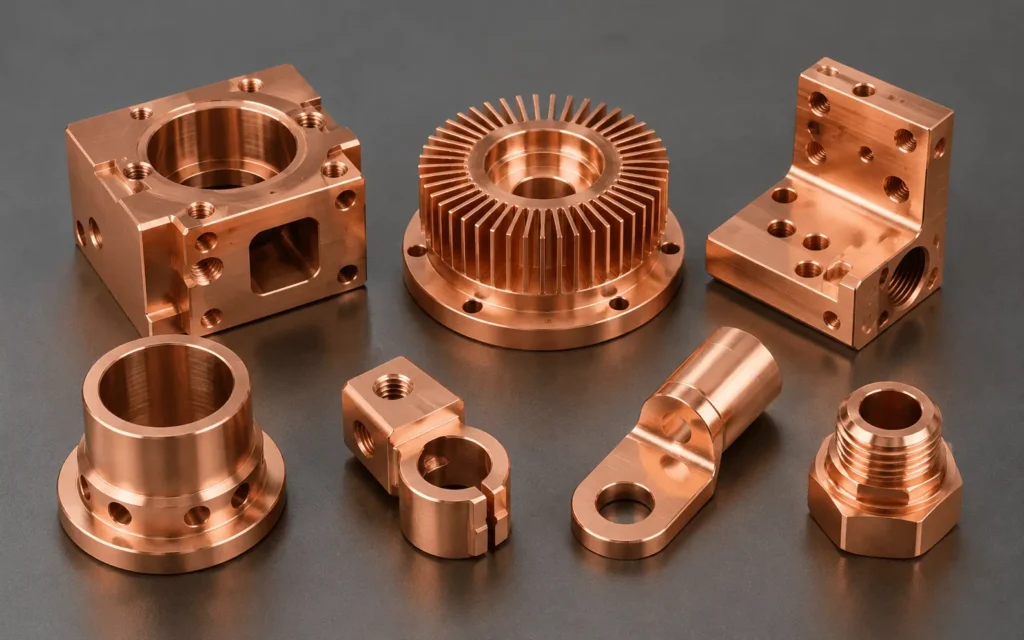
Copper CNC Machining
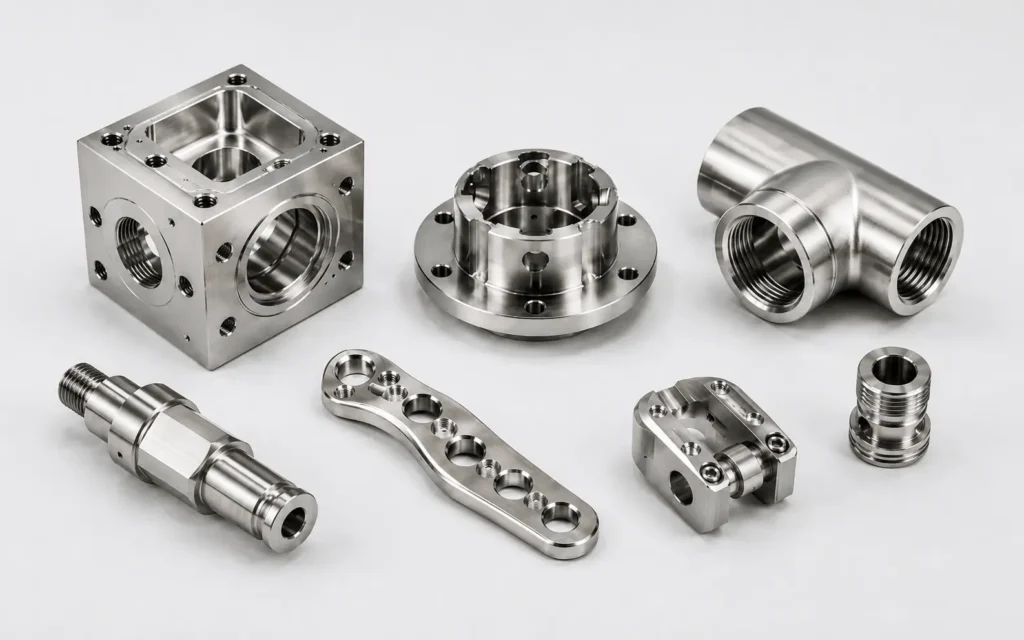
Titanium CNC Machining
Metal CNC Machining Materials
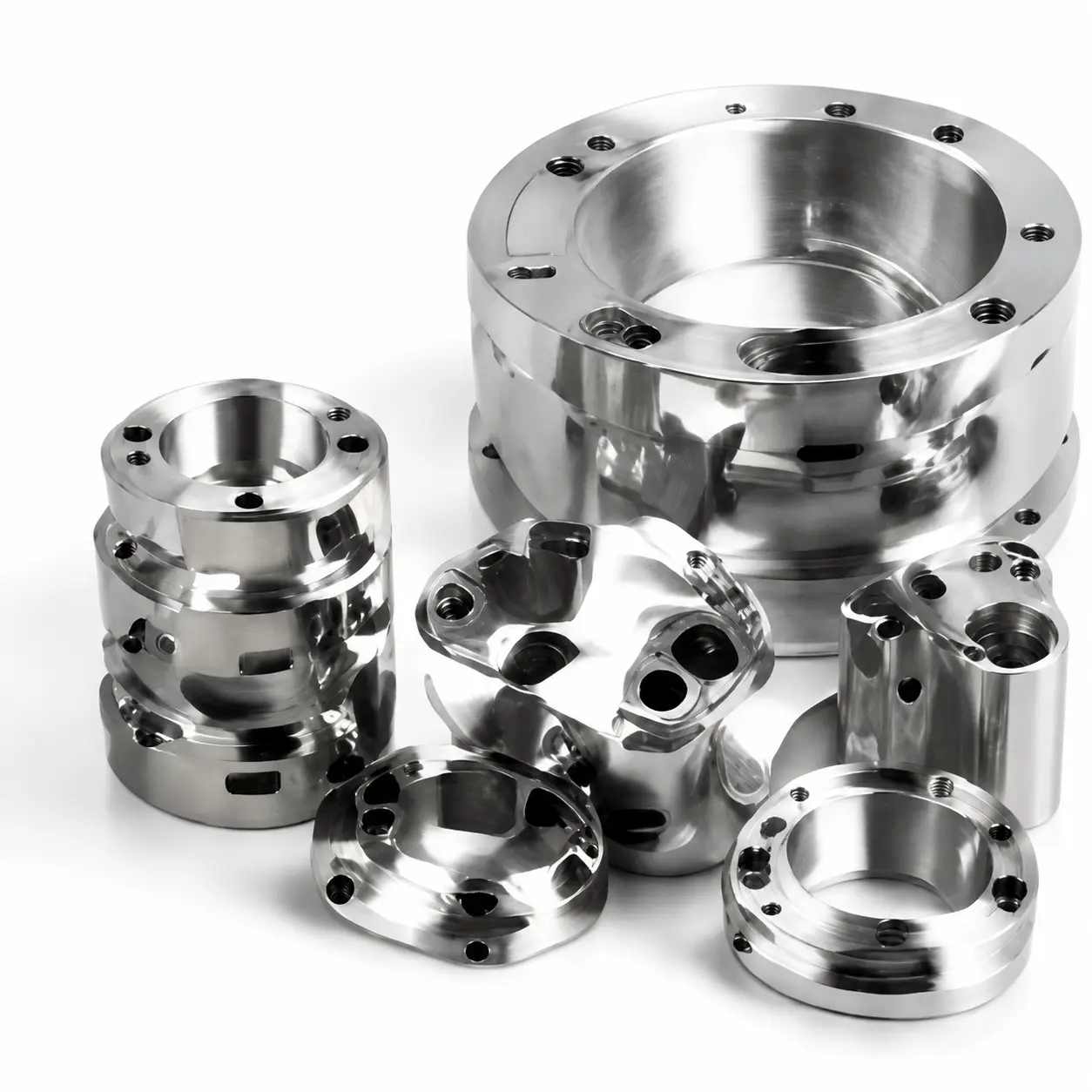
YD Rapid machines a wide range of engineering metals for prototypes and production parts, including aluminum, steel, stainless steel, brass, copper, and titanium.
- Aluminum
- Stainless Steel
- Steel
- Brass
- Copper
- Titanium
Plastic CNC Machining Materials
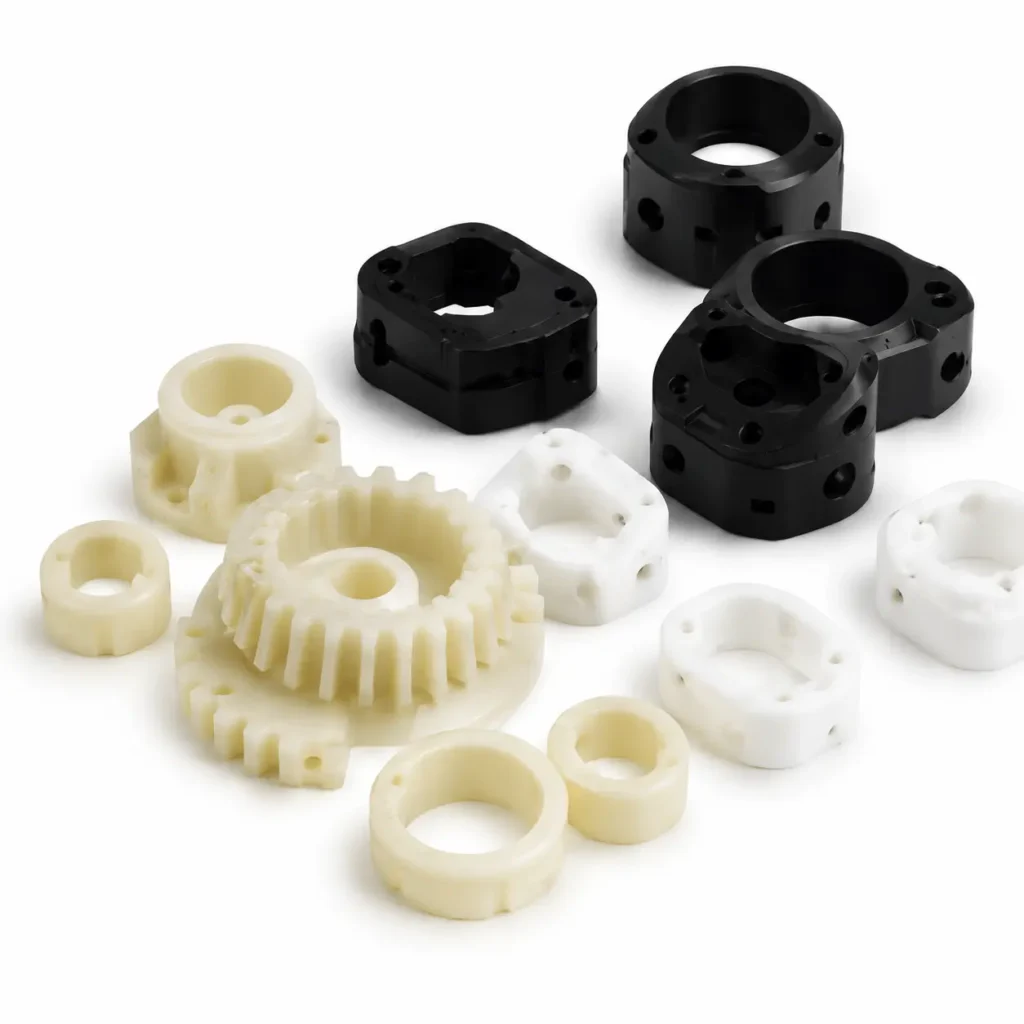
We support a variety of engineering plastics for functional prototypes and end-use applications, including ABS, POM, Nylon, PEEK, PC, and PTFE.
- ABS
- POM
- Nylon
- PEEK
- PC
- PTFE
CNC Machining Material Comparison
Compare common CNC machining materials by strength, weight, machinability, cost, and typical applications. The right material depends on the part’s function, operating environment, tolerance requirements, surface finish, and production quantity.
| Material | Density | Strength | Cost | Best For |
|---|---|---|---|---|
| Aluminum | Lightweight | High | Medium | Aerospace |
| Stainless Steel | Heavy | Very High | High | Medical Devices |
| Steel | Heavy | Very High | Low | Industrial Parts |
| Brass | Medium | Medium | Medium | Connectors |
| Copper | Medium | Medium | High | Electrical Parts |
| Titanium | Lightweight | Very High | Very High | Aerospace & Medical |
| PEEK | Lightweight | High | Very High | High-Performance Components |
Applications Across Industries
Aerospace
Lightweight and high-strength materials for critical components.
Medical
Biocompatible materials for medical devices and implants.
Automotive
Durable materials for performance and precision parts.
Robotics
Reliable materials for complex and functional applications.
Frequently Asked Questions
What materials are best for CNC machining?
The best material depends on your application requirements. Aluminum is ideal for lightweight and cost-effective parts, stainless steel offers excellent corrosion resistance, steel provides high strength, brass is suitable for electrical and decorative components, while titanium is preferred for aerospace and medical applications.
Can you help select the right material for my project?
Yes. Our engineering team can recommend the most suitable material based on your part’s function, mechanical requirements, operating environment, budget, and production volume. Simply upload your drawings and project details for a free consultation.
What is the difference between aluminum and steel?
Aluminum is lightweight, easy to machine, and offers good corrosion resistance, making it ideal for prototypes and weight-sensitive applications. Steel is stronger and more durable but heavier, making it suitable for structural and high-load components.
Do you machine engineering plastics?
Yes. YD Rapid machines a wide range of engineering plastics, including ABS, POM (Delrin), Nylon, PEEK, PC, and PTFE. These materials are commonly used for lightweight, wear-resistant, electrically insulating, and chemically resistant components.
What is the most commonly used CNC machining material?
Aluminum 6061 is one of the most popular CNC machining materials due to its excellent machinability, strength-to-weight ratio, corrosion resistance, and affordability. It is widely used in aerospace, automotive, robotics, and industrial equipment.
Can I order both metal and plastic CNC parts?
Absolutely. We provide CNC machining services for both metal and plastic materials, allowing customers to source prototypes and production parts from a single supplier.
What material is best for high-strength applications?
For high-strength applications, steel, stainless steel, and titanium are commonly recommended. The optimal choice depends on factors such as weight requirements, corrosion resistance, operating conditions, and budget.
Do you offer material certifications?
Yes. Material certificates and inspection reports can be provided upon request for most metals and engineering plastics, ensuring full traceability and quality assurance.
Not Sure Which Material Is Right for Your Project?
Upload your drawing and our engineers will recommend the most suitable material.
- DFM Feedback
- Fast Response
- Expert Support