Guide

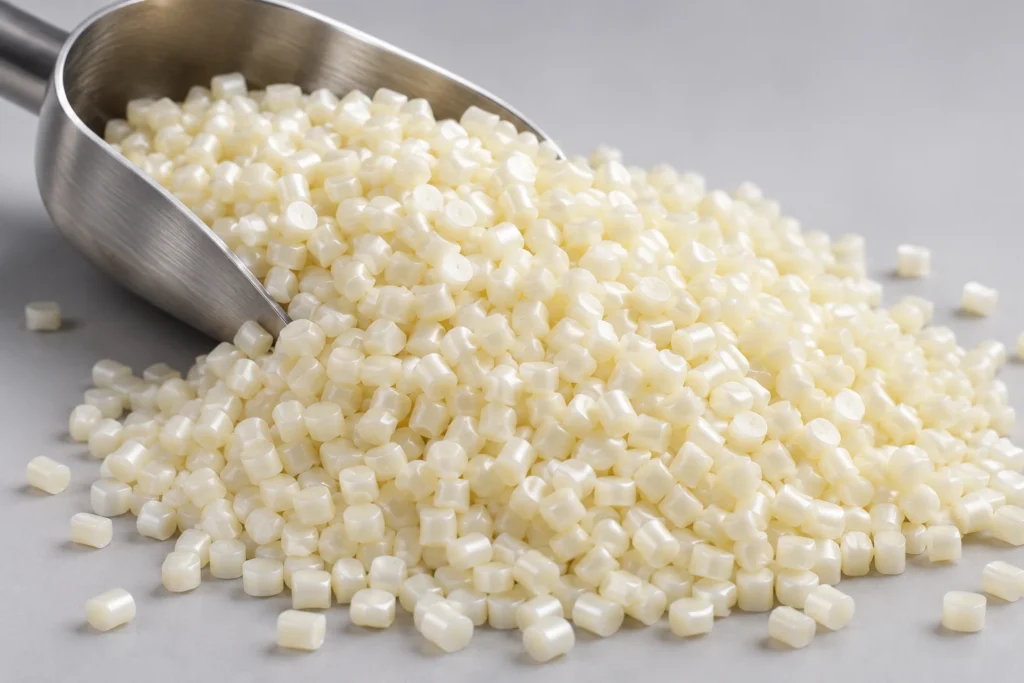
Natural ivory ABS resin pellets spilling from a stainless steel scoop

ABS Melting Point: Softening Temperatures, Grades, and Applications

The ABS melting point is not a single fixed temperature. As an amorphous thermoplastic, ABS softens gradually when heated. To choose suitable molding, machining, or 3D printing conditions, you need to distinguish its glass transition temperature from its processing temperatures. This guide explains those differences, compares ABS grades and other plastics, and shows how temperature affects your parts and printing settings.

ABS Melting Point: Softening Temperatures, Grades, and Applications Read More »
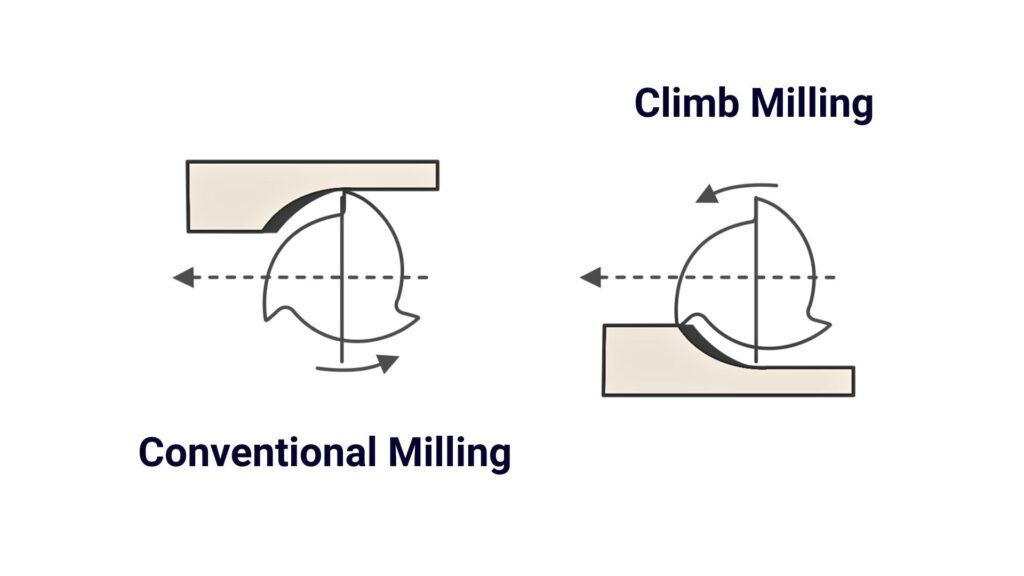
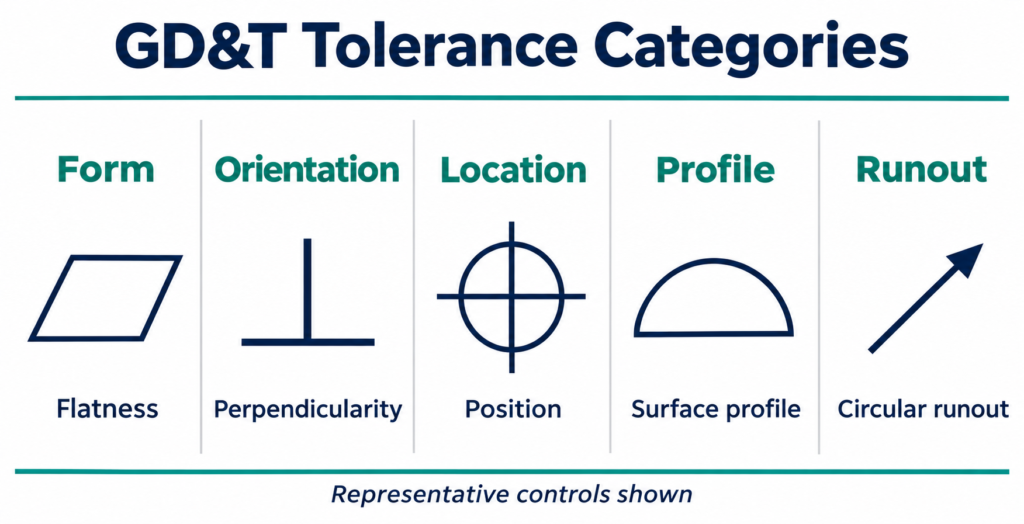
GD&T tolerance categories showing form, orientation, location, profile, and runout with representative symbols

GD&T Symbols Explained: Meanings, Charts, and Drawing Examples

GD&T symbols tell you how much a part’s geometry can vary while still meeting its design requirements. These symbols help you communicate requirements for shape, alignment, and location on engineering drawings. This guide explains their meanings and shows you how to read them through a reference chart and practical drawing examples.

GD&T Symbols Explained: Meanings, Charts, and Drawing Examples Read More »

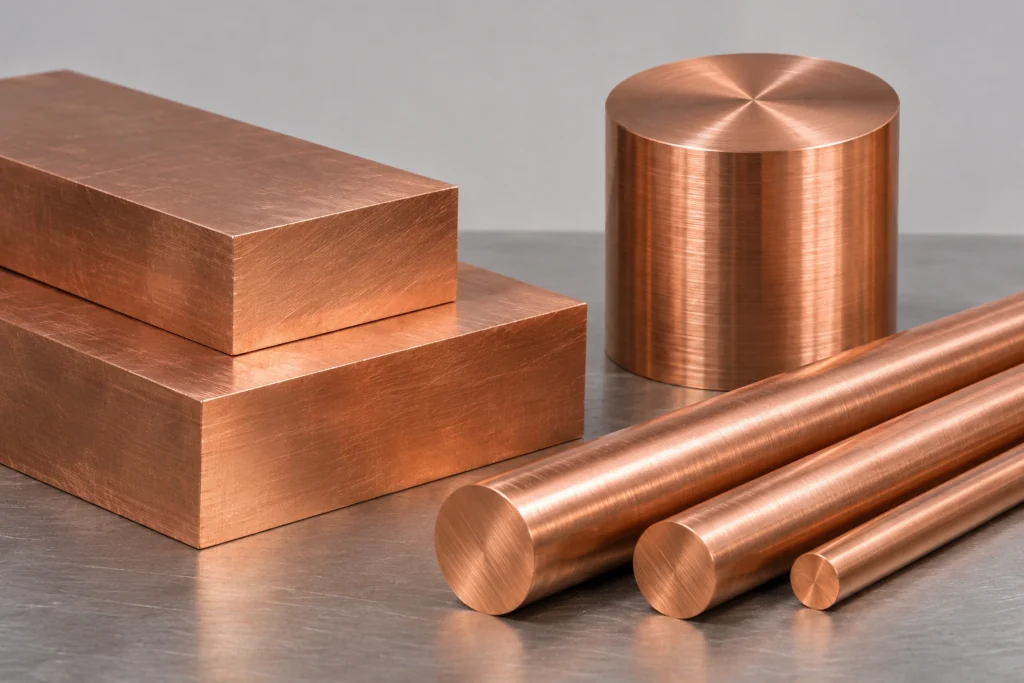
Copper billets and rods illustrating solid copper material

Density of Copper: Properties, Grade Comparison, and Measurement

Copper is widely used in electrical, thermal, and industrial components. At room temperature, the density of copper is approximately 8.96 g/cm³ (8,960 kg/m³). You can use this value to estimate CNC part weight and the mass of material needed for machining. This guide explains copper density units, compares common grades and metals, and shows you how to measure density.

Density of Copper: Properties, Grade Comparison, and Measurement Read More »

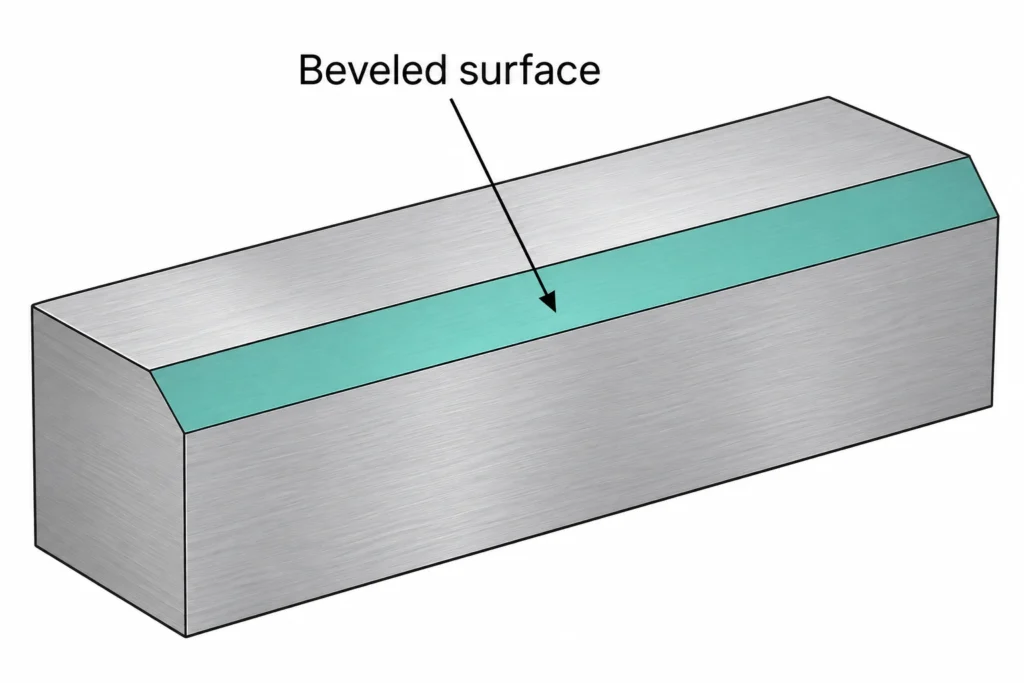
Beveled surface highlighted on an aluminum block

What Is a Bevel? Types, Engineering Uses, and Machining Guide

A beveled edge is a sloped surface along the edge of a part. You can use it to prepare a weld joint, guide parts during assembly, or form a cutting edge. Its angle and size depend on the function you need. This guide explains bevel types, their relationship to chamfers and fillets, and how you can specify, machine, and measure them.

What Is a Bevel? Types, Engineering Uses, and Machining Guide Read More »

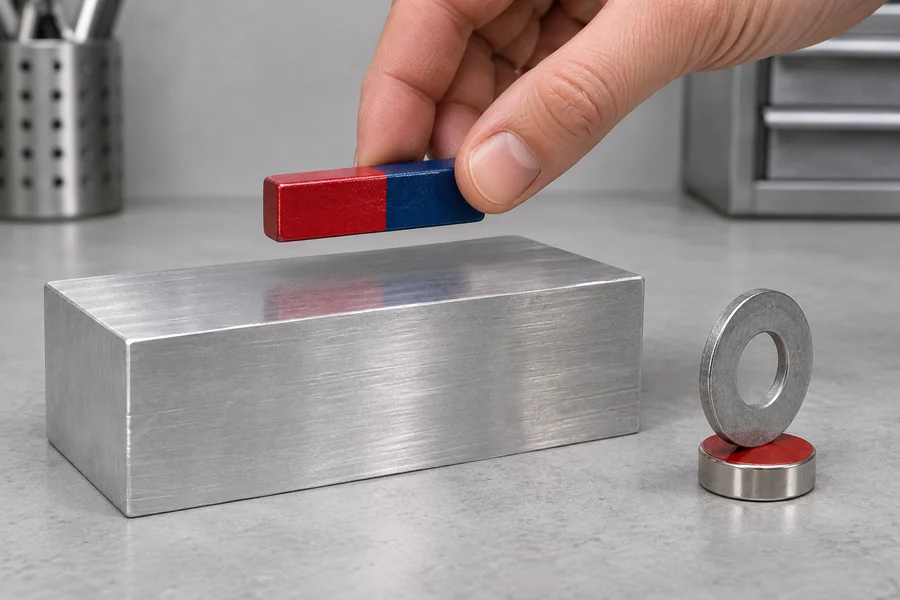
Magnet held above an aluminum block beside a magnetic steel washer

Is Aluminum Magnetic? A Guide to Its Magnetic Properties

Aluminum is widely used in everyday products and industrial parts, but is aluminum magnetic? If you hold a regular magnet against it, it won’t stick. Unlike iron, aluminum is only weakly paramagnetic, so its attraction to a magnetic field is usually too small for you to notice. This guide explains why aluminum behaves this way and what it means for your material choices and applications.

Is Aluminum Magnetic? A Guide to Its Magnetic Properties Read More »

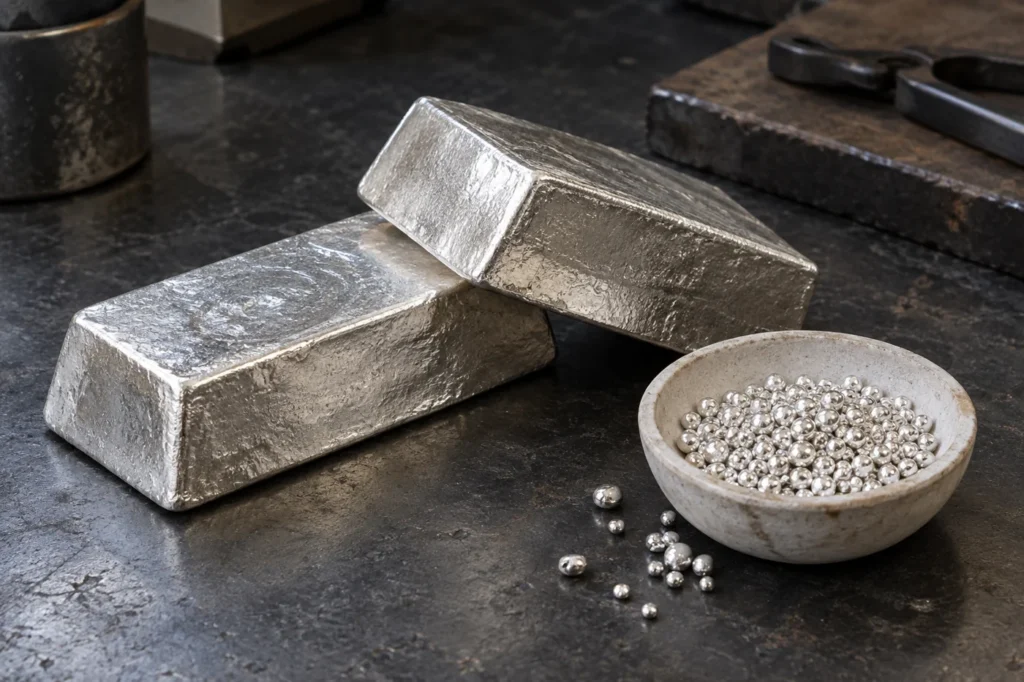
Silver ingots and silver granules in a ceramic dish on a workbench.

Melting Point of Silver: Temperatures, Alloys, and Melting Guide

Silver is a common precious metal widely used in jewelry and electronics. This guide introduces you to the melting point of silver across different types and alloys, the factors that affect it, and the silver-melting process, helping you understand the role of temperature control in casting, joining, and recycling.

Melting Point of Silver: Temperatures, Alloys, and Melting Guide Read More »

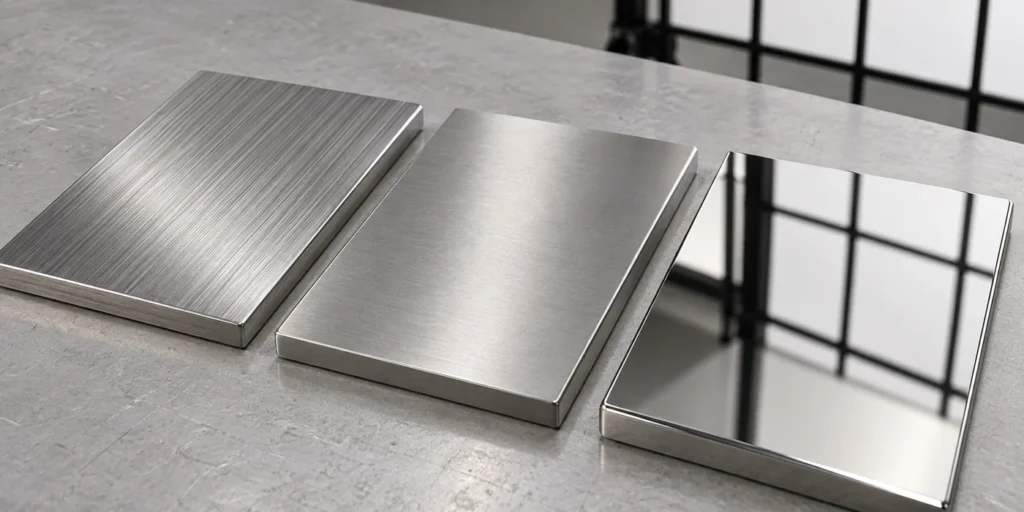
Illustration of brushed, satin, and mirror stainless steel finishes

How to Polish Stainless Steel: Steps, Tools, and Finishes

You’ll find stainless steel everywhere, from kitchen utensils and home appliances to medical instruments and aircraft components. Over time, though, it can lose its shine. How can you make it look new again? Polishing can help restore its appearance. In this guide, you’ll learn how to polish stainless steel and what you need at each step.

How to Polish Stainless Steel: Steps, Tools, and Finishes Read More »

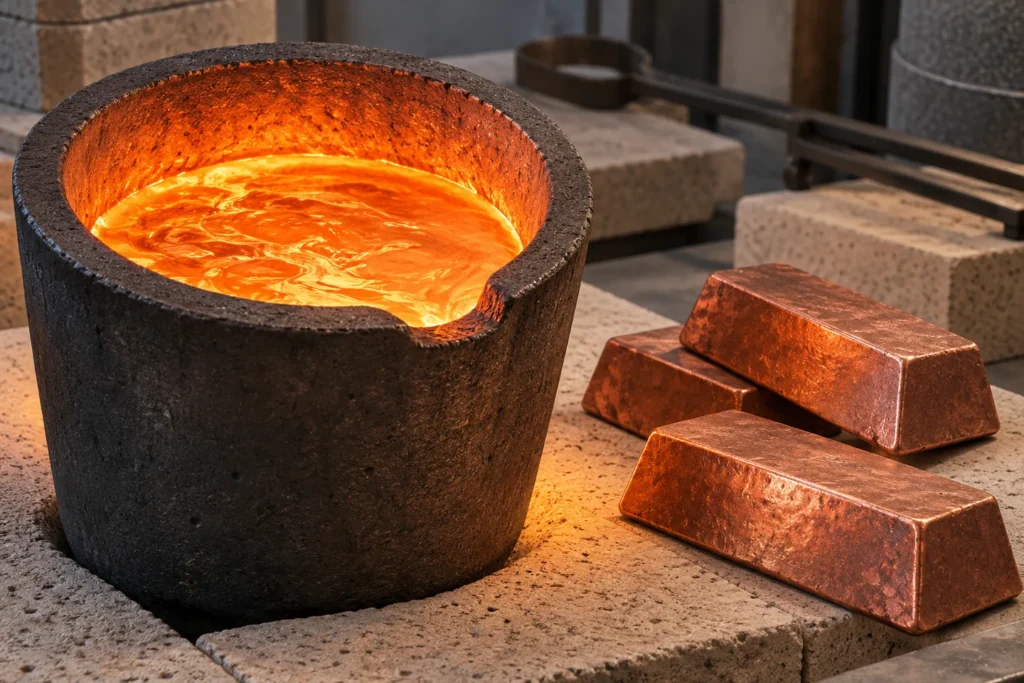
Illustration of molten copper in a crucible beside solid copper ingots

Melting Point of Copper: Temperature and Manufacturing Guide

Copper melts at 1,084.62°C (1,984.32°F), usually rounded to 1,085°C. Brass, bronze, and other copper alloys have different melting ranges depending on their composition. Knowing the melting temperature of your copper grade helps you choose suitable processing conditions for casting, welding, and other manufacturing operations.

Melting Point of Copper: Temperature and Manufacturing Guide Read More »

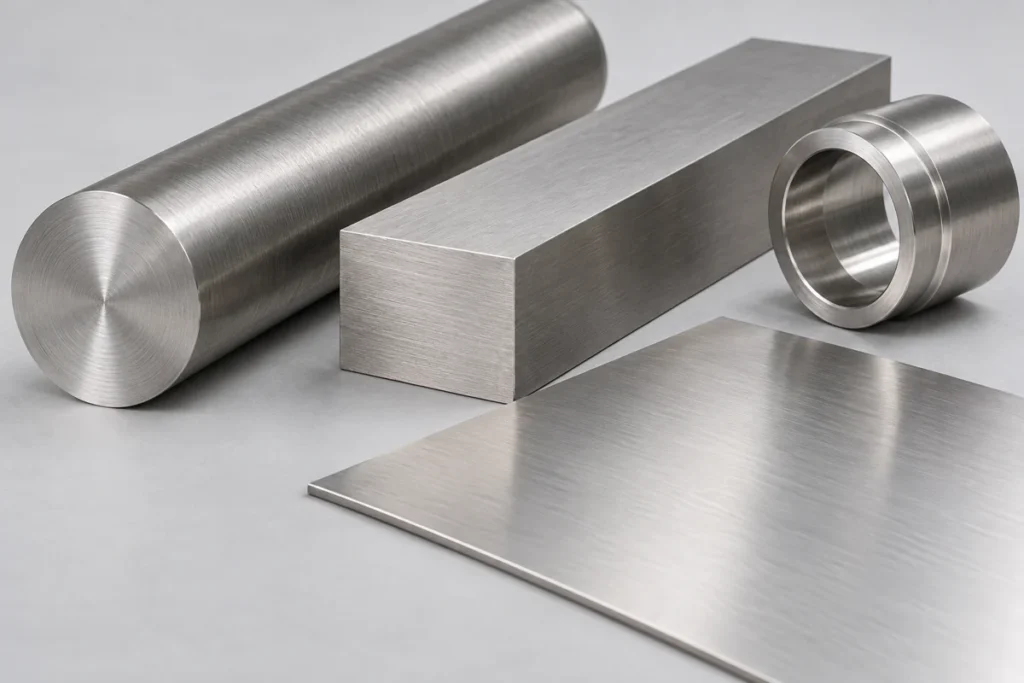
304 stainless steel bar, billet, sheet and turned sleeve

304 Stainless Steel Properties: Types, Composition, and Uses

When you assess 304 stainless steel properties, you’re evaluating an austenitic chromium-nickel alloy with good corrosion resistance, toughness, formability, and weldability. For your CNC parts, it offers a versatile material choice, although work hardening and chloride exposure can limit its suitability. Material condition determines the strength and hardness you receive.

304 Stainless Steel Properties: Types, Composition, and Uses Read More »

Request a Quote

Upload your CAD files and receive a quotation within 12 business hours.