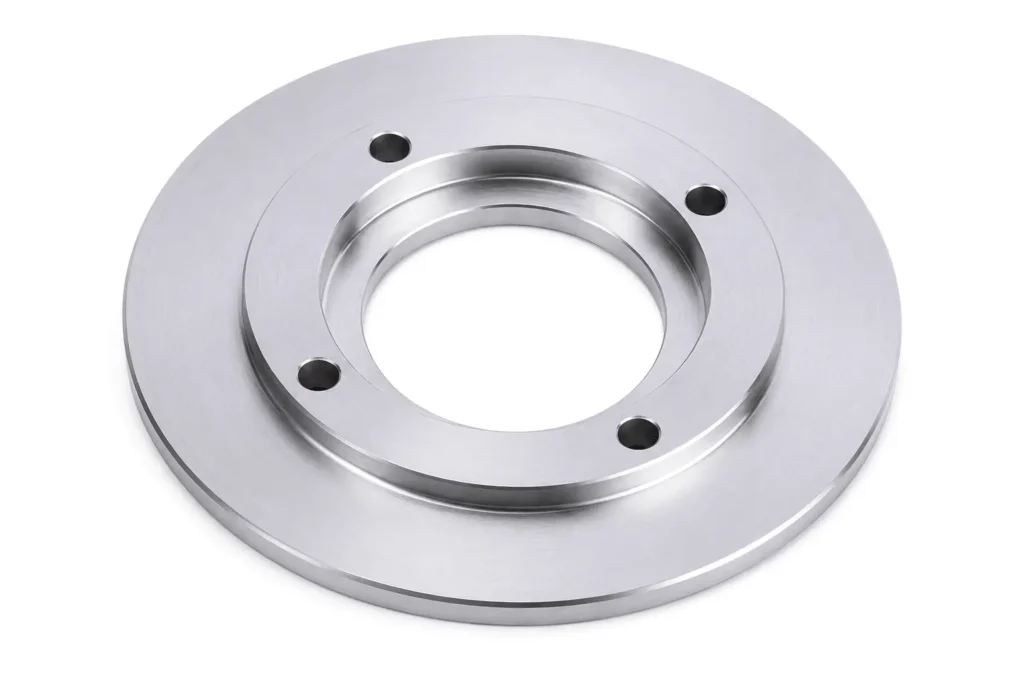
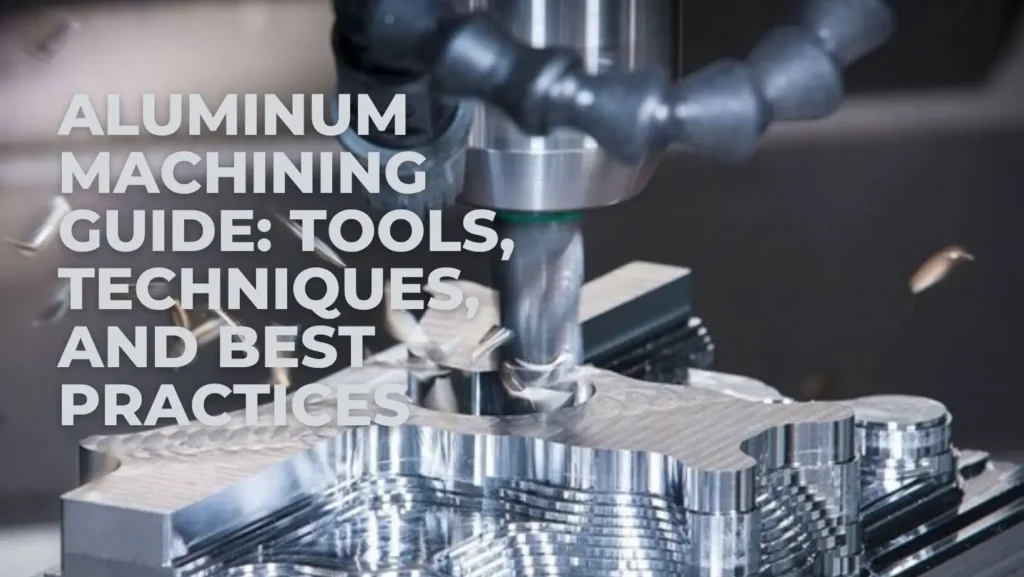
Aluminum machining is widely used for aerospace, automotive, electronics, robotics, and industrial components because the material combines low weight, corrosion resistance, and good machinability. However, reliable aluminum CNC machining still requires the correct alloy, cutting tool, feeds and speeds, coolant strategy, and chip-control method.
An aluminum machining guide is the first step to finding the right manufacturer for your job. Aluminum machining includes cutting, milling, drilling, and forming aluminum stock to produce parts. Aluminum has a high strength-to-weight ratio. This makes it an excellent choice for light, yet strong parts.
Aluminum has good machinability and is easy to cut, but it can stick if it’s too hot. If the speed is too high or the feed is too low, the material will begin to soften and stick.
This aluminum machining guide helps engineers understand how machining works to achieve the best-quality parts at reasonable costs.
Read more to learn how and why in this article.
- Understanding of the aluminum machining process and its popularity. ● Top aluminum alloys and how to select the right one.
- Important formulas, speeds, and settings.
- Methods to avoid stickiness and enhance finish.
- How to save money and select a service.
Aluminum Machining? Understanding the Core Process
It is the process of removing material from a chunk of aluminum with fast-moving cutting tools. It is used because aluminum has a low density (2.7 g/cm³). This is beneficial in aluminium fabrication as weight is important.
Aluminum is Ideal for CNC Fabrication
Aluminum is an easy material to machine on a CNC. Aluminum can be cut at high speed. Its chip formation is predictable. It is also easy to work with carbide cutting tools. And you can anodize, paint, and polish finished aluminum parts.
Aluminum CNC machining is more affordable per hour and faster than titanium or stainless steel machining. It is used for its heat transfer properties and its resistance to corrosion. Aluminum is also a good conductor of heat. This helps it to stay cool when being cut. This allows for high-speed production.
Pro Tip: When quoting your customers, it is important to consider the cycle time, not just material cost. Aluminum is 3-5 times faster to cut than an equivalent thickness of steel, and so can reduce the cost per piece.
Best Aluminum Alloys for CNC Machining: A Series Comparison
Aluminum is not a single material. It is available in hundreds of alloys, each with varying strengths, machinabilities, and weldabilities. Your choice of alloy changes the aluminum machining cost per hour. For CNC machining, a few alloys dominate. Choosing the wrong one at the design stage increases cost, tool wear, and lead time.
The 6000 Series: The Workhorse (6061-T6)
The most common aluminum alloy used in CNC machining is 6061-T6. It offers the best aluminum alloys for CNC machining performance. It is easy to weld and very durable. It machines cleanly, holds tight tolerances, and welds without issue. It has a yield strength of 276 MPa. For general-purpose parts, enclosures, brackets, and frames, 6061 is the default choice.

The 7000 Series: Aerospace Applications (7075-T6)
7075 is as strong as some steels. It is great for high-stress parts. However, it is harder to weld and costs more. 7075-T6 provides a yield strength of 503 MPa. It is used as the material for high-stress aerospace and defence components.
Specialized Alloys: When to Use 2024, 5052, and Cast Tooling Plate
This quick aluminum machining guide helps to select the appropriate alloy by strength, machinability, and application requirements.
| Alloy | Machinability | Best For | Weldability | Yield Strength (MPa) |
| 6061-T6 | Excellent | General-purpose, structural parts | High | 276 |
| 7075-T6 | Good | Aerospace, high-stress components | Low | 503 |
| 2024 | Moderate | Aircraft fatigue-critical parts | Poor | 345 |
| 5052 | Good | Sheet metal, marine fabrication | Superior | 193 |
The Aluminum Machining Process: A Complete Step-by-Step Workflow
A successful aluminum machining process starts well before the first cut. Every step has a direct impact on quality, cost, and lead time.
1. From CAD Design to CNC Programming
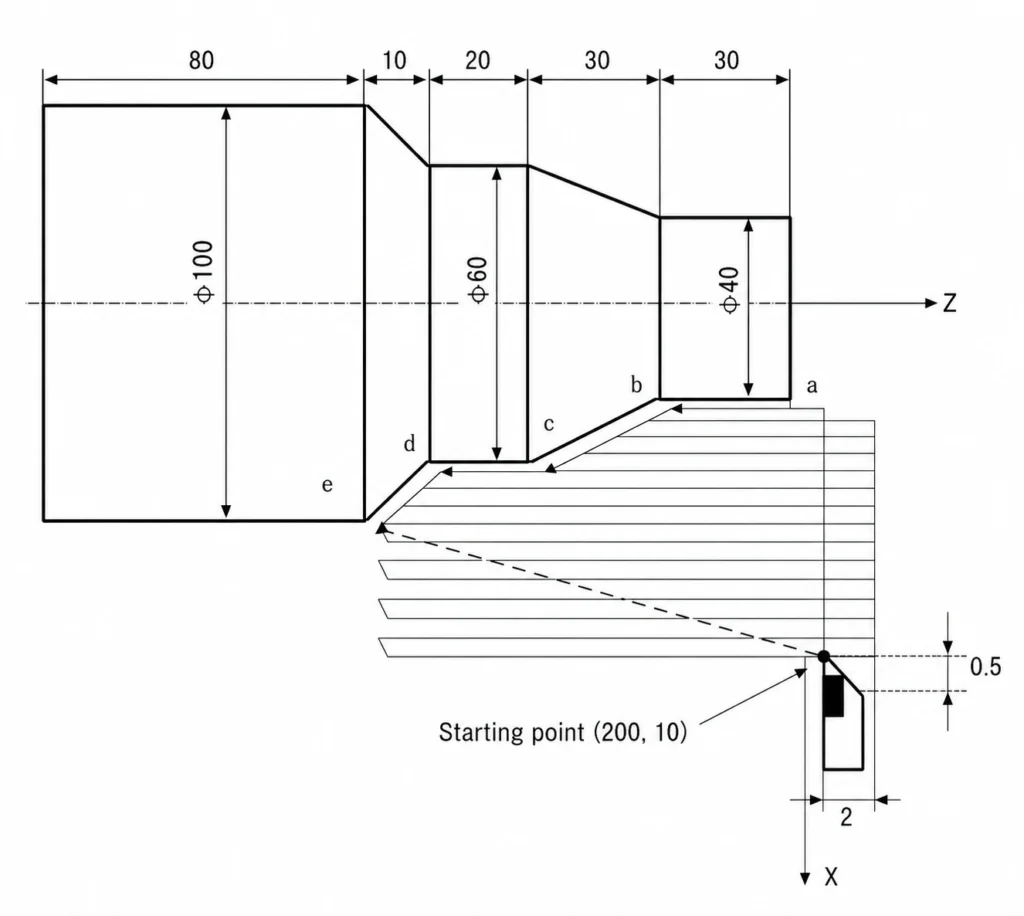
Machining of aluminum starts with a high-precision CAD model that is translated to CAM toolpaths. The process involves engineers defining cutting strategies, tolerances, and tool selection. The common G-codes used in CNC programs include G00 to make quick movements, G01 to make linear cuts, and M03 to activate the spindle.
2. Cutting, Milling & Drilling Operations
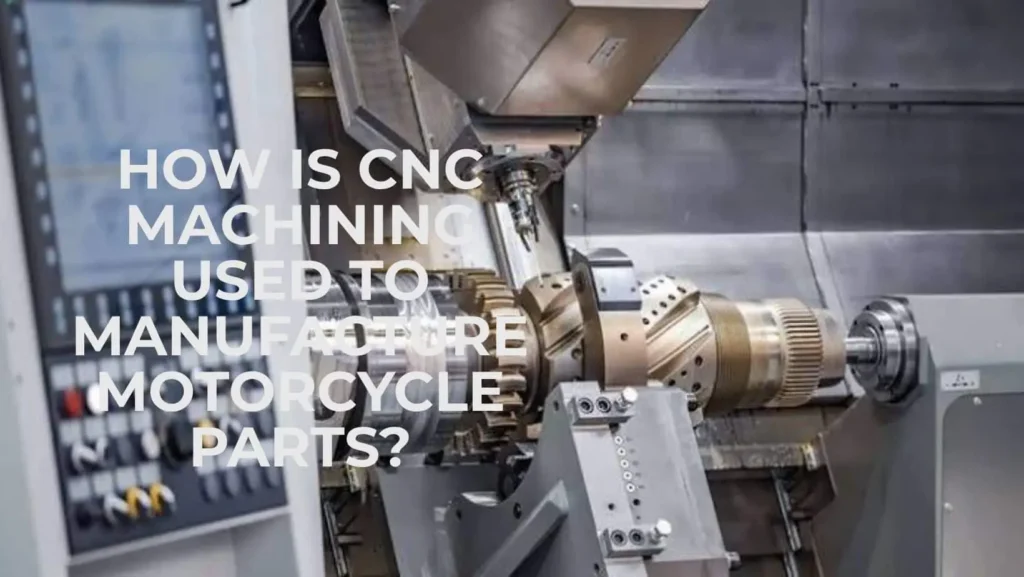
Machining starts with roughing to remove bulk material, followed by semi-finishing and finishing passes. Smooth cutting is ensured by high spindle speeds of 8,000-24,000 RPM and controlled feed rates. The depth of cut (DOC) and chip load should be optimized to avoid tool wear and to maintain an effective removal of material.
3. Finishing & Inspection
The last processes involve deburring, surface finishing, and dimensional inspection. Coordinate Measuring Machines (CMM) check tolerances to 0.01 mm. Coolant systems (M08) remove heat and eliminate chip welding. Regular parameter control ensures the achievement of high-quality machining of aluminum.
Engineering Parameters: Mastering Speeds, Feeds, and Formulas
In order to use an aluminum machining service, the shop has to employ the correct math. The following are the formulas that every engineer must be familiar with when dealing with aluminum.
Calculating Spindle Speed (RPM)
The RPM formula, based on cutting speed (SFM) and tool diameter, is: RPM = (SFM x 3.82) / D
Where D is the tool diameter in inches. SFM values of aluminum are usually between 500 and 1,500. For a 10 mm (0.39″) diameter carbide end mill cutting 6061, a target SFM of 700 gives the following:
RPM = (700 x 3.82) / 0.39 = approximately 6,857 RPM.
Optimizing Feed Rate & Chip Load
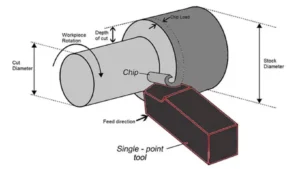
Feed rate controls chip thickness and has a direct impact on surface finish. A feed rate that is too low results in rubbing, heat build-up, and built-up edge (BUE). The formula is:
Feed Rate (mm/min) = RPM x N x Fz
Where N is the number of flutes, and Fz is the feed per tooth (chip load). For a 2-flute 6 mm end mill running at 15,000 RPM with a chip load of 0.05 mm/tooth:
Feed Rate = 15,000 x 2 x 0.05 = 1,500 mm/min. The Material Removal Rate (MRR) measures productivity:
MRR = Width of Cut x Depth of Cut x Feed Rate
The higher the MRR, the shorter the cycle time,e and the lower the cost per hour to machine aluminum.
Which One is the Best Tool for Machining Aluminum?
Choosing the right tool is a critical factor for aluminum CNC machining. An incorrect tool leads to chip welding, poor surface quality, and premature breakage. The right tool runs longer, cuts faster, and produces parts to spec consistently.
Geometry Matters: Why 2-Flute and 3-Flute End Mills
Don’t use 4-flute tools. Aluminum chips are large. They need room to exit. 4-flute tools clog and break. Use 2-flute or 3-flute end mills with high helix for chip control in aluminum machining.
Helix angle also matters. Use end mills with 35° to 45° helix angles. General 30° helix tools for steel are acceptable, but not ideal for aluminum machining.

Table 2: CNC Machining Parameters for Aluminum by Tool Diameter
Use these recommended CNC parameters as a starting point for machining aluminum with different tool sizes.
| Tool Diameter | RPM Range | Feed Rate (mm/min) | Depth of Cut | Flutes |
| 3 mm | 18,000–24,000 | 800–1,500 | 0.2–0.5 mm | 2 |
| 6 mm | 12,000–18,000 | 1,500–3,000 | 0.5–1.5 mm | 2–3 |
| 10 mm | 8,000–12,000 | 2,500–4,500 | 1–3 mm | 3 |
| 16 mm | 5,000–8,000 | 3,000–5,500 | 2–5 mm | 3 |
The 6061-T6, using carbide tooling and flood coolant, is guided by values. Adjust for machine rigidity and alloy hardness.
Advanced Coatings: ZrN and TiB₂
Conventional coatings such as TiAlN can actually stick to aluminum. Try Zirconium Nitride (ZrN) or Titanium Diboride (TiB₂). These stop the “built-up edge” when the metal adheres to the cutter.
Carbide vs. High-Speed Steel (HSS)
Carbide end mills are the preferred choice for almost all aluminum applications. They retain a sharp cutting edge, withstand higher cutting speeds, and don’t lose their geometry at high temperatures. HSS tools are cheaper upfront but wear faster, especially in high-volume production. Any aluminum machining shop producing over 50 parts per job should use carbide.
Best Aluminum Machining Techniques for High-Performance Shops
For quality, we apply the best aluminum machining techniques, such as high-speed machining (HSM).
High-Speed Machining (HSM) & Trochoidal Milling
High-speed machining involves spindle speeds greater than 15,000 RPM with shallow depths of cut and high feed rates. High-speed machining actually lowers cutting forces due to the chip thin-out effect. Trochoidal milling involves moving the tool in a circular trajectory while moving along the programmed toolpath. This maintains an engagement angle of 20-30° instead of 180° in slot milling.
The Impact of 5-Axis Machining
With 5-axis machining, we can produce complex custom aluminum machining services in a single operation. This increases accuracy and reduces the aluminum CNC machine price to make complex parts.
Industry Standards, Practices, & Quality Control
When buying precision aluminum parts, check for certifications.
- ISO 9001: Ensures a quality management system.
- ASTM B221: Standard for aluminum-alloy extruded bars and wires.
- Dimensional Accuracy: They use CMM (Coordinate Measuring Machines) to check tolerances. Standard tolerances are +/- 0.127 mm. We can hit +/- 0.01 mm for high-precision needs.
Sourcing Professional Aluminum Machining Services
If you’re looking for aluminum machining near me, you need to do a bit more than just search Google. You must look at the equipment.
Analyzing Aluminum CNC Machine Price vs. Quality
Can CNC machines cut aluminum efficiently? Yes, but only if they have the right spindle. An aluminum CNC machine price is higher if it has a 15,000+ RPM spindle. Low-RPM machines will not perform and give poor finishes.
Conclusion
Aluminum is the future. It is 100% recyclable. This makes aluminum fabrication a green choice for modern companies. Regardless of whether you require custom aluminum machining or large-volume CNC aluminum parts production, these best practices will keep your project within budget and on schedule. Aluminum can be readily machined. It all depends on proper tools, high speeds, and smart G-code.
Final Checklist for Success
- Select the right alloy: Use 6061 for most parts.
- Watch the flutes: Use 2 or 3 flutes to avoid clogging.
- Calculate RPM: Use high speeds to prevent sticking.
- Use Coolant: Aluminum needs lubrication to stay cool.
- Specify tolerance class: standard (±0.005) or precision (±0.0002).
Get a High-Precision Quote for Your Aluminum Project
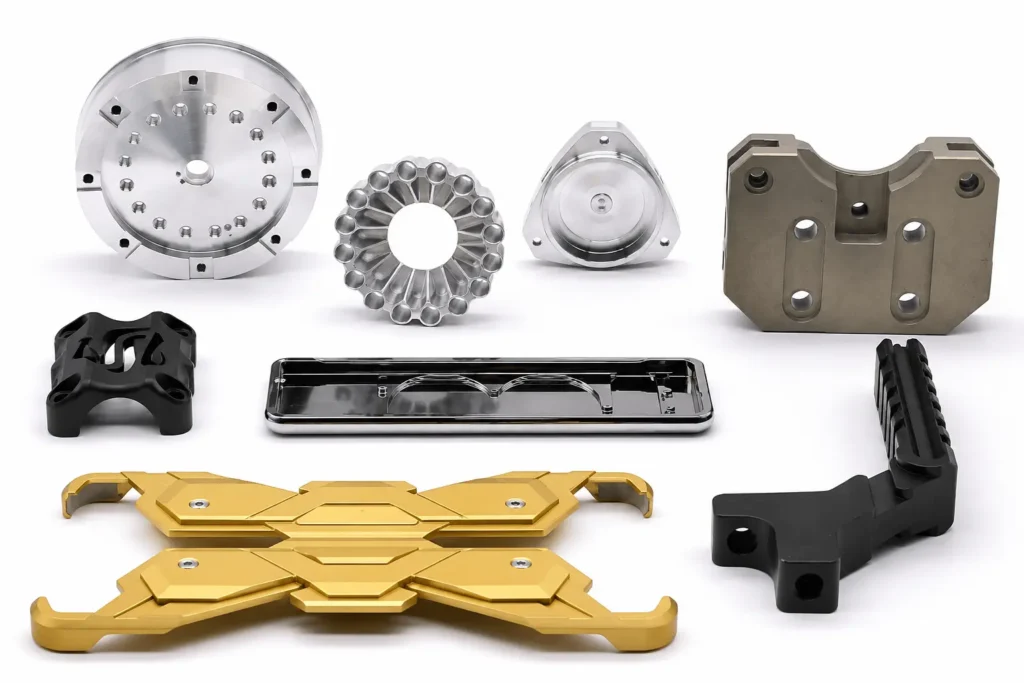
Aluminum grade, part geometry, wall thickness, tolerances, and surface finish all influence the final machining plan. YD Rapid produces custom aluminum components for prototypes and low-volume production based on your drawings and application requirements.

Frequently Asked Questions
Which is the optimal tool to use in machining aluminum?
Employ 2 or 3-flute carbide end mills with polished flutes. These give the required space to effectively evacuate the chips.
How do you prevent aluminum from sticking to tools?
High spindle speeds, correct coolant, and special finishes such as ZrN prevent welding of material to the cutter.
Can CNC machines cut aluminum efficiently?
Yes, aluminum machines are 3 to 5 times faster than steel. The use of high-speed spindles and sharp tools maximizes productivity and minimizes costs.
Can CNC Machines Cut Aluminum Efficiently for Large-Scale Production?
Yes. When properly configured, CNC machines cut aluminum with ease on a large scale. An integrated system of high-speed spindles, carbide tooling, ZrN coating, trochoidal toolpaths, and HPC coolant systems is used to provide fast cycle times and consistent quality on thousands of parts.
Which RPM is most suitable for CNC machining of aluminum?
The optimum RPMs are high, usually between 8,000 and 24,000, depending on the tool diameter, in order to provide clean and fast cuts.
How Thin Can Aluminum Be Machined?
Buyers often ask this question. With vacuum tables, we can reach 0.5 mm (0.020″). It is better to stay above 1.0 mm to prevent warping.