
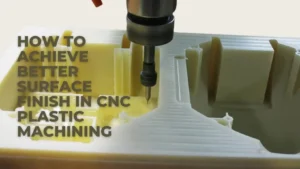
How to Achieve Better Surface Finish in CNC Plastic Machining
Surface finishing is one of the most critical factors in measuring the quality of parts in modern manufacturing. A plastic
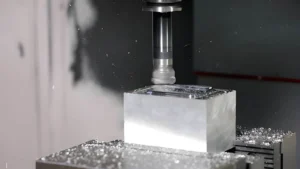
Milling vs Drilling: Differences in Tools, Operations, Accuracy, and Applications
In this article, we’ll compare milling and drilling by looking at their cutting tools, machining methods, achievable accuracy, production capabilities, and the types of features each process is designed to produce.
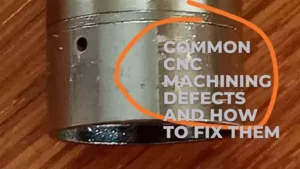
Common CNC Machining Defects and How to Fix Them
CNC machining is the computer-controlled manufacturing process for making parts. This process is useful for companies that need to cut metal and plastic quickly and with great detail. However, sometimes these errors occur during the cutting process. Errors in the production of CNC parts are referred to as CNC machining defects. This can ruin a whole batch of parts in just a few minutes.
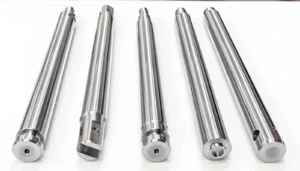
Polished Stainless Steel for CNC Parts: Finishes, Benefits, and Design Considerations
A drawing that specifies “polished stainless steel” still leaves several manufacturing questions unanswered. The machinist needs to know which surfaces require polishing, the finish grade, the allowable surface roughness, and whether the finish serves a functional purpose, a cosmetic purpose, or both.
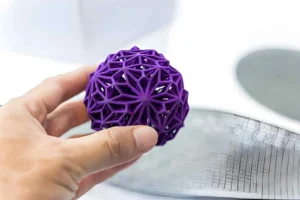
How to Manufacture a Product in China: From Prototype to Production
This guide walks through the complete process of manufacturing a product in China, from prototype development to production, while highlighting the key decisions that help improve quality, control costs, and avoid common manufacturing mistakes.

Anodized Aluminum Colors: Color Options, Matching, Fading, and Design Considerations
A color chart is only the starting point when selecting an anodized finish. The finished color is developed during anodizing, so the same specification may not produce the same appearance on every aluminum part.
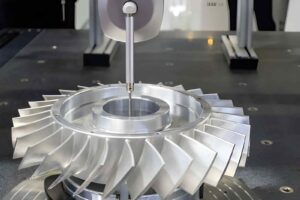
Aerospace CNC Machining Tolerances: Materials, Quality Control, and Inspection Requirements
Aerospace CNC machining tolerances specify how much each machined feature is allowed to vary. Not every feature of an aerospace part uses the same tolerance, as each services and supports a different function.

Does Stainless Steel Tarnish? Causes, Prevention, and Surface Finish Solutions
A stainless steel part can leave production with a bright surface and still look different after months of service. Heat from welding may leave coloured oxide layers. Salt deposits can form brown staining near joints and fasteners.
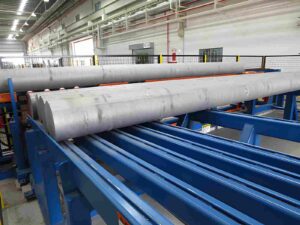
What Is an Aluminum Billet? Types, Properties & Uses in CNC Machining
Every machined aluminum part starts with a piece of stock material. In many CNC machining projects, that stock is an aluminum billet. The billet is cut to size first, then milling, turning, drilling, and other machining operations shape it into the finished component.
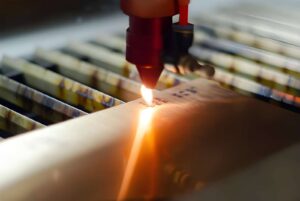
CNC Engraving Vs Laser Engraving for Metal Parts: Depth, Precision, Cost, and Durability
Custom machined parts often need permanent markings during manufacturing, assembly, and their intended service. These markings can include part numbers, serial numbers, logos, reference scales, and identification codes used for tracking and inspection.
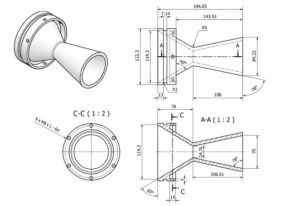
GD&T for CNC Machining: Symbols, Tolerances, and Practical Drawing Examples
A CNC machined part is not defined only by its length, width, and hole sizes. Features such as mounting holes, sealing surfaces, bearing seats, and alignment faces often need to maintain a specific relationship with each other.
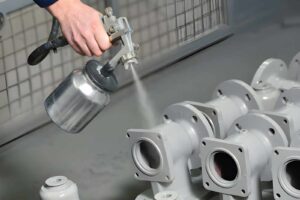
Powder Coating vs Paint for Metal Parts: Durability, Cost, and Finish Comparison
Powder coating vs paint protect metal surfaces in different ways. Both methods follow their own preparation, application, curing, inspection, and repair procedures.