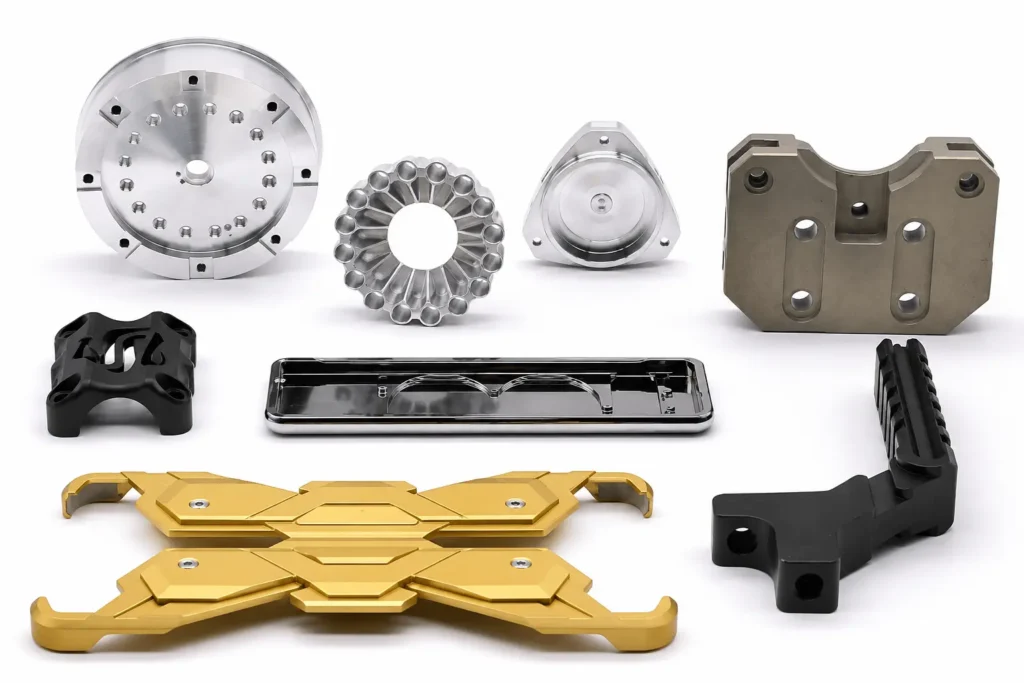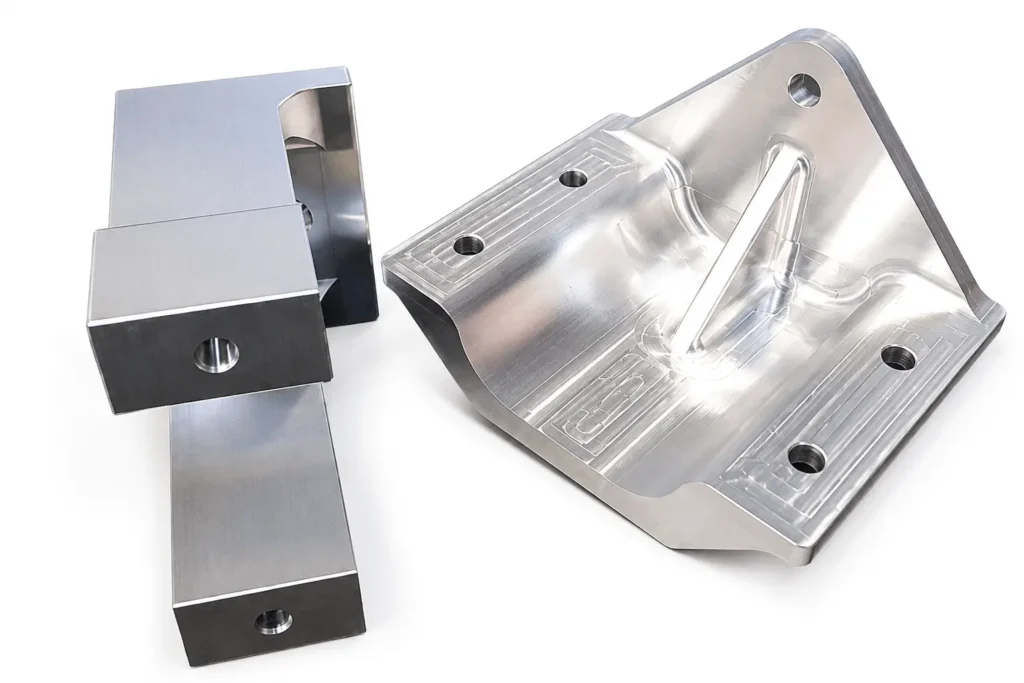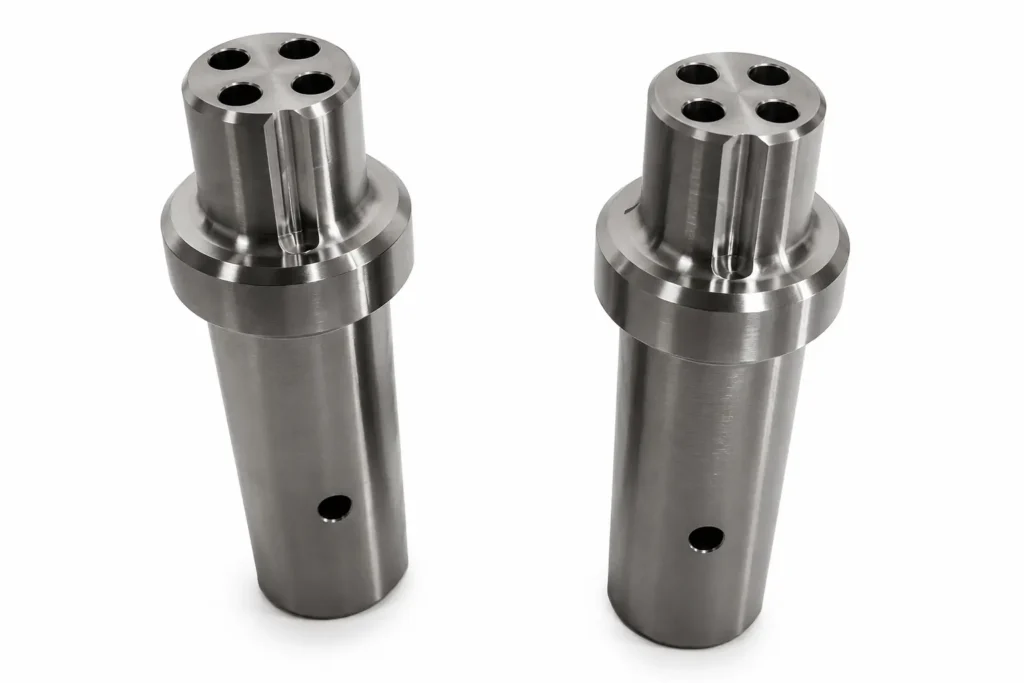
Titanium is a popular metal that is widely used due to its strength, durability, and non-corrosive properties. It is used by firms in manufacturing airplane parts, surgical equipment, sports car components, and advanced machinery. Many designers and purchasers prefer titanium due to its longevity and reliable performance.
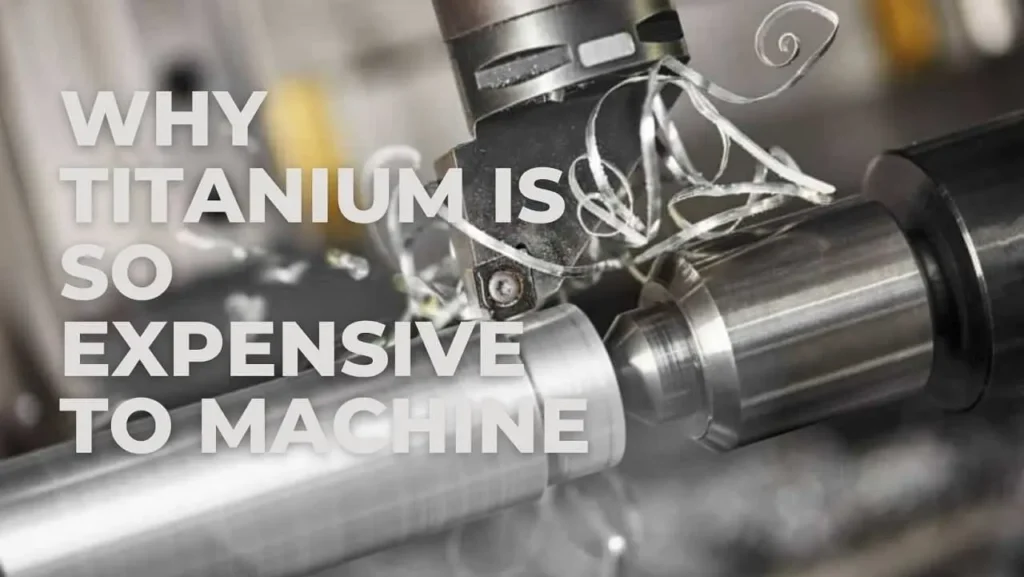
Why is titanium expensive to machine? The cutting operation is responsible for the high costs associated with machining titanium. Titanium is very difficult to work with, producing lots of heat and tool wear at a very rapid rate. This raises titanium machining costs and makes production processes slow down considerably.
You will need a state-of-the-art titanium CNC machining machine, specialized tools, and plenty of time. This article will focus on the mechanical aspects of the machining process and how you can budget accordingly.
Key Takeaways for Buyers
- Titanium creates extreme heat that kills tools fast.
- You must use the best titanium coolant requirements to save the parts.
- Slow speeds lead to higher CNC costs titanium.
- Raw material is hard to make, which adds to the titanium machining cost.
Why Is Titanium Hard to Cut?
Most manufacturers wonder why titanium is difficult to machine. However, the reasons are due to the strength of the metal, heat generation, and the cutting forces exerted on the material during processing.
Material Strength and Heat Resistance
Titanium has a great strength-to-weight ratio. The metal maintains its strength even at elevated temperatures. This causes problems for cutting since more pressure will be exerted on the metal. Heat tends to be localized in the vicinity of the cutter during machining.
Low Thermal Conductivity
Titanium does not move heat away as quickly as aluminum does. A large portion of the heat remains at the cutting edge. This causes the cutting tool to be hotter and to wear more. The coolant system can be used to lower the temperature in the process of CNC titanium processing.
Tool Wear and Edge Failure
Titanium cutting is a common problem in tool wear. The cutting edge may become chipped, cracked or dull quite rapidly. The best tools for machining titanium include coated carbide inserts and robust cutting tools, which are required in shops. This costs more in production as the tools are replaced regularly.
Chip Control Problems
When cutting, titanium chips may be left in the cutting tool. The problem is known as chip welding. It can damage the tool and cause rough surfaces on parts. Unstable cutting and vibration are also caused by poor chip control.
Common machining problems include
- High cutting temperatures
- Heavy tool pressure
- Fast edge wear
- Surface damage risks
How Does Titanium Machining Increase CNC Costs?
The machining cost of titanium is much higher than the cost for normal steel machining or aluminum machining. There are numerous reasons to make CNC projects more expensive when it comes to titanium.
Longer Machining Cycles
The cutting speed must be reduced for titanium to prevent damage to the tool. The longer it takes the machine to cut, the slower it is going. A task that can be done in one hour with aluminum could require many hours of time with titanium.
Higher Tool Consumption
The life of the tools in the CNC titanium machining process is short. A more frequent replacement of inserts and cutters in industries. This adds up the CNC costs titanium for tools for each project.
Increased Machine Load
It is harder to work with CNC machines than with other metals. Machines require sturdiness in their spindles, frames and setups. During the cutting process, weak machines may vibrate or fail.
Scrap & Rework Risks
The tolerances of titanium parts are frequently very close. Small mistakes could destroy the whole part. Scrap and rework boost the cost of manufacturing titanium parts, while wasting valuable material.
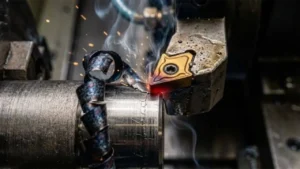
How Do Tooling and Equipment Impact the Titanium Machining Cost?
The price of titanium machining is largely dependent on the quality of the tooling and the quality of the machines.
Specialized Cutting Tools
A reason why coated carbide tools are used in industries is that standard tools wear out quickly. Tools that are manufactured for the purpose of cutting titanium should be able to withstand high temperatures and pressure. In addition, many machinists also employ other titanium machining tips, such as using lower speeds and steady feed rates to extend the life of their tools.
Rigidity and Titanium Workholding
Titanium workholding is very important. The system needs to be stable while cutting. Heavy-duty clamps and rigid fixtures help minimize vibration and quality of surfaces. An accurate CNC machine is also one of the factors to maintain precision.
Machine Power and Torque
A high cutting force is required for titanium. The CNC titanium machining may be difficult on standard CNC machines due to their lack of power and torque. Hard cuts and increased part quality come with the increased costs of strong machines.
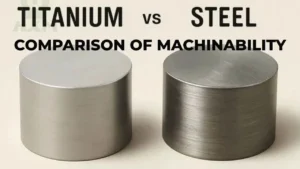
Table 1: Comparison of Machinability
This table compares why titanium is expensive to machine with respect to different metals like aluminum, steel, and titanium.
Material | Cutting Speed (SFM) | Tool Life Expectancy | Relative Cost Factor |
|---|---|---|---|
| Aluminum 6061 | 800 – 1500 | High | 1x |
| Stainless Steel 304 | 200 – 300 | Medium | 4x |
| Titanium Grade 5 | 50 – 150 | Low | 10x – 15x |
Why Is The Raw Material Price For Custom Titanium Parts So High?
Before a machine ever touches the metal, the price is already high. Why is Titanium Expensive to Manufacture? It starts at the mine.
Extraction and Kroll Process
Titanium is not found as a pure metal. It is trapped in ore. Getting it out requires the Kroll process. This uses tons of heat and chemicals in a vacuum. It takes a lot of electricity. This is why people ask, “How much does 1 g of titanium cost?” While it is not a precious metal, the energy needed to make it makes it feel like one.
Comparison to Precious Metals
Many buyers ask: Is titanium more expensive than silver? Usually, no. Silver is a precious metal based on rarity. However, titanium is more expensive to turn into a finished part. Another common question is: Is titanium more expensive than platinum? No, platinum is far more costly. But in the world of industrial metals, titanium is king of the price hill.
Supply Chain Demand
Most titanium goes to planes. Aerospace grade titanium machining has very strict rules. Because the demand is so high for flights, the price stays high for everyone else. How aerospace titanium is processed involves many tests and certifications that add to the base price.
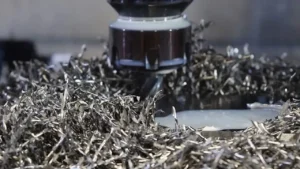
How To Machine Titanium Successfully While Controlling Various Factors?
Even though it is tough, it is important to know how to machine titanium successfully. It takes a mix of knowledge and experience.Successful titanium CNC machining depends on rigid workholding, sharp carbide tools, controlled cutting speeds, and uninterrupted coolant flow. These measures help limit heat buildup, slow tool wear, and maintain dimensional accuracy throughout the machining cycle.
Optimizing Feed Rates and Speeds
We use specific titanium machining tips like “climb milling.” This helps move the heat away from the part to keep a steady, heavy cut that prevents the metal from hardening.
Implementing High-Pressure Coolant
The best titanium coolant requirements involve high pressure. We blast the cutting zone with coolant at over 1,000 PSI. This washes away chips and keeps the temperature down. Without this, the titanium machining cost would double due to broken tools.
Designing for Manufacturability
If you are an engineer, avoid deep holes or very thin walls. This makes CNC titanium machining easier and lowers your custom titanium parts price.
Table 2: Titanium Machining Challenges & Solutions
This table explains common titanium problems, like extreme heat and vibration.
Challenge | Impact on Cost | Expert Solution |
|---|---|---|
| High Heat at Tip | Rapid Tool Failure | High-pressure coolant system |
| Material “Spring Back” | Inaccuracy | Sharp tools and rigid workholding |
| Slow Cycle Times | High Labor Cost | High-Efficiency Milling (HEM) |
Why Are Coolant and Heat Control Important in Titanium Machining?
Titanium traps heat at the tool’s edge instead of letting it escape. Without high-pressure coolant, the extreme temperature melts the tool and ruins the part. Proper cooling keeps the metal stable, protects expensive equipment, and ensures a smooth, precise finish.
We cannot overstate the need for the best titanium coolant requirements. Heat is the number one reason why titanium costs so much. Following these titanium machining tips is the only way to keep the surface smooth and the dimensions tight.
- Flood Coolant: This covers the whole area in liquid.
- Through-tool Coolant: The liquid comes out of the drill bit itself.
- Heat Reduction: This keeps the part from expanding and changing size.
- Chip Evacuation: Getting the hot metal bits out of the way fast.
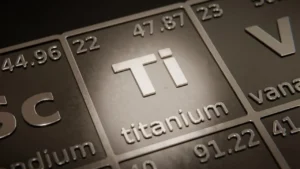
Why Is Titanium Expensive to Manufacture?
Titanium is costly because of the difficulties in refining the metal. The production process produces intense heat, which makes it necessary to use special equipment during production, which causes wear to any tools used in the process within minutes.
The titanium part manufacturing cost includes all the skills and equipment required to handle such an aggressive metal. Although titanium machining costs a lot of money, the outcome will be a component that cannot corrode and lasts forever. In summary, there are three main factors that determine titanium machining:
- Energy: High energy is required to extract the metal.
- Time: Cutting speed must be slow enough to prevent overheating.
- Risk: Any mistake may destroy the tool or scrap the entire piece of metal.
Conclusion
Learning why titanium costs so much to cut is key to planning your project. For people buying or designing parts, the trick is to balance how strong the metal is with how hard it is to work with. The big price tag comes from how tough the metal is and how it traps heat instead of letting it go.
By picking a manufacturer that knows titanium CNC work, you avoid slowdowns and bad parts. Focus on making your designs simple and picking the right titanium CNC experts to keep your total costs low.

Frequently Asked Questions
Is titanium more expensive than platinum?
No, platinum is much more expensive than titanium. While titanium is a strong, industrial metal, platinum is a rare “noble metal” used in jewelry. Platinum can cost over 100 times more per ounce than high-grade titanium.
What are the main titanium machining challenges?
Titanium is a “workhorse” metal that creates high heat during cutting. It doesn’t conduct heat well, so the tools get very hot. It also tends to “gall,” which means it sticks to the cutting tools and causes them to break.
How difficult is it to machine titanium?
It is quite difficult compared to aluminum or steel. You must use slower speeds, specialized sharp tools, and lots of high-pressure coolant. Because the metal is so tough, it wears down equipment quickly and requires very steady, rigid machines.
Why does titanium wear down tools so fast?
Titanium is chemically reactive. At high temperatures, it can actually bond with the material of the cutting tool. This causes “built-up edge,” where the metal chips weld themselves to the tool, dulling the sharp edges almost instantly.
Titanium machining costs depend on the alloy grade, part geometry, tolerance, surface finish, tooling requirements, and order quantity. Send us your drawings, 3D models, material specifications, and production requirements. Our engineering team will review the part and recommend a practical machining approach. Visit YD Rapid to discuss your custom titanium components.