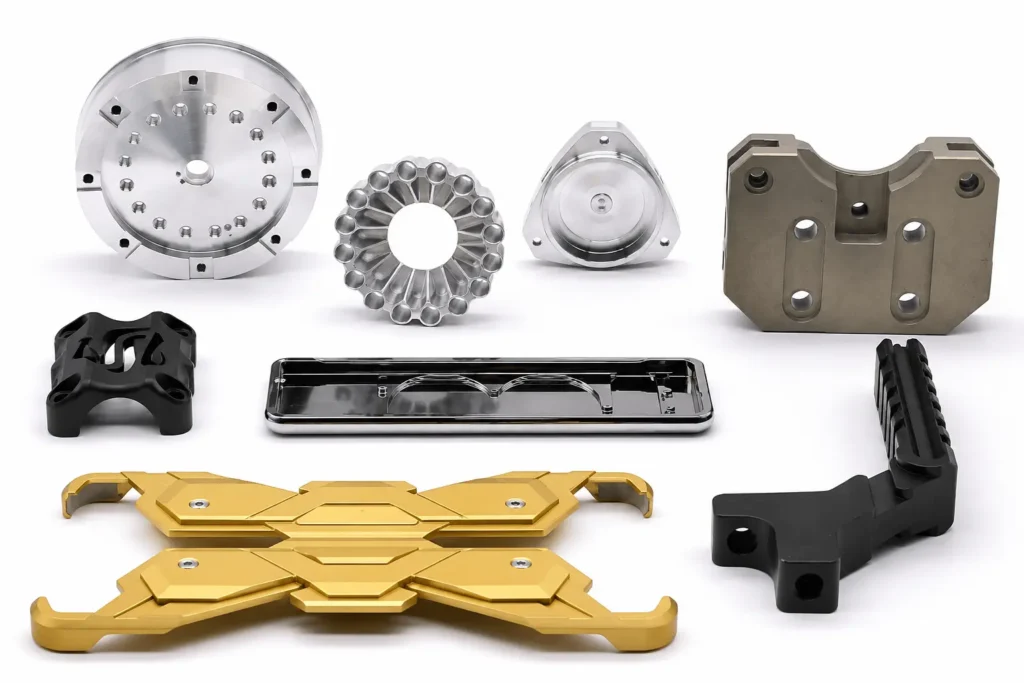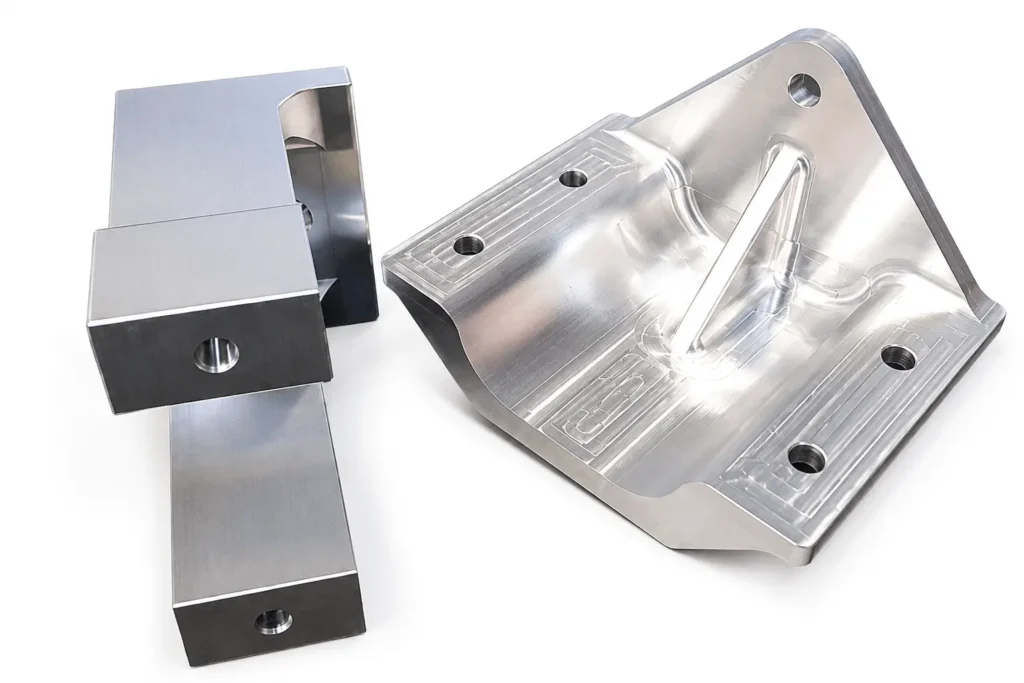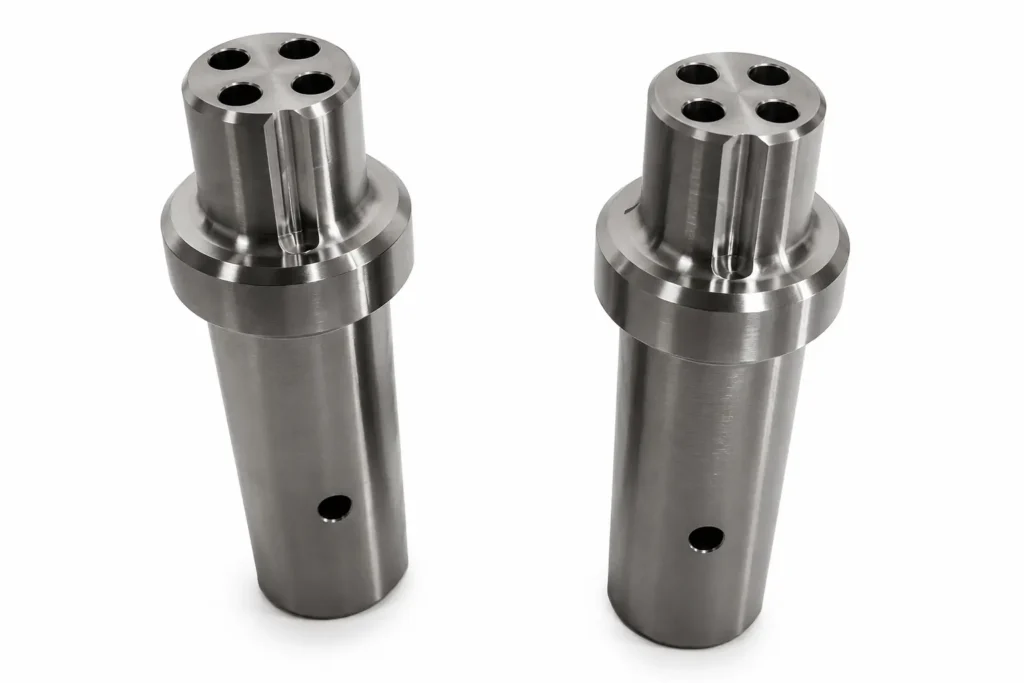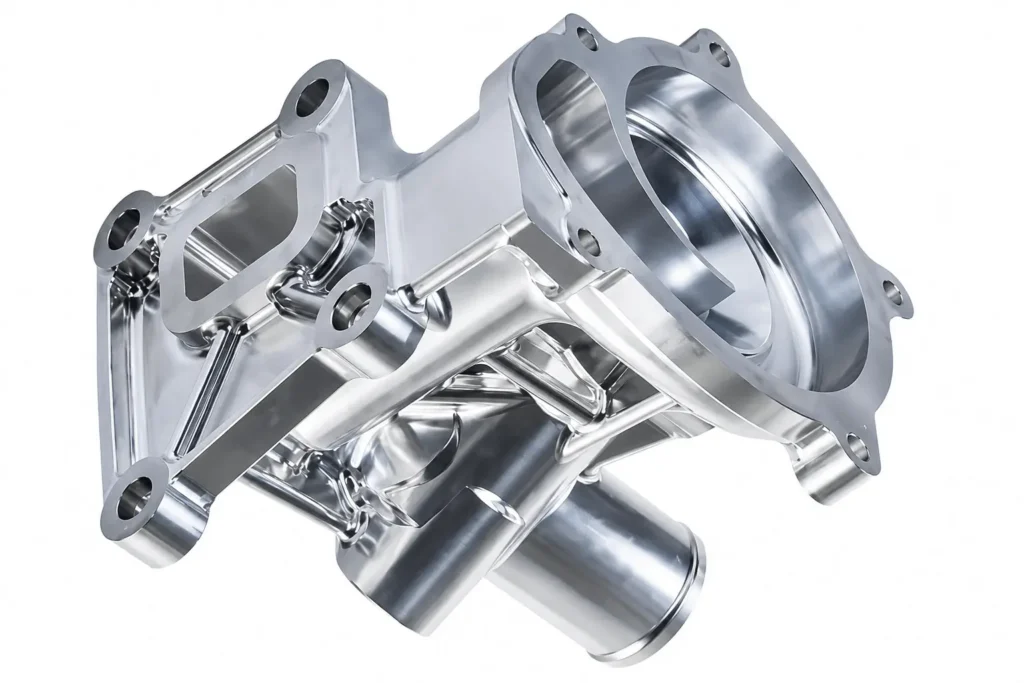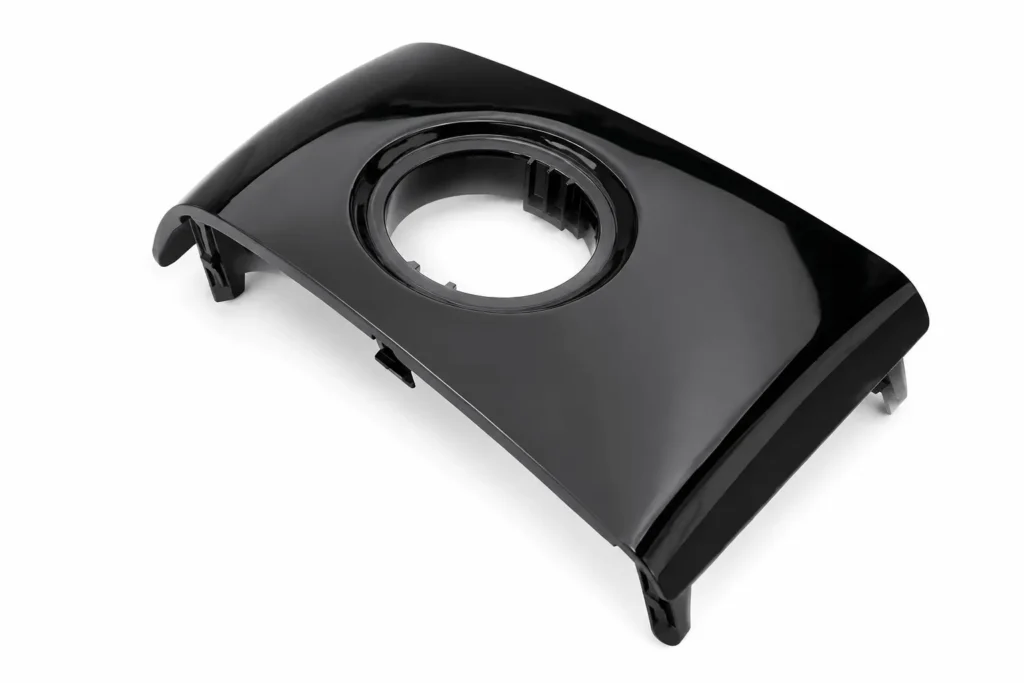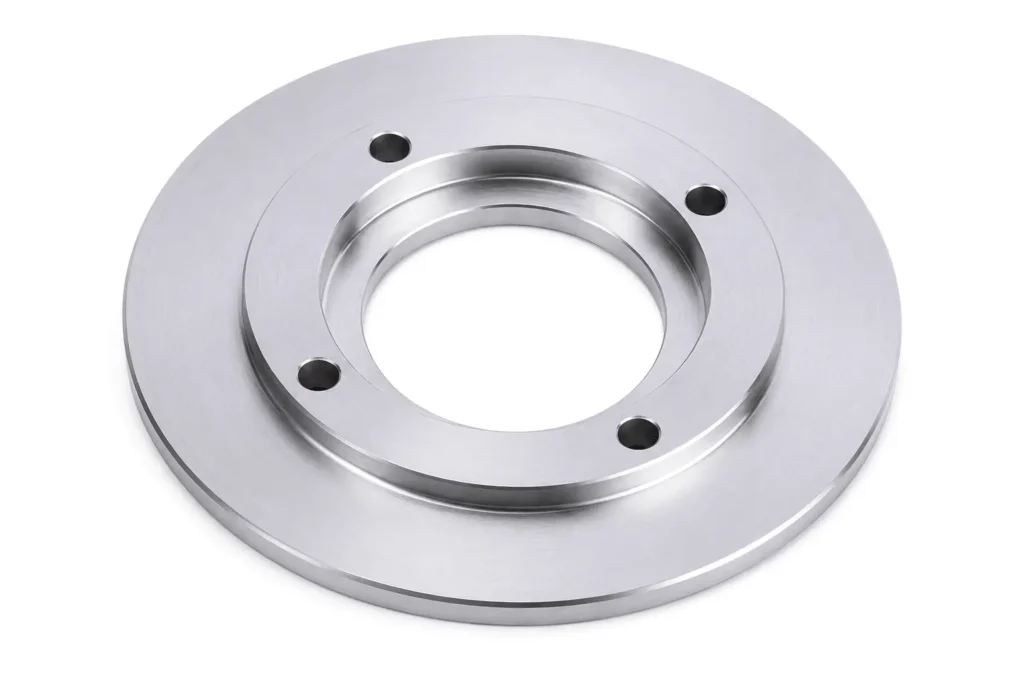
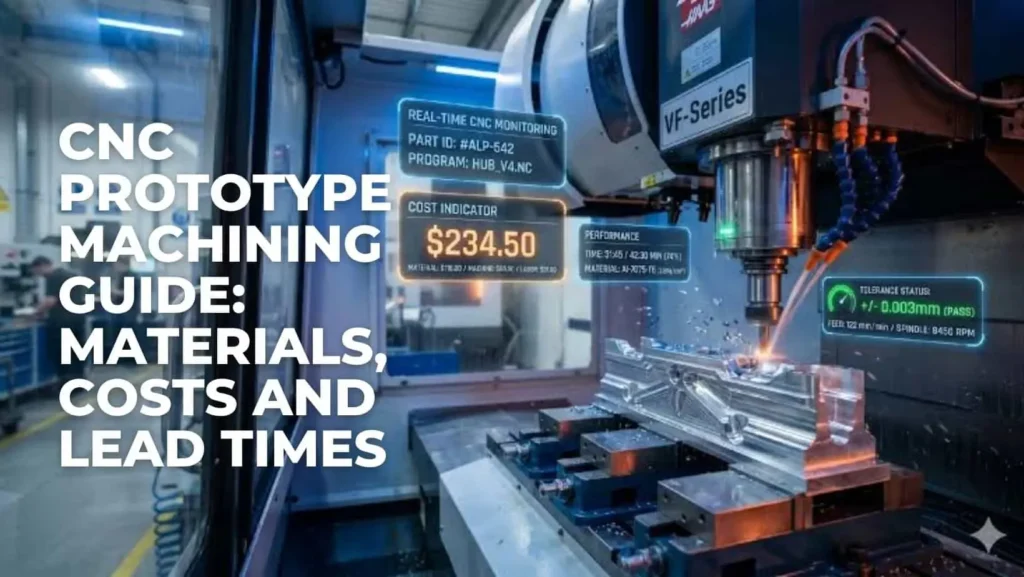
CNC prototype machining is used to produce functional parts directly from CAD models, allowing engineers to check dimensions, assembly, material performance, and design details before committing to production. Compared with appearance-only models, rapid prototyping with CNC machining can use production-grade metals and plastics while maintaining accurate tolerances.There are several factors to keep in mind while developing a new product. There are many aspects of creating the product, which include idea creation, drawing the product, and then creating a physical prototype of the part through the use of CNC prototype machining. For prototyping purposes, the machinery used in the production of prototypes will allow you to verify your design and concept prior to spending thousands of dollars to manufacture your entire production run.
If your product requires a light and clear appearance, then plastic CNC prototypes will be advisable for you. There are also some lead times for each of the CNC machining lead-time cases above. The reason is that due to the rare nature of some metals that will be used in making those parts, it may take weeks to procure them.
Key Takeaways
- This constitutes an effort aimed at making your product go through evaluation at a very fast pace, thereby cutting down chances of any mistake that may cost a lot.
- Selection of material is directly proportional to the performance properties of the item to be made, such as its strength, weight, and price.
- The complexity of a particular design implies that there are many tool paths to be generated, which would take more time in machining.
- The time taken by the CNC vice to make a particular part depends on the design of the part and the stock used in machining.
- If your design is good, then it will enable you to reduce costs while delivering your product at a much faster rate.
- There are many kinds of materials that have different performance properties; you can use both soft and hard materials.
What Is CNC Prototype Machining?
It is actually a simple process that makes use of a programmable computerized system to operate the tooling. The tools work to remove the material from the raw materials to produce the parts.
Definition and Working Principle
What is meant by CNC machining? CNC Machining can be defined as the use of CNC for subtractive manufacturing. Manufacturing starts with a blank or a bar of raw material, which is then machined by using high-speed cutting tools so that the unwanted material is cut off from the blank, as instructed through a CAD model made by computer programs. The CNC machine takes this data from the CAD model and converts it into numeric form so that the machine knows what cuts have to be made.
Why Are Different Materials Used in CNC Prototype Machining?
The strength of the part, its weight, and resistance to heat all depend on the material that the part is made of. Also, the material will influence the speed of cutting by the machines, hence impacting the price of the end product.
Table 1: Comparison of Common CNC Prototype Materials
| Material | Strength Level | Weight | Cost | Common Applications |
|---|---|---|---|---|
| Aluminum | Good | Light | Low to Medium | Prototype housings, frames, and machine parts |
| Stainless Steel | Very Strong | Heavy | Medium to High | Medical devices, industrial parts, and food equipment |
| Plastic (ABS, Nylon) | Moderate | Very Light | Low | Test models, covers, consumer products |
| Titanium | Extremely Strong | Light | High | Aerospace parts, medical implants, high-performance components |
| Brass | Strong | Medium | Medium | Fittings, connectors, decorative components |
How Does CNC Production Machining Differ From Prototyping?
The objective, volume, and setups are all different, but the core machine is the same.
Production Volume
Prototyping is the production of a limited number of components, typically 1-5. Production machining produces hundreds or thousands of parts over months or years.
Setup Requirements
A machinist makes quick work of setting up a simple clamp to make a single prototype. When a shop wants to produce lots of parts, they construct large fixtures to contain a large number of parts. This decreases the chance of human error and accelerates the process.
Cost Differences
Prototyping is expensive initially per part due to the fact that engineers may spend hours programming the machine for one part. During production, the cost of programming is distributed over thousands of parts, and each part is a lot cheaper.
Flexibility in Design
With prototyping, you can rapidly alter your design. When a part is rejected, you start making slight changes to the 3D model and print the new one the following day. Changing the design is an expensive and time-consuming process in production as it affects the whole production line.
Table 2: CNC Prototyping vs Production Machining
| Feature | CNC Prototyping | Production Machining |
|---|---|---|
| Part Volume | 1 to 10 pieces | 100 to 10,000+ pieces |
| Setup Cost | Low absolute cost, high per-part | High absolute cost, low per-part |
| Design Flexibility | Very high; changes are easy | Very low; changes are expensive |
| Lead Time | Very fast (days) | Slower setup, fast output later |
| Tooling Used | Standard, general cutters | Custom, high-speed fixtures |
Why Does CNC Prototyping Cost Vary?
The overall CNC prototype cost varies from project to project. There are numerous factors involved in CNC machining costs that can impact the final cost. Knowing these factors can influence the cost of the CNC prototype machine helps you keep it in budget.
- Type of material: Hard metals are more expensive than soft plastics.
- Geometry: The more complex the shapes, the more specialised the machines required and the slower the process.
- Surface finishes: Polishing, painting, or coating requires additional labour and charges.
- Batch size: 5 parts ordered will cost less than a single part ordered.
Material Selection
The price of raw materials fluctuates greatly. Titanium is much more expensive than aluminum or plastic. More difficult materials also accelerate the wear of cutting tools, increasing costs to you.
Part Complexity
The machine has to slow down if a part is very deep, has thin walls, or is curved. Multi-axis machines can be more expensive than single-axis machines, and are often used for complex designs.
Surface Finish Requirements
Parts are made with tool lines that are visible. A worker must sand, bead-blast or anodize the part if a smooth, shiny, or colored surface is required. This additional step is more labour-intensive and time-consuming.
Machine Setup and Tooling
Before a machine cuts anything, there has to be someone who writes the software code for the machine and calibrates the tools. This requires time to set up. If there are three different setups to cut three sides of your part, then the cost increases.
Quantity of Parts
The setup cost is a lump sum charge. If you produce one piece, then that piece has the entire setup cost. Then, if you make ten parts, the setup cost is divided by ten, and so the cost of each part is lower.

How Much Does CNC Machining Cost Per Hour?
The price of a shop depends on location, machine type, and local labor cost.
Typical Hourly Rates
Basic 3-axis CNC machines have an average rate of $40 to $70 per hour. The expensive machines are advanced 5-axis machines that can cut complex shapes without resetting the material, at $75 to $120 per hour.
Cost Differences by Machine Type
- 3-Axis Mill: Suited for simple parts. It travels on three axes ($40 – $70/hr).
- CNC Lathe: Ideal for round workpieces such as shafts or screws, at $35 – $65/hr.
- 5 Axis Mill: Can cut more complicated shapes quickly, but will cost more (75-120/hr).
Cost Differences by Material
The harder the metal, the slower the machine will go. You should cut stainless steel at a fraction of the speed at which the tool can cut aluminium. This additional time spent on the machine increases the cost of an hour.
How to Calculate CNC Machining Cost Per Hour
The overhead, labor, and machine depreciation are summed by shops. A simple rule that can be used to understand how a shop determines the overall price:
Total CNC Machining Cost = (Setup Time × Setup Rate) + (Machining Time × Machine Rate) + Material Cost + Finishing Cost
How Can You Estimate CNC Machining Time?
Knowing how to estimate CNC machining time keeps your project timeline on track. It tells you how long a machine will run to finish your part.
Machining Operations
Different cuts take different amounts of time. Drilling a simple hole is fast. Pocketing out a large hollow area takes much longer because the tool must make hundreds of passes.
Material Removal Rate
Every material has a specific material removal rate. This tells you how many cubic inches of material a tool can shave away per minute. Soft plastics have a high rate, while titanium has a low rate.
Setup Time and Tool Changes
Machines must stop to swap worn tools or switch to a different size drill bit. Advanced machines swap tools automatically in seconds, but human resets between sides still add minutes or hours.
Estimation Steps
- Analyze the 3D model: Calculate the total volume of material that needs to be removed.
- Check material speeds: Find the cutting speed for your chosen metal or plastic.
- Divide volume by speed: Divide the total waste volume by the material removal rate.
- Add secondary time: Add 15% more time for tool changes, machine movements, and part loading.

Why Is CNC Machining Lead Time Important?
In business, speed wins. The CNC machining lead time is the total time from the moment you place an order to the day the parts arrive at your door.
Lead Time in CNC
So, what is lead time in CNC? It includes programming the software, ordering raw materials, waiting for an open machine, the actual cutting time, post-processing, and shipping.
5-Day Lead Time
You might see a manufacturer offer this option. What is a 5-day lead time? It means the manufacturer will manufacture and ship your finished parts within five working days from the day they receive your payment and files.
Lead Time in Material Costing
Sometimes materials are rare. What is the lead time in material costing? This is the time it takes for a factory to buy and receive special metal blocks before they can even start machining. If a metal takes two weeks to arrive, your project stalls.
Standard Lead Time Ranges
- Fast-track orders: 2 to 5 days (comes with a premium rush fee).
- Standard orders: 1 to 2 weeks (normal pricing).
- Complex/Large batches: 3 to 4 weeks (depends on finishing options).
Factors That Extend Lead Times
Your order can slow down if your design has errors that require clarification. Missing material stock, broken machine tools, or long queues at the anodizing shop also push delivery dates out.
Conclusion
Mastering CNC Prototype Machining is all about balance. The decisions you make during the design phase control the ultimate CNC prototyping cost and the CNC machining lead time. Choosing common options like aluminum CNC prototypes or versatile plastic CNC prototyping helps keep budgets low and lead times short. Harder options like stainless steel CNC machining bring extreme durability but require more time on the mill.Prototype cost and lead time are often determined by decisions made before machining starts. Simplifying noncritical features, specifying practical tolerances, and selecting readily available materials can shorten production without weakening the purpose of the prototype. YD Rapid produces CNC prototypes for design verification, functional testing, and preparation for low-volume production.

Frequently Asked Questions
What type of prototyping manufacturing does a CNC machine use?
A CNC machine uses subtractive manufacturing. This means it starts with a big, solid block of material. The machine uses sharp, spinning tools to cut away the extra parts. It shaves off layers until only your final part shape is left.
How can you reduce CNC machining lead times?
You can get parts faster by making your designs very simple. Choose common metals like aluminum that shops always have in stock. Do not add fancy paint or smooth finishes. Finally, send clear 3D files so the machinists do not have to guess.
How should you design parts for CNC prototyping?
Make your part walls thick so they do not bend or crack. Add round curves to inside corners because cutting tools are round. Only use super-tight measurements where parts touch. Try to design the part so the machine cuts it from one side.
How much does CNC machining cost per hour?
A standard machine costs forty to seventy dollars for each hour it runs. High-tech machines with five axes cost seventy to one hundred twenty dollars per hour. Hard metals raise this price because the machine must cut much more slowly to avoid breaking tools.