
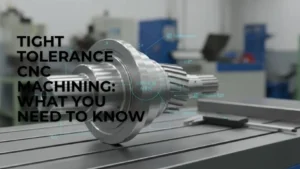
Tight Tolerance CNC Machining: What You Need to Know
Things change rapidly in manufacturing these days. Making things precise is more vital than ever before. The phrase tight tolerance CNC machining means that the parts made by the CNC machine have almost no defects. It allows factories to construct objects that snap together with no gaps.
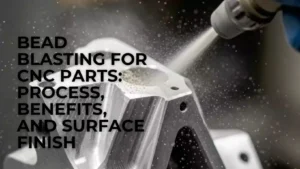
Bead Blasting for CNC Parts: Process, Benefits, and Surface Finish
Different kinds of products can be fabricated on a daily basis using a CNC machine. CNC is used to cut metals and plastics. However, the parts produced from these might not be flawless. They may have some minor scratches on them, which may be rough and sharp as well. This is where surface finishes come into play.
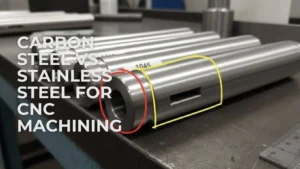
Carbon Steel vs Stainless Steel for CNC Machining
Steel is one of the metals that is commonly used in manufacturing parts. Steel is used in shops on a daily basis; similarly, CNC machining refers to the manufacture of parts using machinery. In the beginning, one must decide what metal to use in one’s work. The choice of metal affects many factors because it determines the time required to make the part.
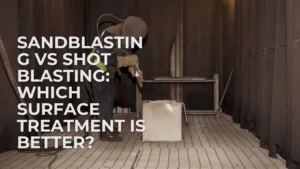
Sandblasting vs Shot Blasting: Which Surface Treatment Is Better?
If you manufacture components using metals, wood, and plastic, ensure that you clean them first before their use. Rust, old paint, and dirt may be present on the outer surface of the raw metal. In this case, it would be advisable not to apply paint over such dirt. This is the reason why surface preparation plays a significant role in manufacturing and metal finishing.
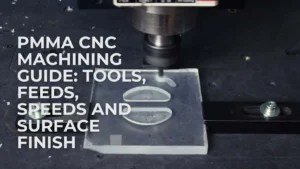
PMMA CNC Machining Guide: Tools, Feeds, Speeds, and Surface Finish
PMMA is a popular clear plastic, also known as polymethyl methacrylate. It is sometimes referred to as acrylic, which is
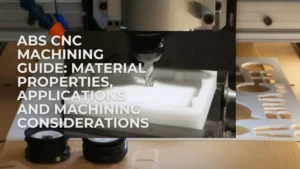
ABS CNC Machining Guide: Material Properties, Applications and Machining Considerations
ABS is an extremely durable plastic that is perfectly suitable for cutting tools. The process is known as ABS CNC Machining. It is also used to manufacture actual parts that have applications in day-to-day life. The crux of the matter is quite straightforward. It is important to understand the behavior of the plastic when it is heated.
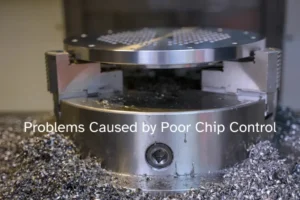
Chip Control in Aluminum CNC Machining: Causes, Problems, and Solutions
Aluminum machining chip control is essential for preventing long, stringy chips from wrapping around cutting tools, clogging the work area, and damaging machined surfaces.
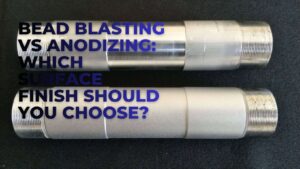
Bead Blasting vs Anodizing: Which Surface Finish Should You Choose?
Manufacturing metal parts requires careful planning from start to finish. When you build a part, raw metal often looks rough, scratched, or dull. This is why surface finishing matters so much in modern manufacturing and metal products.
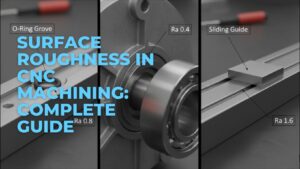
Surface Roughness in CNC Machining: Complete Guide
The first thing that needs to be done when producing parts on the computerized machine tool is to pay great attention to the surface texture. The term used for this texture is “surface roughness CNC machining.”

PEEK CNC Machining: Benefits, Challenges and Applications
PEEK material is a specific kind of plastic that can withstand extremely high temperatures. It is part of a family of plastics called polyetheretherketone. It is not easily melted and is resistant to harsh chemicals, making it preferred by engineers.
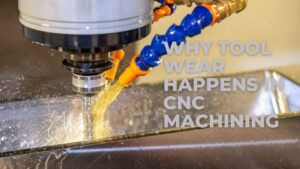
Why Tool Wear Happens in CNC Machining?
Computer numerical control (CNC) machines put significant stress on your cutting tools. Eventually, all drill bits, end mills and lathe inserts begin to wear out. This normal process is called tool wear in CNC machining. This occurs when the cutting edge contacts the raw material at high speed and high load.
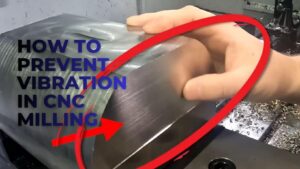
How to Prevent Vibration in CNC Milling?
Selecting the right metal for your project is very important. The materials you select for your project affect the price, time and quality of your work. Titanium and aluminum are among the best metals, as both are widely used in parts manufacturing, but they do not behave in the same manner.