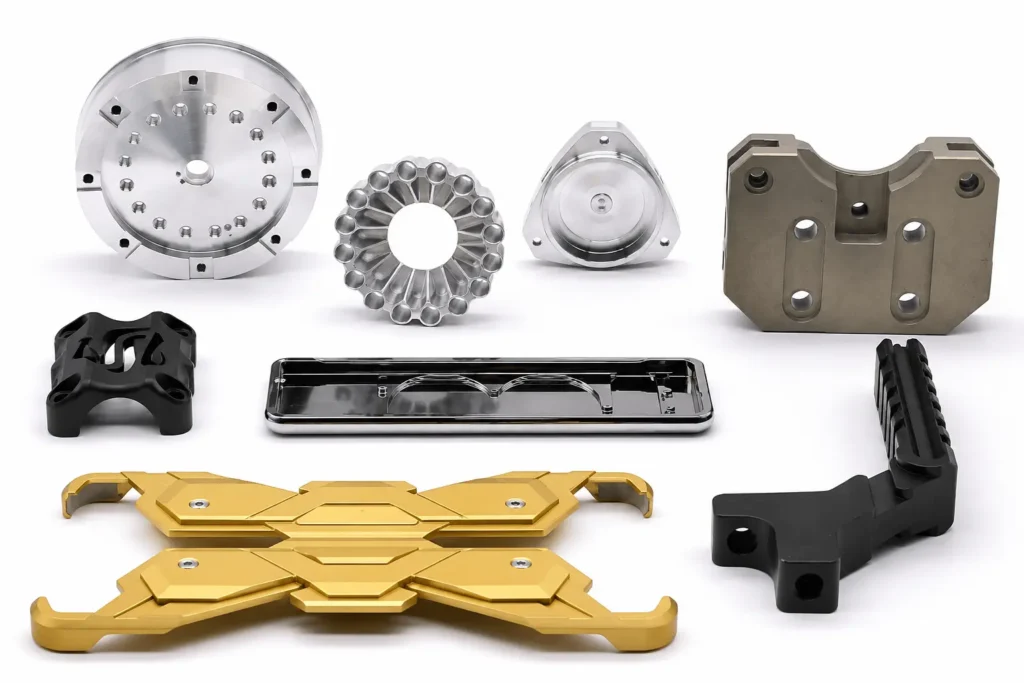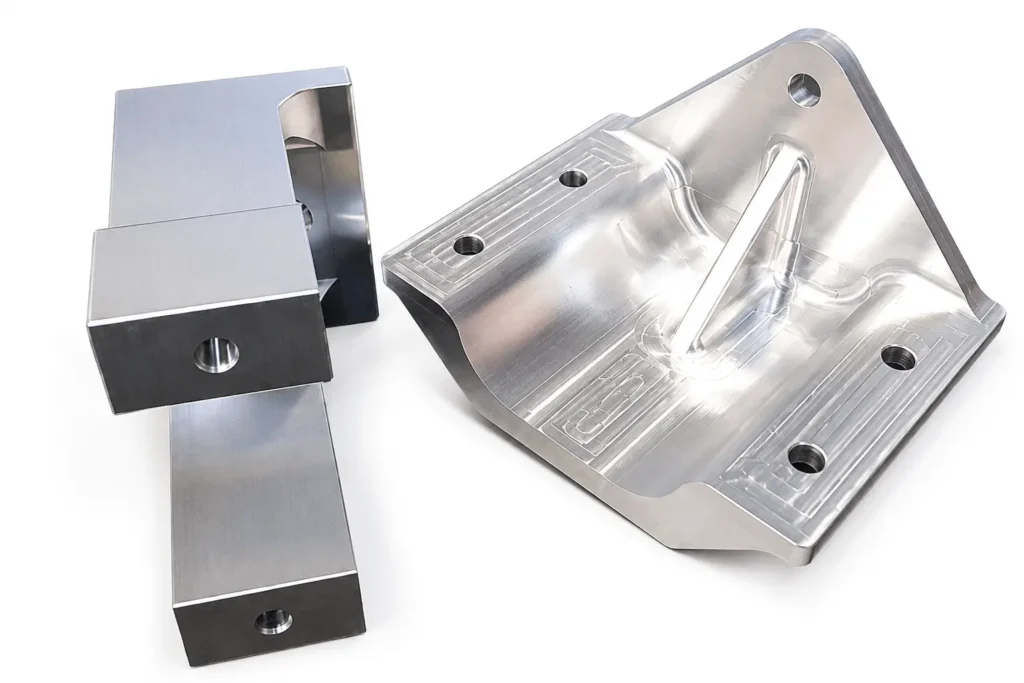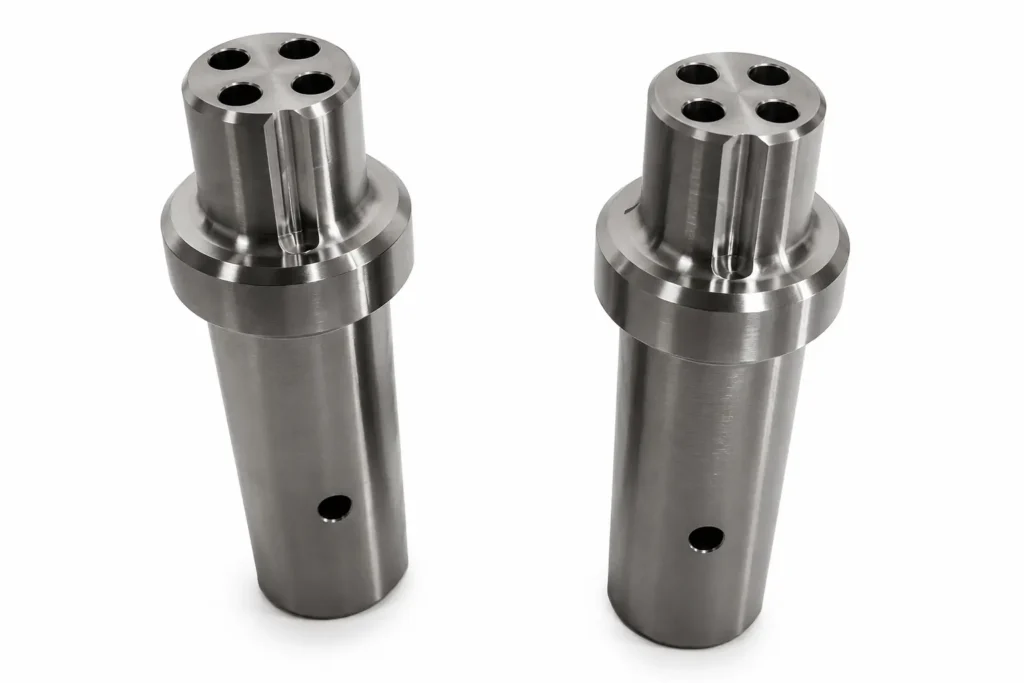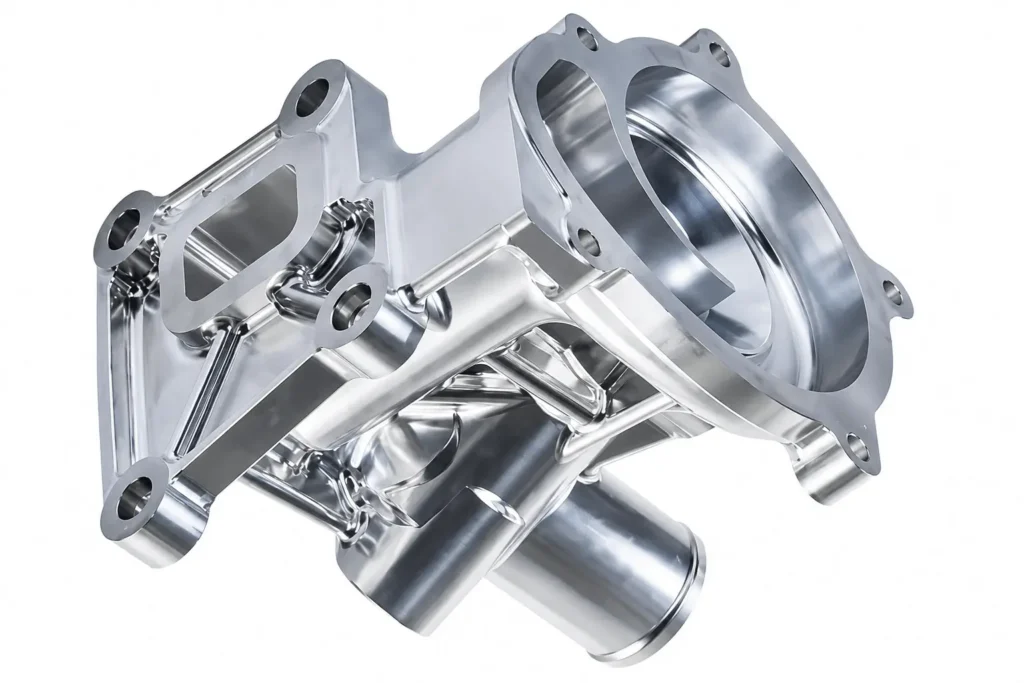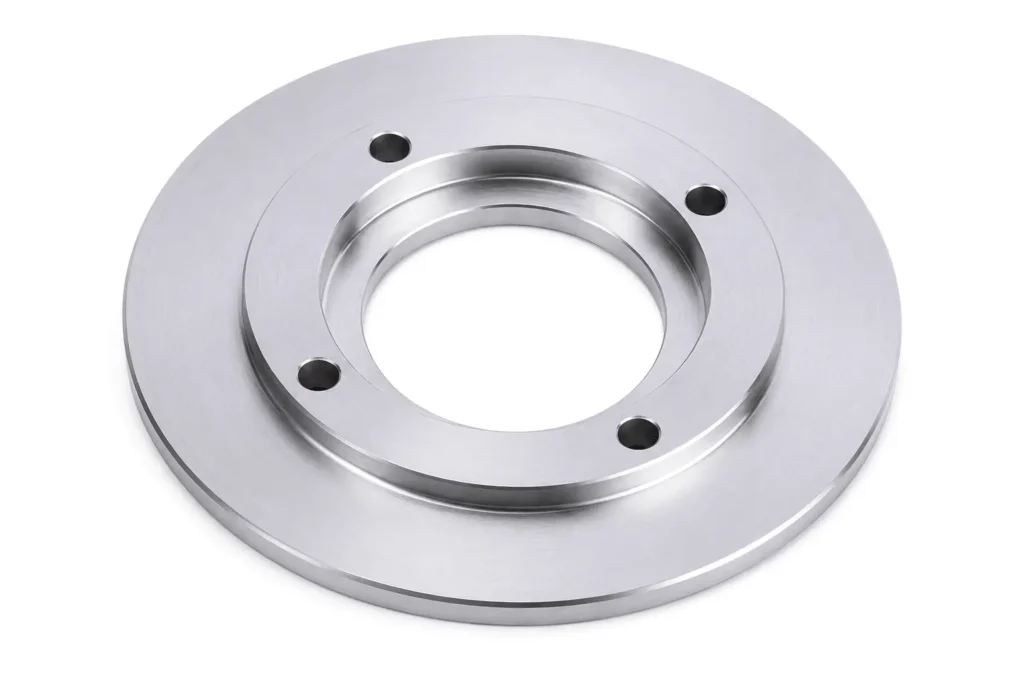
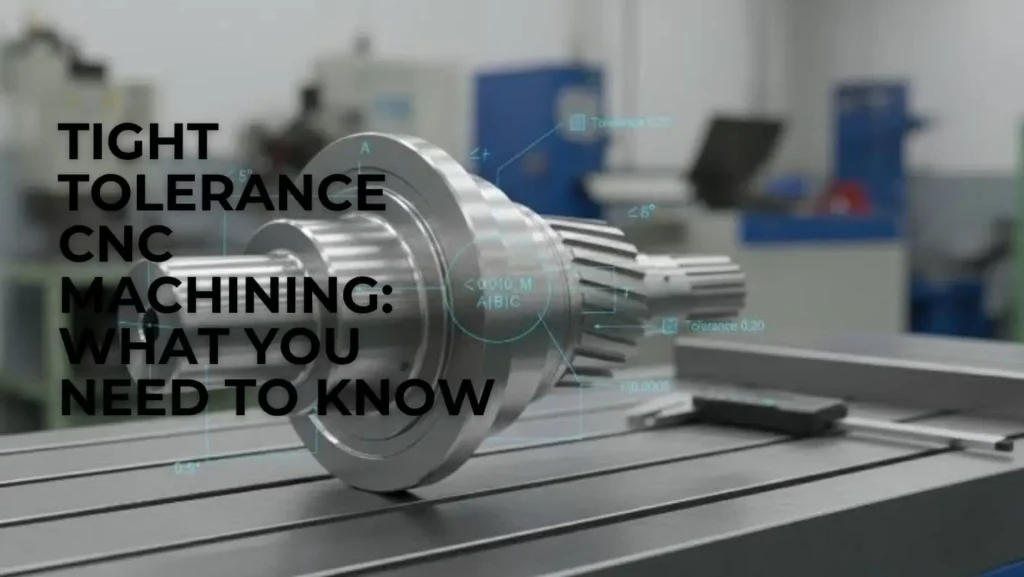
Things change rapidly in manufacturing these days. Making things precise is more vital than ever before. The phrase tight tolerance CNC machining means that the parts made by the CNC machine have almost no defects. It allows factories to construct objects that snap together with no gaps.
Consider aeroplanes high in the sky, the instruments that save lives in the medical field, and the cell phone in our pockets. All these items utilize very carefully designed parts. This complete guide will take a look at the details of high-accuracy work.
Key Takeaways
- Tight Tolerance CNC Machining keeps systems safe.
- High accuracy is required in the most critical use cases: aerospace and medical.
- For standard jobs, the unit of measure is usually in millimeters.
- For special jobs, the unit of measure is usually in microns.
- Old tools, machine shaking, and heat alter the final size.
- Quality materials, such as aluminum, make it easier to achieve your objectives.
Why Is Tight Tolerance CNC Machining Important?
Modern machines are extremely complicated. They possess hundreds of moving parts that are moving quickly. Even if one part is slightly off, the machine can go down on a dime. Tight tolerance CNC machining guarantees that each and every piece is completely conforming to the master design.

This degree of accuracy enables factories to manufacture complicated assemblies, which will function nicely for years. It is essential to the operation of modern cars, aircraft, and electronics.
What is the purpose of tight tolerance ranges? The actual reason for these tight tolerances is to ensure perfect part interchangeability, to guarantee safety in severe conditions, and to avoid mechanical failure.
What Is Considered a Tight Tolerance in Machining?
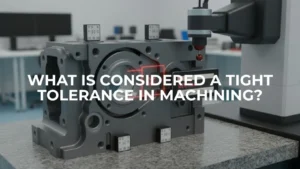
In order to understand the concept of precision, it is important to consider the standard numbers. The common limits for most basic parts are approximately 0.1mm to 0.125mm. But high-precision jobs are far beyond these typical limits. They need restrictions that are far smaller than the size of a human hair.
Examples of Tight and Loose Tolerances
A loose limit is good enough for a simple bracket or table leg. That error is too large unless it is a tool such as a fuel injector or a surgical tool. Is 0.1 mm a tight tolerance? No, in the world of precision machining, 0.1 mm is considered to be a standard or loose limit.
Is .005 a tight tolerance? 0.005″ (approximately 0.127 mm) is still a standard limit. If you are talking about 0.005 mm, then yes, it is very tight!
Understanding Microns and Millimeters
In the realm of high precision work millimeters are meaningless, and microns are the preferred unit of measure. One micron is a millionth of a metre. The numbers are met only if the machinists monitor each and every detail. So, what is the tightest CNC tolerance? The most sophisticated machines achieve tolerances as tight as ±0.0025 mm (or 2.5 microns).
| Tolerance Level | Standard machining tolerances in mm | Typical Applications |
|---|---|---|
| Standard | ± 0.1 mm to ± 0.15 mm | Simple brackets, enclosures, and structural parts |
| Close Precision | ± 0.02 mm to ± 0.05 mm | Engine components, moving gears, and alignment pins |
| Ultra-Tight | ± 0.002 mm to ± 0.01 mm | Space instruments, medical implants, laser systems |
How to Achieve Tight Tolerances in CNC Machining?
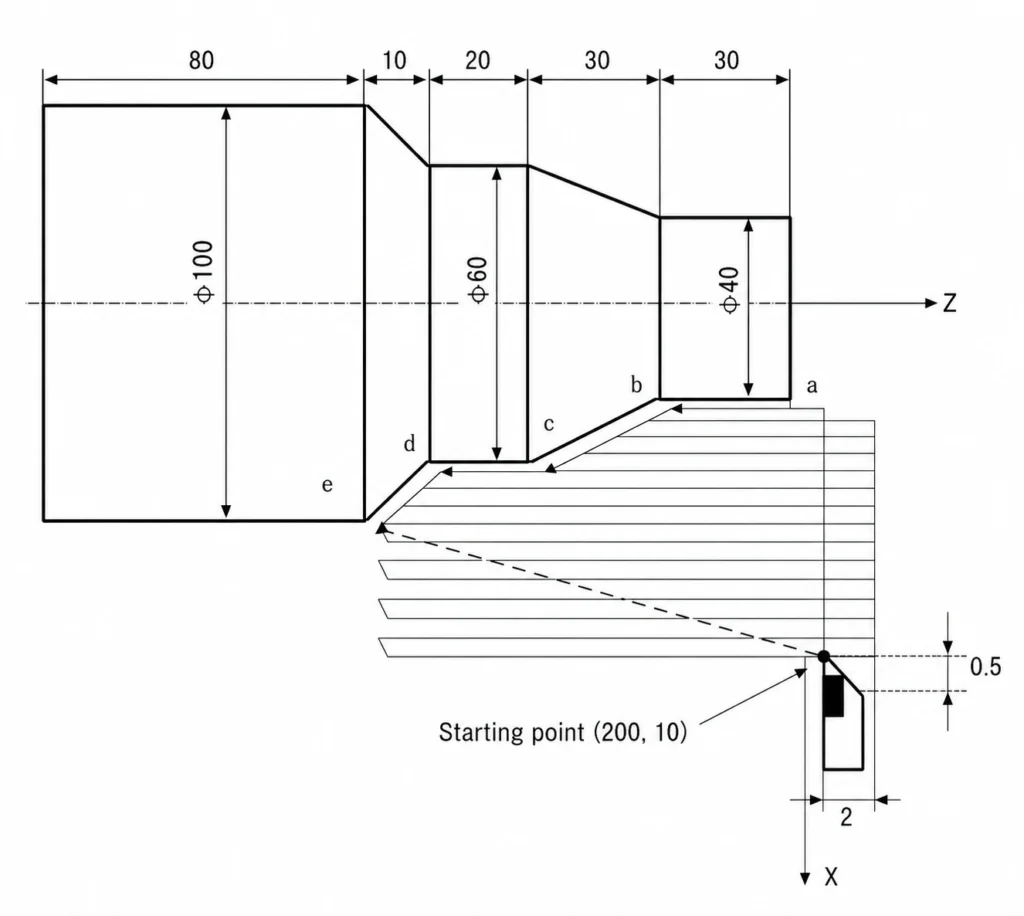
Tight tolerances cannot be achieved by machine accuracy alone. The result also depends on workholding rigidity, tool condition, thermal stability, inspection methods, and the order in which critical features are machined. For precision CNC machining, these factors must be planned together before production begins.
This type of work uses computer code to cut metal and plastic. High-quality, tight-tolerance CNC machining services keep our modern world moving forward.
Machine Setup and Calibration
To hit tiny target numbers, you must start with elite, tight tolerance machinery. The machine must be bolted down tightly to a solid floor so it does not shake. Machinists use lasers and special gauges to check the alignment of the machine every single week. If the machine structure is slightly crooked, your final parts will be ruined.
Temperature and Environmental Control
Heat is the secret enemy of precision manufacturing. When metals get warm, they grow larger. When they cool down, they shrink. If a machine shop gets too hot during the day, the parts will change size constantly. True precision shops keep their rooms at a steady temperature all day and night. They also use special liquid coolant to keep the metal part cold while the sharp tool cuts it.
Inspection and Quality Control
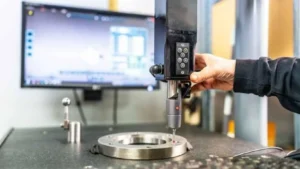
It will not be possible to determine if the part is perfect until it is carefully measured. Advanced Coordinate Measuring Machines are used in shops to verify dimensions in sealed and cool rooms. The systems are based on small touch probes or bright lasers that map the part in 3D space. This way, each piece is guaranteed to conform to the design requirements before it is sent to a customer.
To understand how to get tight tolerances in CNC machining, shops adhere to these strict rules:
- Regularly check the machine’s calibration.
- Keep the shop temperature constant all day long.
- Employ good quality, clean cutting instruments.
- Conduct in-process inspection during the cutting cycle.
- Provide highly trained machine operators.
How Do Materials Affect Tight Tolerance Machining?
With very small limits, there will be fewer errors. You also ensure that parts are easily replaceable without having to customize them.
Material Stability and Thermal Expansion
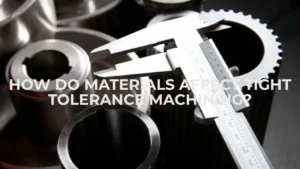
Not every raw material is alike when subjected to a sharp cutting tool. A few metals retain their shape nicely upon cutting. Others bend, twist, or stretch due to the heat of the blade. Selecting the best materials for tight tolerance machining is a huge step in planning your project. One must be familiar with the effect of stress and temperature on the material.
Metals Commonly Used for Precision Parts
Aluminum is extremely popular due to its ability to cut rapidly and not warp properly when handled. Stainless steel is very durable, but not very formable. Titanium is a good material for top-tier jobs as it is light, tough, and heat-resistant, but it is a poor choice for wearers. Another good option for small, precise components such as watches or electronic connectors is brass.
Challenges With Difficult Materials
Tiny cutting of plastics can be quite a challenge. They soften and swell rapidly on being heated by the cutting tool. If too much pressure is applied, the plastic will bend rather than cut. To ensure the accuracy of plastic parts, machinists need to learn the proper speeds and ultra-sharp tools.
| Material | Machinability | Stability | Cost | Typical Applications |
|---|---|---|---|---|
| Aluminum | High | Medium-High | Low-Medium | Aircraft parts, car parts, housings |
| Stainless Steel | Medium | High | Medium | Medical tools, marine hardware |
| Titanium | Low | High | High | Aerospace bones, bone implants |
| Brass | Ultra-High | High | Medium | Gears, valves, electrical pins |
| Engineering Plastics | Medium | Low-Medium | Variable | Insulators, seals, custom guides |
Why Does Tool Wear Affect Machining Accuracy?
Focus on smart design limits, plan your manufacturing steps with care, and you will achieve incredible quality on every single project you build.
Causes of Tool Wear
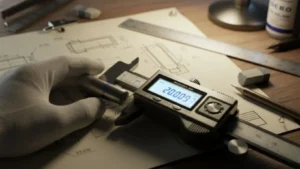
As a sharp tool cuts through tough metal hour after hour, it naturally begins to wear out. The tip loses its sharp edge and becomes dull. Tool wear effects on machining accuracy can destroy a production run if left ignored. A dull tool does not slice cleanly; instead, it pushes against the metal, creating extra heat and forces that push the part out of alignment.
Common causes of tool wear include:
- High friction between the tool and the part.
- Extreme heat buildup at the cutting edge.
- Cutting very hard materials like titanium or hardened steel.
- Using incorrect spindle speeds or wrong feed rates.
Signs of Worn Cutting Tools
Smart machinists watch for clear warning signs that a tool is failing. The surface of the part might start looking rough or blurry instead of shiny and smooth. The machine might start making a loud, high-pitched squealing noise. Most importantly, the measured sizes of the parts will start creeping upwards because the dull tool is not removing enough metal.
Methods to Reduce Tool Wear
To fight tool wear, shops use premium tools coated with special ceramic layers. They also use lots of high-pressure liquid coolant to wash away hot chips and keep the tool cold. Computer software can track how many minutes a tool has been cutting and tell the operator to swap it out before it ruins a part.
How is GD&T Used for Tight Tolerance Machining?
GD&T for tight tolerance machining is a universal language used on engineering drawings. It uses a set of standard symbols to explain exactly how a part can vary. Instead of just giving a simple width or height, it controls how flat, round, or straight a part must be. This helps the machine shop understand which features are critical for the part to work safely.
Common GD&T Symbols
GD&T uses specific symbols to guide the machinist:
- Flatness: Ensures a surface has no bumps or hills.
- Cylindricity: Ensures a hole or pin is a perfect circle all the way down.
- Concentricity: Ensures two circles share the exact same center point.
- Perpendicularity: Ensures two walls meet at a perfect 90-degree angle.
Why Are Tight Tolerances Critical in Aerospace and Medical Manufacturing?
When you need flawless parts, working with elite precision machining services makes all the difference. Investing in professional tight tolerance cnc machining services ensures your parts will perform perfectly under pressure, saving you time and money.
Requirements for Aerospace Components
The aerospace sector leaves no room for mistakes. Planes and rockets fly under extreme stress, wild temperature swings, and heavy vibration. Utilizing tight tolerance machining for aerospace parts ensures that critical items like jet engine blades and fuel valves never crack or stick. A failure in the air can be completely catastrophic, so every dimension is checked multiple times.
Precision Needs in Medical Devices
The medical world relies on extreme precision to save human lives. When creating tight tolerance machining for medical devices, parts must be incredibly clean and smooth. Artificial hips, bone screws, and tiny valve parts for heart pumps must fit into the human body flawlessly. If a medical device is off by even a few microns, it can cause pain, infection, or device failure inside a patient.
Quality and Safety Standards
Both fields are governed by very strict international quality rules. Every single raw metal block must have paperwork showing where it came from. Every finished part gets a unique tracking code. This level of care ensures that if a part ever breaks, engineers can trace it back to the exact machine and hour it was made.
Conclusion
Mastering high precision manufacturing requires a mix of great skill, excellent planning, and top-tier machinery. Tight Tolerance CNC Machining is the backbone of our advanced tech world, building the hidden parts that keep planes flying and medical devices working safely. By picking the right materials, controlling room heat, tracking tool wear, and using clear design symbols, shops can hit incredible goals every single day.

Not every dimension needs the tightest possible tolerance. Identifying the features that control fit, alignment, sealing, or movement helps concentrate machining and inspection effort where it matters. YD Rapid produces close-tolerance CNC parts based on the functional requirements shown in the drawing.
Frequently Asked Questions
How to specify tight tolerances on engineering drawings?
To specify these limits, write the exact target size first. Next, add the plus and minus numbers right next to it. Use clear GD&T symbols to show if a surface must be perfectly flat, round, or straight.
How would a small or tight tolerance affect the layout?
A small limit forces you to plan every cut with care. You must add extra clamping spots so the part does not move. You also need to leave extra material for slow, gentle finishing cuts at the very end.
What are the 4 types of tolerance?
The four main types are dimensional limits, geometric limits, unilateral limits, and bilateral limits. Dimensional limits control basic sizes like height, while geometric limits control shapes like how flat or round a surface is.
How to achieve tight tolerances in CNC machining?
Use level, heavy machines that do not shake. Keep the shop room at a steady, cool temperature so the metal does not expand. Always use sharp cutting tools and measure your parts often with high-quality gauges.