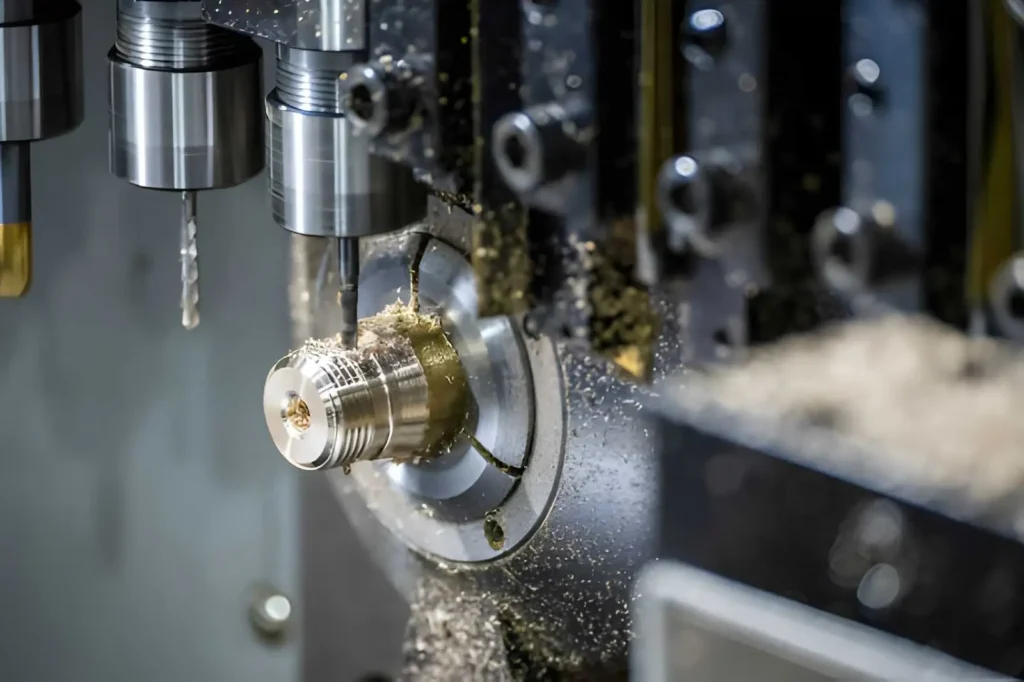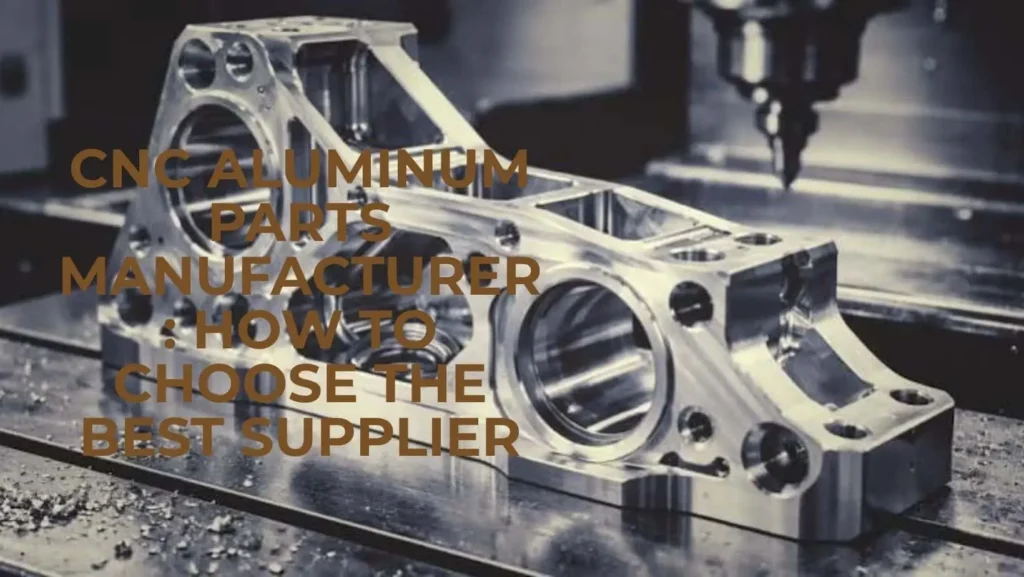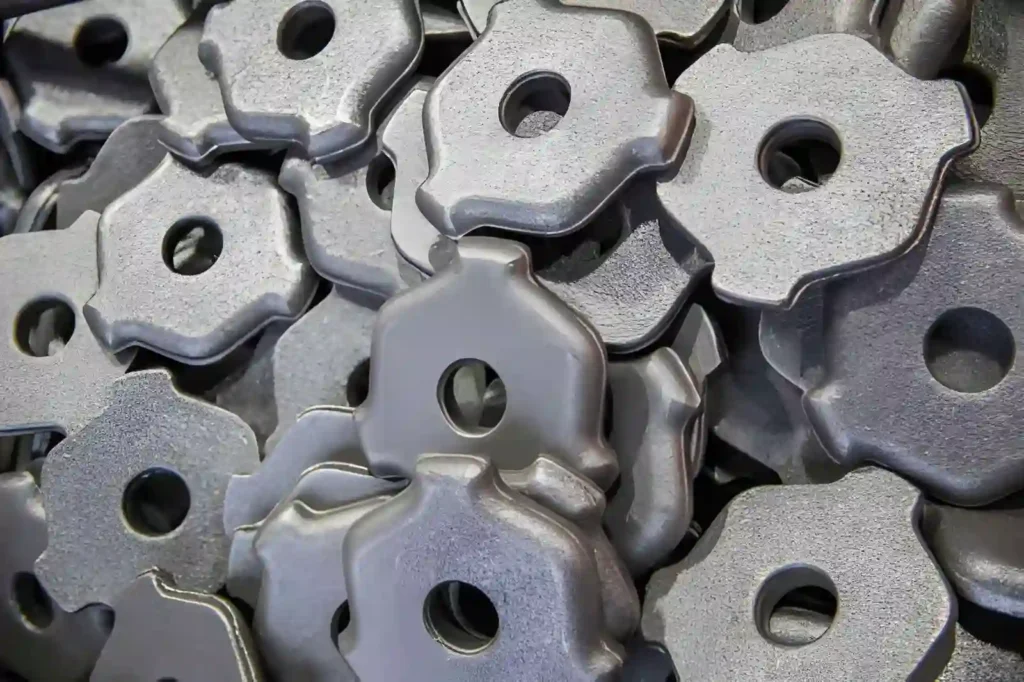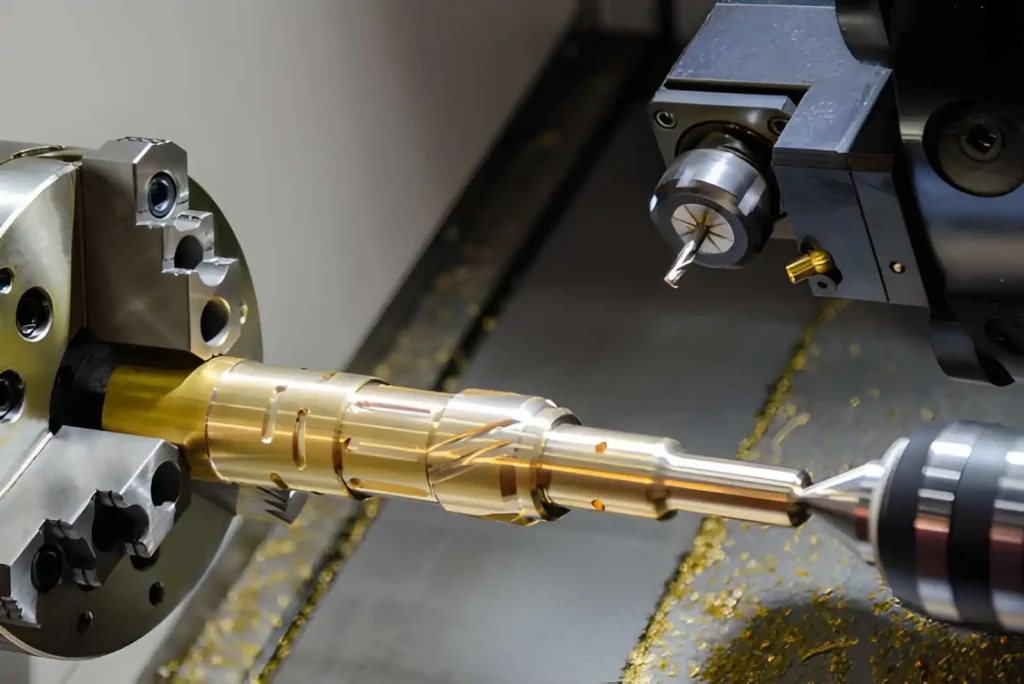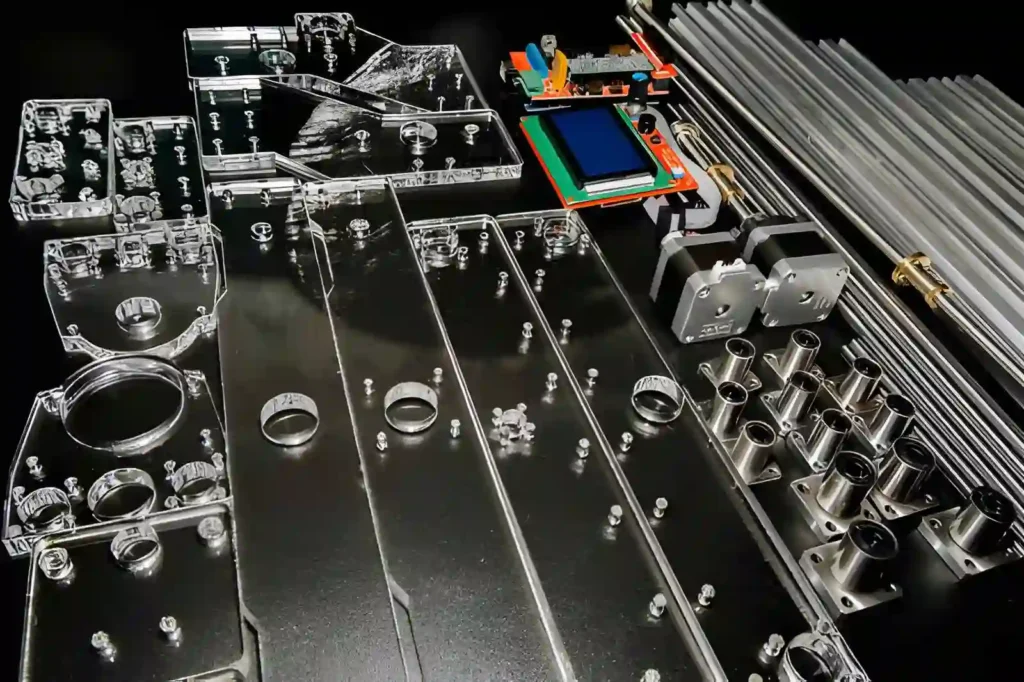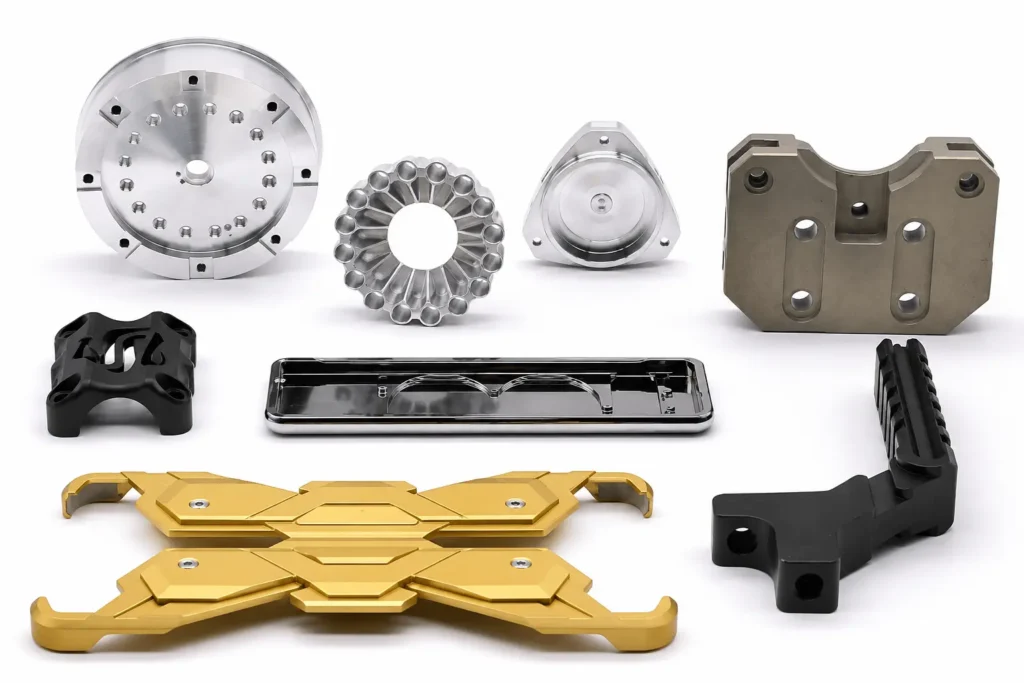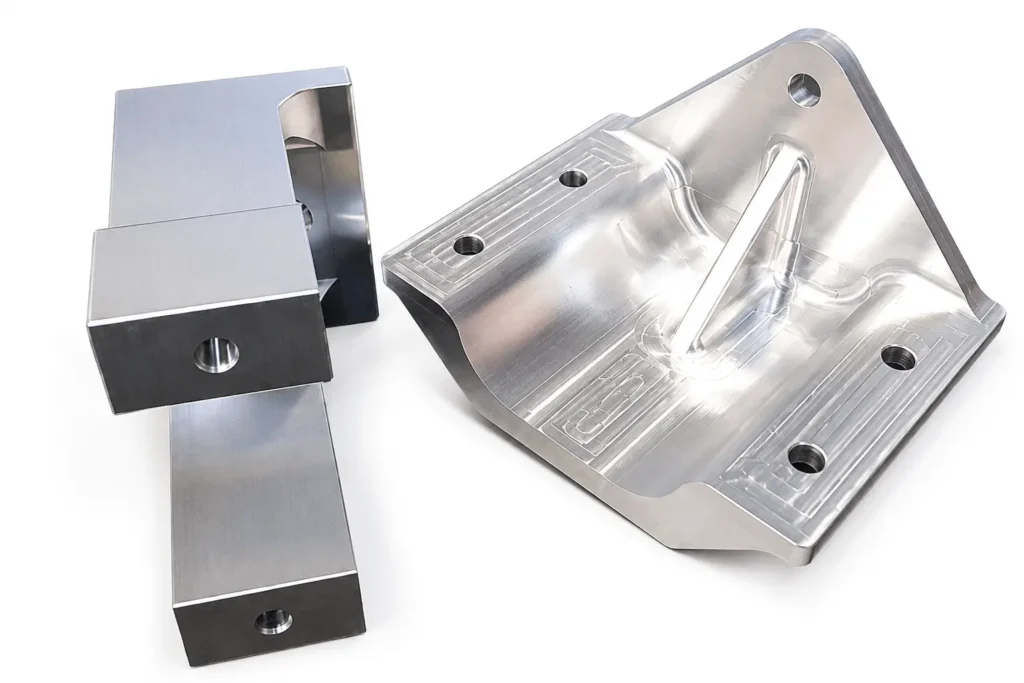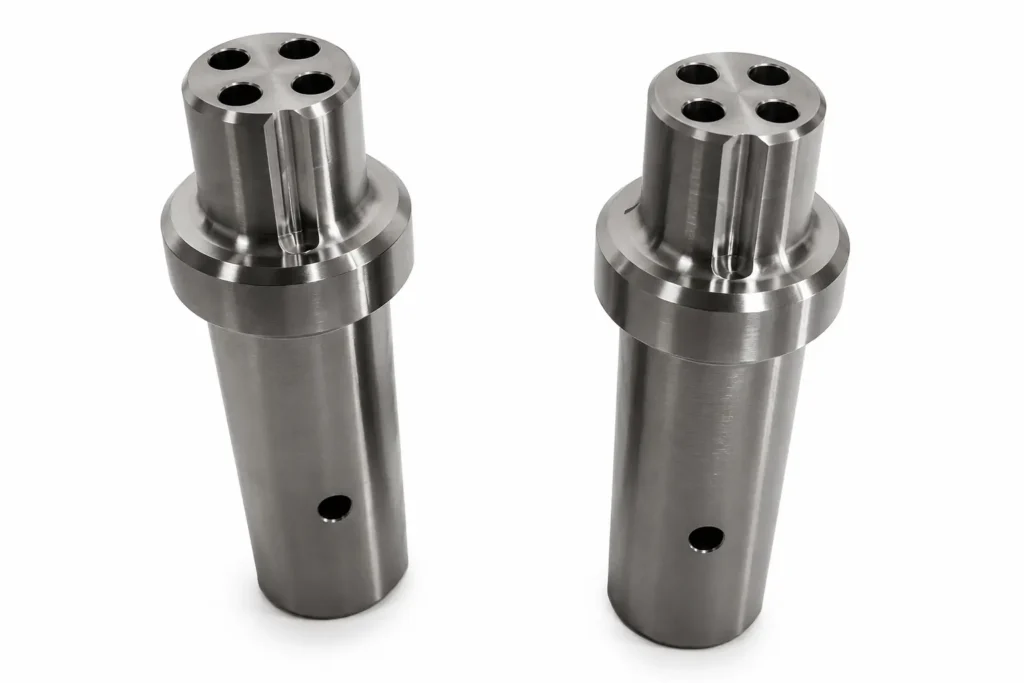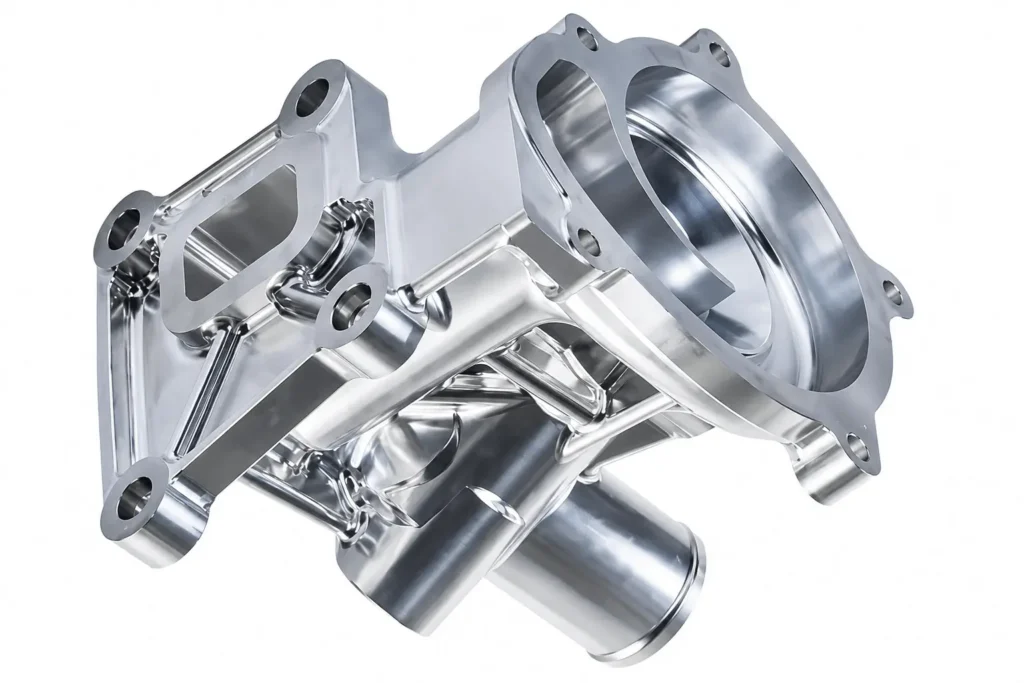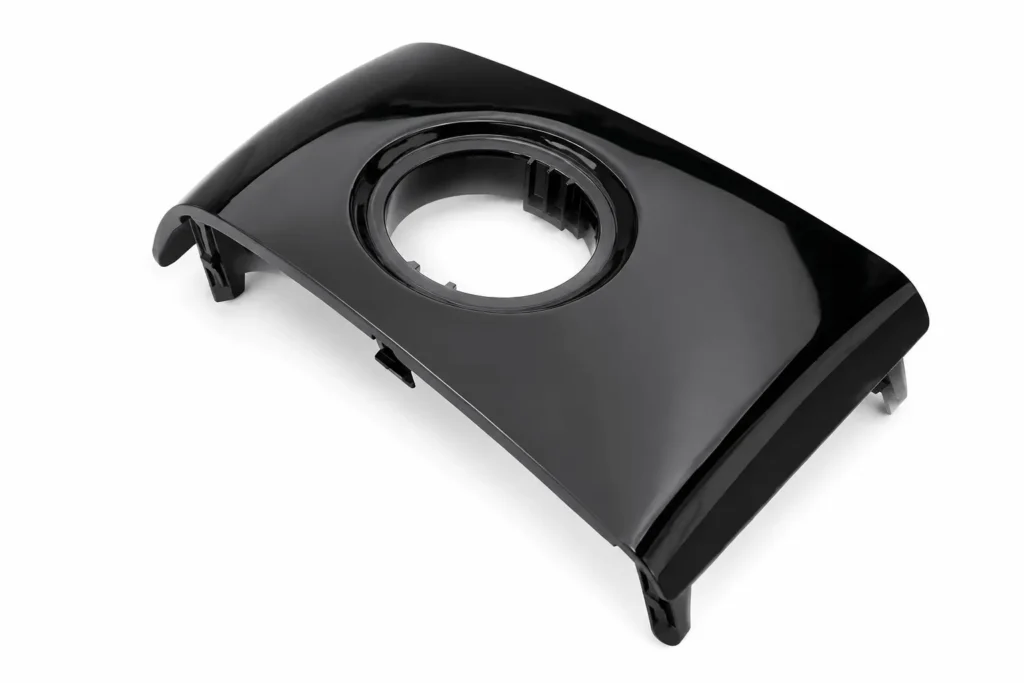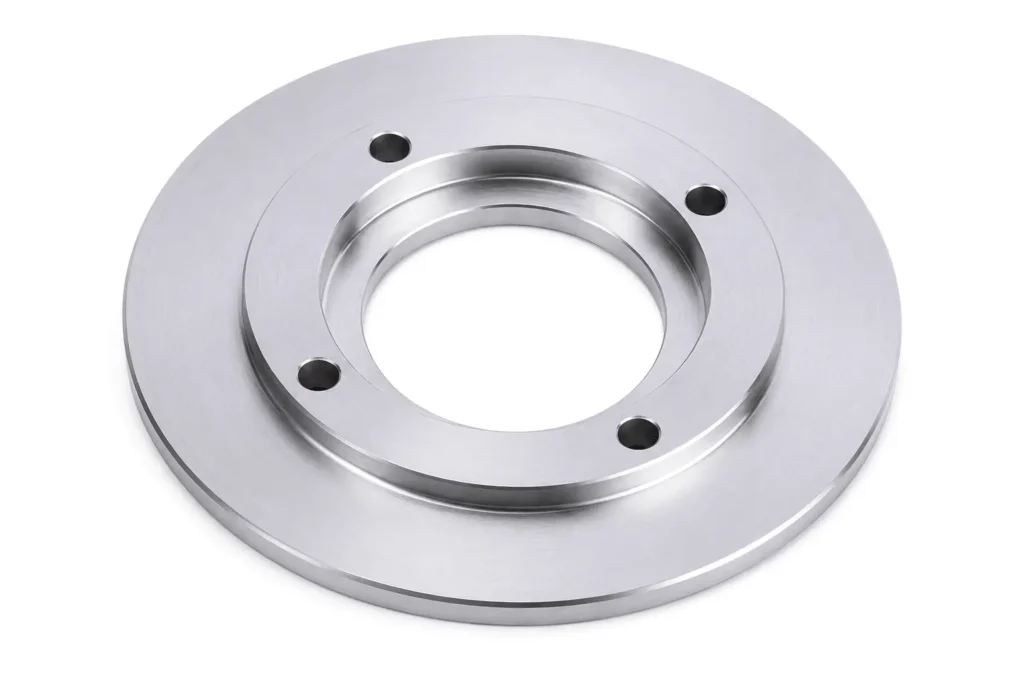
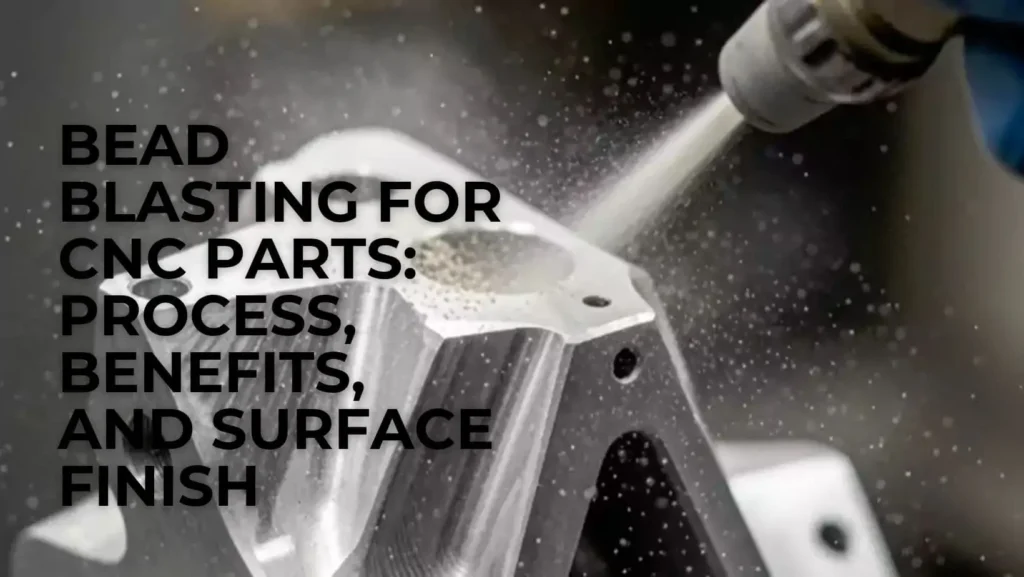
Different kinds of products can be fabricated on a daily basis using a CNC machine. CNC is used to cut metals and plastics. However, the parts produced from these might not be flawless. They may have some minor scratches on them, which may be rough and sharp as well. This is where surface finishes come into play.
Bead blasting is one excellent way of cleaning this equipment. In the discussion, the repair of the appearance of metal parts can be carried out by bead blasting for CNC parts. This article will provide you with all the information you need on this procedure.
Key Takeaways
- A method of cleaning parts using tiny beads in a circular shape.
- The most popular primary materials are glass, ceramic, and steel beads.
- Removing the tool marks, eliminating sharp edges, and preventing rusting.
- It gives a non-reflecting surface.
- Does not affect the size and shape of parts as occurs during grinding operations.
What is Bead Blasting for CNC Parts?
A machine applies high air pressure to extrude small, round objects at a part. The shapes strike the part at a high rate.
What is bead blasting? It is a question that many wonder about. A process that cleans or changes the surface of a material without harming it. The small figures represent numerous little hammers. They level the bumps in the metal.
Why CNC Parts Need Post-Processing
CNC tools cut away metal to make a shape. This will leave you with lines. The lines formed are known as tool marks. Plus, the edges may be quite sharp. Parts should be left as they are in this position, or they may not fit. They may also be unattractive. After the machine works, there is some work: that is to call it post-processing. It addresses these issues. It prepares the part for use in the real world.
Industries That Commonly Use Bead Blasted Parts
A wide range of industries require parts that are durable and have a long lifespan. It is used in the medical world for tools and implants. It is utilized in the aerospace industry for manufacturing parts for planes since it makes the metal stronger. It is utilized by car manufacturers in engine blocks and trims. It’s even used by tech companies for laptop cases and phone bodies.
How Does Bead Blasting Work in CNC Machining?
The procedure is very easy, though it requires good machines. This takes place in an enclosed box.
Step-by-Step Bead Blasting Process
- The CNC part is cleaned by workers to get rid of oil and dirt.
- They put the part inside a strong blasting cabinet.
- The worker turns on the air compressor machine.
- The small, round beads are fired from the gun at the part.
- The worker takes the gun and shoots all sides.
- They remove the part and blow out the excess dust.
Equipment Used in Bead Blasting
The primary instrument is a blasting cabinet. It is glass-walled to allow you to view what is inside. Also, it comes with built-in gloves. The worker’s hands are gloved and holding the part. There is also a blast gun and an air compressor, as well as a hopper. The small beads are placed in the hopper prior to spraying.
Air Pressure, Nozzle, and Blasting Parameters
Too much pressure can cause beads to crack. If it is too low, then the part will not be cleaned. The nozzle is at the end of the gun. It regulates the direction of beads. The distance between the nozzle and the part is the part that the worker needs to decide on in order to achieve a good finish.
Why Is CNC Surface Finishing Important for Machined Parts?
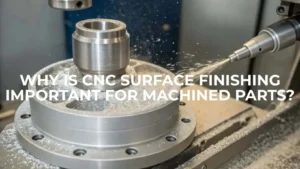
Machining can leave visible tool paths, minor scratches, burr marks, and uneven reflections on a part. The right finish for CNC machined parts can improve appearance, prepare the surface for coating, and create a more consistent texture without changing the basic part geometry.
Making parts look pretty is not the only thing a good CNC Surface Finishing job does. It enhances the performance of the parts. It can harden the surface of the metal. This means that the part is not likely to wear out rapidly. It additionally blocks off very small pores in the metal. This prevents water and chemicals from forming rust.
Visual Improvements
People like buying things that look professional. Raw CNC parts look dull and scratched up. After a good finish, the part gets a nice, even look. It hides all the marks from the factory tools. It makes the product look high-quality and expensive.
Surface Preparation for Additional Coatings
Sometimes, you need to paint a part. Or you might want to anodize it. Paint does not stick well to smooth, oily metal. Bead blasting creates a tiny texture on the surface. This texture gives the paint something to hold onto. It makes the paint last much longer.
- It removes all scratches.
- It creates a clean matte look.
- It helps paint stick better.
- It makes the metal surface stronger.
- It removes bad chemical spots.
How Does Glass Bead Blasting Improve Surface Quality?
Using Glass Bead Blasting is very common for soft metals. Glass beads are perfectly round. When they hit the metal, they do not cut it. Instead, they leave tiny round dents. This is different from sharp sand, which cuts into the metal. The round shape keeps the part safe.
Surface Texture Produced
The effect produces a beautiful matte finish. It’s similar to satin in appearance. It does not reflect bright light like a mirror. Rather, it diffuses the light gently. It is very good at covering fingerprints and small smudges. Many people ask, ” How does bead blasting improve CNC surface finish? It does this by combining all the high and low spots of the metal to make one flat surface.
Applications in Precision Components
Precision parts are required to retain their precise size. Gentle, glass beads won’t alter the size of the part. This makes them perfect for delicate electronic parts, medical valves, and laboratory equipment.
What Types of Blast Media Are Used in Bead Blasting?
This will require the selection of the proper material to shoot the metal with. This material is known as Blast media.
Glass Beads for Blasting
Glass Beads for Blasting are the most common variety to be used for aluminum. They are made from glass. They do not rust or tarnish metals. They are inexpensive and can be reused numerous times before turning to powder.
Ceramic Beads
For a stronger action, Ceramic Bead Blasting can be used. The ceramic beads are harder than glass beads. They have a very long lifespan. They do not shatter easily. They’re ideal for materials such as steel and titanium.
Other Common Media Materials
Steel shot or aluminum oxide is used in some stores. But people often ask, what material is used for bead blasting? Bead blasting is primarily accomplished with glass or ceramic beads. A different type of sharp media is used for rough sand blasting.
Table 1: Comparison of Different Blast Media
| Blast Media | Hardness | Reusability | Surface Finish | Typical Applications |
|---|---|---|---|---|
| Glass Beads | Medium | Medium | Satin / Matte | Bright finishing of aluminum components |
| Ceramic Beads | High | High | Smooth Satin | Tough and corrosion-resistant stainless steel parts |
| Steel Beads | Very High | Very High | Rough Matte | Heavy cast iron parts |
| Plastic Beads | Low | Medium | Very Light Clean | Soft plastics and thin sheet materials |
Why is bead-blasted aluminum popular in CNC Manufacturing?
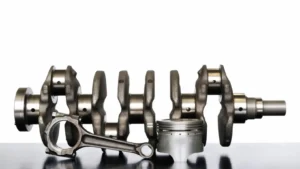
Aluminum is employed for lots of CNC components as it’s inexpensive, yet light. However, raw aluminum is easily scratched. A bead-blasted aluminum part feels like it is extremely smooth to the touch. It eliminates the shiny, inexpensive appearance and changes it to a nice, rich satin.
Corrosion Resistance Advantages
White rust occurs on aluminium when exposed to wet air. During the blasting process, the upper molecules of the metal are compressed together. This tight layer reduces the ability of the metal to be affected by oxygen and water.
Common Aluminum CNC Applications
This finish is used on high-end laptops and on the metal frames. It can also be used for car wheels, flashlight bodies, and bike frames. It makes the items more pleasant to hold.
How Does Bead Blasting Help in Deburring CNC Parts?
This is a simple process, and once you understand it, you’ll be able to produce parts that will look terrific and last for many years.
Burr Formation During Machining
When a CNC drill or mill is cutting metal, it presses the metal out of the way. This leaves small, sharp additional metal flaps on the edges. They are known as burrs. Burrs have the power to slice open your fingers. They may also separate within the machine, resulting in jams.
Removal of Sharp Edges
Using the Deburring CNC Parts methods is necessary. Bead blasting is similar to a small automatic scraper. The thin burrs are snapped off safely when the beads strike the burrs. Smooths out the corners slightly to make them harmless to touch.
Limitations of Bead Blasting for Deburring
Bead blasting works for only small, thin burrs. If the machine has left a large, thick piece of leftover metal, it will not be able to remove it. Large problems would require a file or a heavy grinding wheel to correct first.
- It saves time from hand-sanding.
- Has deep penetration in small holes.
- It smooths edges and retains shape.
- It works on the entire part simultaneously.
How Much Material Does Bead Blasting Remove?
The answer depends on three things. First is the air pressure. Second is the size of the beads. Third is how long you spray the part.
Typical Removal Rates
Usually, glass beads remove almost zero metal. They only take away a few micrometers of material. This is why people love this Surface Finishing Process. It cleans the surface but keeps the size of the part exactly the same.
Tolerance Considerations in Precision Parts
If your part has a very tight tolerance, you must plan ahead. If you blast a part for too long, it might become too small. Good shops know how to balance the time so the part still fits perfectly in your assembly.
Table 2: Typical Material Removal by Different Surface Finishing Methods
| Finishing Method | Typical Material Removal | Surface Roughness | Best Use |
|---|---|---|---|
| Bead Blasting | Very Low (0.001 mm) | Smooth Matte | Final look, light cleaning |
| Sandblasting | Medium (0.01 mm) | Rough Matte | Heavy rust removal, preparation |
| Hand Polishing | Low (0.002 mm) | Mirror Shiny | Decorative shiny parts |
| Heavy Grinding | High (0.1 mm) | Very Rough | Cutting down thick welds |
Conclusion
In conclusion, bead blasting for CNC parts is a wonderful way to finish your manufacturing projects. It fixes many problems at once, and it also helps to remove ugly tool lines, clears away dangerous, sharp burrs, and protects the metal from future rust. It gives the part a beautiful, high-quality matte look that clients love.

Bead blasting results depend on the blasting media, particle size, air pressure, treatment time, and the condition of the machined surface. YD Rapid considers these factors together when producing CNC parts that require an even, controlled matte finish.
Frequently Asked Questions
How does bead blasting improve CNC surface finish?
It shoots small, round beads at the metal part. These beads smooth down the rough ridges left by the cutting tools. This blends all the marks together. It leaves a very clean, even, and soft matte texture.
How Is Bead Blast Finish Stainless Steel Different?
Stainless steel is a very hard metal. When blasted, it does not look bright like aluminum. It gets a dark, clean, industrial satin look. The process also cleans away free iron to stop any future rust.
What is the purpose of bead blasting?
The main goal is to make parts look good and work better. It hides ugly factory scratches and removes sharp metal edges safely. It also helps new paint or outer coatings stick tightly to the metal surface.
How does bead blasting work in CNC machining?
A worker puts the part inside a closed metal box. A gun uses strong air pressure to spray tiny glass or ceramic balls at the part. The balls hit the metal fast to clean and smooth it.