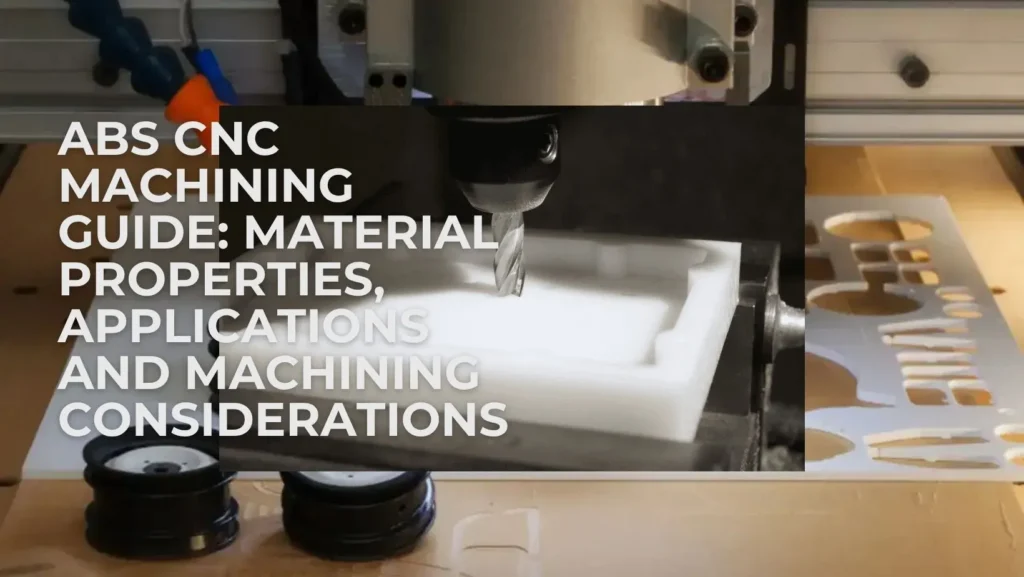
ABS is an extremely durable plastic that is perfectly suitable for cutting tools. The process is known as ABS CNC Machining. It is also used to manufacture actual parts that have applications in day-to-day life. The crux of the matter is quite straightforward. It is important to understand the behavior of the plastic when it is heated.
In this guide, you will learn about the properties of the ABS material. You will also be taught how to cut this type of plastic. With this guide, you’ll enjoy the best results every time.
Key Takeaways
- ABS CNC Machining is an economical method for producing robust plastic parts.
- Understanding ABS material properties enables you to reduce plastic without melting it.
- It’s possible to achieve a smooth ABS surface finish using some basic tools.
- This plastic is suitable for producing functional ABS plastic parts for cars and toys.
Why Is ABS CNC Machining Popular for Modern Manufacturing?
ABS is a combination of three different plastics. Every plastic imparts a unique quality to it. One makes it hard. One makes it shiny. This combination makes it an excellent option for ABS Plastic Engineering. The blocks are fed into a machine by manufacturers. The machine rips away the plastic until the part is finished.
Key Benefits of Machining ABS
ABS Plastic CNC Machining is loved by manufacturers due to its fast working nature. It cuts like butter with the tools. It is also extremely light and cheaper than metals.
What Are the ABS Material Properties That Affect Machining?
The plastic will crack or warp if it isn’t known. Let’s take a closer look.
Mechanical Properties
It retains its shape and does not pull out of shape easily. However, it’s softer than aluminum. It cannot be clamped too tightly, or it will bend.
Thermal Properties
This is an important point to highlight. This plastic is easily melted upon heating. A cutting tool creates heat when it cuts rapidly. The heat can get too high, and the plastic will become a smudgy mess.
Chemical Resistance
It is resistant to most liquids. It will not be damaged by common oils either. However, it can be dissolved entirely by strong chemicals such as acetone. Avoid using those chemicals near your part if you don’t want to smooth it.
Dimensional Stability
This implies that the size of the part remains unchanged. It does not grow when the air is humid. It remains flat and straight. This is ideal for parts requiring a tight fit.
What Are The Properties Of ABS Material?
The main properties are high impact resistance, toughness, and low cost. It can be easily made and adhered to. It also has excellent electrical insulating properties.
This is a straightforward table listing the traits:
| Property | Typical Value | Importance in CNC Machining |
|---|---|---|
| Density | 1.05 g/cm³ | Makes the final parts very light and easy to ship. |
| Tensile Strength | 40 MPa | Shows how much pull the part can take before it breaks. |
| Heat Resistance | 85°C | Tells you the limit before the plastic starts to soften. |
| Hardness | R105 | Shows how tough the surface is against scratches. |
| Water Absorption | 0.3% | Means the part will not swell up when it gets wet. |
| Electrical Insulation | High | Keeps power safe inside electronic boxes and cases. |
How To Machine ABS Plastic?
Cutting this plastic is fun if you follow the rules. If you do not follow the rules, you will get a sticky mess. Here is how to do it right.
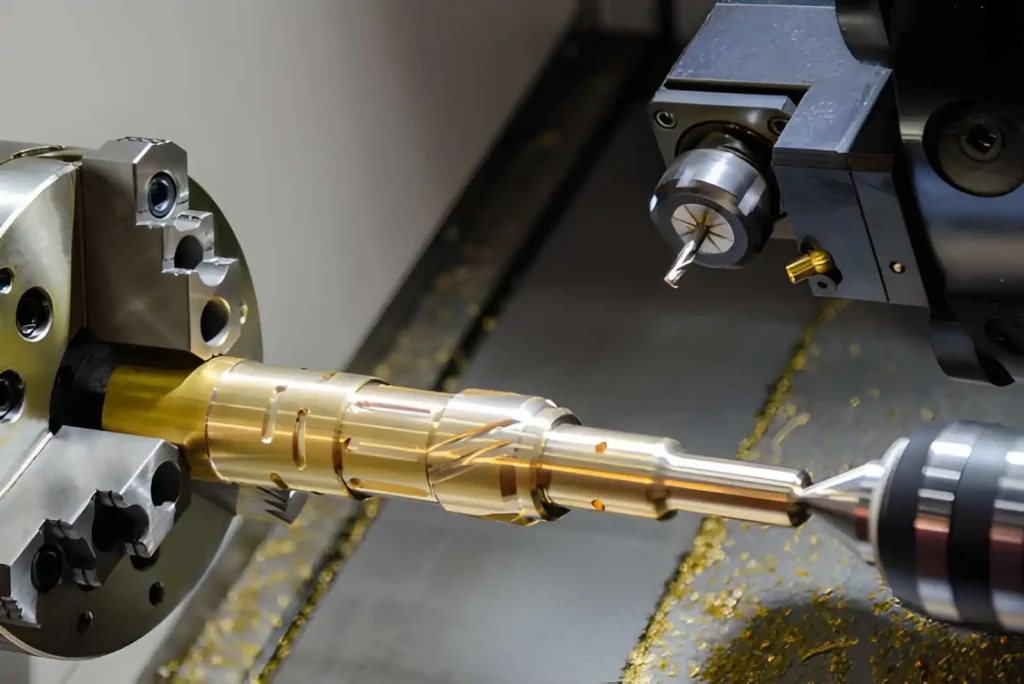
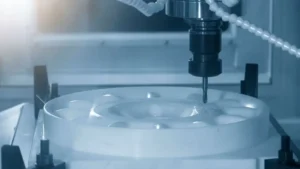
Successful ABS CNC machining requires sharp tools, moderate cutting speeds, controlled feed rates, and effective chip removal. Because ABS softens when excessive heat builds up, cutting parameters should limit friction while maintaining a clean and consistent cut.
Selecting the Right Cutting Tools
Do not use tools made for steel. Use sharp tools with sharp edges. Tools with one or two flutes are best. They leave a big space for the plastic chips to fly out. If the chips stay near the tool, they will get hot and melt.
Recommended Speeds and Feeds
You should spin the tool fast but move it through the plastic quickly. This is called a high feed rate. This moves the heat away inside the chips. If the tool stays in one spot too long, it will rub and create high heat.
Coolant and Chip Removal
Use clean air or water to blow the chips away. Air is great because it keeps the work zone dry. Water coolant is also good for keeping the temperature low. Keep the chips moving out of the slot.
Workholding Tips
Do not squeeze the plastic too tightly in the vice. It can bend out of shape. Use soft jaws to hold it gently. You can also tape it down for thin sheets.
What PPE is required for CNC machining?
You must protect your body when you cut plastic. Always wear clear safety glasses. Flying chips can hurt your eyes. Wear ear muffs because the machine is loud. Do not wear gloves near spinning tools because they can catch. Wear closed shoes to protect your feet from dropped tools or sharp blocks.
Best practices for ABS CNC machining include:
- Use a very sharp tool with sharp cutting edges.
- Keep the feed rate fast to move heat away.
- Blow air to clear out all plastic chips instantly.
- Use gentle clamping pressure to avoid part bending.
- Check the part size after it cools down completely.
Why Do ABS Machining Properties Make It Easy to Process?
This is the core of Engineering Plastic Machining. If you follow these steps, your parts will come out perfect.
Machinability Advantages
The special ABS Machining Properties make it one of the easiest plastics to cut. It does not require a lot of power from the machine motor. You can cut it on small machines or big industrial mills. The tool slides through it smoothly.
Surface Quality During Cutting
When your tool is sharp, the cut surface looks very clean. It does not leave hairy edges like some other soft plastics do. The chips come off in nice clean curls or small bits.
Dimensional Accuracy
Because it does not absorb water, it does not change shape while you cut it. You can hold tight tolerances easily. The part you draw on the screen is the exact part you get in your hand. This helps you hit a nice ABS Surface Finish right off the mill.
What Are the Best Practices for Custom ABS CNC Machining?
This plastic adapts to your needs beautifully. It remains a top choice for smart workshops all over the world. Whether you are building a prototype or a final product, this material delivers great results every single time.
Design Guidelines
When you design your part, keep things simple. Avoid sharp inside corners. Round them out instead. A round corner matches the shape of the spinning tool. This makes the cut smooth and prevents the part from cracking later.
Wall Thickness Recommendations
Do not make the walls too thin. If a wall is too thin, it will vibrate when the tool hits it. This creates ugly marks. Keep walls thicker than 1.5 millimeters for the best strength.
Tolerance Considerations
This plastic can expand slightly if it gets warm during the cut. Give your design a little bit of room. A normal tolerance of plus or minus 0.1 millimeters is easy to hit with Custom ABS CNC Machining.
Production Planning
Plan your cuts so you remove the big areas first. This is called roughing. Then use a fresh tool to do the final thin cut. This keeps the heat low and makes Functional ABS Plastic Parts look beautiful.
- Make the inside corners round to match the tool.
- Keep walls thick so they do not shake.
- Plan simple setups to cut all sides easily.
- Leave extra material for the final clean cut.
Where Are ABS Plastic Components Used?
You can find ABS Plastic Components everywhere you look. It is a very common plastic in the world today.
Automotive Industry
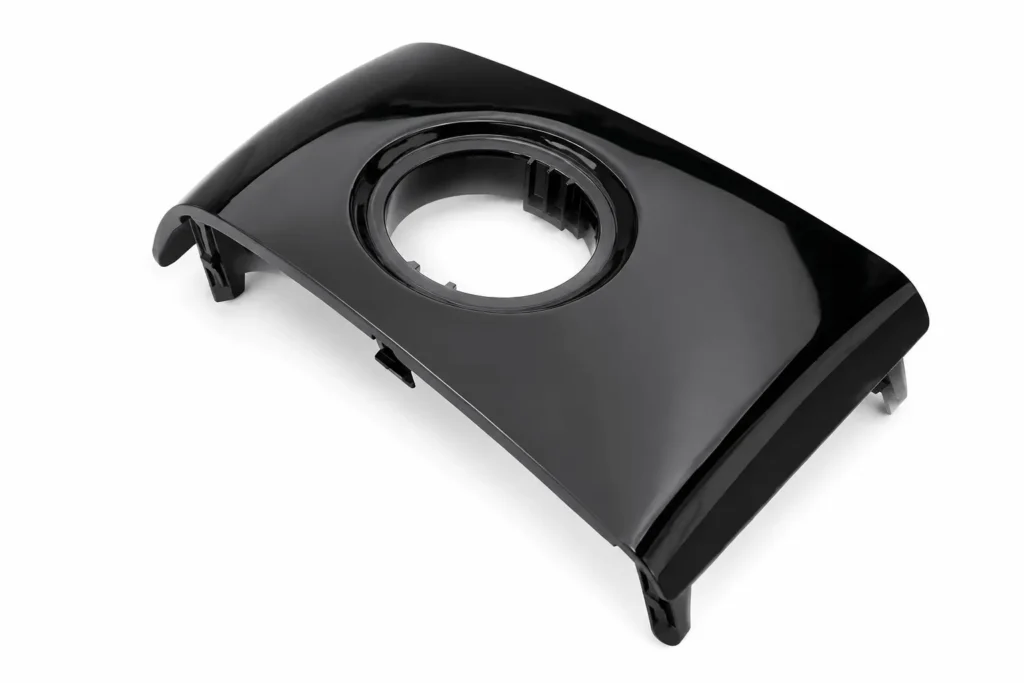
Cars use tons of this plastic. The dashboard inside your car is often made from it. The trim pieces around the doors and the grilles on the front of cars use it too. It is chosen because it can take a bump and does not cost too much to replace.
Consumer Products
Look at your computer mouse or your keyboard. The outer shell is likely made from this material. Children’s toy bricks are also made from it. It is safe to touch and lasts for many years.
Electronics
Boxes that hold wires and chips use this plastic. It stops electricity from jumping out. It keeps the delicate parts inside safe from dust and water.
Medical Devices
Some tools in hospitals use this plastic for their handles. It can be cleaned easily and does not react with human skin.
Industrial Equipment
Guards on big factory machines use this plastic. It blocks flying sparks and dirt.
What Are The Applications Of CNC Machining In Industry?
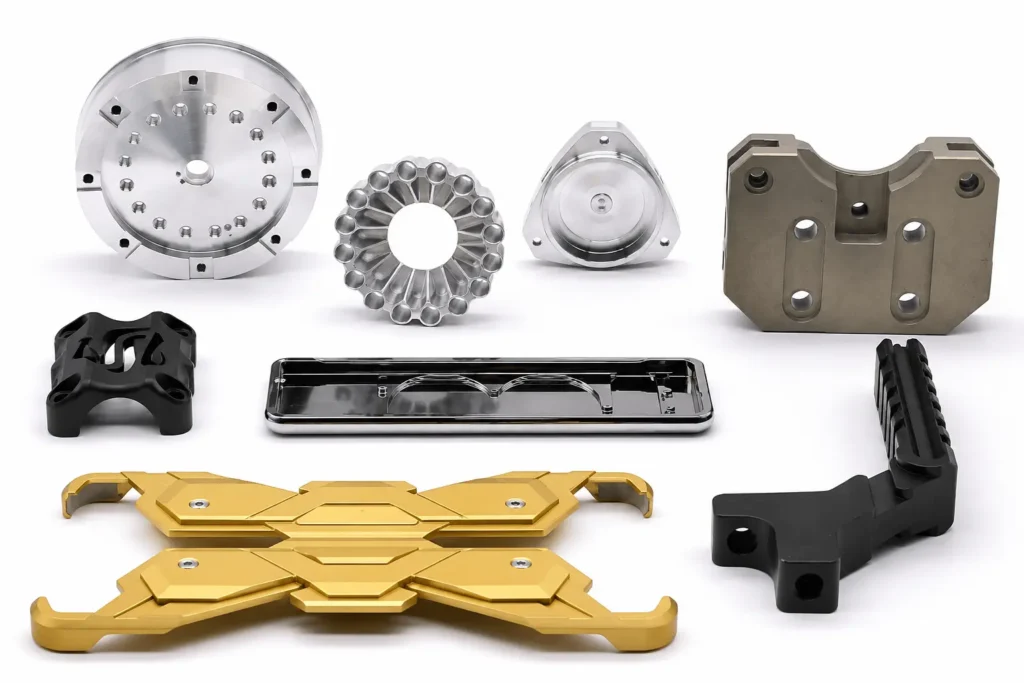
Industrial cutting machines make custom parts for planes, cars, medical tools, and robots. They make molds for factories and quick prototypes for design teams. They help turn ideas into hard objects fast. This shows how ABS Plastic Manufacturing feeds into many fields.
How Can You Improve ABS Surface Finish?
Sometimes the part straight from the machine has small line marks. You can use ABS surface finishing techniques to make it look smooth and shiny.
Sanding
You can use abrasive paper to rub the lines away. Start with rough paper and end with super fine paper. Add a little water while you rub to keep the dust down. This leaves a smooth, matte look.
Vapor Smoothing
This is a cool trick. You use the fumes of a chemical called acetone. The gas touches the plastic and melts the very top layer for a second. When it dries, the part is as shiny as glass. You must be careful because the fumes are strong.
Polishing
You can use a soft cloth wheel with a special paste. Spin the wheel against the plastic. It rubs out small scratches and brings out a nice shine without using chemicals.
Painting and Coating
This plastic takes paint very well. You can prime it and spray any color you like. This is perfect for models that need to look like metal or carbon fiber.
Let us look at this handy table for an ABS Surface Finish comparison:
| Finishing Method | Appearance | Main Benefit | Typical Application |
|---|---|---|---|
| Sanding | Smooth and dull | Removes all tool marks easily | Base prep before paint |
| Vapor Smoothing | Super glossy and shiny | Seals the whole outer surface | Display models and toys |
| Polishing | Bright and clean | No chemicals are needed | Clear parts or handles |
| Painting | Any color or texture | Hides the plastic look completely | Consumer electronics |
| Bead Blasting | Soft satin look | Blends all lines together fast | Industrial tool cases |

Need Custom ABS Parts Made to Your Drawings?
ABS is suitable for lightweight housings, prototypes, fixtures, and functional components, but machining heat and workholding pressure must be carefully controlled. Send us your drawings, material requirements, tolerances, surface finish, and order quantity for review. YD Rapid manufactures custom ABS parts for prototypes and low-volume production.
Conclusion
In conclusion, ABS CNC Machining is a wonderful option for your projects. It bridges the gap between cheap materials and high-quality results. By knowing the ABS Material Properties, you can plan your cuts perfectly. You can avoid melting the plastic and keep your sizes exact.
Frequently Asked Questions
1. How does ABS manufacturing help new products?
It lets shops make parts fast and cheap. Teams can test a shape today and change it tomorrow. This helps companies build great prototypes and real parts without spending too much money.
2. What are the common problems when cutting ABS?
The plastic can melt if it gets too hot. It can also get fuzzy edges if your tool is dull. Sometimes the part changes size if you do not keep it cool.
3. How do you stop ABS plastic from melting?
Use a very sharp tool and move it fast. Do not let the tool rub in one spot. Blow clean air on the part to clear out hot chips fast.
4. Why do shops choose ABS plastic?
It is cheap, light, and very strong. It does not break when you drop it. It is also very easy to cut into any shape with simple machine tools.