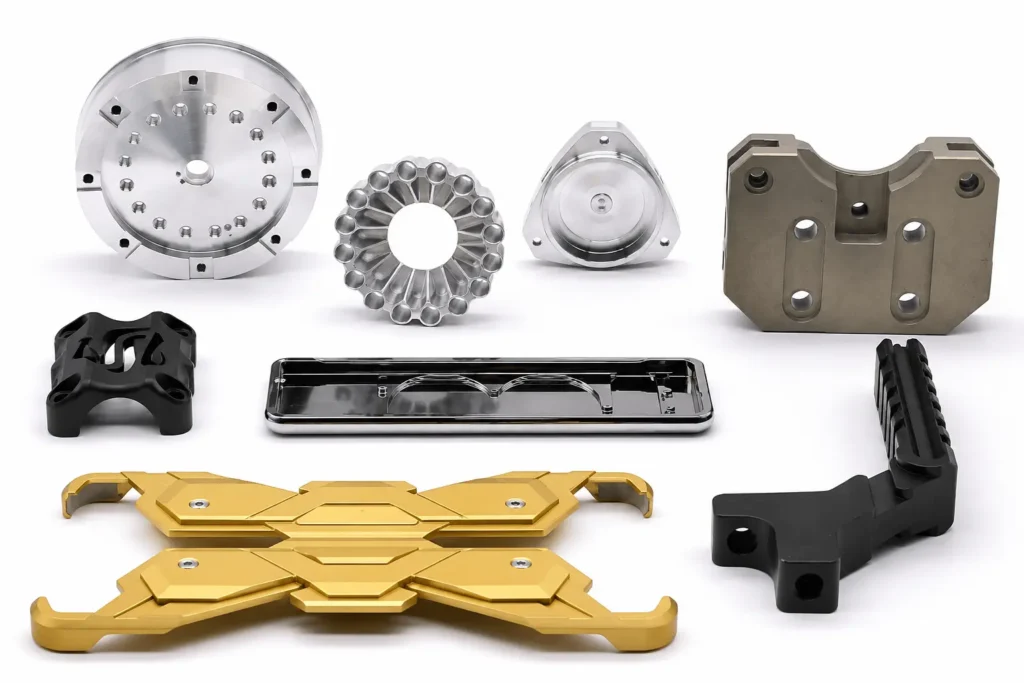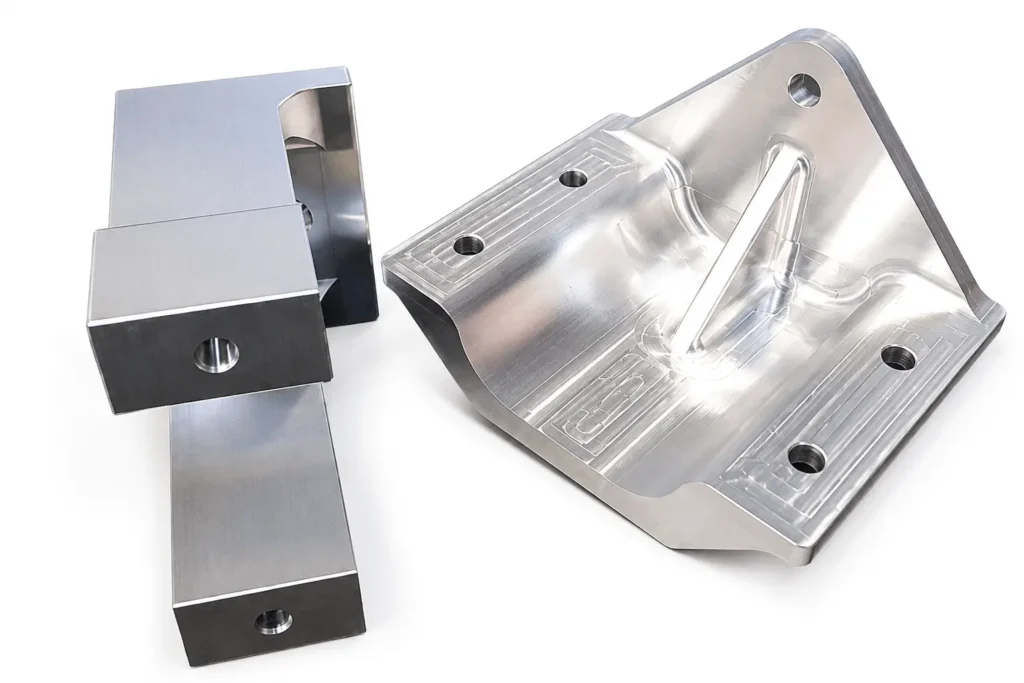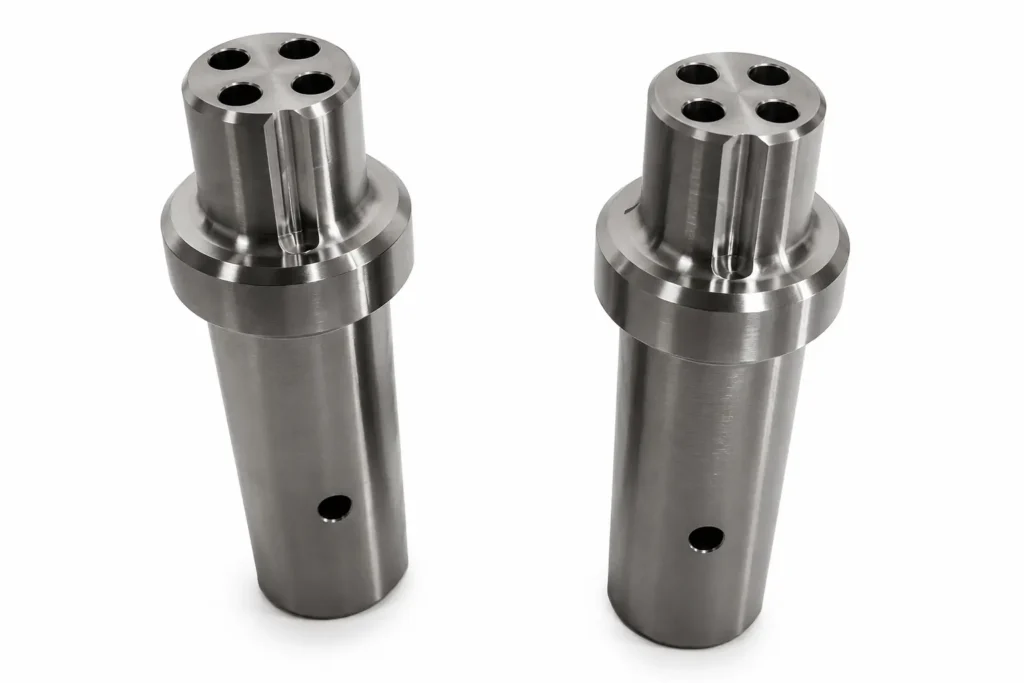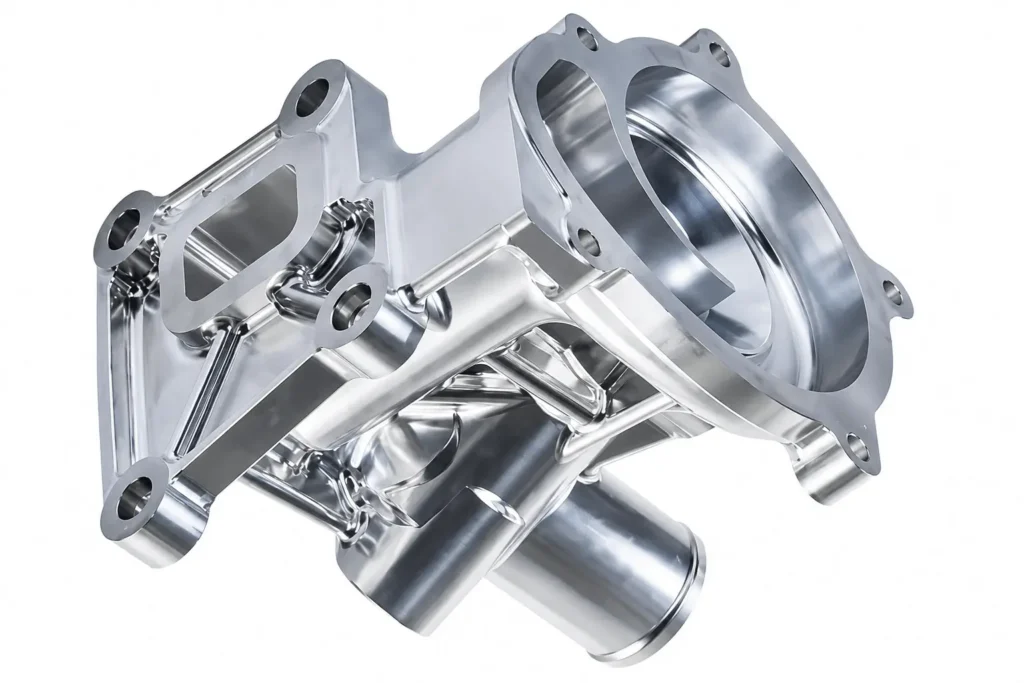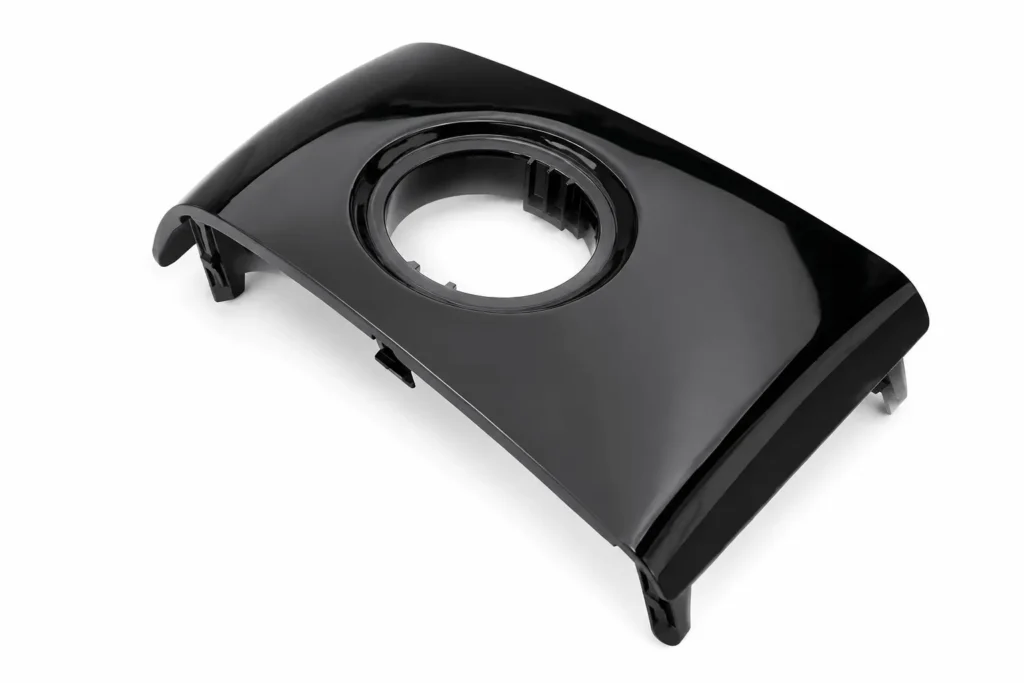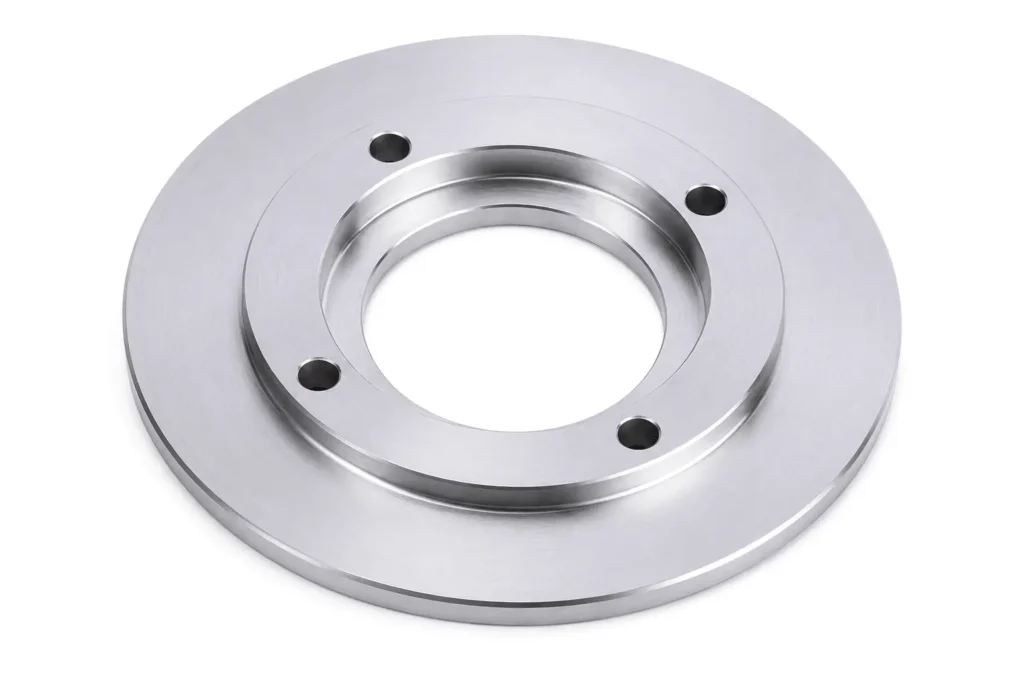

PEEK material is a specific kind of plastic that can withstand extremely high temperatures. It is part of a family of plastics called polyetheretherketone. It is not easily melted and is resistant to harsh chemicals, making it preferred by engineers.
In the manufacturing process, it is carefully cut by a computer-controlled machine, which requires it to withstand high temperatures. In some machines, it can be used as a substitute for heavy metals. PEEK CNC machining is used in a wide variety of sectors, including medical, aerospace, automotive, electronics, and more.
In this guide, you will discover how to utilize this hard plastic to the best of your project.
Key Takeaways
- Withstands high heat: Maintains accurate shape and strength at high working temperatures up to 250°C.
- Chemical resistance: ANSI standard for resistance to harsh acids, oils, and industrial solvents.
- Lightweight material: Good strength-to-weight ratio to effectively substitute heavy metal parts.
- Tight tolerance machining: Computer-controlled tools that make very precise cuts without wandering.
- Medical and aerospace applications: Compatible with human implants and resistant to external space environments.
- Long service life: High anti-friction, anti-rubbing, and daily wear resistance, so that parts do not need to be replaced often.
Why Is PEEK Material Used in CNC Machining?
The plastic is special because of its PEEK material properties. It can support a substantial weight without bending or changing its general shape. It is a good electrical insulator, meaning that electricity does not conduct easily through it. It’s also water-receptive and will not corrode in damp conditions.
Industries That Use PEEK
- Transportation: Airplanes must be lightweight in order to conserve fuel. Within the aircraft, PEEK components are used for custom CNC-machined tubes, valves, and electrical clips due to their non-flammable properties.
- Medical: This plastic is safe for the human body. It is used in medicine for implants in the spine, screws, and components in dentistry because it is not rejected by the body.
- Automotive: It is used in modern cars in hot engines and transmissions. It replaces heavy steel gears, thereby decreasing the total weight of the vehicle and total machining load.
- Electronics: It can be used in the circuit board and chip-making industry due to its ability to withstand high temperatures generated during soldering operations.
Advantages Over Metal and Plastic
This plastic is a compromise between light plastics and heavy raw metals.
| Property | PEEK | Aluminum | Nylon |
|---|---|---|---|
| Heat Resistance | Very High (Up to 250°C) | High (Melts at 660°C) | Low (Softens at 70°C) |
| Weight | Very Light (1.32 g/cm³) | Light (2.70 g/cm³) | Very Light (1.14 g/cm³) |
| Chemical Resistance | Excellent | Medium (Corrodes from acids) | Low to Medium |
| Strength | High for plastic | Very High | Medium |
How Does PEEK CNC Machining Work?
In order to achieve high-quality CNC machining peek, you must have the right hardware setup in place. Regular woodworking tools wear down rapidly and destroy the stock material.
- End mills: Sharp cutters with two or three grooves are best to cut out plastic chips quickly.
- Carbide tools: The solid carbide or diamond-tipped cutters remain sharp for extended periods of time compared to inexpensive steel tools.
- Coolant systems: A constant flow of liquid cleanses hot chips and maintains the tool’s temperature.
- Precision fixtures: The plastic block is held flat by strong clamps without crushing the soft edges.
Successful PEEK CNC machining requires sharp cutting tools, rigid workholding, controlled heat generation, and sufficient chip removal. Cutting parameters must also account for the material’s low thermal conductivity and tendency to deform under excessive clamping force.
CNC Milling Process
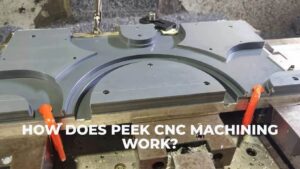
The milling process is a cutting process in which a solid plastic material is removed from a part or workpiece. In the production process of CNC turning and milling of PEEK material, it is essential to tightly clamp the plastic on the machine. A spinning cutter will travel over 3 or more paths to create intricate pockets, holes, and slots. The milling machine speed should be constant; otherwise, the stiffness of the material may cause vibration and cracking.
CNC Turning Process
The plastic block is spun at a high rate as a sharp, stationary tool removes material to form a round piece. It is ideal for the production of long rods, screws, and round seals. The cutting tool must move smoothly in the workpiece. Even if the tool stops for a fraction of a second, friction heat may cause melting of the smooth surface of the part.
Why Is PEEK Machinability Different From Other Plastics?
When a fast drill comes into contact with most common plastics, they transform into a sticky mess.
Heat Sensitivity
PEEK is a material that resists heat but is not capable of conducting heat rapidly. The heat remains at the point of the tool’s cut. If the heat is too high, the plastic will swell and alter its dimensions when it is cut.
Chip Control
This plastic can be cut into long, continuous strips rather than small dust crumbs. The long ribbons can be wrapped around the spinning drill. These wrapped ribbons can cause scratching of the part or a choke-up in the machine line if not managed properly when it comes to PEEK Machinability.
Dimensional Stability
This material holds its shape better than nylon or Delrin when cool. It does have internal stresses from the initial production of the plastic block, however. If the cutting is done too quickly on one side, then the inner stress is released, and the part twists out of shape.

How to Improve PEEK Machining Speeds and Feeds?
Managing the heat and stringy chips is a tough job, but with the right tools and speeds, it can be done cleanly.
Cutting Speed Selection
Selecting appropriate PEEK machining speeds and feeds helps prevent the plastic from overheating. The tool should travel through the plastic at a medium speed. If the moving speed is too high, the plastic will burn, and if it is too low, rubbing heat will occur, which will cause the deformation of the part walls.
Feed Rate Control
The feed rate refers to the speed at which the tool feeds into the block. A fast feed rate is ideal for rough cuts to get rid of bulk material. The final pass should be at a slower feed rate to produce a smooth professional finish.
Tool Temperature Management
The key to part success is the use of the best coolant systems for PEEK machining. A special oil is used in conjunction with clean water to keep the cutting zone cold. Blowing clean, cold air is preferred for medical parts since wet oil may contaminate the sterile plastic.
| Machining Factor | Recommended Practice |
|---|---|
| Cutting Speed | Keep between 50 and 100 meters per minute for crisp cuts. |
| Feed Rate | Use 0.05 to 0.15 millimeters per revolution to stop chipping. |
| Tool Material | Choose solid tungsten carbide or polycrystalline diamond tips. |
| Cooling Method | Apply continuous liquid flood coolant or pressurized cold air blast. |
| Surface Finish | Run a fast, light final cut with a very sharp tool radius. |
How to Machine PEEK Parts Efficiently?
To learn how to machine PEEK parts efficiently, you must start with heat treating, also called annealing. This process involves heating the plastic block slowly in a special oven and letting it cool down over many hours. This step removes internal stress so the plastic will not warp when the outer skin is cut away.

Machine Setup
Keep the cutting tools as short as possible inside the machine spindle. Long tools bend easily, which creates rough ridges on your parts. Use soft jaw clamps made of aluminum or plastic to hold the workpiece securely without denting the shiny surface.
Finishing Process
- Reduce vibration: Keep all machine tracks tight and oiled so the cutter does not bounce.
- Avoid overheating: Never let a dull tool rub against the plastic without cutting.
- Maintain sharp tools: Check tool edges under a magnifying glass every few hours for wear.
- Use stable clamping: Spread the clamp force evenly across the block to stop thin walls from flexing.
Why Do Manufacturers Prefer Custom PEEK CNC Machining?
Choosing custom PEEK CNC machining lets designers make intricate shapes that plastic molding machines cannot achieve. Injection molding can leave air bubbles inside thick parts, whereas CNC machines cut from a solid, reliable block.
Tight Tolerance Parts
Many high-tech projects require parts to match a drawing within a few thousandths of a millimeter. When you know how to manage CNC machining tight tolerance PEEK parts, you can make reliable components like fuel seals and surgical guides that fit perfectly every single time.
Small Batch Manufacturing
Making a metal mold for plastic casting costs thousands of dollars and takes weeks to build. Using custom CNC machined PEEK components lets you skip that expensive setup. You can load a digital file into the machine and create just five or ten custom parts quickly and affordably.
What Are the Main Benefits of PEEK CNC Machining?
The major benefits of PEEK CNC machining come down to extreme accuracy.
High Precision
Unlike soft plastics that flex away from a sharp knife, this material behaves a lot like brass. It cuts cleanly, allowing the machine to hit exact dimensions for delicate electronic pins and internal threads.
Chemical Resistance
Parts made from this plastic can sit inside wet engines or chemical tanks for years without rusting, softening, or changing shape. It resists damage from steam, making it easy to clean and reuse multiple times.
Long Product Life
Because it resists friction, it does not wear out when sliding against other moving parts. This durability saves money on machine maintenance and helps your operational bottom line by avoiding costly breakdown delays.
Why Are CNC Machining PEEK Services Important for Modern Industries?
Today, peek CNC processing is one of the best options for producing high-precision components that can be used for a long time.
Medical Applications
Hospitals depend on CNC machining PEEK services to get custom tools for complex surgeries. Since every human body is shaped differently, shops can quickly machine a custom-fit bone guide for a specific patient’s joint operation.
Aerospace Applications
Space satellites operate in extreme cold and hot cycles. Components machined from this plastic hold their size perfectly in deep space and do not emit harmful gas bubbles inside sealed rocket electronics.
Electrical Components
As microchips get smaller and faster, they generate intense localized heat. Connectors made from this high-grade plastic hold the metal pins straight without melting, preventing short circuits inside vital computer servers.
Conclusion
In summary, PEEK CNC machining is a vital manufacturing process for modern industry. It turns a tough, heat-loving plastic into highly accurate parts that easily replace heavy metal components. Using the right techniques allows you to create durable, high-precision parts ready for the most demanding environments.

Need Custom PEEK Parts for Your Project?
PEEK parts require careful control of cutting heat, workholding pressure, tool condition, tolerances, and surface quality. Send us your drawings, PEEK grade, dimensional requirements, application details, and order quantity for review. YD Rapid manufactures custom PEEK components for prototypes and low-volume production.
Frequently Asked Questions
How do you stop PEEK from warping during machining?
PEEK warps because heat builds up inside the plastic. To stop this, bake the PEEK material in an oven before cutting it. This is called annealing. Also, use sharp tools and lots of liquid coolant to keep it cool.
Why does PEEK warp when you cut it?
PEEK holds onto heat instead of letting it go. When the cutting tool presses hard, friction creates high heat. This heat makes the plastic expand and twist out of shape. Stress from manufacturing also causes it to warp easily.
How do you stop burrs from forming on PEEK?
Burrs form when the plastic bends instead of cutting cleanly. To fix this, use very sharp, diamond-coated tools. Move the tool fast, but cut a little bit at a time. Run the tool backward at the end to clean edges.
What is the best way to cool PEEK while cutting?
Use a continuous stream of water-based coolant while cutting PEEK. This washes away hot chips and keeps the part cold. For very clean parts, compressed cold air can also work. Never let the plastic get too hot, or it will melt.