Key Takeaways
- Stainless steel does not tarnish like silver. However, its surface can still become dull, stained, and discoloured.
- Moisture, salt, chemicals, welding heat, and dirt are some of the most common causes of surface staining.
- Different stainless steel grades offer different levels of corrosion resistance, so material selection is important.
- Surface finishes such as polishing and passivation help keep stainless steel cleaner and improve corrosion resistance.
- Regular cleaning removes surface deposits before they develop into permanent stains.
- Selecting the right material and finish helps stainless steel parts keep their appearance for a longer time.
Introduction
A stainless steel part can leave production with a bright surface and still look different after months of service. Heat from welding may leave coloured oxide layers. Salt deposits can form brown staining near joints and fasteners. Water left on the surface may dry into visible marks. None of these changes automatically mean the stainless steel has started to corrode.
During manufacturing, the material grade is only one part of the decision. Surface finish, fabrication methods, cleaning after machining, and the operating environment all influence how the finished component looks over time. Two parts made from the same stainless steel grade can show very different surface conditions simply because they were finished differently and used in different environments.
This article will cover:
- The conditions that change the appearance of stainless steel
- The difference between surface staining and corrosion
- Practical methods to reduce discoloration
- The finishing processes commonly used to improve long-term surface performance
Does Stainless Steel Tarnish Over Time?
The surface of stainless steel remains more stable than many other metals under normal service conditions. Common wear and tear on stainless steel parts include brown stains, heat tint, water marks, and dull areas. Such changes are generally superficial and may not necessarily be the first signs of corrosion.
Does It Tarnish?
Unlike silver, stainless steel will not tarnish or corrode. A tarnish layer is formed on Silver by a chemical reaction with sulphur compounds in the air. It’s different in stainless steel, where chromium forms a thin film on the surface which protects the metal. This layer is used to prevent corrosion but, after exposure to some conditions, the surface may become stained, discoloured and lose its original finish.
What Changes First?
Initial indications are typically on the material’s surface and not in the interior. This can leave water spots, fingerprint marks can show up more clearly, welding can cause heat tint, and brown staining can occur in salt, dirt, and moisture-prone areas. These alterations impact the part’s look, but frequently leave the stainless steel unaltered.
Is It Corrosion?
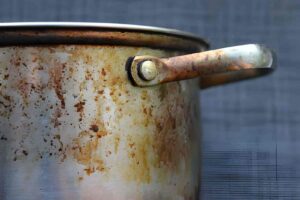
Surface staining and corrosion are not necessarily the same condition. If the surface is stained, it may be possible to remove the stain from the surface without removing the base material if the protective layer is not removed.
Corrosion is a problem when the formation of rust, pitting, and metal loss occurs. A thorough inspection of the surface can help to identify if it just needs a simple cleaning or a more in-depth treatment.
Which Stainless Steel Grades Resist Staining Better?
After the part has been put into operation, the stainless steel grade affects the rate of change of the surface. Two identical components performing in the same environment can have different surface conditions. Therefore, engineers typically choose the grade to consider the service condition rather than appearance.
Stainless Grade 304
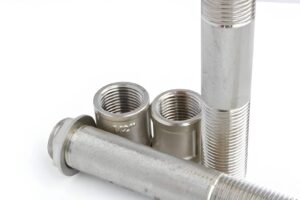
Typical applications of grade 304 include machine components, food equipment, enclosures, brackets, and various fabricated parts. It is effective in clean indoor areas and in normal washdown. When salt is on the surface for extended periods, brown staining typically is first observed in areas around welds, joints, fasteners, and areas that are kept wet.
Stainless Steel Grade 316
Grade 316 is frequently chosen when the component will be near seawater, process chemicals, cleaning solutions, and disinfectants. In these conditions, the surface will stay cleaner longer than Grade 304, thus decreasing the number of cleaning and surface restoration that need to be performed during service.
Duplex Stainless Steel
Grade 2 is used for duplex grades, which tend to be preferred for equipment that will be used in an aggressive environment and will run continuously. Structures, pumps, valves, pressure equipment, and desalination systems are among the examples. The surface is more resistant to chloride attack and is more stable after prolonged exposure.
Ferritic Stainless Steel
Ferritic grades are commonly used for appliance panels, decorative trim, automotive components, and interior architectural applications. They are generally good for dry service but may suffer early surface staining due to salt and industrial deposits when in continuous exposure service.
Comparison of Common Stainless Steel Grades
| Grade | Common Parts | Typical Service Environment | Surface Behaviour | Selection |
| 304 | Brackets, machine frames, food equipment, enclosures | Indoor, light industrial | Good appearance with routine cleaning | General engineering parts |
| 316 | Marine fittings, medical equipment, chemical tanks, pumps | Coastal and chemical service | Better resistance to surface staining | Chloride exposure |
| Duplex | Valves, pressure vessels, offshore structures | Heavy industrial, offshore | Surface remains stable under severe exposure | High corrosion service |
| Ferritic (430) | Appliance panels, trim, exhaust parts | Dry indoor environments | Suitable for mild exposure | Decorative and cost-sensitive parts |
The operating environment should be reviewed before a stainless steel grade is specified. Moisture, chlorides, cleaning chemicals, fabrication methods, and the required surface finish all influence how the surface performs after installation.
Engineers usually review these points during material selection.
- Will the part operate near seawater?
- Will salt remain on the surface?
- Will chemical cleaners be used?
- Will the part be welded?
- Will the surface remain visible?
- Which surface finish is specified?
- How often will the part be cleaned?
- Is appearance part of the design requirement?
Which Environments Cause Surface Staining on Stainless Steel?
Surface staining of stainless steel can occur in virtually all environments if moisture, salt, chemicals, and/or contaminants are allowed to stay on the surface for extended periods. When choosing the material, the service conditions must be taken into account to minimize maintenance later on.
Coastal Areas
Every day, stainless steel surfaces become coated with salt from sea air. Unless it is removed, the salt will pull moisture to its surface and enhance the risk of surface staining.
Generally, coastal areas require more regular cleanings of the parts, and higher grades of stainless steel are chosen for improved corrosion resistance.
Food Processing
Food residues and cleaning chemicals keep the surface moist for extended periods, and washdowns occur constantly. Ingredients like salt, vinegar, and acids will also form deposits if not removed.
- Regular cleaning and appropriate materials ensure the surface remains in good condition.
Chemical Plants
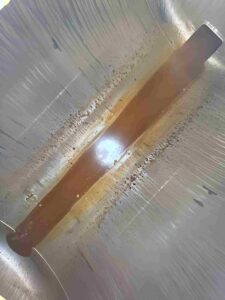
Acids, alkalis, solvents, and process chemicals can all remain in chemical processing equipment. Certain chemicals are more corrosive to the protective oxide film than others, particularly if they are left on the surface after processing.
- The stainless steel grade should be compatible with the process chemicals.
Outdoor Service
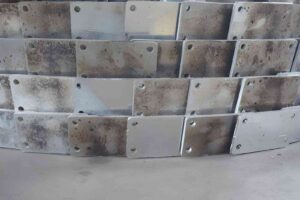
Outdoor equipment is often subject to rain, dust, humidity, and temperature swings all year round. Contamination from dirt and moisture can gather in areas around joints, fasteners, and enclosed spaces, which are more prone to surface staining.
- Cleaning on a regular basis will help prevent the accumulation of these deposits.
Indoor Equipment
These parts are normally subjected to lower conditions inside, but may still stain. If sinks, kitchens, and areas for product manufacturing aren’t cleaned regularly, there can be dust, fingerprints, cleaning residue, and moisture.
- Regular maintenance can sustain the appearance of stainless steel even indoors.
How Can Stainless Steel Be Protected?
Stainless steel stays in good condition if the right material is selected and the surface is looked after during service. In many cases, surface staining starts because contaminants remain on the surface for too long. A few practical steps can help reduce this risk.
Material Choice
Start by selecting a stainless steel grade that suits the working environment. For example, parts used near the sea, in chemical plants, or in food processing often need higher corrosion resistance than parts used indoors. Choosing the correct grade at the beginning helps reduce surface staining later.
Surface Treatment
The surface finish also plays a pivotal role. Polished and passivated surfaces are easier to clean because dirt and moisture have fewer places to collect. If welding is involved, remove heat tint and clean the affected area before the part goes into service.
Regular Cleaning
Regular cleaning removes salt, dust, oil, and other deposits before they build up on the surface. Use cleaning products made for stainless steel and rinse the surface with clean water if it has been exposed to chemicals or salt.
Proper Storage
- Store stainless steel in a clean, dry place before installation.
- Keep it away from carbon steel, wet packing materials, and chemical containers.
- Good storage practices help keep the surface clean and reduce the chance of contamination before the part is put into service.
Can Surface Stains Be Removed?
Yes, if the stains are treated early, they can be removed from the surface. The optimal cleaning type will vary depending on the stain cause and the time it’s been on the surface.
- Use the least intense treatment first, and then stronger treatments as needed.
Light Stains
Usually, fingerprints, water marks, dust, and dirt stains are cleaned using warm water, a mild detergent, and a soft cloth. Wash the surface with clean water, and pat dry to prevent additional water spots.
Heat Tint
Heat tint occurs after welding due to extreme temperatures. This layer can only be removed from the part before service, particularly in corrosive environments. The most frequently used methods for regaining the surface are:
- Pickling paste
- Chemical cleaning
- Mechanical polishing
- Passivation
Rust Marks
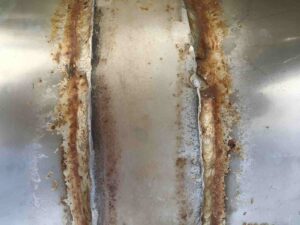
Often, stains that occur as rust are not caused by the stainless steel but rather by iron particles that have adhered to its surface. This contamination can typically be removed by means of a stainless steel cleaner, passivation treatment, and gentle polishing.
Please do not use carbon steel brushes as they may deposit new particles of iron on the surface.
Surface Restoration
If the surface is dull, scratched, and heavily stained, further finishing might be necessary. Mechanical polishing may be used to enhance the appearance, and passivation may be used to restore the protective oxide film after cleaning. Regular cleaning will maintain the good condition of the surface once it is restored.
What Happens During Manufacturing?
Surface properties are modified during the manufacturing process. Every operation leaves its own marks, and the following operation acts on the surface created by the previous operation. Therefore, it is important to test the surface at each step.
CNC Machining
The surface produced during machining becomes the starting point for any later finishing process. Feed marks and tool paths are visible after machining due to cutting tools.
The surface condition is related to the type of cutting tool, cutting parameters, and the surface requirements of the drawing.
Welding Scale
During welding, a heat-affected zone is created around the weld. These colours of blue, brown, and dark oxide may occur when the weld cools. Typically, these oxides are removed before the part proceeds to the next operation.
Surface Cleaning
The surface may leave metal particles, cutting fluid, polishing compounds, and grinding residue after the machining. These materials are removed by cleaning before the next manufacturing process. An uncluttered surface also eases inspection.
Final Finishing
The finishing is done according to the drawing specification. Brushing, polishing, bead blasting, passivation, and electropolishing are a few common finishes. These processes alter the surface appearance of the finished part to yield a different finish.

Frequently Asked Questions
Does stainless steel lose its shine over time?
A bright stainless steel surface can become dull after long exposure to dirt, moisture, cleaning chemicals, and daily handling. The change is usually limited to the surface. It can be improved through cleaning, polishing, and suitable surface treatments.
Why does stainless steel develop brown spots?
Brown spots often appear after salt deposits, standing water, and airborne contaminants remain on the surface for long periods. Welded joints, fasteners, corners, and horizontal surfaces usually show these marks first because they retain moisture more easily.
Can fingerprints damage stainless steel?
Fingerprints do not damage stainless steel immediately, but the oils and salts left on the surface can become more visible over time. Regular cleaning is recommended for decorative panels, kitchen equipment, medical devices, and polished components.
Does polished stainless steel stay cleaner?
A polished surface is smoother than a rough machined finish, making it easier to remove dirt, moisture, and fingerprints during cleaning. This is one reason polished finishes are commonly selected for food processing and medical equipment.
Why does stainless steel change colour after welding?
The heat produced during welding forms an oxide layer around the weld, often called heat tint. This colour change is removed by pickling, passivation, mechanical polishing, and other approved post-weld cleaning methods.
Can passivation prevent surface staining?
Passivation strengthens the natural protective oxide layer after machining and fabrication. Although it cannot prevent every type of staining. It can improve the surface condition and help reduce contamination during service.
Which finish is best for outdoor stainless steel?
The choice depends on the operating environment. Brushed finishes are common for architectural products, while polished and electropolished finishes are often selected for coastal locations because they are easier to clean and hold fewer surface deposits.
How Does YD Rapid Machine and Finish Stainless Steel Parts?
Stainless steel requires suitable machining parameters, careful surface handling, and appropriate finishing to achieve the required part quality. At YD Rapid, every project is reviewed according to the selected material grade, drawing requirements, and intended application before production begins.
Our Stainless Steel Manufacturing Capabilities
- CNC milling and CNC turning for simple and complex stainless steel components.
- Support for 303, 304, 316, 316L, 17-4 PH, 410, 420, 430, duplex stainless steels, and other commercial grades.
- Prototype, low-volume, and production manufacturing.
- Surface finishing options including polishing, brushing, bead blasting, passivation, electropolishing, and laser marking.
- Engineering review to identify machining challenges before production.
- Inspection using CMM, height gauges, thread gauges, and other measuring equipment according to drawing requirements.
- Material certifications and inspection reports available upon request.
If your project includes stainless steel components, our engineering team can review your drawings, recommend suitable materials and surface finishes, and provide a quotation based on your manufacturing requirements.