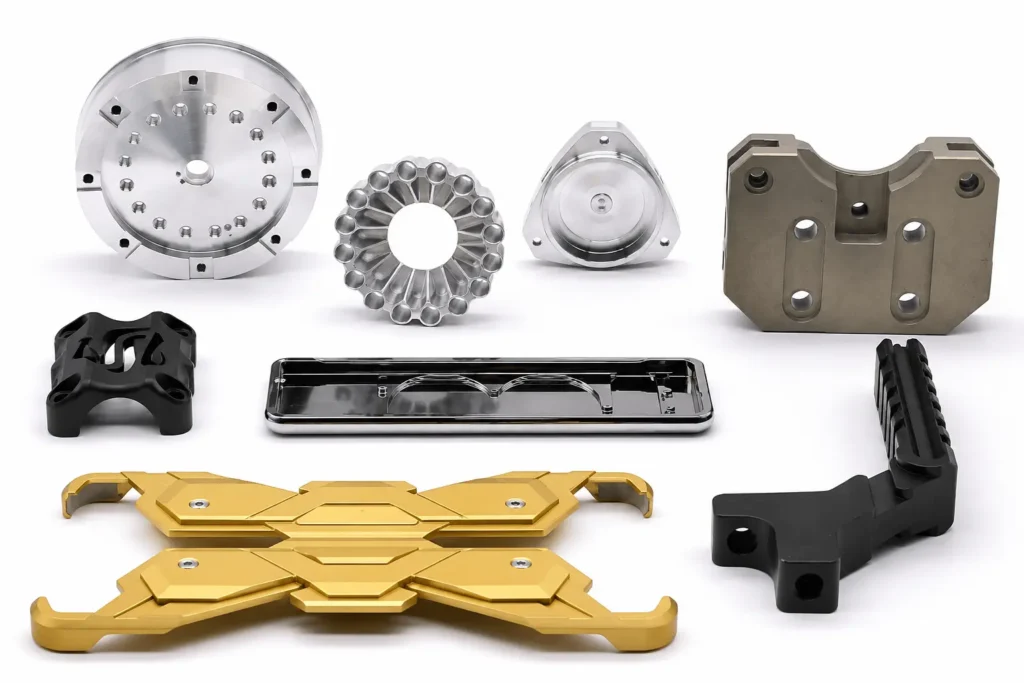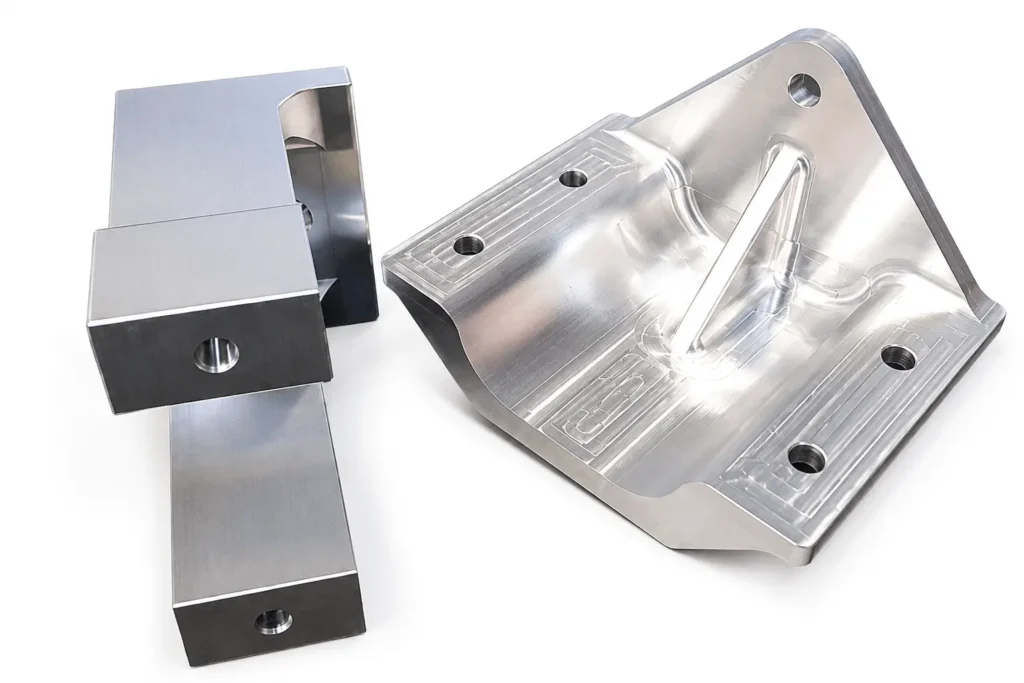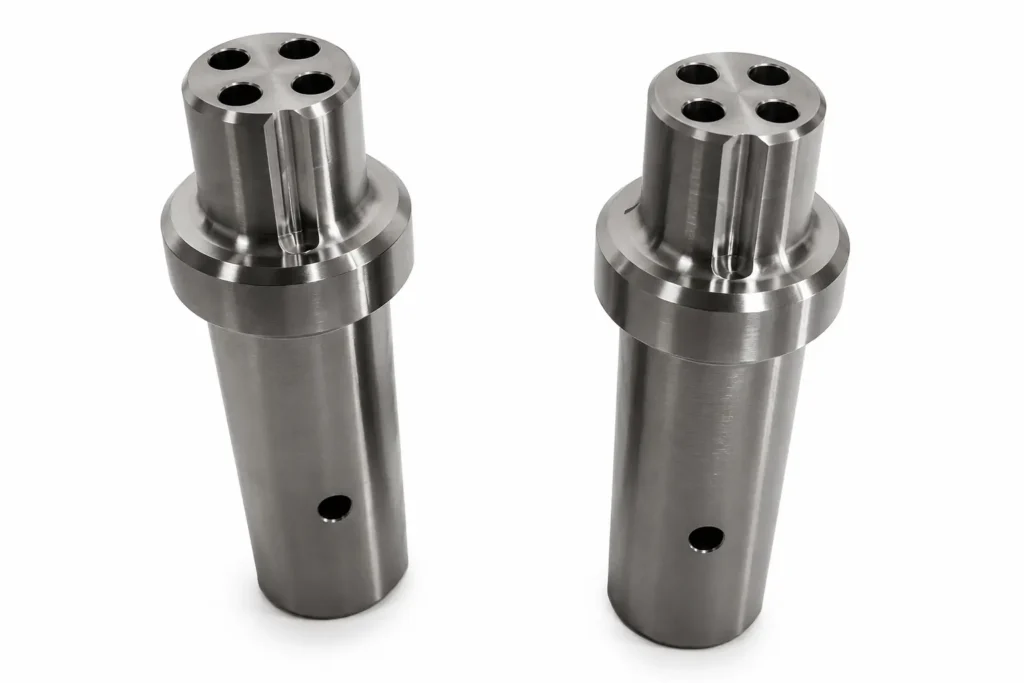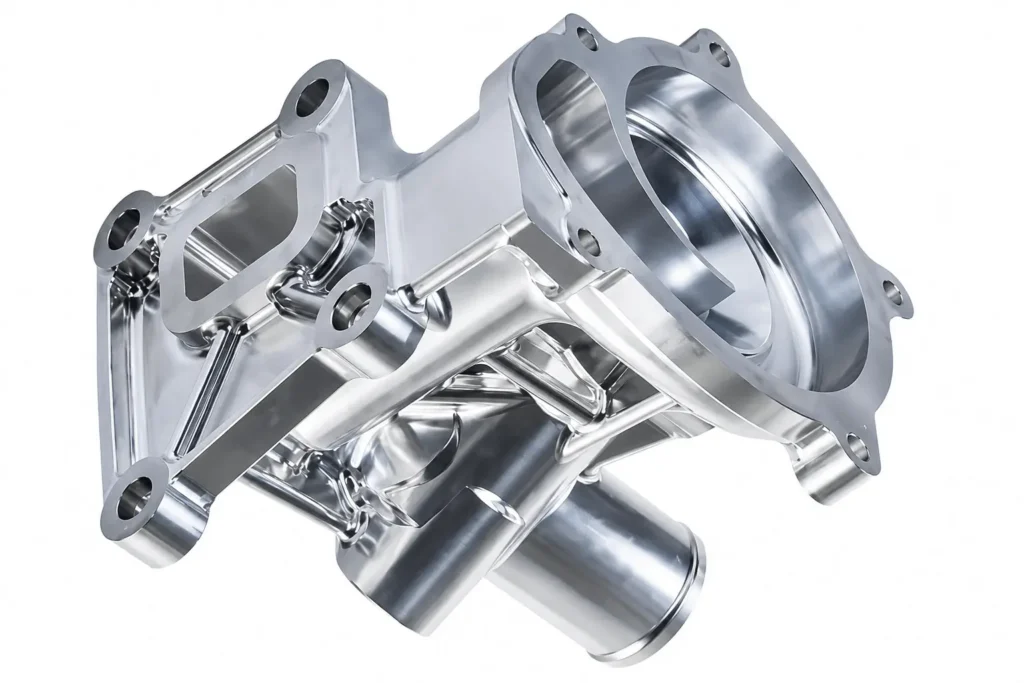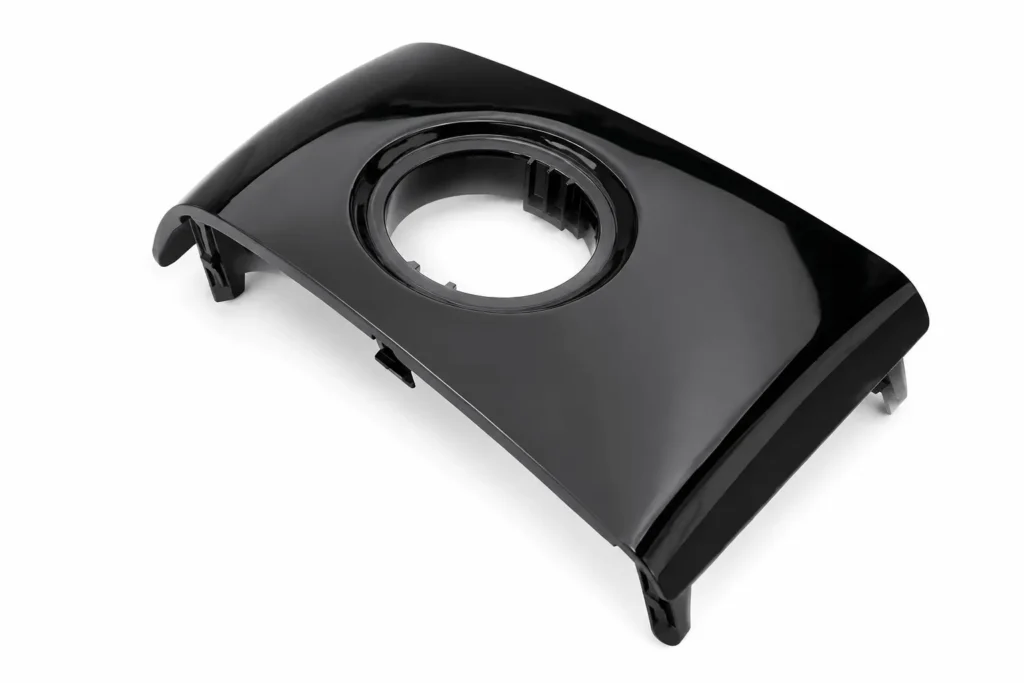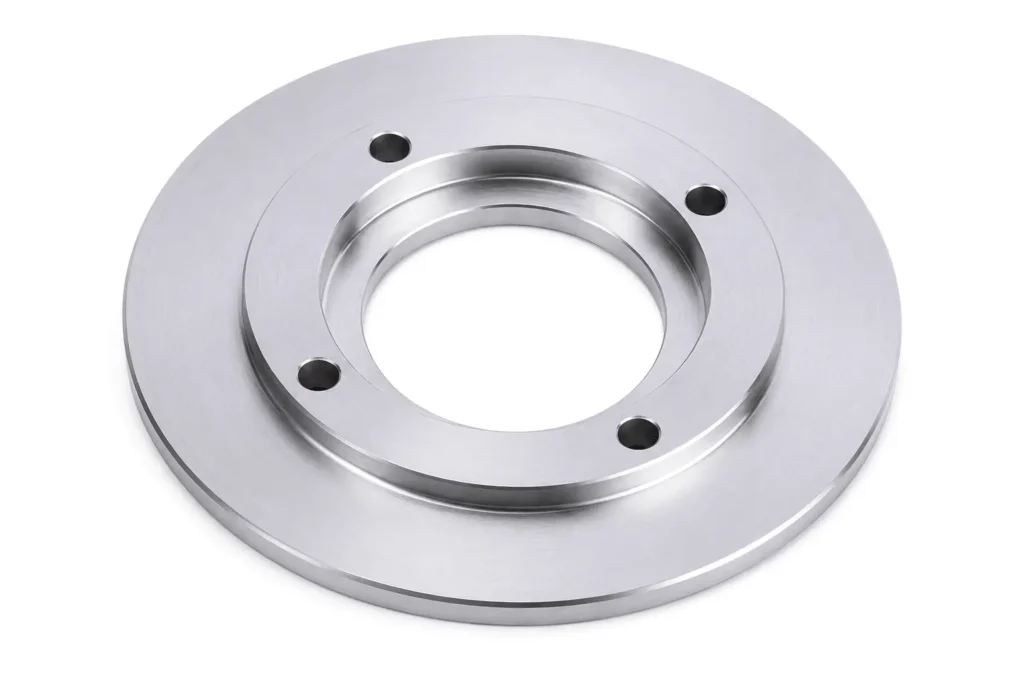
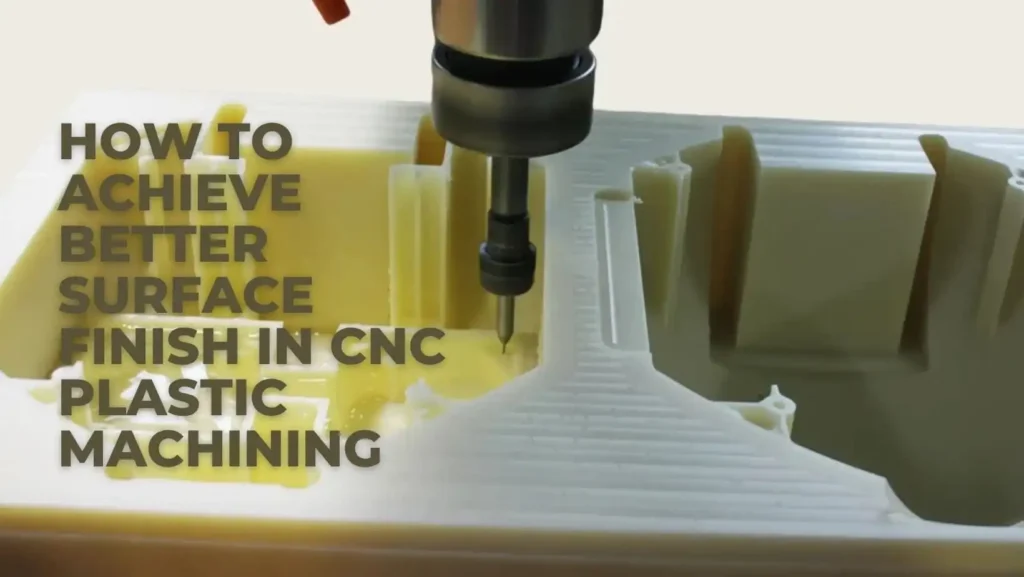
Surface finishing is one of the most critical factors in measuring the quality of parts in modern manufacturing. A plastic part that meets all dimensional tolerances can still not meet the customer’s expectations if tool marks, burrs, stress whitening, melting, or surface inconsistencies can be seen on the surface. Surface quality directly affects the long-term reliability, wear resistance, assembly performance, and appearance of a product.
A good finish for plastics is more difficult to obtain than it is for metals. The melting point and thermal conductivity of most engineering plastics are lower than those of metals, and the elasticity is higher. When the machine is operating, heat is generated in the immediate vicinity of the cutting area, but not removed by the material. Therefore, the surface quality of the final part is greatly influenced by the quality of the tooling, cutting parameters, and machine stability, even for small changes.
In this article, you will learn about the:
- In CNC plastic processing, the surface finish of the processed parts not only determines the appearance but also impacts their functionality.
- Applications will require sharp tools, correct feeds and speeds, and heat control to achieve quality results.
- The surface smoothness that can be achieved depends on the material selected.
- The defects are minimized by the effectiveness of the chip evacuation and machine stability.
- Performing operations to complete and ensure consistency in the process helps get better surface quality.
What is Surface Finish in CNC Plastic Machining?
The quality of the surface finish of a machined surface, as determined by the texture and smoothness of the surface after machining has taken place. It is usually determined by a roughness number like Ra, which represents the amount of micro peaks and chips that are left by the cutting tool.
Surface finish in plastic machining is more than just appearance. A smoother surface can, in some cases, decrease friction, increase sealing capabilities, decrease wear, and allow parts to fit together more accurately. In industries like medical devices, electronics, and aerospace manufacturing, the quality of the surface is often a critical functional requirement, and not just an aesthetic.
The ability to produce a well-finished plastic part shows the ability of the machine and also the stability and consistency of the production system.
Understand What CNC plastic machining is.
CNC plastic machining is a subtractive manufacturing method that uses computer-controlled cutting tools to remove material from a plastic part to produce a plastic part. CNC machining is a process where material is removed from a solid block, rod, or sheet to create the desired shape, as opposed to molding processes where the parts are shaped inside a mold.
Common types of plastic CNC machines are used to work on milling, turning, drilling, routing, and contouring. It is used for both prototype and production parts due to its high dimensional precision and flexibility of material.
The materials used for CNC plastic machining include PEEK, PTFE, Delrin, Polycarbonate, Acrylic, Nylon, ABS, UHMW, and PVC. The conditions for the process are different for each material, and optimization to obtain a better surface finish is required.
CNC Machining Plastics: How Does It Work?
It starts with a digital CAD model, which determines the geometry of the part. This model is then used by CAM software to generate machine instructions to drive spindle speeds, feeds, cutting depths, and tool movements.
After the material is fixtured securely, the machine removes material by performing a series of roughing and finishing operations. Roughing makes use of the most efficient material removal, and finishing passes are used to enhance dimensional accuracy and surface quality.
Unlike metal machining, it is very important to control the cutting temperatures when machining plastic. Too much heat can cause the material to soften, which can cause smearing, burr formation, or even partial melting. Therefore, the selection of the suitable spindle, feeds and speed in CNC plastic machining, cooling, and machine stability are important factors in successful plastic machining.
What are the key factors that impact surface finish in CNC Plastic Machining?
There are a number of factors that can affect the surface quality of the components after being machined from a plastic material. All of these factors are important in themselves, but the most successful results are obtained when all factors are used as part of a controlled machining process.
Sharpness of tools and the Edge Quality
One of the most significant factors that can impact surface finish is the condition of the tool. If a sharp cutting edge cuts the material, it will cleanly shear it and minimize burrs. With wear, the cutting action gradually converts to a pressing or rubbing action. This generates additional heat and frequently causes stringing, tearing, and rough surfaces.
With plastics, it becomes even more important to keep tools sharp, since they are more susceptible to deformation than metals are. A slight edge wear can cause significant defects in the surface finish of the final product.
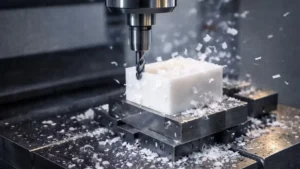
Material Properties
Each type of plastic has unique characteristics when it comes to machining. Acrylic can be finished very smoothly, but it can crack if the conditions of machining are not carefully controlled. Polycarbonate is very tough but can stress-whiten if there is too much heat generated. PTFE is very soft and prone to deformation under cutting forces, whereas PEEK requires very stable cutting conditions for optimum surface quality.
Below is a summary of the relationship between the material selected and achievable finish quality.
| Material | Surface Finish Characteristics |
| Acrylic (PMMA) | Excellent optical finish potential |
| Delrin (Acetal) | Consistently high-quality machined finish |
| Polycarbonate | Smooth finish with careful heat control |
| PTFE | Soft material requiring specialized tooling |
| PEEK | Excellent finish under stable machining conditions |
| Nylon | Good finish, but affected by moisture absorption |
Heat Generation during the Process of Plastic Machining
The most difficult thing in CNC plastic machining is controlling the temperature. Most plastics have poor heat conductivity, so the temperature can quickly rise around the cutting edge of the tool. Localized melting, glossy edges, dimensional instability, or discoloration of the surface may be caused by excessive heat.
Poor thermal management is responsible for many seemingly tooling-related machining issues. Adopting the correct spindle speeds and tooling often isn’t the best way to get a good surface finish; it’s better to get it via heat control.
Machine Rigidity and Vibration
The stability of the machine is a crucial factor in determining the surface quality at the end. Plastic surfaces suffer from visible chatter marks or patterns caused by a small amount of vibration. These imperfections are more apparent in plastics than in metal machining, but in some cases, vibration is allowed.
Chip Evacuation
Another one of the factors that is often not considered is chip removal. If chips are stuck between the tool and the part, they may be re-cut many times, causing scratches and heat build-up. The problem related to chip control in plastic CNC machining is exacerbated with the machining of deep pockets, slots, or complex shapes.
Satisfactory air blasting systems and effective toolpath planning allow continuous cutting without interruption and help to ensure surface uniformity.
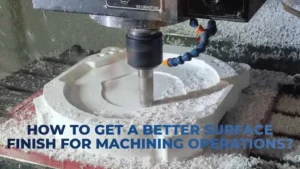
How to get a better surface finish for machining operations?
Surface finish optimization should not only concern a single parameter in the machining process, but the entire process. The most successful manufacturers consistently produce results by controlling the process, managing the tools, and finishing strategically.
Optimize Feeds and Speed for CNC Plastic Machining
The feeding rate and spindle speed are directly related to surface quality. Rubbing instead of cutting can be caused by too low feed rates, whereas too high feed rates can result in visible tool marking.
What you want to accomplish is to keep the cutting action going while minimizing the heat generated while cutting. Different combinations of cutting conditions will give different productivity and surface quality, but in general, a balance between cutting conditions will yield the best results in terms of productivity and surface quality.
| Material | Recommended Cutting Speed | Typical Feed Strategy |
| Acrylic | High | Moderate feed |
| Polycarbonate | Moderate-high | Moderate feed |
| Delrin | High | Medium to high feed |
| Nylon | Medium | Moderate feed |
| PEEK | Medium | Controlled feed and speed |
| PTFE | Low-medium | Light feed |
Why are Roughing & Finishing Operations Separated?
A good way to add surface finishing to CNC plastic machining is to divide up the roughing and finishing strategies. The intent of roughing passes should be to remove material efficiently, and that of finishing passes should be to impart good surface quality only.
Enhance cooling and thermal control.
Thermal management is always needed for plastics, but not necessarily flood coolant. Processes such as air cooling, compressed air systems, and optimized cutting parameters can provide adequate control of heat without any need for contamination concerns.
CNC Surface Finish Chart
The following CNC surface finish chart provides a general reference for commonly achieved surface roughness values in machining operations.
| Surface Finish | Ra Value (µm) | Typical Appearance | Common Application |
| Rough Machined | 6.3 – 12.5 | Visible cutter marks | Functional components |
| Standard Machined | 3.2 – 6.3 | Moderate smoothness | General engineering parts |
| Fine Machined | 1.6 – 3.2 | Smooth texture | Precision assemblies |
| Precision Finished | 0.8 – 1.6 | Very smooth | Medical and aerospace components |
| Polished | 0.2 – 0.8 | Glossy appearance | Consumer products |
| Mirror Finish | Below 0.2 | Highly reflective | Optical applications |
What are the best CNC Operations for Plastics?
The surface finish of the plastic parts varies with the type of machining process. Milling continues to be the most flexible technique to obtain a good finish on a complex shape, while turning is commonly used for cylindrical parts that need to be very concentric and have a high surface quality and uniformity.
Multi-axis machining centers are often the most efficient option for achieving a good surface finish due to their ability to engage tools in a smoother manner and optimize tool paths. When the appropriate tooling and machining parameters are available, drilling and routing can yield satisfactory finishes as well.
Best Practices for Maintaining a Smooth Surface in CNC Plastic Machining
To keep the surfaces smooth all the time calls for a disciplined manufacturing procedure. Sharp tools need to be checked and changed before they begin to wear out significantly. The vibration-related defect can be avoided by regular checking of the machine calibration and spindle condition.
The toolpaths should be designed to minimize sudden changes in direction and excessive amounts of tool engagement. The maintenance of the Chip Evacuation System should be done without causing recutting and to ensure that the machine parameters used do not vary from one lot to the next.
Above all, surface finish should not be considered as a single variable of the machining process, but as the effect of process stability. Repeatable systems are typically used to achieve surface quality, rather than individual adjustments.
Conclusion
In order to get better surface roughness in CNC plastic processing, the knowledge of the material, the selection of suitable production equipment, machining parameter optimization, machine stability, and heat treatment should be combined. Plastics can be different from metals in their response to cutting forces and heat generated during the cutting process, so manufacturers need to employ specialized cutting strategies to avoid burring, melting, chatter, and stress whitening.
Through the knowledge and understanding of key factors for surface finish in CNC plastic machining, and adopting the effective process control, manufacturers can promote the production of the surface with high quality, high precision, and consistency in order to produce high-quality plastic parts and meet the functional and aesthetic requirements.

A better surface finish starts with the right plastic, sharp cutting tools, stable workholding, suitable machining parameters, and proper chip removal. YD Rapid manufactures custom CNC plastic parts based on your drawings, material requirements, tolerances, and surface-finish specifications.
FAQs
1. How to get a good surface finish when machining plastic?
A good surface finish is obtained when sharp tools are used, feeds and speeds are optimized, heat generation is controlled, chip removal is optimized, and dedicated finishing passes are made.
2. What is the most important factor influencing surface finish?
These are the main factors: the sharpness of the tools, properties of the material, cutting parameters, generation of heat, rigidity of the machine, evacuation of the chip, and the design of the toolpath.
3. How to make the surface of CNC plastic machining smoother?
The surface roughness can be improved through the following methods: decreasing vibration, using sharp cutting tools, optimizing cutting parameters, better cooling, and using appropriate finishing processes.
4. What is the purpose of CNC surface finish?
The interaction between the cutting tool and the workpiece material gives the surface finish. Overall surface texture is affected by the interaction between tool geometry, cutting conditions, machine stability, and thermal control.