

Medical CNC Machining: What Matters for Precision Medical Parts
Medical CNC machining is often used for parts that cannot simply be made to a nominal size and sent to
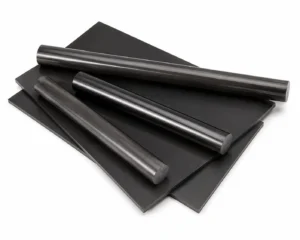
Torlon 4301 PAI: Material Properties, CNC Machining, and Applications
Torlon 4301 PAI is a glass-fiber-reinforced polyamide-imide. Usually, it is used for parts that face high loads, wear, and elevated temperatures. It provides good strength, dimensional stability, and low friction. These features make it suitable for bushings, bearings, seals, and electrical components.
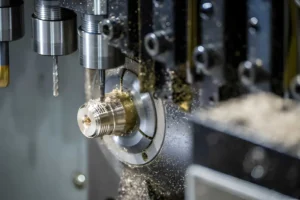
CNC Turned Parts: Common Features, Tolerances, Materials, and Design Guidelines
A CNC-turned part is usually recognized by its round features: a shaft with several diameters, a bushing with a bore, a threaded stud, or a sleeve with an internal and external diameter.
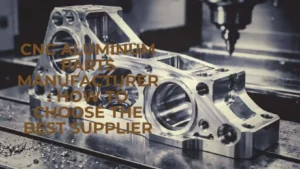
CNC Aluminum Parts Manufacturer: How to Choose the Best Supplier
Finding a CNC aluminum parts manufacturer requires quality service, reasonable pricing, and fast shipping. Aluminum CNC parts manufacturing is very important in many sectors, including healthcare, aviation, and automotive, in order to run operations efficiently.
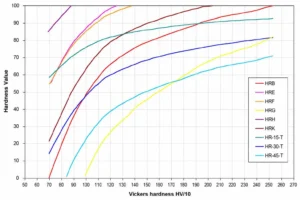
Material Hardness Testing: Rockwell, Brinell, Vickers, and Hardness Conversion
Material hardness is an important property when selecting and inspecting metals for manufactured parts. It indicates how well a material resists indentation, wear, and permanent deformation.
Phosphate Coating for Steel Parts: Types, Corrosion Protection, and Design Considerations
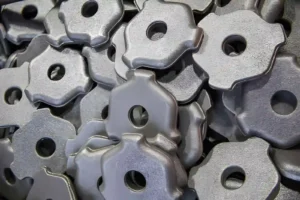
Phosphate coating is used on steel for a different reason than a plated finish. The treatment reacts with the prepared steel surface and forms a phosphate crystal layer. That layer can then serve as a base for paint or retain oil on a mechanical component.
4 Axis Vs 5 Axis CNC Machining: Part Geometry, Accuracy, Setup, and Cost
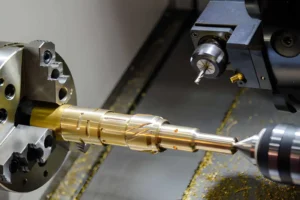
A 4-axis machine can reach more sides of a part without removing it from the fixture. A 5-axis machine goes further by moving the tool and workpiece through multiple angles during the cut.
Polycarbonate CNC Machining: Tooling, Cutting Parameters, and Crack Prevention
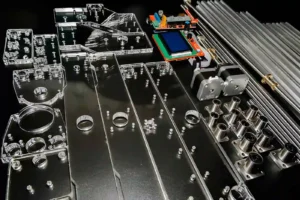
Polycarbonate is easier to cut than many engineering materials. However, obtaining a clean machined part requires control over heat, chips, and cutting pressure.
304 Stainless Steel Machining: Work Hardening, Tool Selection, and Cutting Strategies
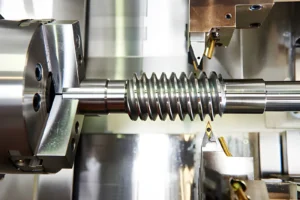
304 stainless steel is a common material for CNC machined parts. Many shops machine it every day for housings, brackets, shafts, fittings, and equipment components. The material cuts differently from aluminum and low-carbon steel, so machining conditions usually need closer attention.
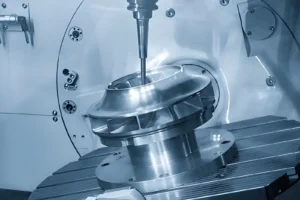
What Is 5-Axis Milling? Machine Configurations, Capabilities, and Part Design Considerations
If you’ve ever looked at a machining drawing and wondered how every feature could be produced without repositioning the part several times, that’s usually the point where 5-axis machining enters the discussion. It isn’t selected because the machine has more movement.
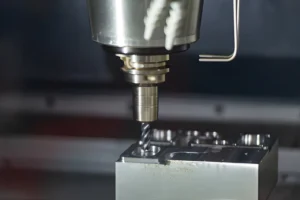
CNC Milling vs Turning: Differences, Part Shapes, Tolerances, and Cost
A CNC part rarely starts with the question, “Should it be milled or turned?” Instead, the drawing usually provides the answer. A shaft with multiple diameters naturally follows a turning process, while a mounting plate with pockets and drilled holes requires milling.
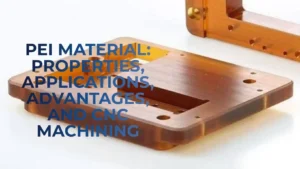
PEI Material: Properties, Applications, Advantages, and CNC Machining
Good-quality material is needed by modern-day manufacturing in order to do tough jobs. The PEI material is one of the best materials that can be used because it works well where other plastics have failed. It is strong and heat-resistant.