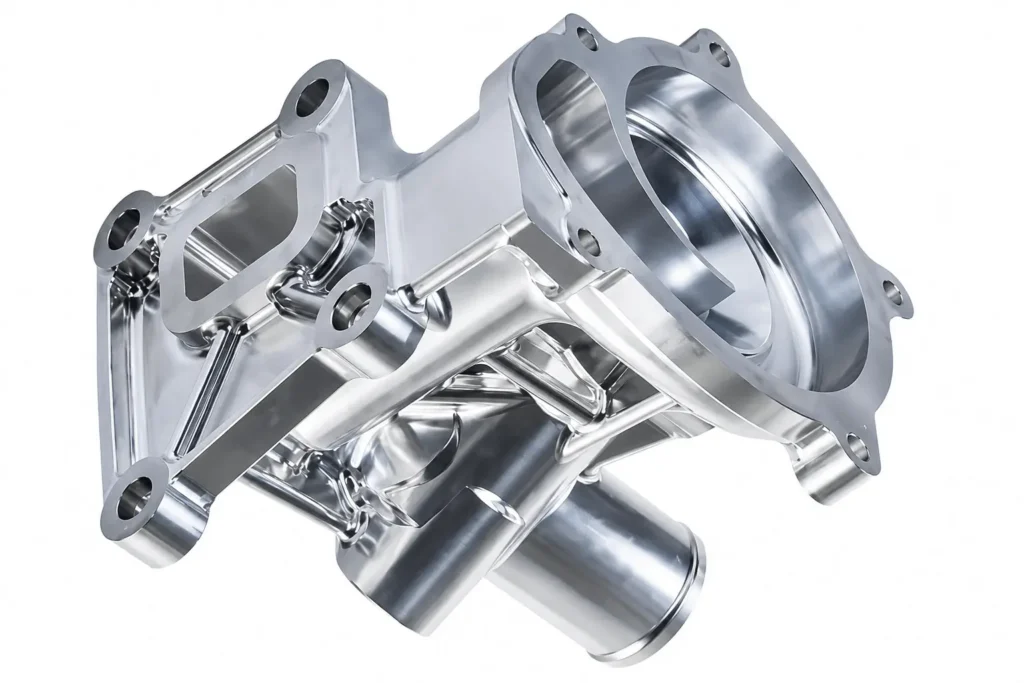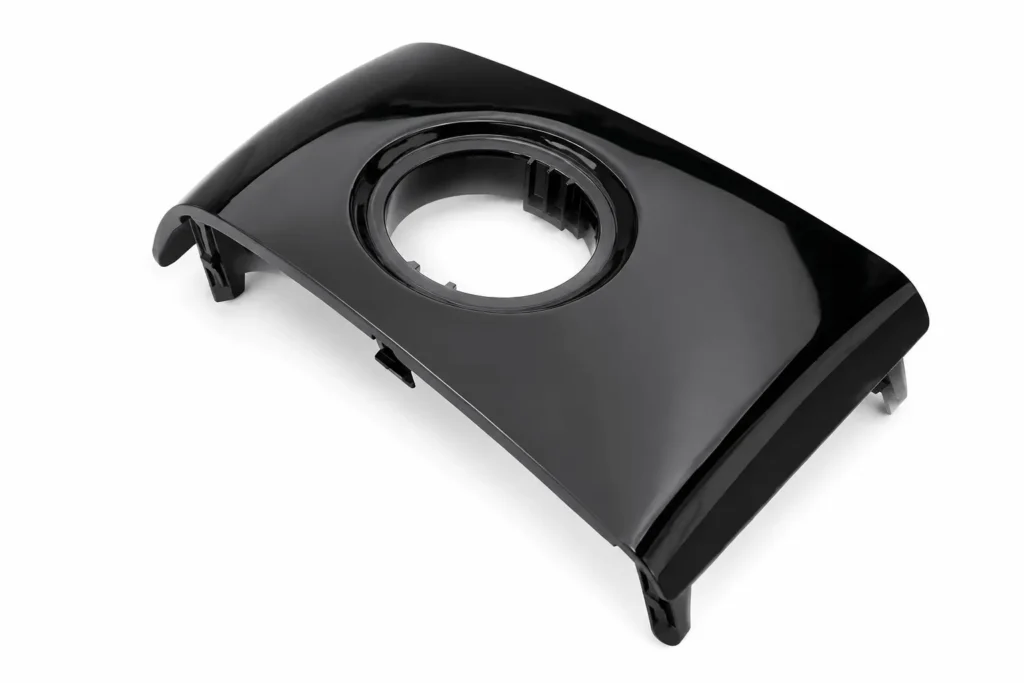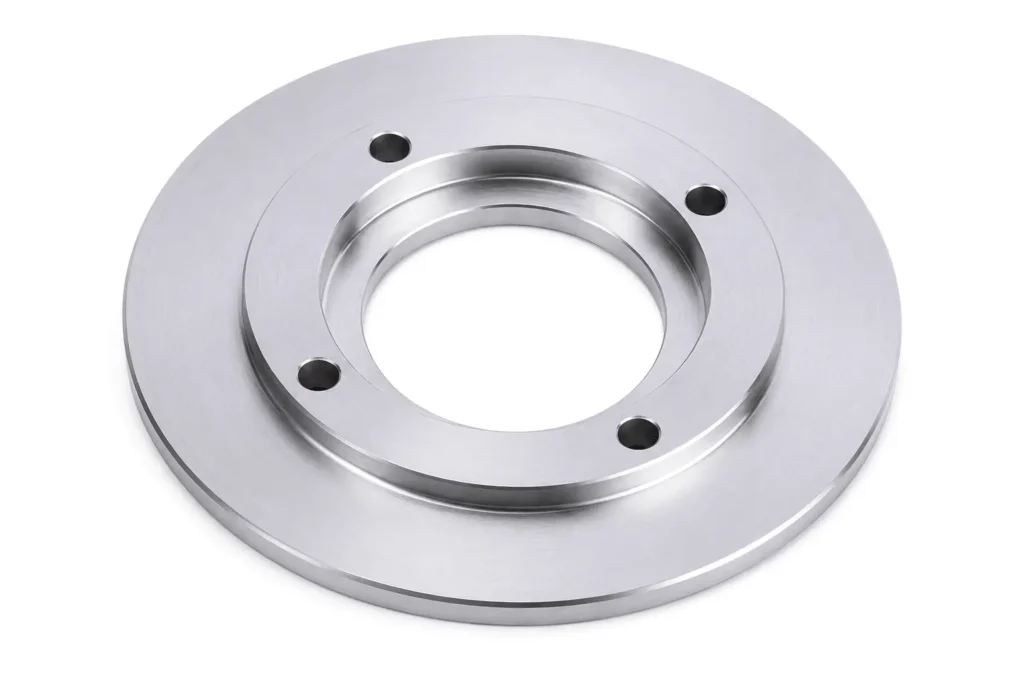
Custom machined parts often need permanent markings during manufacturing, assembly, and their intended service.
These markings can include part numbers, serial numbers, logos, reference scales, and identification codes used for tracking and inspection.
Normally, such marks are produced by two techniques:
- CNC engraving Vs laser engraving.
These methods are interchangeably used, and many confuse distinguishing one from the other.
In general, CNC engraving uses a cutting tool. It removes material from the metal part surface. Therefore, it creates a physical groove and recessed mark.
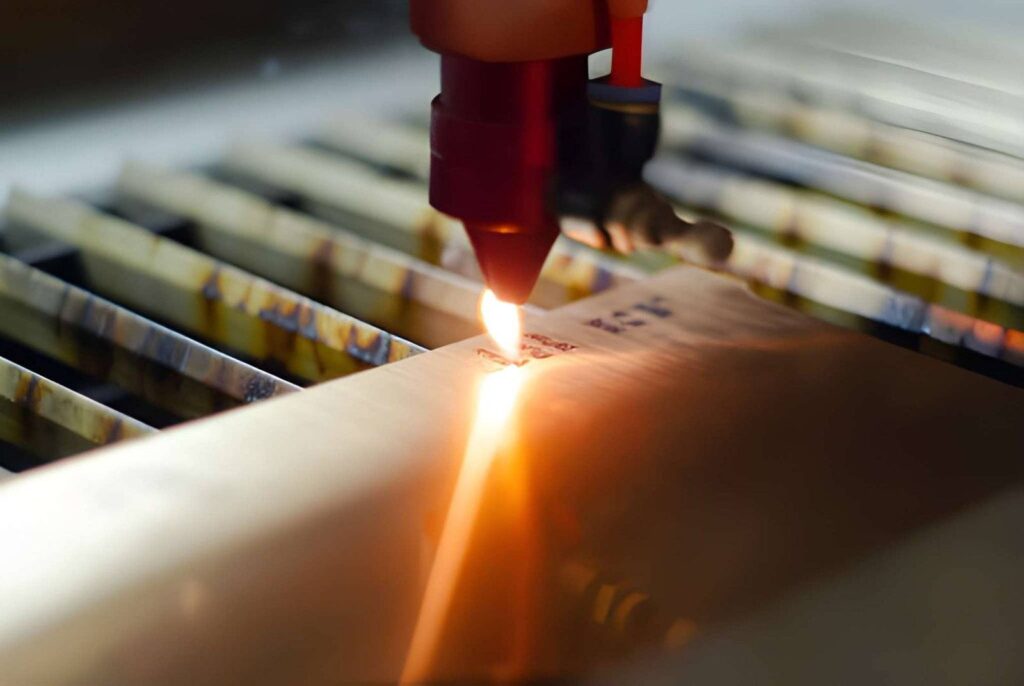
In comparison, laser engraving uses a focused laser beam. This is to change or remove the surface layer of the material. It involves no direct contact between the tool and the part.
The ultimate choice depends on the:
- Marking Needs
- Metal Type
- Available depth
- Surface finish
- Quantity or production volume
Keep reading, as this article will walk you through the difference between CNC engraving vs laser engraving in terms of
- Process Different
- Engraving Depth
- Precision and Detail
- Surface finishes and Product Durability
- Cost Factors
- Common Applications
What Is CNC Engraving?
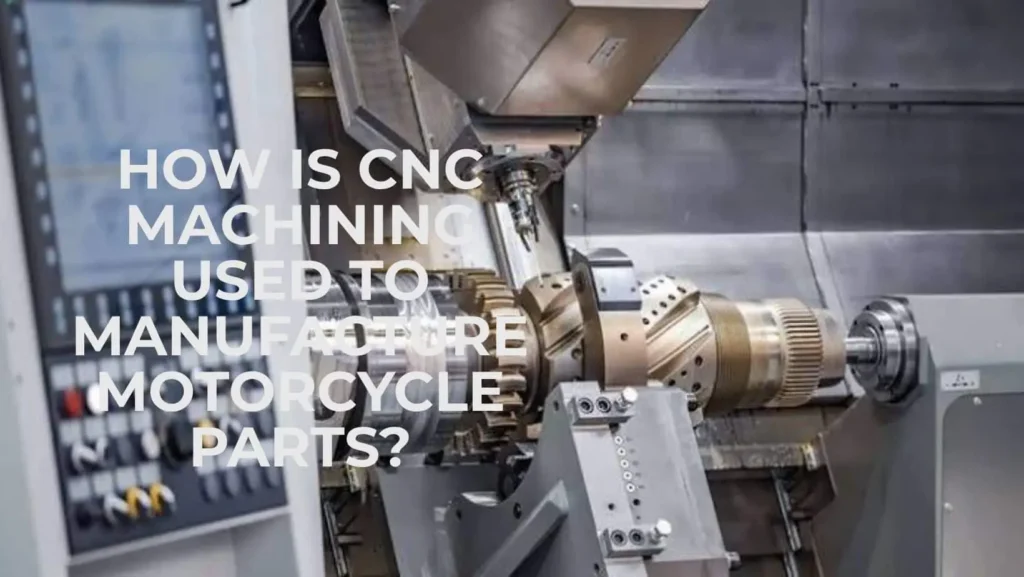
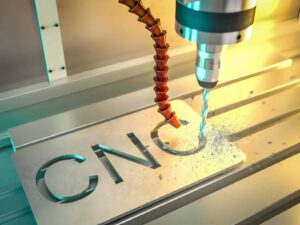
CNC engraving uses a rotating cutting tool to remove material and form recessed text, serial numbers, logos, scales, or patterns on a part. When engraving is included in CNC machining services, these features can be completed in the same setup as milling, helping maintain accurate position, depth, and alignment.
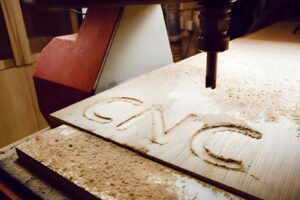
CNC Engraving is used to engrave a pattern or character into a metal surface without eroding it. The tool is programmed to trace a shape and cut the desired shape right into the part.
It is not a laser cutting process; instead, it is a physical recessing method. The depth and width of the cut and surface finish can be controlled by:
- Tool selection
- Cutting parameters
- Machine settings
How Does CNC Engraving Work?
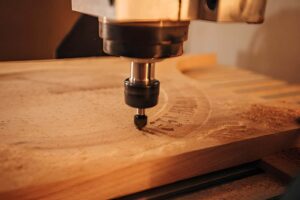
- Firstly, the engraving path is pre-programmed. The text, logo, and design are converted into a series of CNC codes.
- Then, the engraving cutter follows the programmed path. It removes material from the metal surface to create the desired pattern.
- The depth of cut is adjusted on the Z-axis. The shallow cuts are used for markings, and the deeper cuts are used for marks that require extended visibility.
- The machine is set up to ensure maximum clean engraving with minimum tool wear, such as spindle speed, feed rate, material type, etc.
- The engraving detail will depend on the cutter size. The smaller the cutter diameter, the finer the engraved lines and details. The cutter angle also affects the edge sharpness and final appearance of the mark.
What is Laser Engraving?
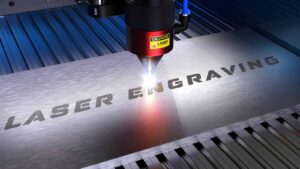
Laser engraving uses a laser beam to permanently engrave text/patterns on the part surface. It’s not a cutting process like CNC engraving.
Laser energy changes the surface layer of the material where the mark is required. Depending on the material and settings, it removes:
- A thin material layer
- Darkens the mark
- Imparts visible contrast on the surface.
Laser engraving is used in a variety of applications, such as part identification, small detailed markings, serial numbers, and logos. As it does not physically touch the part, it is suitable for parts that must not allow any damage to the surface or marks from the tool.
How Laser Engraving Works
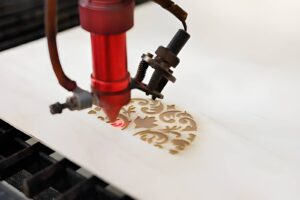
- First, the marking design is prepared. Then, the required text, logo, and code are converted into a laser file that controls the marking area.
- The laser beam is focused on the selected area of the metal surface.
- The laser energy changes the surface to create the required mark.
- The finished mark is inspected for clarity and accuracy.
Factors Affecting the Engraving Outcome:
- Applied Force: The cutting force between the tool and the material during engraving.
- The speed of the laser beam: This will dictate the duration the laser is going to take in one area.
- Effect of the laser energy on the type of material: Different laser effects on different materials.
- Surface finishes: May change the mark’s look based on existing surface finishes.
Material Compatibility for CNC Engraving Vs Laser Engraving
The table below shows common material behaviour for both processes.
| Material | CNC Engraving | Laser Engraving |
| Aluminum | Good machinability, suitable for deep marks and fine details. | Produces clear marks, especially on anodized surfaces. |
| Stainless Steel | Requires controlled cutting conditions due to hardness and work hardening. | Commonly used for permanent identification marks. |
| Carbon Steel | Suitable for deeper engraving on industrial parts. | Used for surface marking and traceability. |
| Brass | Machines easily and produces sharp engraved edges. | Mark contrast depends on alloy and surface condition. |
| Titanium | Requires controlled cutting parameters due to heat buildup. | Suitable for fine identification markings. |
Surface Finish and Durability Comparison Between CNC Engraving Vs Laser Engraving
The engraving durability varies based on how the mark is made and its intended use. CNC engraving makes a physically cut-out image of the material, whereas laser engraving is applied to the surface of the material to change its outer characteristics.
Durability of CNC Engraved Marks
CNC engraved mark has a recessed depth, which helps it stay visible even after repeated handling, cleaning, and surface wear.
It is often used for facility parts like fixtures, tooling plates, machine parts, etc. where markings must remain legible throughout the part life.
Durability is typically determined by the:
- Engraving Depth
- Hardness of the Material
- Work Environment of the Part
Durability of Laser Engraved Marks
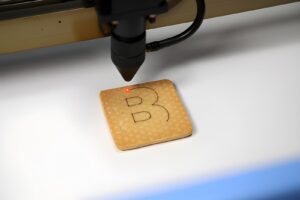
As discussed earlier, laser engraving creates a mark on the surface. It alters or ablates a very thin layer of material. The pattern durability is determined by:
- Surface quality
- Laser Settings
- Type of Material
It is suitable for identification marks like serial numbers, QR codes, traceability information, etc. Coatings and surface treatments may impact the mark appearance as well as the duration of the visibility of the mark.
Applications of CNC and Laser Engraved Metal Parts
Different industries demand unique marking needs. Some favour CNC engraving while others employ laser engraving depending on part use. The typical applications of CNC engraving include deep marks and features, and laser engraving is often used to create fine identification and traceability marks.
CNC Engraving Applications
CNC engraving is normally used for parts that require a mark with physical depth and is going to last for decades.
Common applications include:
- Fixture plates
- Tooling plates
- Mould components
- Machine panels
- Calibration scales
- Name plates
- Control panels
- Aerospace brackets
- Automotive components
- Hydraulic blocks
- Valve bodies
- Industrial machine parts
Laser Engraving Applications
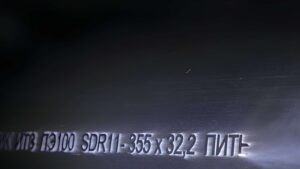
For more intricate markings, small text, codes, and surface identification, manufacturers prefer laser engraving.
Common applications include:
- Serial number markings
- QR code plates
- Barcode labels
- Medical instrument parts
- Electronic housings
- Battery covers
- Sensor components
- Aerospace identification plates
- Automotive parts
- Product traceability tags
- Connector housings
- Precision machined components
CNC Engraving Vs Laser Engraving: Cost Comparison
Laser engraving is usually quicker and more affordable for simple identification marks. It often costs around $5 to $50 per part for low-volume jobs.
For deep-engraved features, CNC engraving may be optimal. However, it comes at a higher expense (roughly $20 to $100 per part for small batches) because it removes material directly
The table below shows the main cost factors for each process.
| Cost Factor | CNC Engraving | Laser Engraving |
| Tooling | $$ Cutter required | $ No cutting tool |
| Setup | $$ CNC programming and part setup | $ Marking file and laser setup |
| Depth | $$ Higher cost for deeper cuts | $ Mainly surface marking |
| Production volume | Better for custom/deep engraving | Better for repeated markings |
Choosing Between CNC Engraving Vs Laser Engraving
Choose CNC Engraving When:
- The mark entails a physical depth: CNC engraving makes a feature that can still be seen after handling and surface wear.
- The part is subject to abrasion: Deeper engraved marks are good for fixtures, tooling, and industrial parts, which will undergo repeated use.
- The engraving is used as a working feature: CNC engraving can add marks that help during use, such as measurement lines, alignment marks, or locating references.
Choose Laser Engraving When:
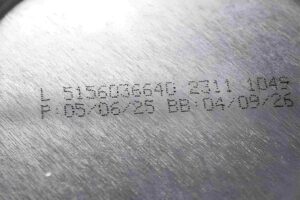
- For Small serial numbers, QR codes, and detailed graphics that need to be laser engraved with fine text or codes.
- For permanent identification: It is frequently applied in manufactured components for identifying them.
- Surface contact is not an Issue: The process does not involve cutting forces on the surface of the part.
- High-volume marking is required: Laser engraving works well for repeated production jobs because the same marking file can be reused for multiple parts without creating new tooling.
CNC and Laser Engraving Services at YD Rapid
At YD Rapid, engraving is handled as part of the complete metal manufacturing process. We review the part design, material, and marking requirement before selecting CNC engraving or laser engraving for the specific job.
Our team checks engraving locations, tool access, and drawing requirements during the engineering review stage. This helps avoid issues such as unreadable marks, unsuitable locations, or extra processing after machining.
From prototype parts to production quantities, YD Rapid provides CNC machining and engraving for metal components used in industrial, automotive, aerospace, and electronic applications.
Upload your CAD file and drawing requirements to discuss the right engraving method for your part.
Frequently Asked Questions
Which engraving method creates deeper marks?
- CNC engraving is generally used for deeper marks. It typical engrave depths of around 0.1 mm to 1 mm. This depends on the material, cutter, and required mark depth.
- On the other hand, laser engraving mainly creates surface marks. For metal parts, the depth is usually around 0.01 mm to 0.1 mm.
Is CNC engraving more durable than laser engraving?
There is no one-size-fits-all answer. Both methods can provide a durable pattern if applied appropriately. CNC engraving makes a physical cut into the material. Whereas laser engraving alters the surface.
Depending on the part environment and its marking purpose, the appropriate process is selected.
Can laser engraving be used on aluminum and stainless steel?
Yes, laser engraving is used on aluminum and stainless steel parts. The final mark depends on the:
- Material type
- Surface finish
- Any coating applied to the part, such as anodizing
Which method is more cost-effective for metal parts?
The price is typically based on the part quantity, the marking type, and production requirements.
- Laser engraving is cost-effective for using repeated identification marks.
- CNC engraving can be economical when the part needs to have several machining operations.
Can CNC engraving create functional features?
Yes, CNC engraving can create features that can be integrated into the component design. These can include reference lines, scales, grooves, and machined identification areas.
Which engraving method is better for serial numbers?
Laser engraving is commonly used for serial numbers. It can produce small and readable marks on many metal surfaces.
CNC engraving, on the other hand, can also be used when the serial number needs additional depth for industrial use.