Starting a manufacturing project is often easier than keeping it on track. Many delays, quality issues, and unexpected costs can be traced back to decisions made before the first part is produced. Missing dimensions, unsuitable materials, unrealistic tolerances, or choosing the wrong production process can all create problems that are expensive to correct later.
Before sending a design to a manufacturer, it is worth checking whether the product is ready for production. A design review, prototype validation, material selection, and manufacturing plan can identify issues early and reduce unnecessary revisions.
This guide walks through the complete process of manufacturing a product in China, from prototype development to production, while highlighting the key decisions that help improve quality, control costs, and avoid common manufacturing mistakes.
What Should You Prepare Before Manufacturing a Product in China?
Before a prototype is machined or production starts, the manufacturer needs enough information to plan the process correctly. Missing details at this stage often lead to design changes, production delays, and unnecessary costs. The following checkpoints help ensure the project is ready for manufacturing.
Is Your Product Design Ready for Manufacturing?
Typically, a 3D model is not sufficient for production. Before requesting a quotation, all critical dimensions, tolerances, materials, surface finishes, and assembly requirements should be defined. The data obtained from the manufacturing process is clear, minimizing engineering questions and shortening project lead time.
Should You Build a Prototype Before Production?
The material should be chosen to suit the intended use of the product, but should also be easily manufactured. Some materials take more time to machine, special tools are required, or they need to be heat treated after machining. These factors have an impact on cost & lead time.
Is the Manufacturing Process Suitable for the Part Design?
There is at least one prototype of most products before production starts. It enables dimensions, assembly fit, appearance, and functional performance to be verified before committing to production tooling and volume.
Are the Drawings Ready for Production?
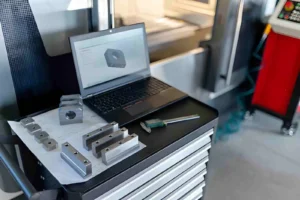
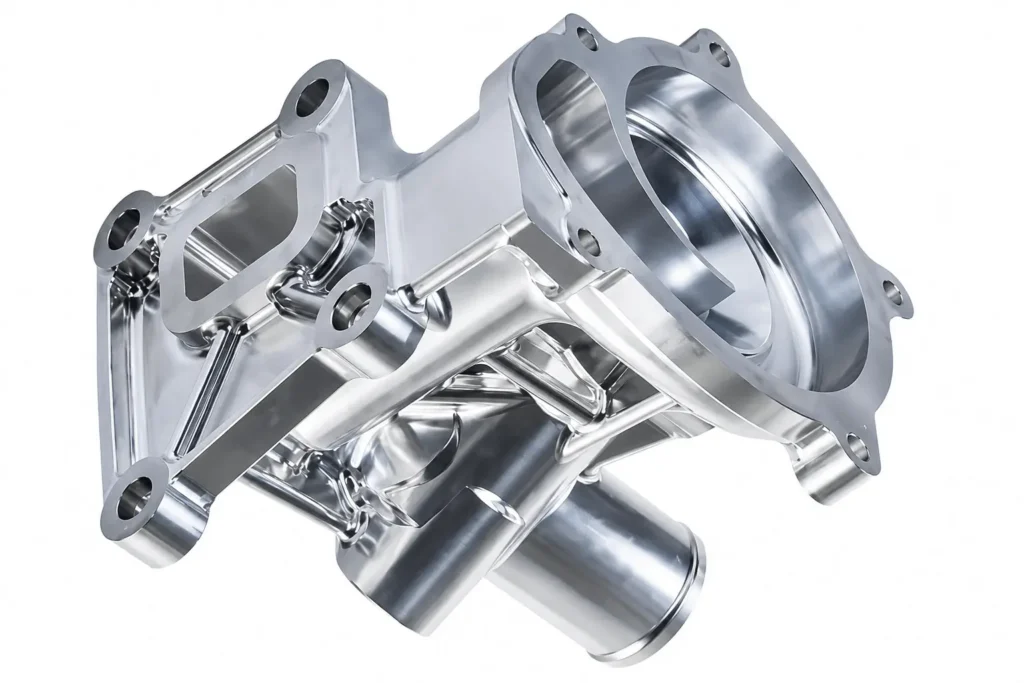
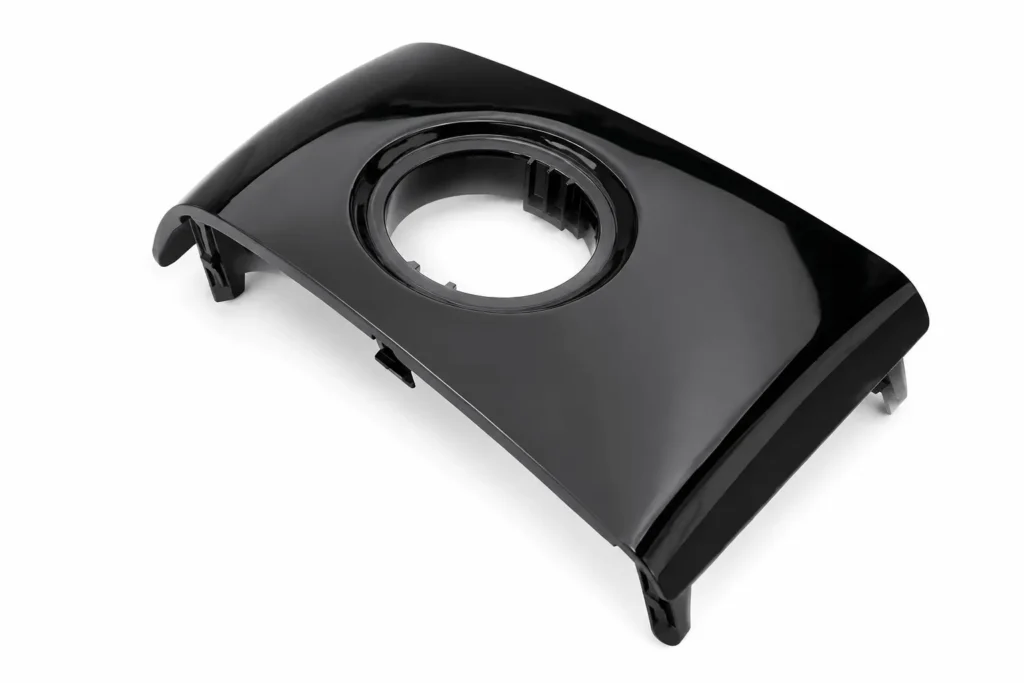
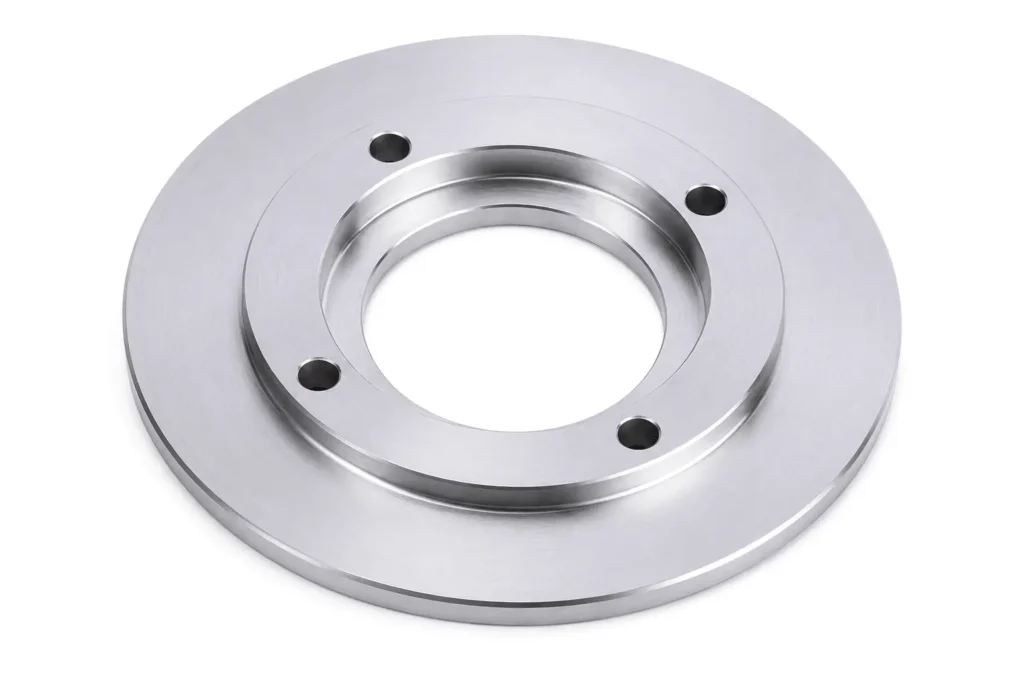
Multiple methods can be used to manufacture the same part. Depending on the production volume, CNC machining can be used to produce small precision components, and when the production amount is large, it may be more economical to use casting, extrusion, sheet metal processing, and injection molding. The manufacturing technique should be compatible with the design and predicted quantity of orders.
Have You Reviewed the Design for Manufacturing?
Engineering drawings must specify GD&T, thread standards, surface finish, material grade, heat treatment, and inspection requirements, as appropriate. When there are incomplete drawings, it will lead to engineering questions and production delays.
Have Tolerance Requirements Been Defined?
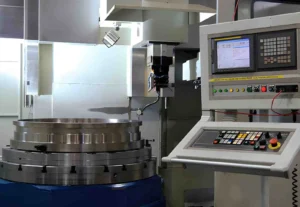
Minor design alterations can make for easier machining and lower production costs. Before you start machining, look at the corner radius, wall thickness, depth of holes, access to the tool, and intended tolerance needed.
Have Inspection Requirements been Defined?
Not all measuring dimensions have to be used. Determine features that impact assembly or product performance to allow inspection to be focused on the most critical areas. This not only saves inspection time, but also improves quality.
Is Packaging Suitable for the Product?
If packaging is not taken care of, it can cause damage to finished parts during transport. Often, parts that should be precision-machined require individual packaging, cosmetic parts require individual protection or corrosion protection before shipment, and the same applies to parts that are coated.
What Type of Factory Should You Work With?
The right factory depends on how your product is developed and how much control you want over production. Some manufacturers offer ready-made products, while others build parts entirely from your drawings. Understanding these manufacturing models helps you choose the right partner before investing in tooling or production.
Original Design Manufacturer (ODM)
The ODM has an existing product design. You have the option of customizing the logo, packaging, color, or some features of the product without creating a new product entirely.
The choice will help save tooling expenses and development time. It is an effective option when you need to introduce a product into the market fast, and you don’t need a distinctive design.
Original Equipment Manufacturer (OEM)
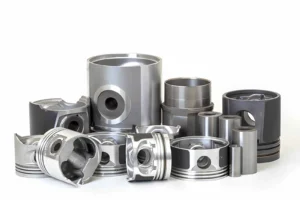
An OEM will produce products that are based on your drawings, requirements, and specifications. The factory will keep following your design, material, tolerances, and quality standards during manufacturing.
It is best for custom-made products that need specific dimensions, materials, or performance. This also allows you to have more control over the final product and changes in the future.
Contract Manufacturer (CM)
A Contract Manufacturer can make and assemble products based on your engineering documents. They can manage the entire process of machining, surface treatment, assembling, testing, packaging, and shipping in a project.
When the product design is well defined, and the concern is with reliable production. It is often applied to projects that involve multiple manufacturing stages before it can be delivered.
The Core Advantages of Manufacturing in China: Why Choose China as a Manufacturing Destination?
China remains one of the largest manufacturing hubs because most production resources are already in place. Material suppliers, machining facilities, surface finishing companies, inspection services, and logistics providers work within the same industrial network. This allows products to move from prototype to production with fewer supply chain interruptions and shorter production cycles.
Lower Manufacturing Costs Through an Established Supply Chain
There’s more to manufacturing cost than just labor. Often, raw material suppliers, CNC shops, mould makers, heat treatment stores, and finishing companies are all in the same industrial areas. The handling time, the logistics costs, and the total production costs are reduced due to shorter transportation distances and existing supplier networks, particularly for multi-process parts.
Faster Transition from Prototype to Production
The same manufacturing resources can be utilized in prototype and production. Once the prototype is approved, CNC programs, tooling, inspection techniques, and production documents can be used again for larger production runs. This decreases the engineering preparation time and production lead time.
Wide Manufacturing Capacity for Different Order Sizes
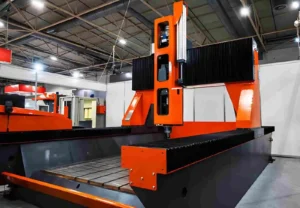
The development of projects from a few prototype parts to high-volume production is very common in China. A facility can have dozens or even hundreds of CNC machines, and specific inspection and finishing machines, which makes it more convenient to expand production without the necessity of changing suppliers or manufacturing processes.
Complete Manufacturing Services Under One Project
A lot of products go through multiple steps of production before they are completed. Grinding, welding, anodizing, powder coating, laser marking, assembly, and final inspection may be performed after CNC machining. These operations can be effectively managed under a single supplier; this will lower the coordination of the various vendors and will make project management easier.
Easier Access to Materials and Standard Components
The most popular engineering materials, such as aluminum alloys, stainless steels, titanium, copper alloys, engineering plastics, and tool steels, are available and are used with a high degree of frequency. Local availability of standard parts like bearings, fasteners, pins, and inserts can also be achieved, which will shorten purchasing time and keep production on schedule.
Engineering Support Before Production Starts
Drawings are read by many manufacturers before machining. Pockets, thin walls, internal corners, or tolerances the company is not using are examples of features that can be discovered during DFM review. Solving these problems in the early stages will reduce machining time, improve manufacturability, and prevent changes to the design once production has commenced.
Flexible Production Scheduling
Schedules may be adjusted according to demand. Small batch production can be used for product testing, and large batch production can follow with the same process plan. This flexibility enables companies to test products first without making heavy investments in production.
What Are the Challenges of Working With Chinese Manufacturers?
China has a mature manufacturing industry, but every project still depends on engineering preparation and production management. As order quantities increase, more suppliers, processes, and inspections become involved. Keeping every stage aligned is one of the biggest challenges from prototype to production.
Engineering Information and Drawing Control
The engineering drawing is the basis for all production decisions. Material grade, tolerances, surface finish, thread standards, heat treatment, and inspection points are used to prepare machining programs and production plans.
If a drawing is changed during the course of the project, the latest drawing should be sent to the programming, machining, inspection, and purchasing departments simultaneously. Good drawing control can ensure the production of parts in accordance with the current specification.
Maintaining Consistency During Production
A prototype is manufactured in a controlled environment, and production continues for days/weeks. During this period, cutting tools, getting the raw material from other batches, and setting up the machine several times. The changes should be under control, so that both the first part and the last part have the same dimensional and quality requirements.
Coordinating Multiple Manufacturing Processes
A large number of precision parts go through multiple operations before delivery. The inspection of the shaft is followed by heat treatment, grinding, coating, and turning. The housing can be machined, bead blasted, undergo anodizing, be laser marked, and assembled in aluminum.
All operations are interdependent, and the production planning should ensure that each operation is carried out in the right order and that the dimensions are correct.
Production Planning and Delivery
Production starts long before the first chip is cut. Materials are bought, fixtures are made, CNC programs are checked, inspection equipment is planned, and secondary processes are booked. The other stages of the production process are delayed if one stage takes longer than expected. The machining process is not the only one that needs coordination to keep the schedule on track.
Product Preparation Stage: Turning Your Product Idea into Production Data
A factory cannot manufacture an idea. Before quoting or starting production, it needs complete engineering data that defines how the product should be made and inspected. Well-prepared documentation reduces engineering questions, shortens quotation time, and helps avoid design changes during prototyping or production.
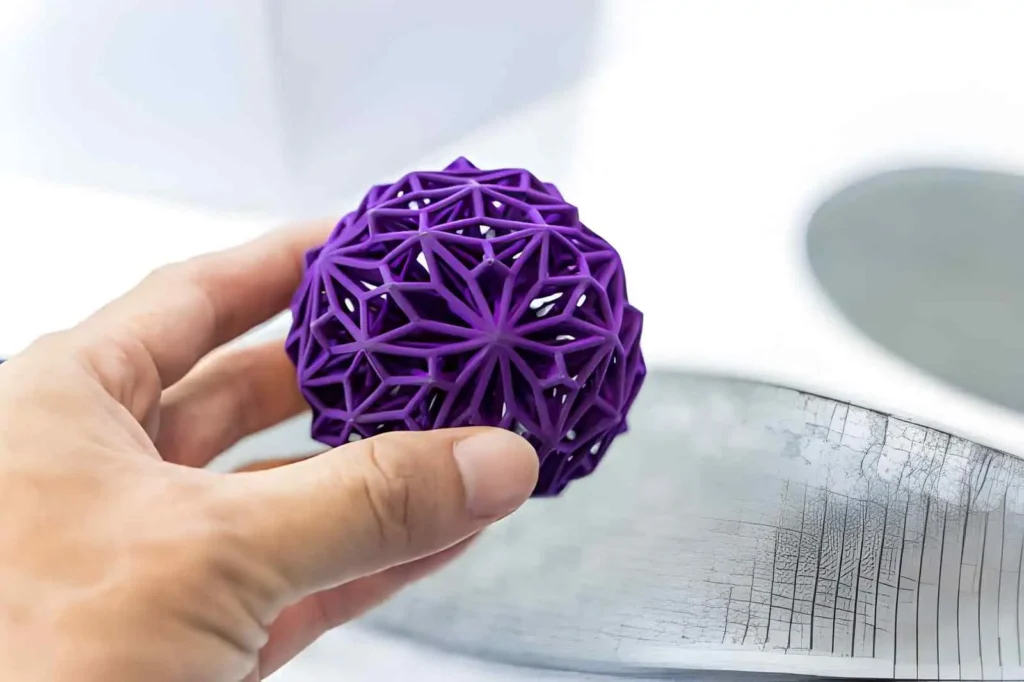
Before production begins, the product idea should be converted into complete CAD files, material specifications, tolerances, surface finish requirements, and inspection standards. A rapid prototype can be used to check the design, assembly, and manufacturability before moving into batch production.
Engineering Files That Manufacturers Need
Every file has a different purpose during manufacturing. Providing complete documentation allows engineering, purchasing, and quality teams to work from the same information.
- 3D CAD models (STEP, IGES, Parasolid): Used to generate CNC toolpaths, design molds, and check assembly.
- 2D drawings: Include dimensions, tolerances, GD&T, surface finish, material grade, heat treatment, and thread details.
- Bill of Materials (BOM): Lists every part, raw material, standard component, and purchased item required for assembly.
- Critical-to-Quality (CTQ) features: Identify dimensions that directly affect assembly, sealing, alignment, or product performance.
In many CNC projects, only 5–10% of the dimensions are classified as CTQ. These critical features often require tighter inspection than the remaining dimensions.
Packaging Requirements Should Be Defined Early
Packaging is planned before production, not after the parts are finished. The packaging method depends on part weight, surface finish, transport distance, and storage conditions.
For example, precision-machined components are commonly packed in individual protective bags, foam trays, or partition boxes to prevent scratches during transport. Products shipped through Amazon FBA may also require FNSKU labels, carton labels, and packaging that meets ISTA transit test requirements before shipment.
Confirm Compliance and Testing Requirements
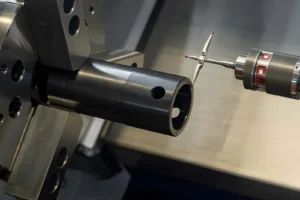
Compliance requirements influence material selection, the manufacturing processes, and the inspection. It is important to verify these requirements before production and not at the end of the sample process.
Typical examples include:
- Electronic products: CE, FCC, RoHS, REACH.
- The ASTM F963 and CPC for children’s products are the standards that apply.
- Industrial machinery: ISO 12100 or EN 60204.
- As required, UL94 V-0, food-grade, or medical-grade material requirements.
The time required to produce a product with a test and certification can take several days to several weeks depending on the product and certification body. This is a good planning step to prevent shipment delays.
Define a Target Manufacturing Cost
Before requesting quotations, the Target Manufacturing Cost should be defined. The final cost is determined by material, machining time, tooling, surface finishing, inspection, packaging, and order quantity.
For instance, the manufacturing cost is often at 30 to 50% of the product selling price, depending on the sales channel, packing, logistics, and the desired profit margin when selling the product. A realistic target cost is used to enable manufacturers to suggest alternative materials or manufacturing without altering the purpose of the product.
NDA vs. NNN: Which One Offers Better Protection in China?
Protecting your product starts before you share drawings, CAD files, or prototype samples. The right agreement helps define how your information can be used and reduces the risk of unauthorized production or disclosure.
Non-Disclosure Agreement (NDA)

The primary aim of an NDA is to maintain confidentiality of information. It safeguards your drawings, specifications, or technical documents from being shared by your supplier with others. This kind of agreement is typically applied prior to talking about a new product or asking for a quotation.
Non-Use, Non-Disclosure, and Non-Circumvention (NNN)
The NNN agreement offers greater safeguards for China-based manufacturing initiatives. It also means that it maintains confidentiality and that it doesn’t use your design to create a product that it sells directly to your customers. It is usually used before disclosing detailed product information, prototypes, or manufacturing files.
Which One Should You Choose?
An NNN agreement typically offers greater protection for manufacturing projects in China than an NDA would, as it not only covers what your information is used for, but also how it is disclosed, used, and marketed. The agreement shall be drafted in accordance with Chinese Law and shall clearly define the product, confidential information, and respective duties of parties. This will give them better legal footing if there is ever a dispute down the road.
How to Find the Right Manufacturer in China
Choosing the right manufacturer is as important as the product design. A capable supplier should understand your technical requirements, provide consistent production quality, and support the project from prototype to production. Looking beyond price helps avoid quality issues and delays later.
Check Manufacturing Capabilities
Verify that the manufacturer possesses inspection equipment, processes, and machines necessary for your part. Inquire if they are familiar with similar materials, tolerances, and volumes produced.
Review Engineering and DFM Support
Before the manufacture of a product, a trusted manufacturer will go over the design. They should identify any characteristics that may be difficult to manufacture and recommend any solutions that they see as feasible, and explain the most appropriate manufacturing method for the part.
Evaluate Quality Control
Inspect the manufacturing process for parts inspection, rather than only at the end of manufacture. If necessary, inquire about equipment used to inspect, material tracing, first article inspection, and final quality report.
Confirm Production Capacity
The supplier should be able to accommodate prototype orders as well as production orders. This avoids moving the project to another manufacturer as demand increases.
Communication & Project Management Review
Communication is the key to getting things done. A good manufacturer is able to give engineering feedback, validate the engineering changes, and give production updates during the project.
How to Build a Supplier Shortlist
Table: Supplier Shortlist Evaluation Checklist
| Evaluation Criteria | Recommended |
| Experience with similar products or manufacturing processes | ✓ |
| Supports both prototype and production quantities | ✓ |
| Provides DFM and engineering review before production | ✓ |
| Offers the required manufacturing processes | ✓ |
| ISO-certified quality management system | ✓ |
| Can provide material certificates if required | ✓ |
| Performs in-process and final inspection | ✓ |
| Clear quotation with detailed cost breakdown | ✓ |
| Provides realistic lead times | ✓ |
| Dedicated engineering or project contact | ✓ |
| Slow or unclear technical communication | ✗ |
| No engineering review before manufacturing | ✗ |
| Cannot explain quality inspection procedures | ✗ |
| Extremely low pricing without technical explanation | ✗ |
| No experience with similar products or materials | ✗ |
Ready to Manufacture Your Product in China?
Choosing the right manufacturing partner can make the difference between a smooth production process and repeated engineering revisions. From reviewing your CAD files to selecting the right manufacturing process, early engineering support helps reduce risk and keeps projects moving from prototype to production.
YD Rapid is an ISO-certified CNC manufacturing company with more than 15 years of manufacturing experience, supporting customers in over 30 countries. The company provides precision CNC machining, 5-axis machining, sheet metal fabrication, vacuum casting, rapid prototyping, and low-volume production for both metal and plastic components.
Every project starts with an engineering review to evaluate manufacturability, materials, tolerances, and production methods. Whether you need a functional prototype, bridge production, or production-ready parts, YD Rapid helps engineering teams develop practical manufacturing solutions with fast quotations, DFM feedback, tight tolerances, and reliable quality control.

Upload your CAD files or engineering drawings today to receive a free engineering review, DFM feedback, and a competitive quotation for your next manufacturing project in China.
FAQs
How Long Does It Take to Manufacture a New Product in China?
The timeline depends on the manufacturing process, part complexity, and order quantity. A CNC-machined prototype may be completed within a few days, while products requiring tooling, assembly, and certification usually need several weeks before production is complete.
Should I Start With a Prototype Before Mass Production?
Yes, a prototype is used to test the design, size, and fit during assembly before going into larger-scale production. It also serves to pinpoint design changes that will decrease manufacturing cost or make manufacturing easier.
What Files Should I Send When Requesting a Manufacturing Quote?
Typically, most manufacturers will want a 3D CAD model, 2D engineering drawings, material specification, quantity, and surface finish or inspection requirements. Enabling suppliers to have complete technical details facilitates them in preparing accurate quotes & production plans.
Can One Manufacturer Handle Multiple Manufacturing Processes?
Many manufacturers offer more than just CNC machining. They can also offer various other services such as sheet metal fabrication, vacuum casting, 3D printing, surface finishes, assembly, and inspection, depending on the project, and the project can be managed through a single supplier.
How Can I Reduce Manufacturing Costs Without Affecting Part Quality?
The best way is to optimize the design before production starts. Simplifying complex features, avoiding unnecessarily tight tolerances, selecting suitable materials, and requesting a DFM review can reduce machining time and production cost while maintaining the required part performance.