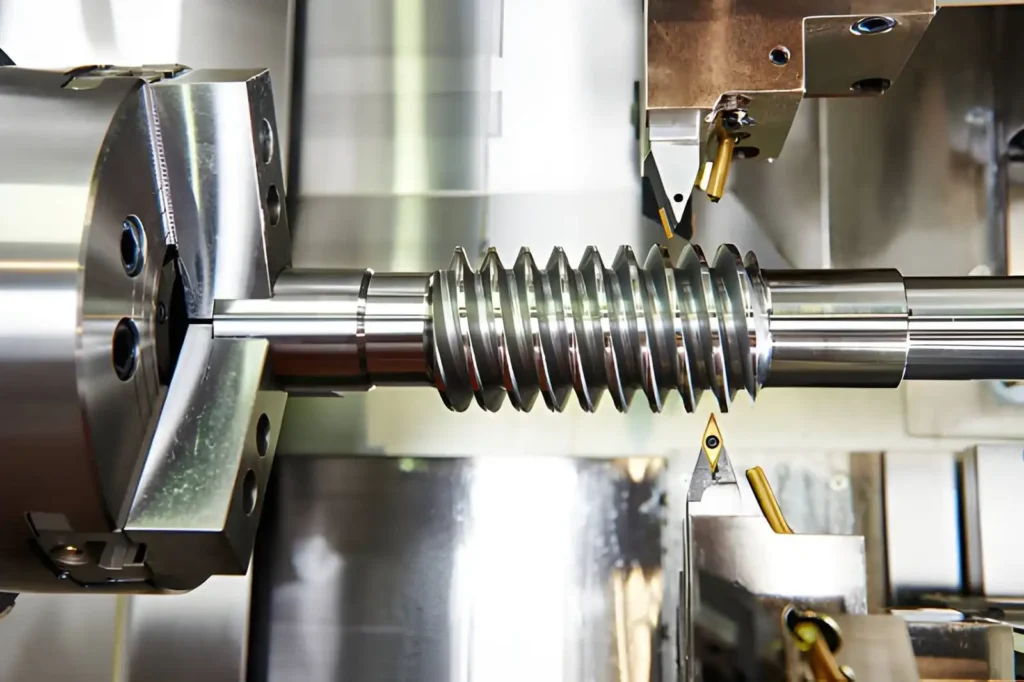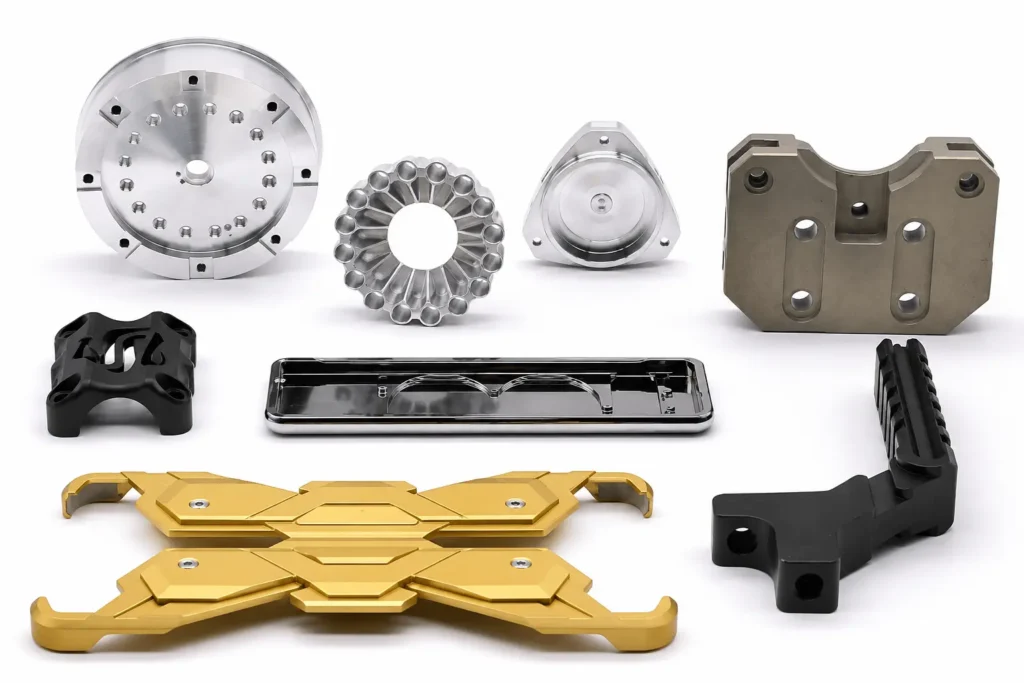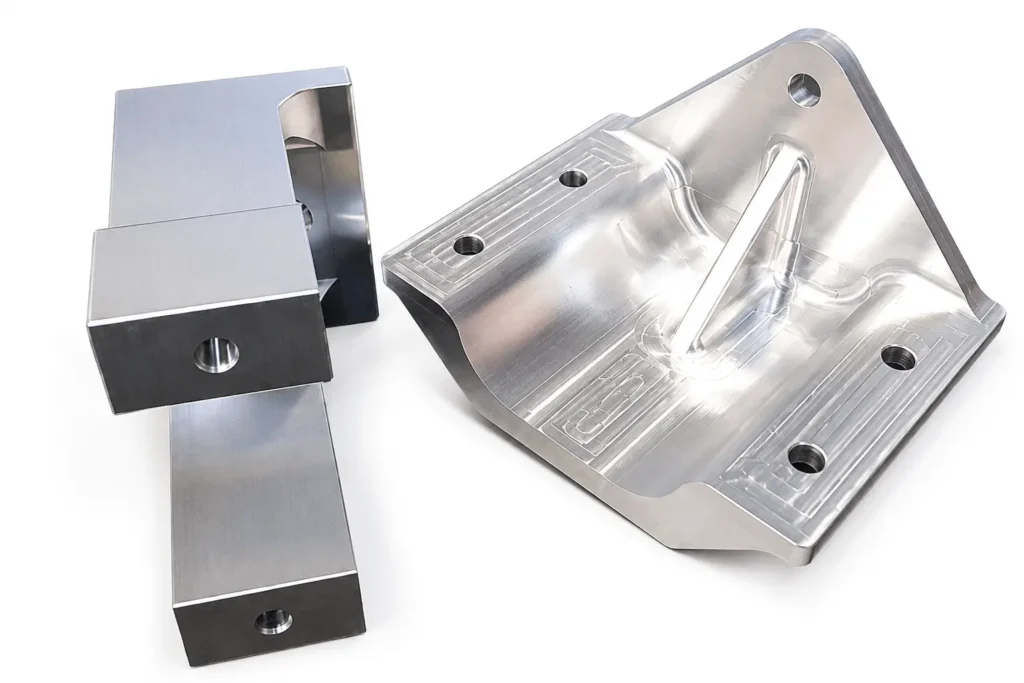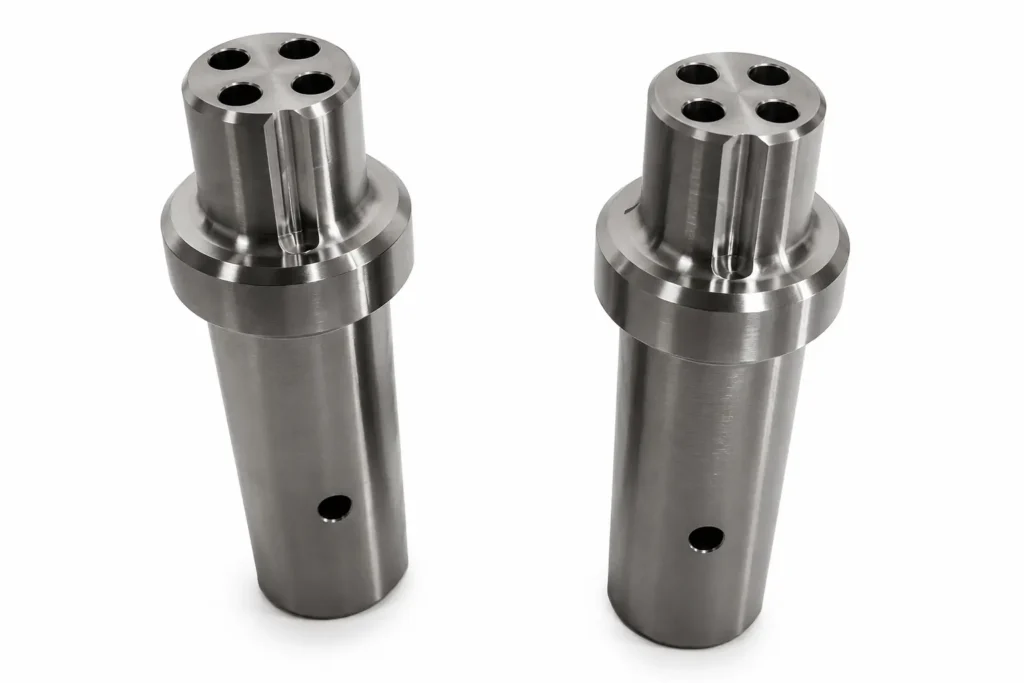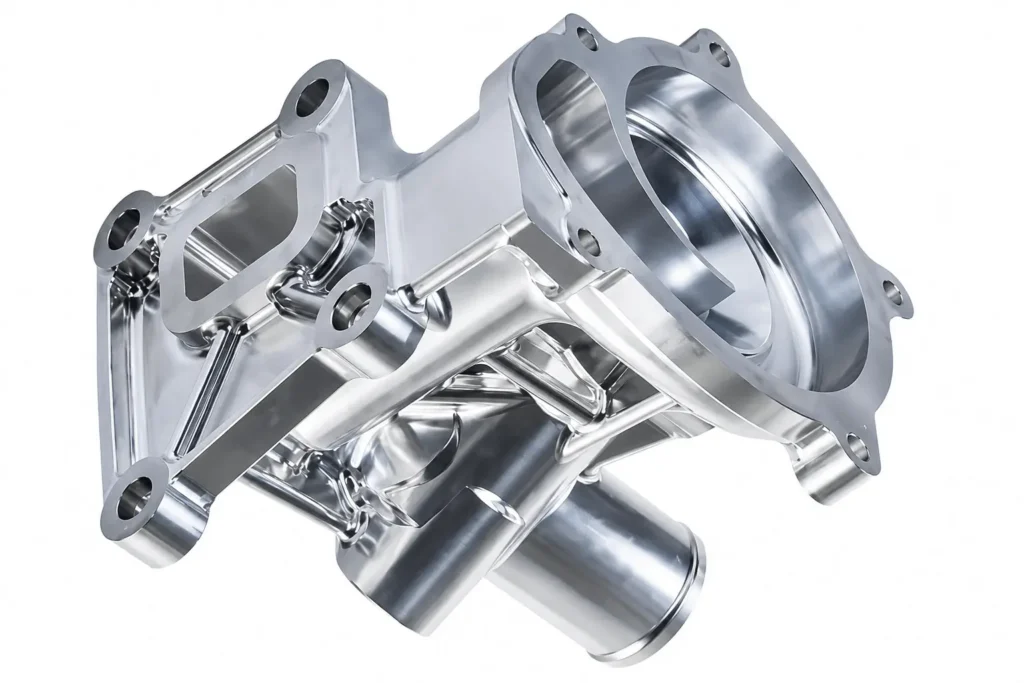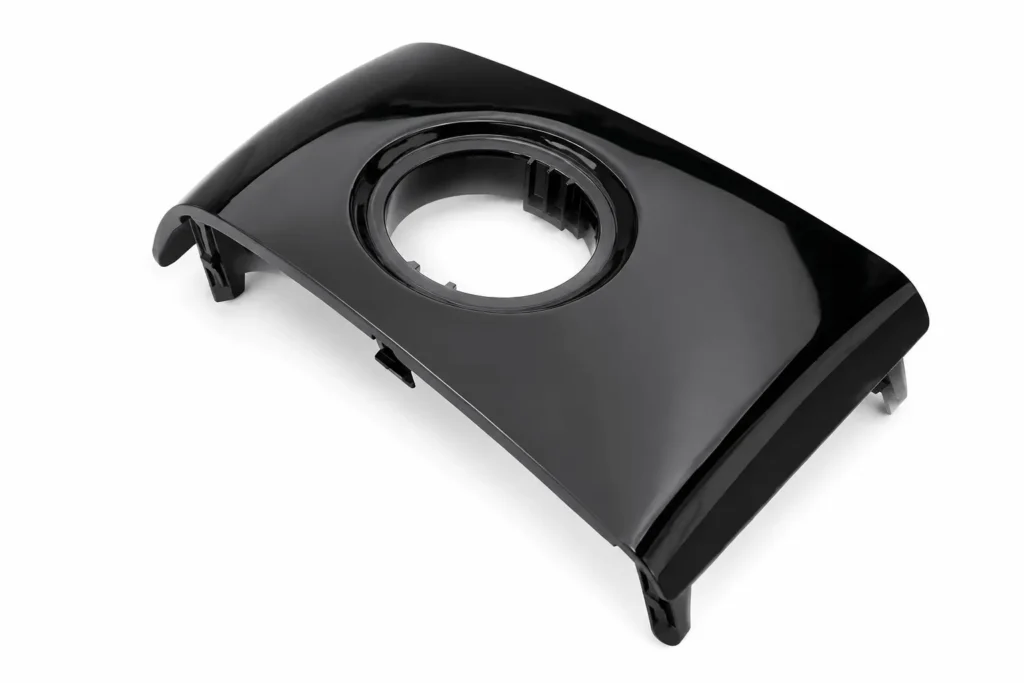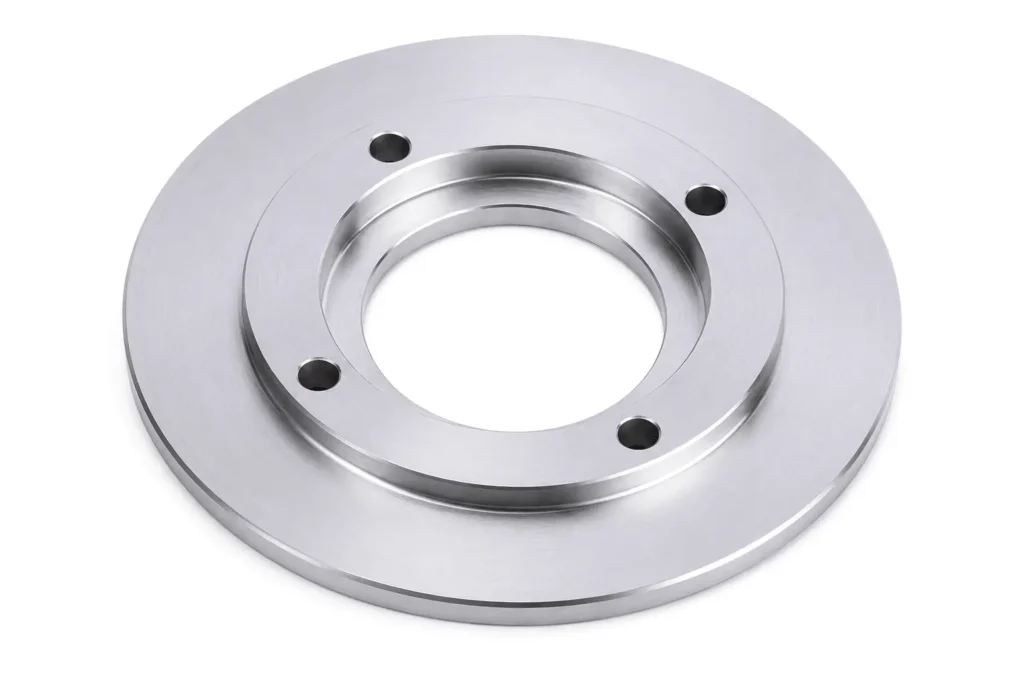
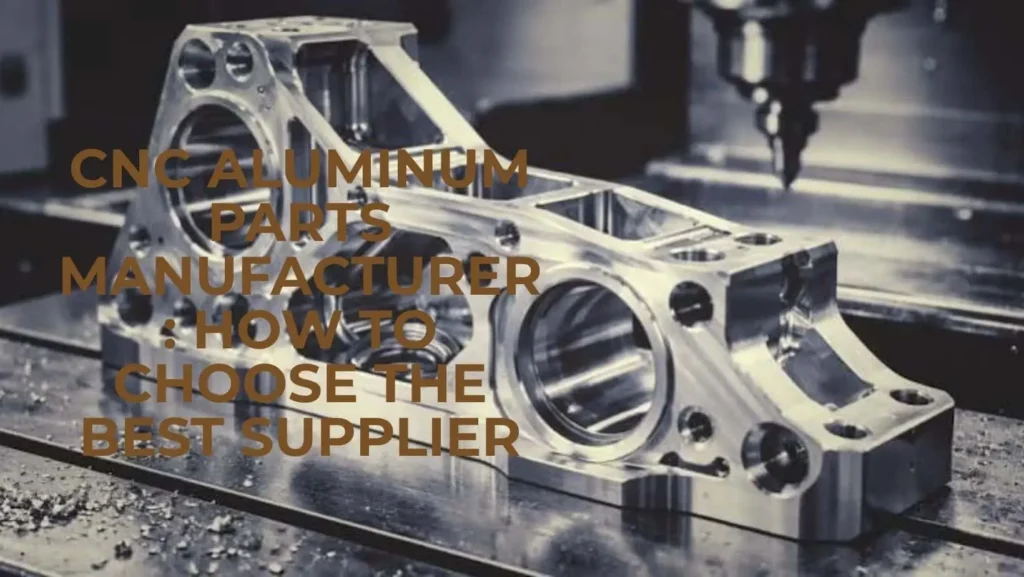
Finding a CNC aluminum parts manufacturer requires quality service, reasonable pricing, and fast shipping. Aluminum CNC parts manufacturing is very important in many sectors, including healthcare, aviation, and automotive, in order to run operations efficiently. Working with an unsuitable manufacturer leads to huge delays, substandard products, and ultimately loss of income.
By choosing the most suitable CNC machining company, you will receive the best quality products. With a professional factory to manufacture your prototypes or components, everything will be done for you step by step.
Key Takeaways
- Having the right supplier means you won’t experience any delays in production.
- The quality of the component will directly depend on the abilities of the factory’s machines.
- During supplier certification, always check for their certifications so that you will be assured that they will deliver reliable components.
- You need a partner who will give your company different production sizes.
- Total costs matter, but the quality of the components takes priority.
Why is Choosing the Right CNC Aluminum Parts Manufacturer Important?
You should select the aluminum parts manufacturer with CNC machining because it is what will make your business succeed or fail. If your supplier makes one small mistake, everything in your production line stops. Quality precision aluminum parts must conform to all details in the design blueprint.
Product Quality
Sharp tools and stable machines are used to process metal in an extremely accurate manner by a leading CNC aluminum parts manufacturer. This maintains a smooth surface and ensures proper alignment of holes.
Manufacturing Consistency
It’s very easy to make one perfect part. It is more difficult to make ten thousand of the same CNC-machined aluminum components. Stable processes run by a reliable supplier result in a perfect match between the first part and the last part of the process.
Long-Term Business Benefits
When there is a good business relationship with your manufacturer, you minimise overall business risk. If your supplier is on time, you don’t need to have a huge stockpile of extra inventory. The seamless process translates to cost savings and enhanced customer engagement over time for your company.
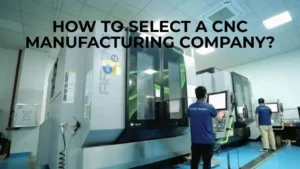
How to Select a CNC Manufacturing Company?
When you are uncertain about how to choose a CNC machining company, there are a number of points you need to consider before entering into a contract. You must check their engineering skills, processes, and actual machine shop.
Industry Experience
An experienced CNC manufacturing company has overcome hundreds of technical challenges in the field of manufacturing. They know what happens to aluminum when it’s subjected to high heat and cutting stress. This deep experience helps to avoid the usual manufacturing problems in advance.
Engineering Support
The best CNC machining service provider isn’t just about cutting metal. They analyze your CAD sketches for cost. Design for manufacturability is a beneficial engineering review process.
Production Capacity
It’s important that you can scale up with the factory. When you begin with a small order and find yourself needing thousands later, there should be enough machines available.
Communication Process
Great communication prevents costly errors. A professional shop responds to your e-mail in just a couple of hours and gives you a detailed technical update when you have any unexpected problem.
Things to Evaluate Before Choosing a Supplier:
- Total Experience: How many years have they been machining metal?
- Factory Equipment: Do they have modern multi-axis machines?
- Certifications: Do they hold official quality certificates like ISO 9001?
- Response Time: How fast do they send back your initial price quote?
- Customer Reviews: Do their past clients leave positive feedback?
- Technical Support: Can their engineers help optimize your part designs?
What Manufacturing Capabilities Should a CNC Parts Manufacturer Have?
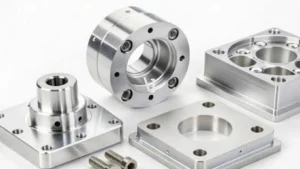
Any company that wishes to be a top-tier CNC parts manufacturer will have to invest in top-notch shop equipment and employee training. Not all machine shops have the same capabilities.
Modern CNC Machines
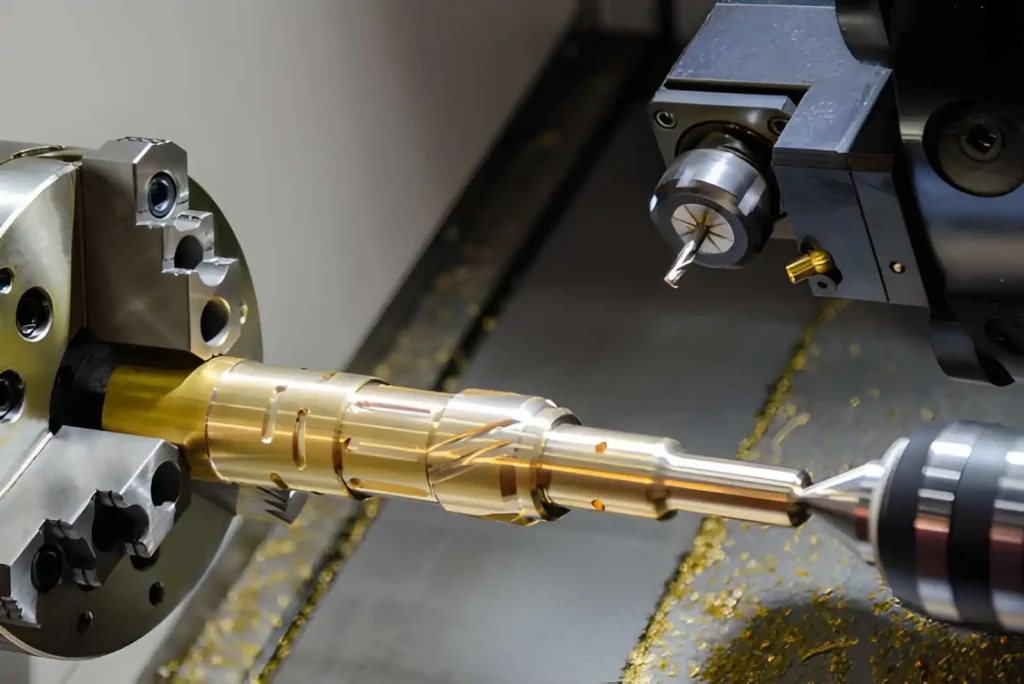
A 5-axis cutting machine can cut out complex shapes in one operation. This eliminates manual setups, saves production time, and eliminates human alignment errors.
Material Processing
A specialized factory is familiar with the various grades of aluminum, such as 6061, 7075, and 2024. They vary the speed of their machines and cutting feeds where appropriate to help prevent part warping.
Flexible Production Options
A versatile supplier handles both prototype machining and low-volume CNC machining. The flexibility means that you can try out new ideas without investing a lot of money in them at the get-go.
Finishing Services
The surface treatments of your parts are frequently needed after the machining process. A full-service factory is equipped with bead blasting, anodizing, powder coating, and laser engraving facilities.
How Does Aluminum CNC Machining Improve Product Performance?
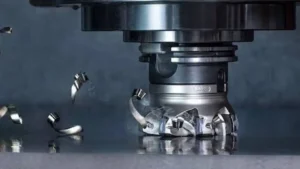
Aluminum CNC machining is a great engineering solution for numerous industries today. Aluminum is an excellent metal to use because it is light, very durable, and malleable.
Lightweight Design
The density of aluminum is about 1/3 that of steel. That means all precision aluminum parts are ideal for aircraft, drones, and electric vehicles where every gram counts.
Corrosion Resistance
Aluminum will form a natural barrier of oxide on its surface. This raw layer serves as a rust barrier, ensuring the metal’s reliability in damp or challenging outdoor conditions.
Excellent Machinability
Aluminum is a favorite among machinists due to being cut quickly and cleanly. Machinability is excellent, helping to shorten the factory turnaround and decrease tool wear, lowering component cost.
High Precision
Attainable dimensional tolerances with computer-controlled cutting tools are very tight. This kind of high level of precision is crucial for medical devices or aerospace assemblies where error is not acceptable.
Evaluation Factors for Suppliers
To help you decide how to find a reliable CNC aluminum parts machining supplier, look at this simple table to compare the key factors.
Factor | Why It Matters | What to Check |
|---|---|---|
| Experience | Prevents basic manufacturing mistakes. | Years in business and past case studies. |
| Certifications | Guarantees an international standard of quality. | Valid ISO 9001 or AS9100 documents. |
| Equipment | Determines how complex your parts can be. | Number of 4-axis and 5-axis milling machines. |
| Inspection | Catches errors before parts ship out. | Presence of Coordinate Measuring Machines (CMM). |
| Delivery | Keeps your product launch right on time. | On-time delivery rates and shipping partners. |
| Communication | Avoids costly project misunderstandings. | Direct access to English-speaking engineers. |
How Do Reliable Manufacturers Ensure Quality Control?
Top suppliers of CNC machined aluminum components do not wait until the very end of production to check part quality. They incorporate rigid inspection points into all their processes.
Incoming Material Inspection
The first step in quality control begins with raw metal bars. A good CNC aluminum parts manufacturer receives the metal and tests it to make sure it is real aluminum and not some poor-quality alloy.
In-Process Inspection
The first few pieces of the product are inspected by the machinists to be sure that the machine program is entirely correct. They commonly measure important characteristics throughout the production run.
Final Inspection
Prior to parts being put into shipping containers, a Coordinate Measuring Machine is used to ensure that all parts are built exactly as they were designed on the original drawing.
Quality Documentation
Professional factories supply material test reports and dimensional inspection sheets with your final order. This documentation demonstrates that your precision aluminum components fulfill your requirements.
Common Inspection Methods:
- CMM Measurement: A high-precision electronic touch probe is used to verify 3D shapes.
- Micrometer Testing: Measures wall thicknesses to a few microns.
- Thread gauges: Ensure that all tapped bolt holes are cut exactly.
- Surface Roughness Testers: Measure the true smoothness of the metal surface.
Why Are Prototype Machining and Low-Volume CNC Machining Important?
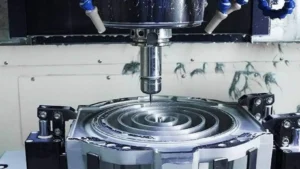
Prototype machining and low-volume CNC machining decrease monetary risks and improve design safety.
Faster Product Development
Having a physical prototype in your engineering team’s hands can be helpful for making a quick prototype. Before investing thousands of dollars in production tooling, they can test fit, function, and style!
Lower Investment
Low-volume CNC machining allows you to produce a small number of pieces ranging from 10 to 100. This will help you make a low initial investment and avoid being stuck with old stock if you change your design.
Easier Design Improvements
Once you discover that a design has a problem, and you find it in real life, you can edit your CAD file in only a second. The machinist just changes the computer program for the next small run, and no molds are wasted.
Manufacturing Methods Comparison
The following table details the key distinctions between prototyping and small-batch manufacturing.
Feature | Prototype Machining | Low Volume CNC Machining |
|---|---|---|
| Typical Quantity | 1 to 5 pieces | 10 to 1,000 pieces |
| Primary Purpose | Design validation and fit testing | Market testing and initial product launches |
| Relative Cost Per Part | Higher per individual piece | Lower due to shared setup times |
| Production Time | 2 to 5 days | 1 to 2 weeks |
| Design Changes | Allowed after every single part | Allowed between separate production batches |
| Typical Applications | R&D labs and university projects | Specialized medical gear and custom cars |
How Can You Build a Long-Term Partnership with a CNC Machining Service Provider?
Building a close relationship with your CNC machining service provider saves time and money over the lifespan of your product line. Treat your factory as a trusted technical extension of your own business team.
Clear Technical Requirements
Always provide clean CAD files, detailed 2D drawings, and clear finishing specifications. When your CNC manufacturing company knows exactly what you want, it can deliver perfect parts without any guesswork.
Regular Communication
Share your annual production forecasts with your partner. This heads-up allows the shop to reserve machine time and purchase raw aluminum ahead of schedule, protecting you from sudden market shortages.
Continuous Improvement
Listen to production feedback from your machinist. If they suggest modifying a specific corner radius to make a part faster to mill, accept their advice. This teamwork lowers your costs and builds a stronger business bond.
Conclusion
Choosing a great CNC aluminum parts manufacturer requires checking more than just the lowest price tag. You must look closely at their technical capabilities, quality control steps, and communication style. A reliable CNC parts manufacturer will protect your business from costly production errors and help you deliver world-class products to your clients.
By focusing on deep industry experience, advanced multi-axis machinery, and flexible options like custom aluminum machining, you can build a highly resilient supply chain that helps your business grow for years to come.
Work with YD Rapid for Your Next Project
Are you ready to start your next manufacturing project? YD Rapid specializes in high-quality custom aluminum machining, prototype machining, and low-volume CNC machining.We deliver ultra-precise, high-quality precision aluminum parts directly to your door. Reach out to YD Rapid now to get a free quote and discuss your technical project requirements with an expert!

Frequently Asked Questions
What is the best aluminum for CNC machining?
Aluminum 6061 is the best for most jobs. It is easy to cut and strong. It resists rust well and does not cost too much money. It works great for cars, boats, and daily parts.
What is the best way to make the biggest profit in the CNC machinery business?
Cut your setup times to make parts faster. Pick high-paying jobs like medical or space parts. Use automated robots so your machines run all night. Buy raw metal in big lots to save money.
How much does CNC aluminum cost?
A raw block of aluminum is cheap, but machine time costs money. Small parts might cost twenty to fifty dollars. Making more parts at one time lowers the cost for each piece by a large amount.
How do CNC aluminum parts manufacturers inspect parts?
Workers use special tools to measure each part. They use micrometers for small holes and big CMM machines for 3D shapes. They check the metal type and make sure the surface looks smooth and clean.