Guide

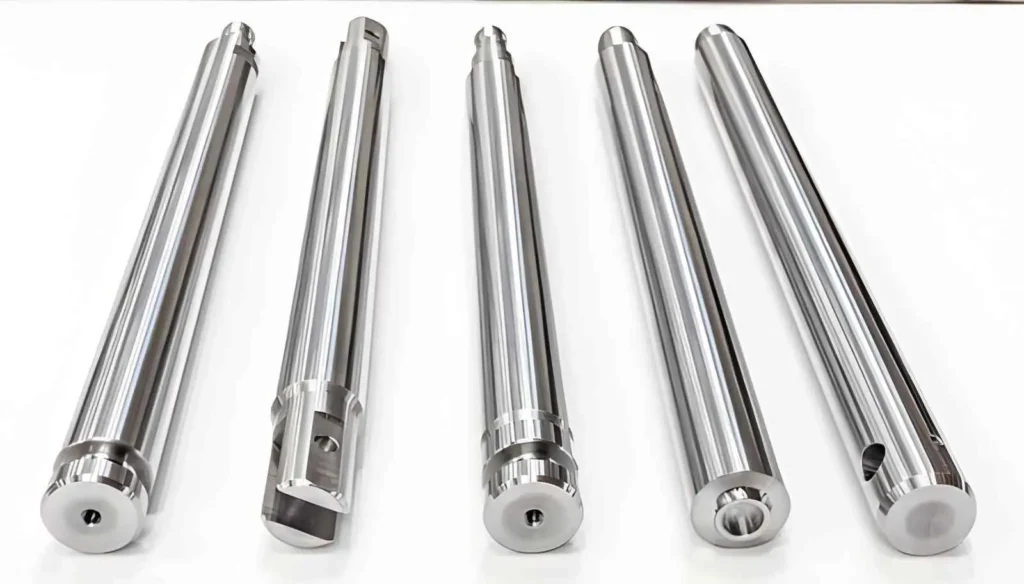
CNC machined steel shafts with complex geometries

Polished Stainless Steel for CNC Parts: Finishes, Benefits, and Design Considerations

A drawing that specifies “polished stainless steel” still leaves several manufacturing questions unanswered. The machinist needs to know which surfaces require polishing, the finish grade, the allowable surface roughness, and whether the finish serves a functional purpose, a cosmetic purpose, or both.

Polished Stainless Steel for CNC Parts: Finishes, Benefits, and Design Considerations Read More »
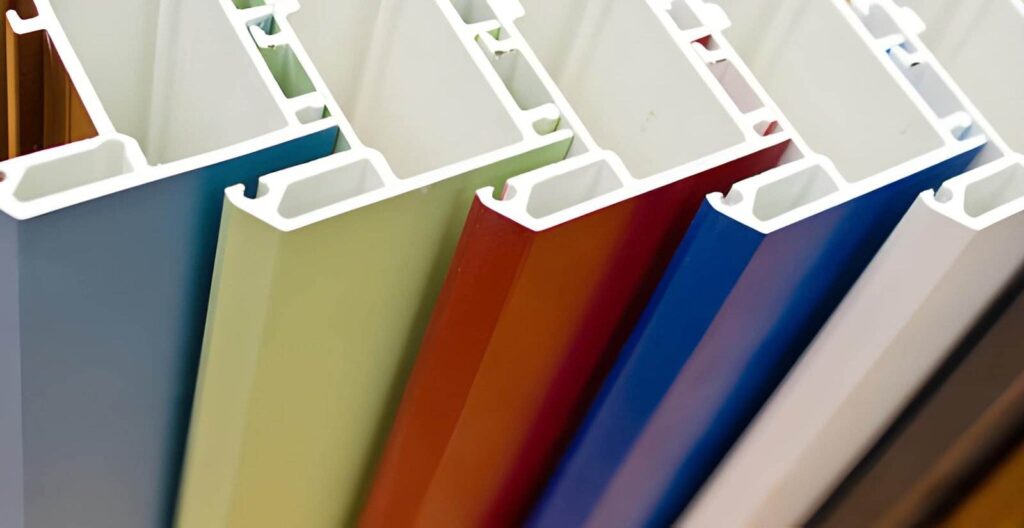
Anodized titanium machined parts

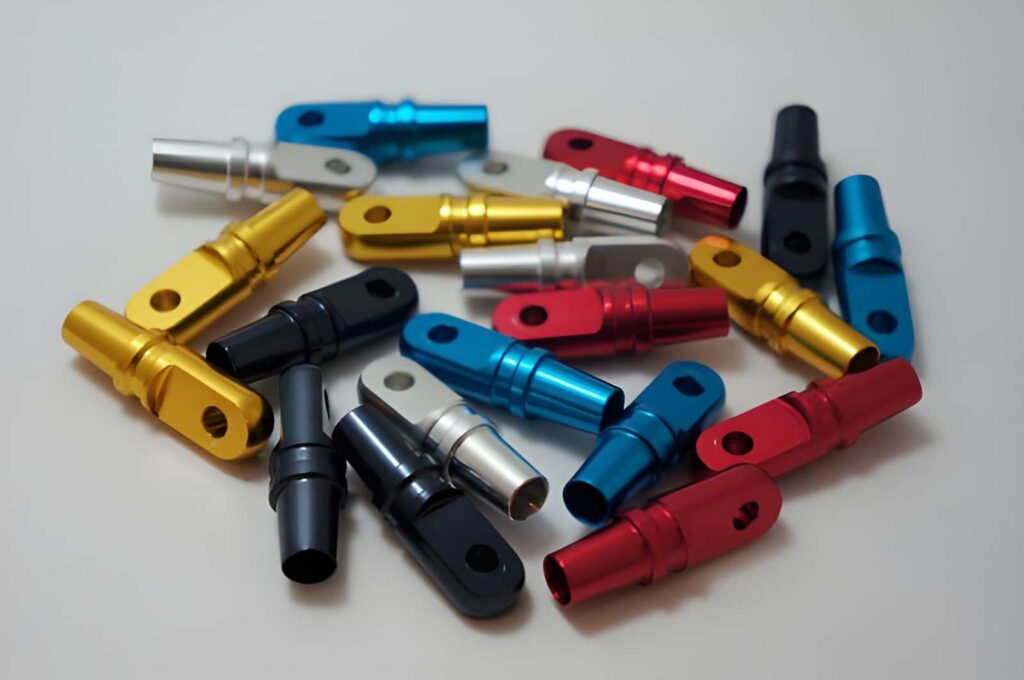
Titanium Anodizing: Colors, Process, Benefits, and CNC Part Applications

A machined titanium part is not always ready to go straight into assembly. In many cases, the surface needs one more step before the part is used. Titanium anodizing is often chosen at this stage. It simply changes the outer surface and keeps the original shape and dimensions of the machined component.

Titanium Anodizing: Colors, Process, Benefits, and CNC Part Applications Read More »

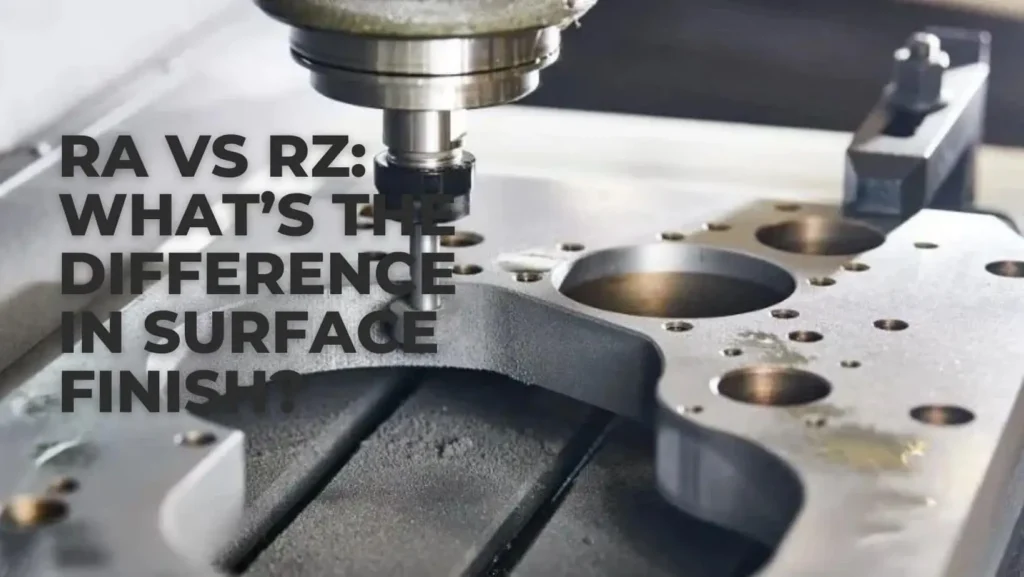
ra vs rz surface finish

Ra vs Rz: What’s the Difference in Surface Finish?

Surface finish directly affects the performance, wear resistance, sealing ability, and service life of custom metal parts. When reviewing precision machining drawings, Ra vs Rz surface finish is a common comparison because these two values describe surface roughness in different ways. Understanding the difference helps engineers specify the right finish for each part and application.

Ra vs Rz: What’s the Difference in Surface Finish? Read More »

Request a Quote

Upload your CAD files and receive a quotation within 12 business hours.