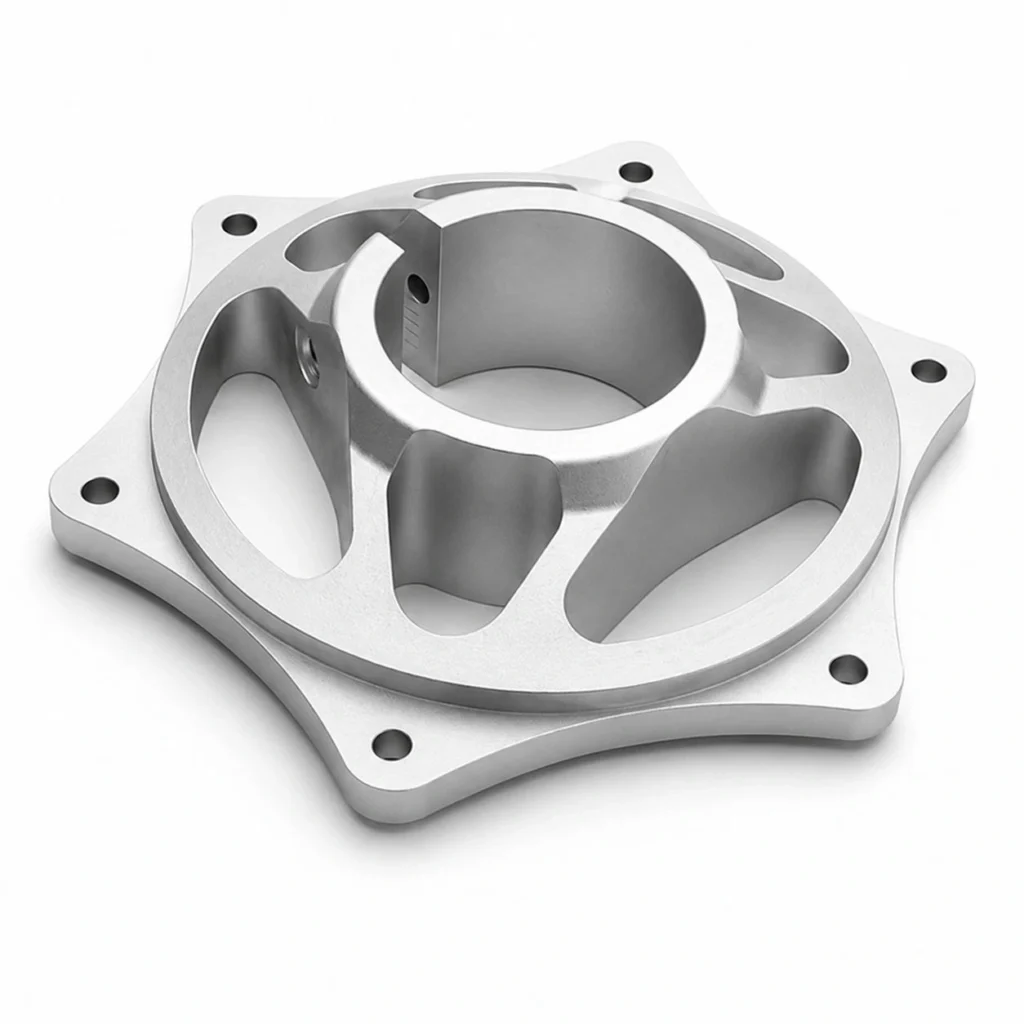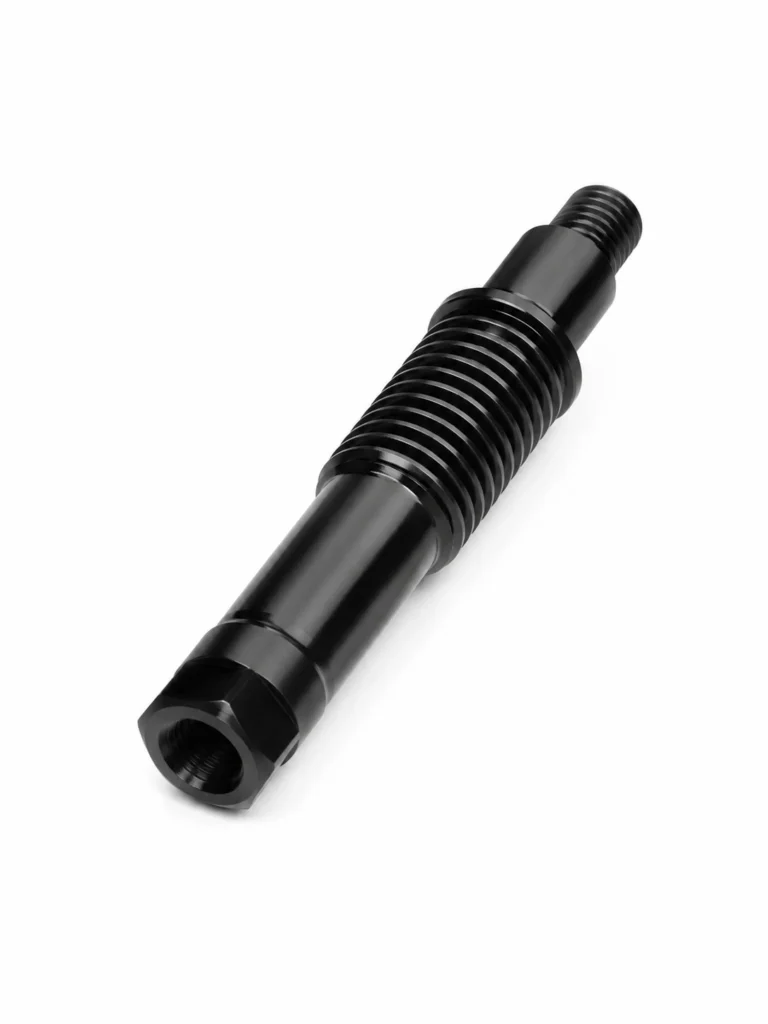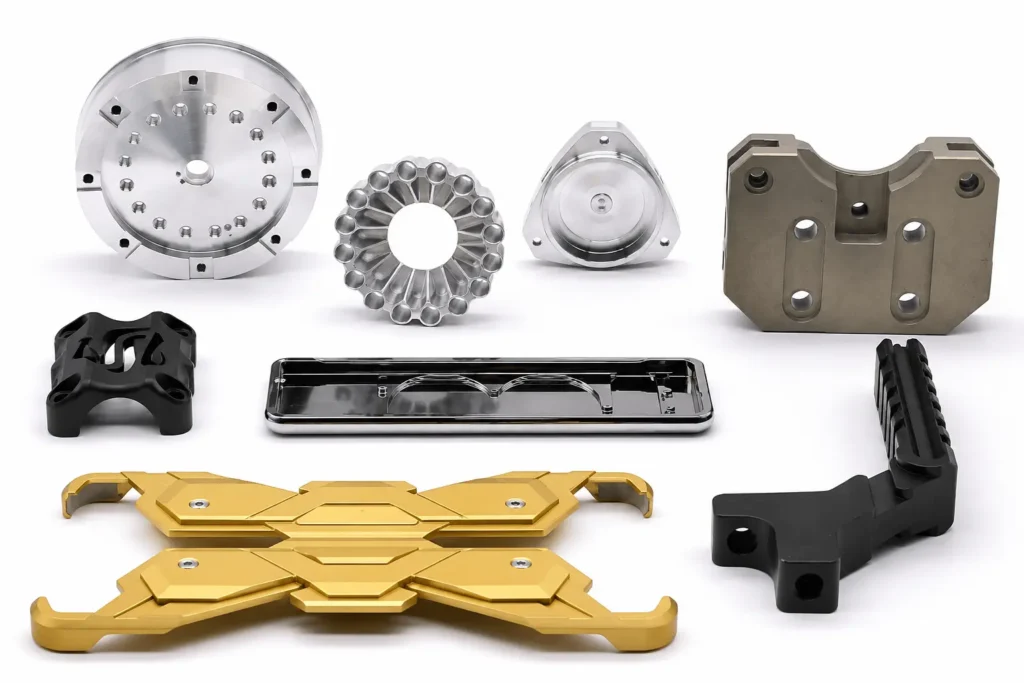
Aluminum 6061 is a common starting material for CNC machining. It works well across a wide range of parts. It is easy to source, cuts cleanly, and provides enough strength for many brackets, housings, mounts, plates, shafts, and machine components.
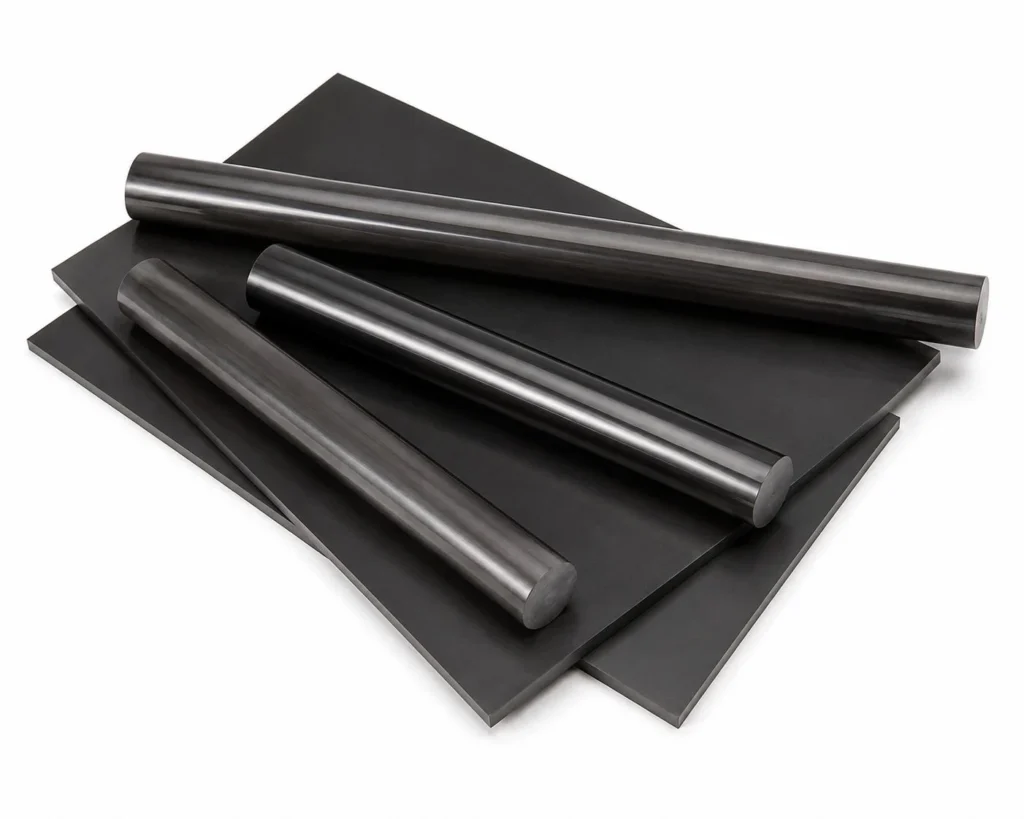
Another reason is the range of stock available. A manufacturer can start with 6061 plate for a machined housing, bar for a turned shaft, and extrusion for a part that already has much of its basic shape. This can reduce the amount of material that has to be removed.
6061 also gives manufacturers room to choose the material condition according to the part requirement. For many general CNC parts, 6061-T6 is a common choice because it combines useful strength with good machining behavior.
The alloy is not selected simply because it is easy to machine. The actual choice depends on the part’s load, size, stock form, required finish, corrosion exposure, and final dimensions.
What Is Aluminum 6061?
6061 is a magnesium-silicon aluminum alloy used for both general fabrication and machined components. It is a heat-treatable alloy. So its mechanical properties depend on the temper supplied with the material.
For CNC work, the temper should be specified along with the alloy. For example, 6061-T6 is widely used for machined parts that need a good balance of strength and machinability.
The stock form also changes how the material fits the job. A thick plate works well for a housing with large pockets, while a round bar is more suitable for a shaft or turned fitting. Using stock close to the required shape can reduce machining time and material waste.
6061 Alloy Composition and Basic Properties
6061 is an aluminium alloy of magnesium and silicon. It entails:
- Magnesium: Typically 0.8 to 1.2%.
- Silicon: 0.4 to 0.8%.
- Copper: Normally 0.15 to 0.40%.
The additions make it possible to heat-treat 6061 and provide the alloy with a desirable combination of strength, good machinability, and corrosion resistance. The tensile strength is approximately 290 MPa, yield strength is around 240 MPa in the common 6061-T6 condition, which depends on the product form and specification.
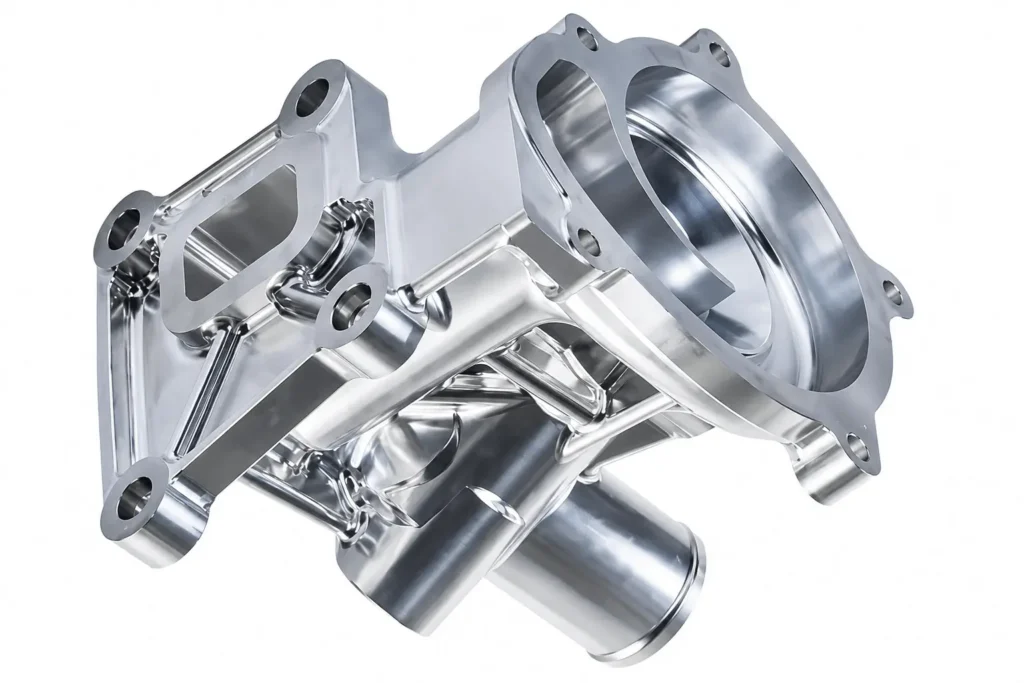
In the CNC application, 6061 is recommended for parts like brackets, housings, mounting plates, shafts, and machine components that do not demand high strength.
6061 Temper and Heat Treatment
The temper indicates the condition of the 6061 that reaches the machine shop. 6061-T6 is a solution heat-treated, quenched, and artificially aged grade for greater strength.
To give this perspective, the typical tensile strength of 6061-O is approximately 125 MPa, while the typical tensile strength of T6 is approximately 290 MPa. This difference has an impact on the specification of the material and on the properties of the finished part.
The material certificate should indicate 6061-T6 if a 6061-T6 alloy is required. The 6061-O and other tempers will alter the mechanical characteristics of the part.
Common 6061 Stock Forms
The stock form should be the same as the component’s basic form.
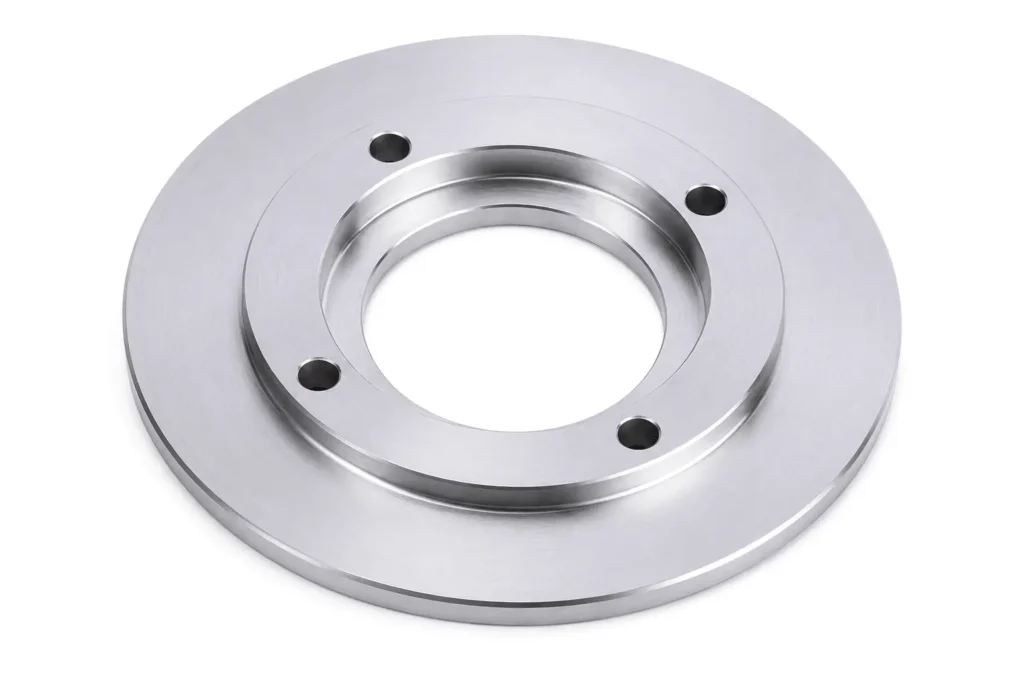
- For housings, brackets, covers, and parts with large milled areas, use aluminum plate.
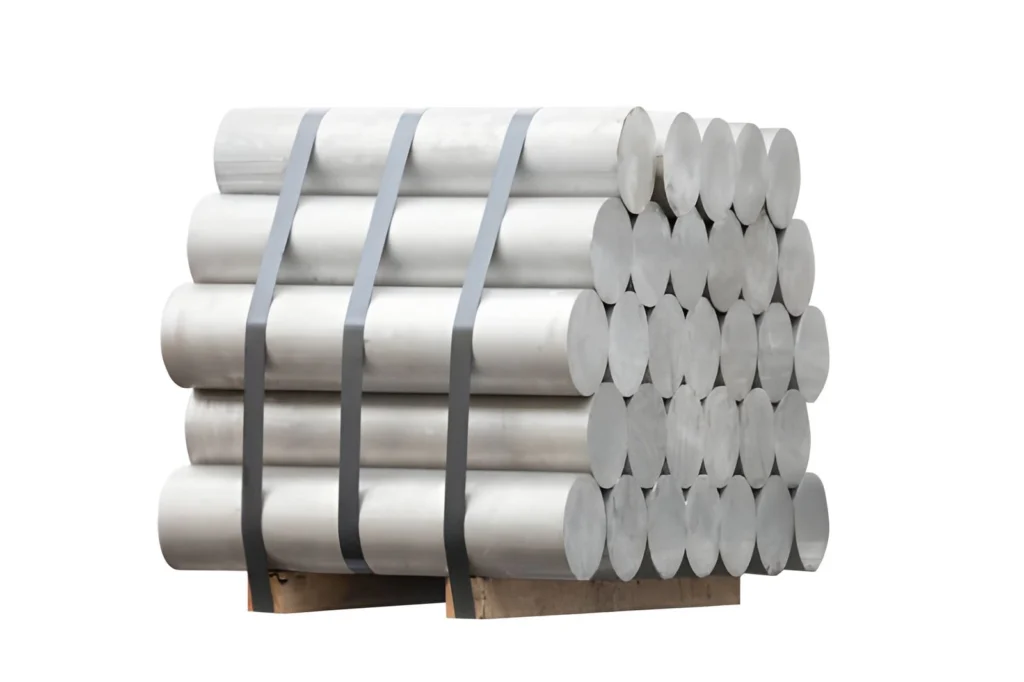
- Round bar is a practical choice as a starting point for shafts, pins, spacers, and turned fittings.
- If the finished product has a hollow section, then a tube can save a lot of machining time.
- Extrusion is useful when the cross-section of parts to be extruded is constant and long. For instance, a 500 mm long housing with the same external shape may need a lot less cutting from an appropriate 6061 extruded length than from a solid block.
Why Is Aluminum 6061 So Widely Used for CNC Machining?
When a component is to be machined in multiple operations, but the material choice isn’t complicated, 6061 is commonly selected. It is suitable for milling, drilling, tapping, boring, and turning operations, which means that it can be used to produce a wide range of parts.
That translates to machine shops knowing their tools, cutting data, and stock, so they can apply them to a variety of jobs.
Machinability and Tool Performance
6061 is somewhat easier to cut than other 6000-series alloys and can be cut with sharp carbide tools. It is not as difficult to cut as higher-strength alloys, like 7075.
The advantage of use is seen in parts that contain a considerable amount of machining. A housing can be roughed in a few minutes with the aid of several pockets and drilled holes, without having to switch to another complete machining process.
The condition of tools remains a relevant factor. A dull edge can begin to rub and cause aluminum to rub on the edge, which soon impacts the finish.
Strength for General Machined Parts
The 6061-T6 alloy is strong enough to be used in a wide variety of non-critical structural and machine components. It is often employed when a higher strength part is required than a soft aluminium grade, but is not warranted.
When the loads and dimensions of the instrument and section are calculated, a mounting bracket, instrument housing, fixture plate, or machine cover can often be fabricated from 6061-T6. The key point is that 6061 is not a high-strength option for all applications; it is a general-purpose engineering alloy.
Material Availability
6061 is available from various metal suppliers in standard sizes. This will facilitate the availability of material in a more desired size, especially for standard plates and rounds.
This makes CNC production easier, since a relatively simple part does not necessarily need to be ordered as a special size of material in the shop. This also simplifies planning repeat orders when the same material specification is utilized again.
Balance Between Cost and Machining
The starting stock can cause the machining cost to vary greatly. A part cut from a block can often be much more complex than a part that is cut from an appropriate bar, plate, or extrusion.
An example of this is a part that is finished that is mostly cylindrical; it would require removing less material by starting from 6061 round bar than from rectangular stock.
How Does 6061 Behave During CNC Machining?
6061 is normally easy to cut, but the machining can change once chips start collecting, the edge starts picking up aluminum, or a tool is kept under heavy load for too long. These issues are most noticeable in pockets, holes, slots, and finishing cuts.
Chip Formation
The chips can be easily removed from 6061 when it is processed by milling or turning operations. They typically come off in an open cut with little difficulty. A deep pocket is also different, as the chips are not so easily placed elsewhere.
Chips can bounce back through the cutter if there is a pocket cut that has chips in the pocket at the bottom. They are often indicated by wall marks and a hotter cutting zone. Areas of the cut can be kept clear by using an air blast or coolant shot into the pocket.
Built-Up Material on the Cutter
Aluminum will bond to the cutting edge rather than flake out of the tool. The cutter could be clean at the beginning of the job, and a layer of aluminum deposit could be seen later in the run.
After that deposit grows, the surface you are machining can become dull, streaked, or smeared. This tendency can be lessened by a sharp edge and a cutter used for aluminum. Tool inspection can be especially helpful in the lead-up to a critical finishing pass.
Cutting Heat
One of the most common characteristics of open milling is that heat is easily controlled. It is more prominent during heavy roughing, deep pockets, and cutting, where chips remain around the tool.
An example of this is a deep hole that has been machined using an incorrect chip clearance. The cutter continues to cut hot chips rather than fresh chips. Even when cutting conditions are not changed, the pocket can warm up significantly.
Burr Formation
The burrs tend to stick around the drilled holes, slot openings, and outside edges of the parts. Worn Cutters tend to leave a larger amount of material on the edge than sharp ones do.
The final pass also has an impact on the burr. A chamfer that requires a specified chamfer size (0.5 mm) can be machine-chamfered to provide a controlled edge. The overall deburring is not as dimensionally controlled as running the part in the deburring operation.
What Cutting Tools Work Well With 6061?
6061 is a good, manageable material with sharp carbide tools, which are used for aluminum materials. The tool must have a clear chip-clearing flute area and separate the material from the cutting area without interfering with the material.
End Mills for 6061
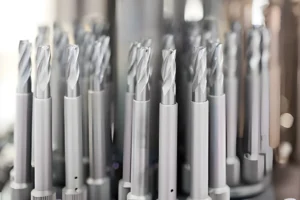
Use an end mill with a sharp cutting edge and polished flute surfaces. Two or three flute cutters are typically preferred as the greater flute space allows chips to move more easily.
When using for heavy roughing, the diameter and length of the flutes of the cutter should be matched to the power of the machine and the depth of cut. A sharp edge and appropriate flute geometry aid in achieving a cleaner wall/floor surface when finished.
Drills and Hole-Making Tools
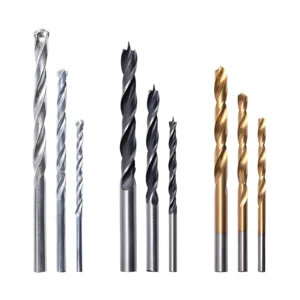
The drills for 6061 should give a clean cutting edge and enough flute space to have chips removed from the hole. The more deeply holes are formed, the more significant the issue of chip evacuation is.
The shallow clearance hole is relatively easy to do. A deep hole can retain chips in the flutes, reducing chip clearance and load. Depending on the manufacturer of the drill, pecking, coolant delivery, or another means of clearing the chips may be necessary.
Tool Condition
As a tool wears, it may reveal its state in an approaching and failing part. Common symptoms are an aluminum deposit at the edge, more burrs, rubbing marks, and loss of surface finish.
In production machining, examine the cutting edge at regular intervals, not because of a dimensional issue. This is particularly important prior to completing critical bores, mating faces, and visible surfaces.
6061-T6 vs. Other 6061 Tempers
The temper tells you the material condition and strength level of 6061. It should be selected from the part requirements, not added after the material has already been chosen.
Why 6061-T6 Is Common
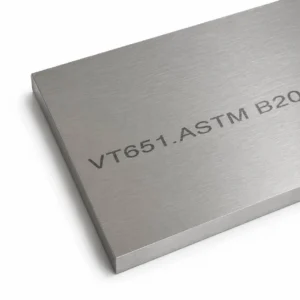
6061-T6 is widely used for CNC parts because the heat-treated condition gives the alloy useful strength for brackets, housings, mounting plates, shafts, and machine components.
For a part that needs a defined mechanical property, the drawing should call out 6061-T6 rather than simply “6061.”
When the Temper Should Be Checked Carefully
The temper needs more attention when the part will be formed, welded, or subjected to a specified mechanical load. Heat from welding can also change the properties near the weld.
For these parts, the required temper should be confirmed before machining and fabrication so that the material condition matches the finished-part requirement.
Why the Alloy Name Alone Is Not Enough
“6061 aluminum” does not identify the complete material condition. 6061-T6, 6061-T651, and 6061-O have different properties and processing histories.
An RFQ should therefore state the alloy, temper, material standard, and required certification where applicable.
Aluminum 6061 vs. Other CNC Aluminum Grades
The four grades below are used for different reasons. The choice usually comes down to machinability, strength, corrosion exposure, and how the stock will be formed or machined.
| Factor | 6061 | 5052 | 5083 | 7075 |
| Machinability | Good | Moderate | Moderate | Good |
| Strength | Medium | Medium | Medium-high | High |
| Corrosion resistance | Good | Very good | Very good | Moderate |
| Heat-treatable | Yes | No | No | Yes |
| Common stock | Plate, bar, extrusion | Sheet, plate | Plate, sheet | Plate, bar |
| Typical use | General CNC parts | Sheet and formed parts | Marine and fabricated parts | High-strength parts |
When 6061 Is the Better Fit
6061 is a useful base material for standard CNC parts. It comes in a variety of stock shapes and is suitable for milling and turning.
It is appropriate for applications requiring medium strength and where there is no strong argument for upgrading to a more specialized alloy.
When Aluminum 7075 Is Worth Considering
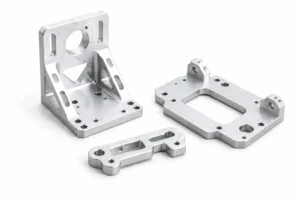
Where strength is the primary consideration and cost of the material is not a problem, 7075 is worth consideration. It is used in highly loaded parts where 6061 would need a greater section to support the load.
When Aluminum 5083 Is a Better Choice
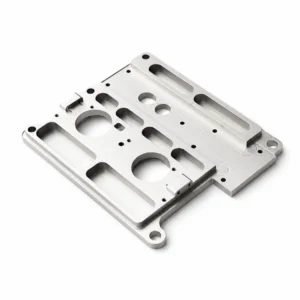
When the part will remain in contact with seawater or harsher marine environments, 5083 is more suitable. It is also a popular material for fabricated plate elements that are subsequently punched, cut, and formed into holes, faces, and connections.
When Aluminum 5052 Makes More Sense
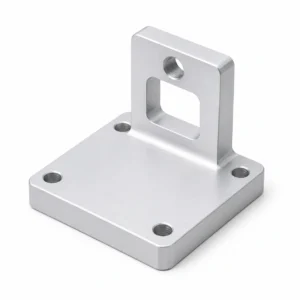
This aluminum grade is better suited for parts that begin in sheet form and must be formed either before or in conjunction with significant CNC operations. The 6061 is the more practical alloy for a simple machined block or bar part.
What Can Cause Problems When Machining 6061?
The good way to do this is to consider the completion of the part. The appearance and position of the defect can be a clue to the cause of the error in the machining operation.
Burrs Around Holes and Profiles
Look for breaks on the breakout side of drilled holes and on the end of milled profiles. If there is a large buildup of burrs in one direction, it can be caused by tool wear, and if the burrs shift depending on the direction of the tool path, it may be linked to the tool path.
The drawing for a production part should specify the desired edge condition. For instance, a 0.5 mm chamfer will provide the machinist with a distinct feature to create rather than depending on manual deburring.
Poor Surface Finish
Examine the pattern and not just the surface as a whole as “rough.” Repeating or regular lines or marks may indicate vibration or cutter movements. Smeared appearance may be due to aluminum sticking to the cutting edge. If only one area of the part is a problem, verify the local cutter engagement and tool access before changing the process.
Dimensional Changes in Thin Parts
If the thickness is correct when clamped, but it changes once it is removed, the setting may be causing the part to be distorted.
This is very much the case for thin plates, thin webs, and thin walls. Make a comparison between the part before and after unclamping. Reducing clamping force or changing the machining sequence if the dimension moves after it is released will be more helpful than just adjusting the CNC offset.
Chips Inside Deep Features
If the feature is deep or narrow, inspect prior to the next machining operation. The chips that collect at the bottom can prevent the cutter from reaching the desired cut position and can cause damage to the surface.
If the chips are not being ejected from the flutes, it can also be a problem in a deep hole. In such instances, the first check should be on the chip path and clearances around the tool—not the actual dimension.
Where Is CNC-Machined Aluminum 6061 Used?
The 6061 alloy is used for an extensive range of parts because it is not considered a specialised alloy and can be used for many different part requirements.
Housings and Enclosures
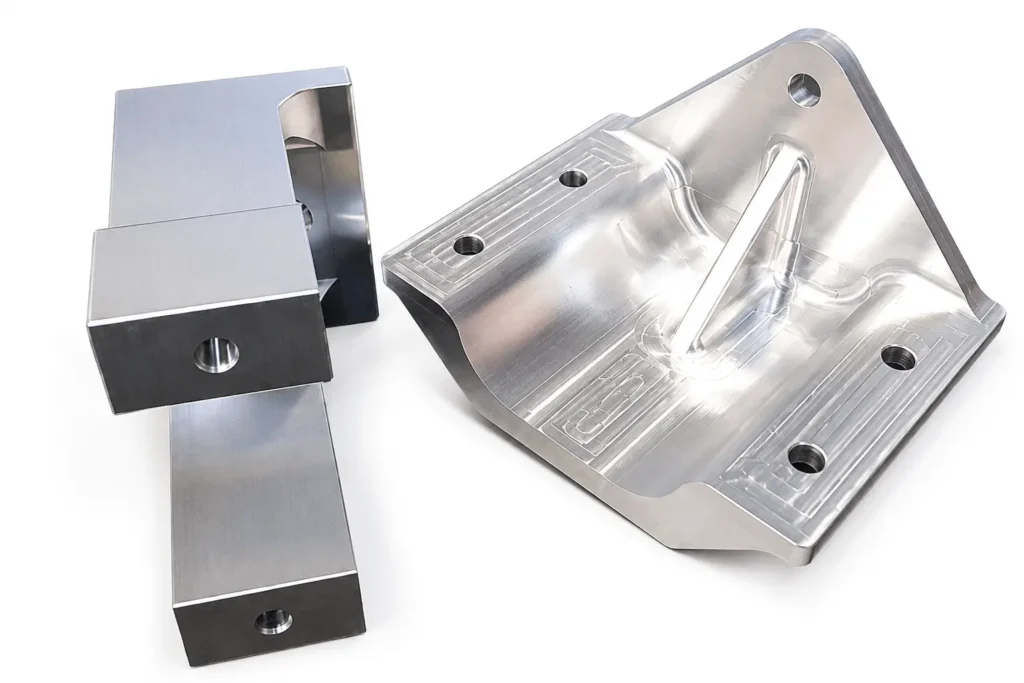
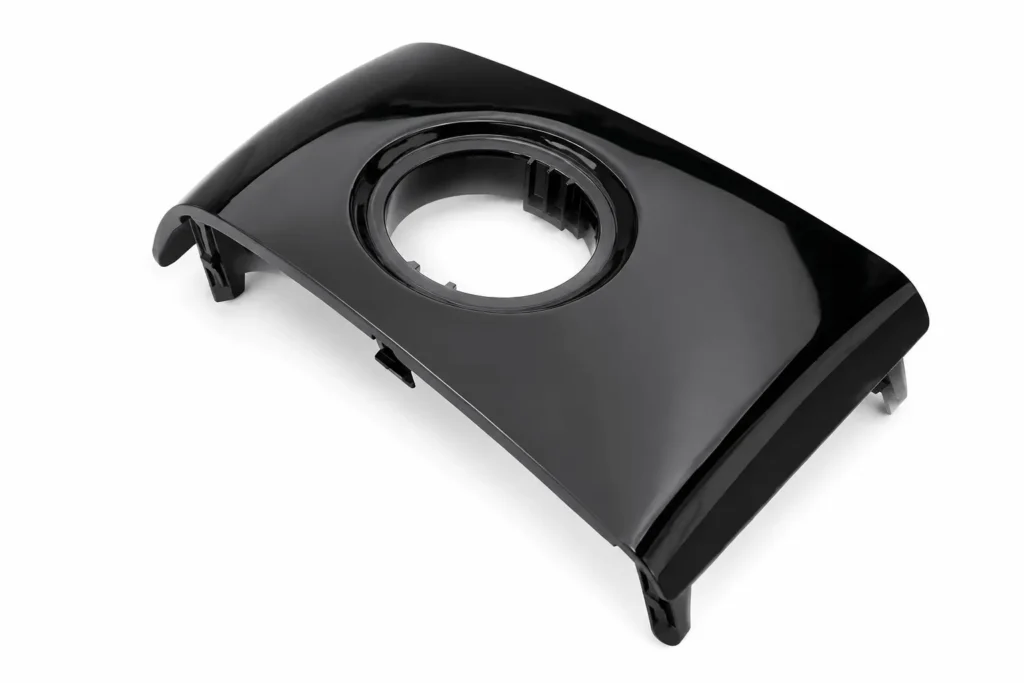
The use of 6061 is beneficial for housings requiring internal cavities, mounting bosses, cable openings, and cover interfaces. The outside shape and internal space can be milled in the same setup sequence with a billet housing. Also suitable for covers and equipment enclosures where a lightweight assembly can be beneficial.
Brackets and Mounting Components
The strength and relative light weight of 6061 material are useful properties for brackets. This enables a bracket to bear its specified load without the weight of steel.
It is often used for equipment mounts, sensor brackets, and structural supports when the loading is known and is not subjected to higher strength alloy.
Shafts, Pins, and Fittings
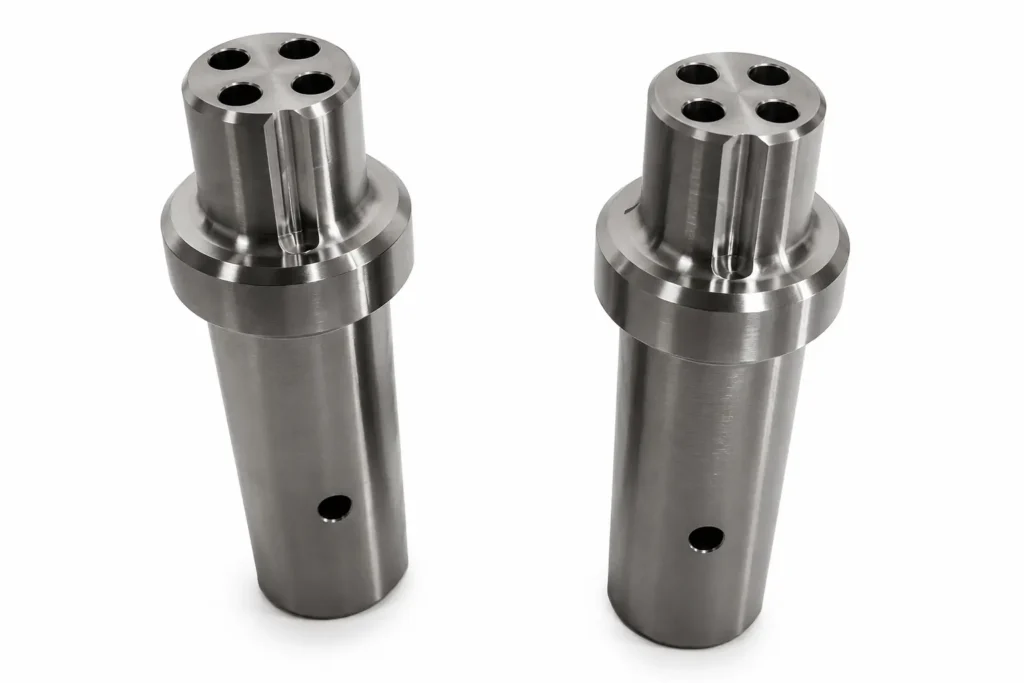
Here, the use of 6061 bar is not the same. The basic form is already provided by the round stock, and the diameters, shoulders, grooves, bores, and threaded ends are added by machining.
It is suitable for spacers, adapters, pins, etc., where the material need not resist the loads that can be placed on it by high-strength shaft alloys.
Fixtures and Machine Components
6061 is especially useful for soft jaws, prototype machine parts, drill fixtures, inspection fixtures, and temporary tooling.
These elements can change several times throughout the process of development. If holes, pockets, or locating features must be added to or modified, 6061 can be easily machined, allowing for the use of tooling that does not justify the expense of hardened steel.
Aluminum 6061 CNC Machining FAQs
Why Is 6061 So Common in CNC Machining?
6061 is widely available and works well for milling, turning, drilling, and tapping. It also covers a broad range of general-purpose parts without the cost of a higher-strength alloy.
Is 6061-T6 Good for CNC Machining?
6061-T6 is a common choice for machined parts that need a useful level of strength. It works well for brackets, housings, plates, fixtures, and machine components.
Does 6061 Need Special Tooling?
Standard CNC tooling can be used, with sharp cutting edges and geometry suited to aluminum. Tool selection becomes more important for deep pockets, fine finishing, and high material-removal rates.
Can 6061 Be Used for Precision Parts?
6061 can be machined for precision features such as bores, mounting holes, threaded holes, and mating faces. The achievable result depends on the part geometry, machine, tooling, setup, and specified tolerance.
Can 6061 Be CNC Turned as Well as Milled?
6061 round bar is commonly turned into shafts, pins, spacers, adapters, and fittings. Drilling, boring, threading, and milling can then be added to the turned part.
What Is the Best Stock Form of 6061 for CNC Machining?
Choose the stock form that is already close to the finished shape. Plate suits flat and pocketed parts, bar suits round components, and extrusion can reduce machining on parts with a constant profile.
Does CNC Machining Reduce the Strength of 6061-T6?
Normal machining does not remove the T6 condition from the entire part. However, localized heating, welding, or other processes after machining can affect the material condition in specific areas.
Is 6061 Suitable for Parts That Will Be Welded After Machining?
6061 can be welded, but the heat-affected area can have lower strength than the original T6 material. For a welded component, the drawing and manufacturing process should account for the condition of the material after welding.
What Surface Finishes Can Be Applied to CNC-Machined 6061?
Common options include anodizing, chemical conversion coating, and powder coating. The required appearance, corrosion protection, dimensional change, and functional surface should be considered before selecting the finish.
Is Aluminum 6061 the Right Choice for Your CNC Part?
For many CNC parts, 6061-T6 is a sensible starting material. It suits components such as housings, brackets, fixture plates, covers, shafts, and mounting parts where very high strength is not required.
The decision changes if the part has a specific demand. A marine component may call for 5083. A highly loaded lightweight part may justify 7075. A formed sheet component may be better suited to 5052.
For 6061, check the temper, stock form, finished wall thickness, critical holes and fits, machining allowance, and required surface finish before placing the material order. These details can affect both the machining process and the final part.
Have a 6061 part to machine? Send YD Rapid the CAD file and drawing with the material temper, quantity, and critical requirements. We can review the part and quote it based on the actual machining work.