What is a drive shaft? A drive shaft, also spelled driveshaft, is a rotating mechanical component that transmits torque between parts of a drivetrain. In a typical rear-wheel-drive vehicle, it connects the transmission to the differential, which distributes torque to the drive wheels. Its joints and sliding connections accommodate suspension movement. You’ll learn about its components, working principles, types, materials, common faults, and applications.
In this longitudinal automotive arrangement, you may also see the terms propeller shaft, propshaft, or tailshaft. The name driving shaft is sometimes used as well, although it can also describe an input shaft in a broader mechanical context.
Main Components of a Drive Shaft
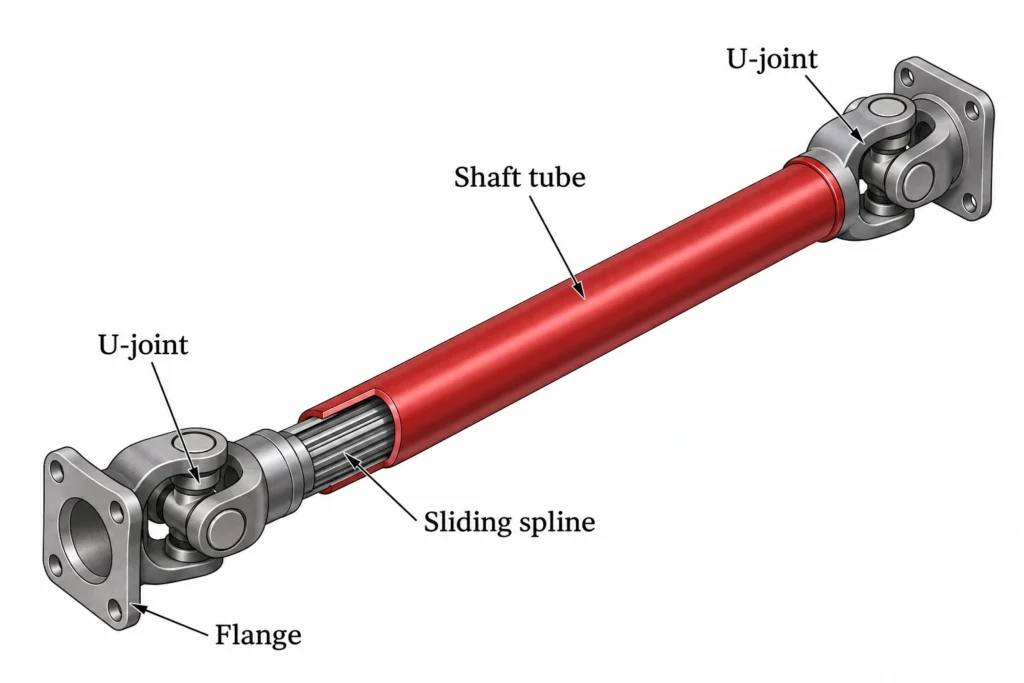
The main parts of a drive shaft include the tube, joints, and connecting hardware. The following automotive drive shaft components form a typical assembly, although the arrangement varies by design.
Shaft Tube
The shaft tube carries torque between the ends of the assembly. The hollow construction of many automotive shaft tubes helps reduce weight while maintaining strength and stiffness.
Universal Joints or CV Joints
These joints transmit torque while accommodating changes in angle. CV joints also maintain equal input and output rotational speeds within their operating range.
Slip Yoke or Sliding Splines
This connection allows axial movement as the distance between drivetrain components changes, while continuing to transmit torque.
Yokes and Flanges
Yokes hold the U-joint bearings, while flanges provide bolted connections to the transmission, transfer case, or differential.
Center Support Bearing
Used in many two-piece or multi-section designs, this bearing supports the shaft between sections. Its mounting often includes rubber to help isolate vibration.
How Does a Drive Shaft Work?
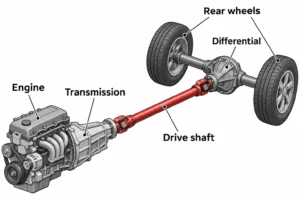
A drive shaft transfers torque through a rotating assembly. In a typical rear-wheel-drive vehicle, this means carrying power from the transmission or gearbox to the differential while accommodating movement between them.
Power Input and Torque Transmission
The transmission output turns the drive shaft through a splined or flanged connection. The shaft tube carries this torque to the differential, which then distributes it through the axle shafts to the drive wheels. In industrial equipment, the shaft may connect a motor or gearbox to a driven machine.
Accommodating Angular Movement
As your vehicle’s suspension moves, the angle between connected drivetrain components can change. U-joints or CV joints allow torque transmission through these changing angles. With conventional U-joints, suitable operating angles and correct yoke phasing help control cyclic speed fluctuations. Phasing means the relative rotational alignment of the yokes; follow the vehicle manufacturer’s specified arrangement. A technical bulletin archived by NHTSA explains how driveline phasing affects vibration.
Adjusting the Effective Length
Suspension movement can also change the distance between the transmission and differential. A slip yoke or sliding spline connection moves axially while its teeth remain engaged, allowing the assembly’s effective length to change without interrupting torque transmission.
Delivering Torque to the Output
At the output end, a joint and connecting yoke or flange transfer torque to the driven component. Smooth operation depends on the complete assembly: shaft balance, alignment, joint condition, and operating speed all affect vibration. A shaft also has a bending critical speed, where resonance can cause excessive bending or whipping. Good balance alone does not establish a safe operating speed; operating-speed suitability must be checked separately. Manufacturer vibration-analysis training archived by NHTSA discusses driveshaft critical speed and balance.
Types of Drive Shafts
Drive shafts can be classified by their construction and joint arrangement. These categories overlap: a one-piece shaft, for example, may use U-joints or CV joints.
One-Piece Drive Shafts
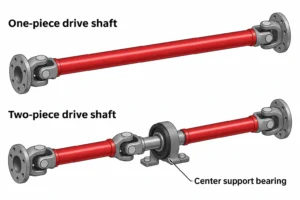
A one-piece drive shaft uses a single shaft section between the driving and driven components. Its simple layout requires fewer supports and connections. However, shaft length, diameter, and operating speed limit where you can use it without excessive vibration.
Two-Piece and Multi-Piece Drive Shafts
These designs divide the shaft into two or more sections, supported by intermediate bearings. You’ll often find them in long-wheelbase trucks and other vehicles where a single shaft would be impractical. They accommodate longer transmission distances but require careful alignment of the sections and supports.
U-Joint Drive Shafts
U-joint drive shafts use universal joints to transmit torque between components operating at an angle. A single conventional U-joint produces cyclic speed variation when angled, so joint arrangement, operating angles, and yoke phasing matter for smooth operation.
CV-Joint Drive Shafts
CV-joint drive shafts maintain equal input and output rotational speeds through their designed operating angles. They are useful where the drivetrain requires angular movement with controlled speed variation. Some assemblies combine different joint types to suit the application.
Shaft vs. Drive Shaft vs. Gear Shaft
A shaft is a broad category of rotating mechanical components. A drive shaft is defined mainly by its torque-transmission function, while a gear shaft is identified by its gear-carrying or integrated gear structure.
| Comparison | Shaft | Drive Shaft | Gear Shaft |
| Definition | A mechanical member that rotates to transmit torque, support rotating parts, or both | A shaft or shaft assembly that transfers torque between driving and driven components | A shaft with integral gear teeth or gears mounted on it |
| Main function | Supports components such as gears and pulleys and may transmit torque | Transfers rotational power between connected components | Supports gears and transmits torque through a gear arrangement |
| Typical construction | Solid or hollow; straight or stepped | May include a tube, joints, splines, yokes, and flanges | Commonly includes gear teeth or gear seats, bearing journals, and locating shoulders |
| Movement accommodation | Depends on the bearings and connected components | Jointed designs can accommodate angular movement; sliding connections allow axial movement | Usually operates on a fixed axis within a housing |
| Common applications | Motors, pumps, conveyors, and machinery | Vehicle drivetrains and industrial drive systems | Gearboxes, reducers, and geared machinery |
These terms overlap. A gear shaft also transmits torque, and a drive shaft belongs to the broader shaft category. When you specify a part, its drawing, connections, and operating requirements are more useful than the name alone.
It is also important to distinguish drive shafts from axle shafts. In a conventional rear-wheel-drive layout, the longitudinal shaft drives the differential, while axle shafts connect the differential to the wheels. A drive axle may refer to a driven axle assembly or an individual axle shaft, depending on context. Front-wheel-drive vehicles generally use CV half-shafts rather than a longitudinal propshaft.
What Materials Are Drive Shafts Made From?
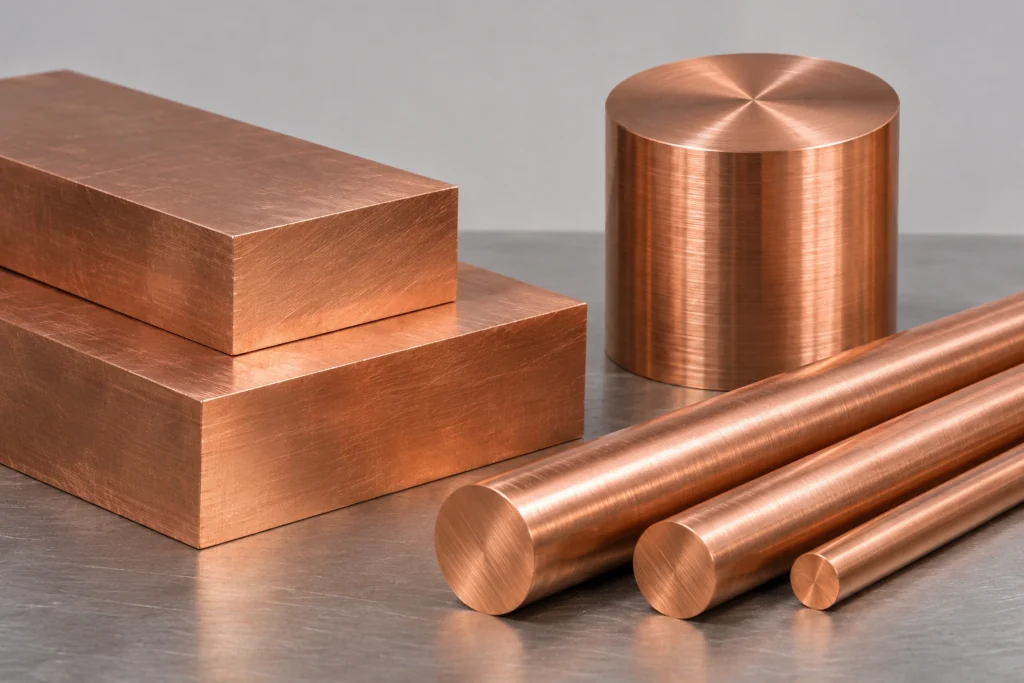
Drive shaft tubes are commonly made from steel, aluminum alloys, or carbon-fiber composites. When you compare materials, consider torque, rotational speed, shaft length, weight, and cost. The tube and connecting components may use different materials.
| Material | Main Advantages | Limitations | Typical Uses |
| Steel | High stiffness, durable, and generally economical | Heavier than aluminum or carbon-fiber alternatives; needs corrosion protection | Passenger vehicles, trucks, and industrial equipment |
| Aluminum Alloy | Lower weight and rotational inertia than a comparable steel design | Lower elastic modulus than steel, often requiring a larger tube diameter | Weight-sensitive automotive and performance applications |
| Carbon-Fiber Composite | Low weight with stiffness that can be tailored through fiber orientation | Higher cost; specialized manufacturing and end-connection design | Performance vehicles and selected high-speed applications |
Material selection also depends on the individual component. Yokes, splined sections, and joint components often use steels selected for strength, fatigue resistance, and wear resistance, even when the shaft tube is aluminum or carbon fiber. You should therefore specify materials and heat treatments by component rather than assigning one material to the entire assembly.
Common Drive Shaft Problems and Their Causes
Common symptoms of a bad drive shaft include vibration, unusual noises, or excessive play. These symptoms can also come from other drivetrain components, so inspection is needed to identify the cause.
Vibration and Shuddering
Drive shaft vibration that increases with vehicle speed may result from shaft imbalance, a bent tube, or missing balance weights. If you feel shuddering during acceleration, possible causes include worn joints, a damaged center support bearing, or unsuitable joint operating angles.
Clunking and Excessive Play
A clunk when accelerating or shifting between forward and reverse may indicate worn U-joints, excessive spline clearance, or loose mounting connections. Wear allows connected parts to move before they take up the load.
Squeaking or Grinding
Dry or worn joint bearings can produce squeaking or grinding noises. Contamination may also damage bearing surfaces. Follow the manufacturer’s lubrication instructions, as sealed joints do not require routine greasing.
Cracks, Bending, and Corrosion
Impact damage can dent or bend the shaft tube, affecting its alignment and balance. Repeated loading, overload, or severe corrosion can also lead to cracks and eventual failure.
Damaged CV Boots and Grease Leakage
On CV-equipped drive shafts, a torn boot or loose clamp allows grease to escape and dirt or moisture to enter. This contamination accelerates joint wear and may eventually cause noise, vibration, or excessive play.
Applications of Drive Shafts
Drive shafts transfer rotational power between separated components. Their construction varies with the required torque, speed, installation space, and movement.
Automotive Drivetrains
In rear-wheel-drive vehicles, the rear drive shaft connects the transmission to the differential. In four-wheel-drive vehicles, front and rear drive shafts may connect the transfer case to the axle differentials. All-wheel-drive layouts vary, so the number and position of shafts depend on the drivetrain design.
Industrial Machinery
Industrial drive shafts connect motors or gearboxes to equipment such as rolling mills, conveyors, and processing machines. Jointed designs accommodate specified angular misalignment, while sliding connections can allow axial movement.
Agricultural Equipment
Power take-off (PTO) shafts transfer power from tractors to implements such as mowers, balers, and rotary tillers. Their joints and telescoping sections accommodate changes in angle and distance as the tractor and implement move.
Marine Propulsion
Marine propulsion shafts transmit torque from an engine or gearbox to a propeller. Depending on the installation, the system may include couplings, support bearings, and seals. These shafts often operate on a fixed alignment rather than using an automotive-style jointed arrangement.
Custom Automotive Parts from YD Rapid
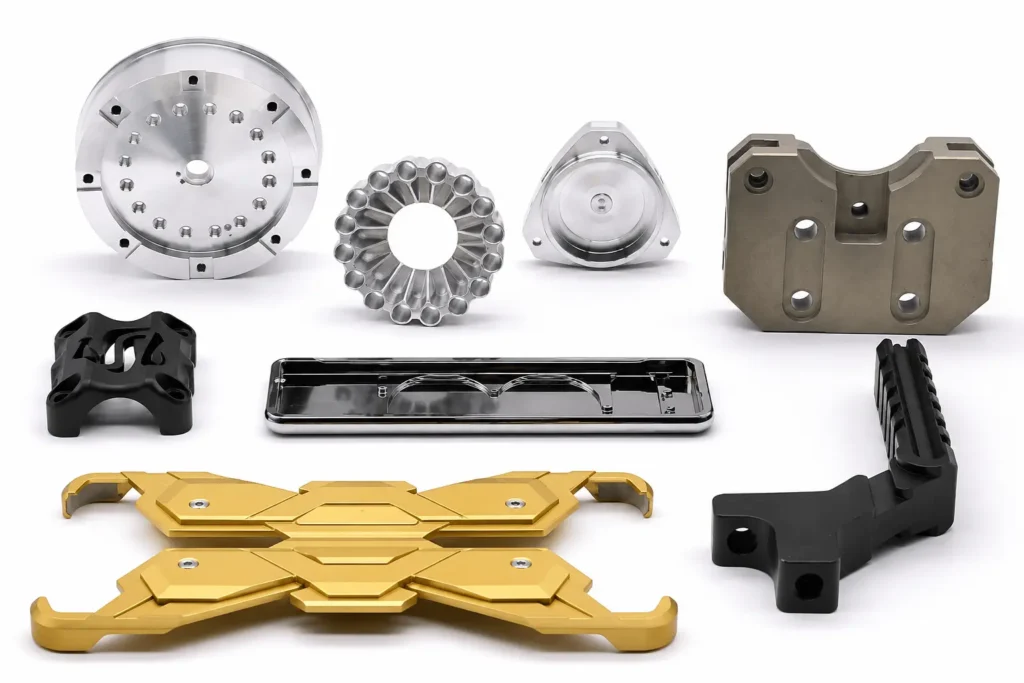
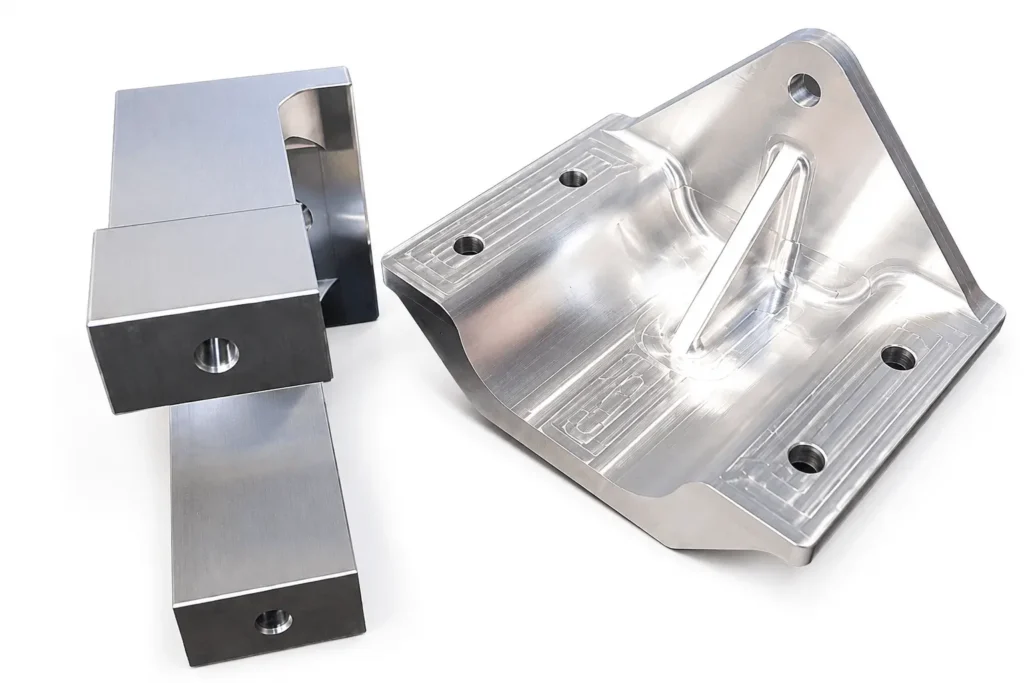
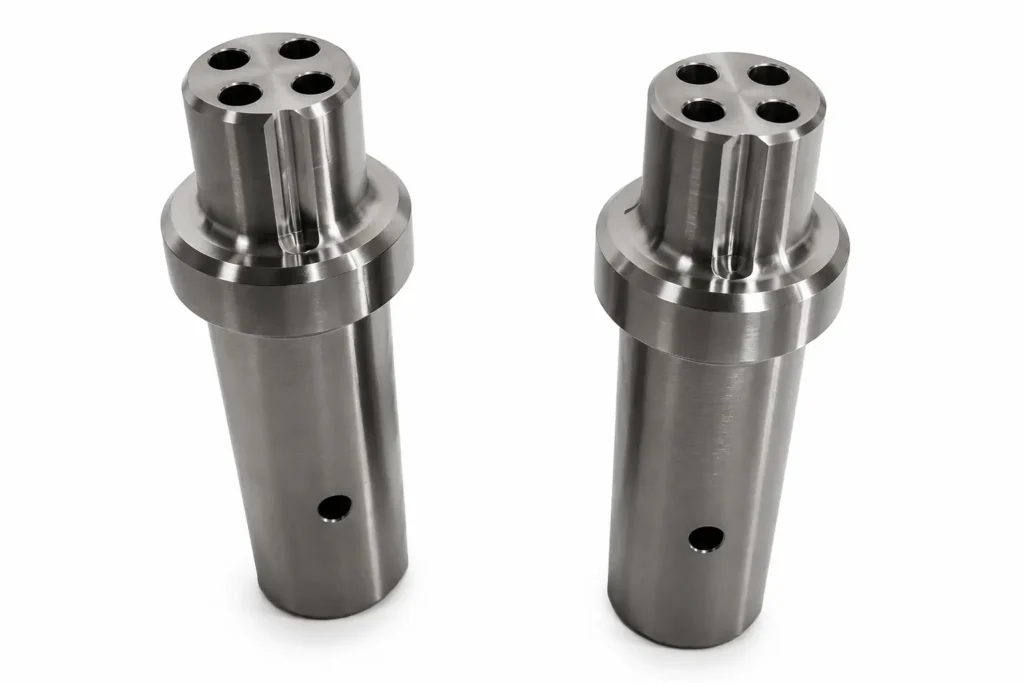
YD Rapid provides CNC machining for custom automotive components, including shafts, flanges, bushings, and connecting parts. Send us your drawings, material requirements, quantities, and critical tolerances so we can review your design and prepare a quote.
FAQs
Does a Drive Shaft Rotate at the Same Speed as the Wheels?
Not necessarily. In a typical rear-wheel-drive vehicle, the drive shaft rotates faster than the wheels because of the final-drive reduction. With a 3.73:1 final-drive ratio, it turns approximately 3.73 times for each wheel revolution during straight-line travel.
Can You Shorten a Drive Shaft?
Some tubular drive shafts can be shortened by a qualified specialist. The modified assembly must retain correct alignment, joint phasing, and sliding travel, and its balance and operating-speed suitability must be checked.
How Long Does a Drive Shaft Last?
There is no universal replacement interval. Service life depends on operating loads, road conditions, corrosion exposure, and maintenance. Joints and support bearings may require replacement before the shaft tube itself.
Conclusion
A drive shaft transfers torque while its joints and sliding connections accommodate movement between drivetrain components. Understanding its construction, materials, and common faults helps you evaluate the right design for your application. For custom automotive components, send YD Rapid your drawings, material specifications, quantities, and critical tolerances to request a quote.