
Precision CNC Machining Manufacturer in China
Aluminum CNC Machining Services
High-precision aluminum CNC machining for prototypes and production parts. Tight tolerances, fast lead times, and superior surface finishes.
Aluminum CNC Machining
Aluminum is widely used for CNC machined parts because it is lightweight, corrosion-resistant, and easy to machine. It also provides good strength and thermal conductivity, making it suitable for housings, brackets, heat sinks, fixtures, and other precision components.
YD Rapid machines common aluminum grades including 6061, 7075, 2024, 5052, and 6082. We support CNC milling, turning, drilling, tapping, and 5-axis machining for prototypes and low-volume production. Parts can be supplied as-machined or finished with anodizing, bead blasting, powder coating, polishing, and other surface treatments.
- Multiple aluminum grades available
- Tolerances based on drawing requirements
- Complex features and thin-wall parts supported
- Prototype and low-volume production
- Anodizing and other surface finishes available
- Material certificates and inspection reports available
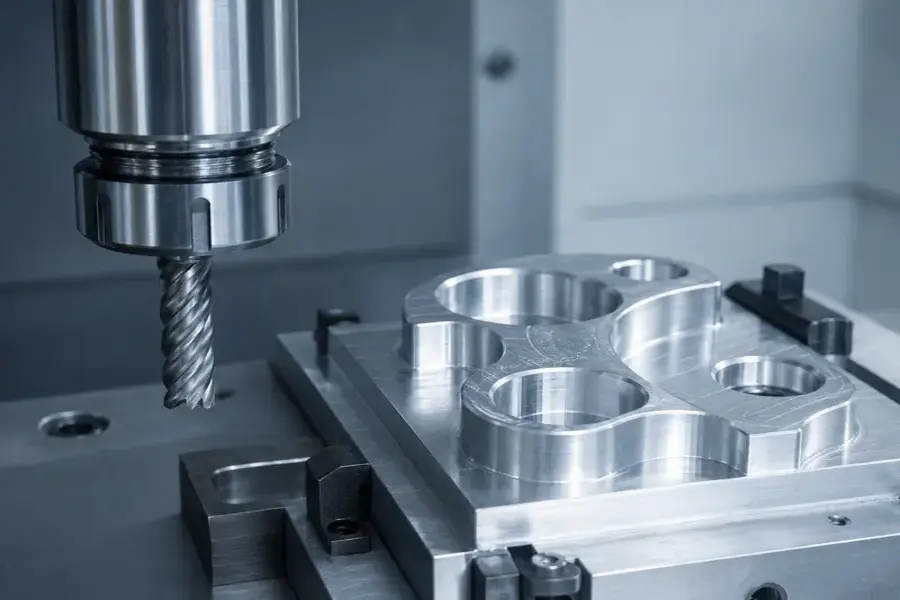
Aluminum Material Options
| Aluminum Grades | Tensile Strength (MPa) | Yield Strength (MPa) | Fatigue Strength (MPa) | Elongation at Break (%) | Hardness (HRC) | Hardness (HRB) | Density (g/cm³) |
|---|---|---|---|---|---|---|---|
| Aluminum 5052-H32 | 230–250 | 195–210 | 110–120 | 12–15 | 25–35 | 60–70 | 2.70 |
| Aluminum 6061-T651 | 310–350 | 250–310 | 150–180 | 12–16 | 35–45 | 70–90 | 2.70 |
| Aluminum 6082-T651 | 330–420 | 270–330 | 180–220 | 12–16 | 40–50 | 80–90 | 2.70 |
| Aluminum MIC-6 | 345–400 | 310–360 | 180–200 | 12–14 | 25–40 | 60–80 | 2.70 |
| Aluminum 2024-T351 | 470–520 | 420–470 | 150–180 | 12–14 | 50–60 | 90–100 | 2.78 |
| Aluminum 7075-T651 | 570–600 | 510–530 | 300–350 | 10–12 | 60–70 | 90–100 | 2.81 |
Machining Capabilities
YD Rapid provides aluminum CNC machining for prototypes and low-volume production. Our capabilities include 3-axis and 5-axis milling, CNC turning, drilling, and tapping for simple and complex aluminum parts. We machine common grades such as 6061, 7075, 2024, 5052, and 6082 according to your drawings and tolerance requirements.
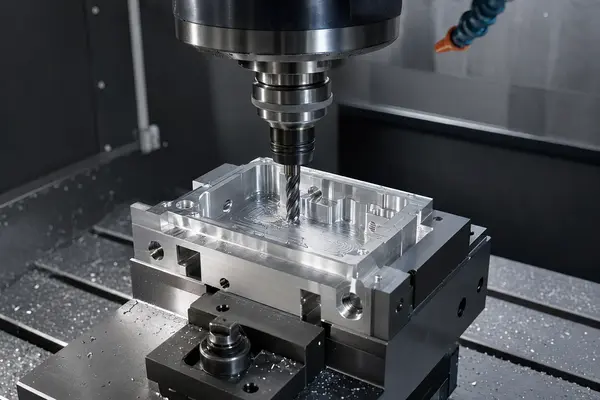
Aluminum CNC Milling
High-precision 3-axis milling for complex geometries and tight tolerances.
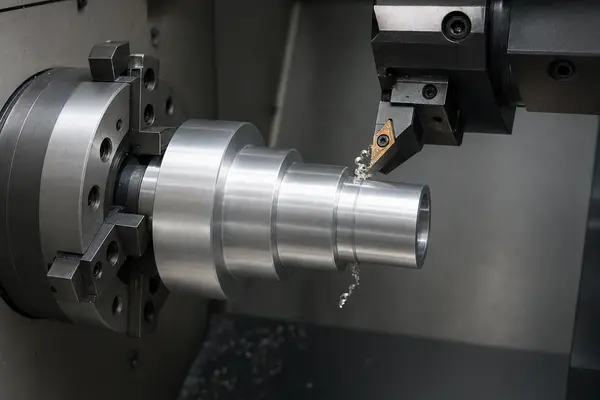
Aluminum CNC Turning
Precision turning for cylindrical parts with excellent surface finishes.
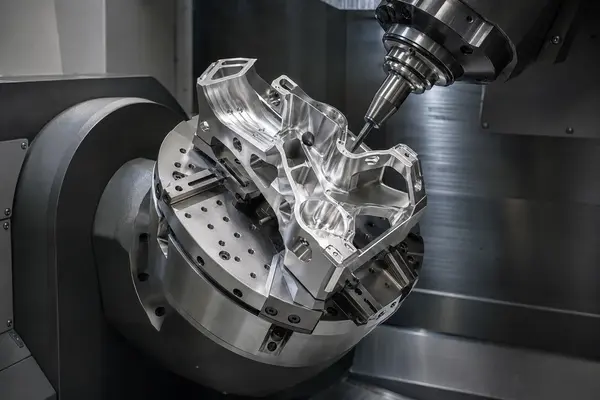
5-Axis Aluminum Machining
Simultaneous 5-axis machining for intricate parts and fewer setups.
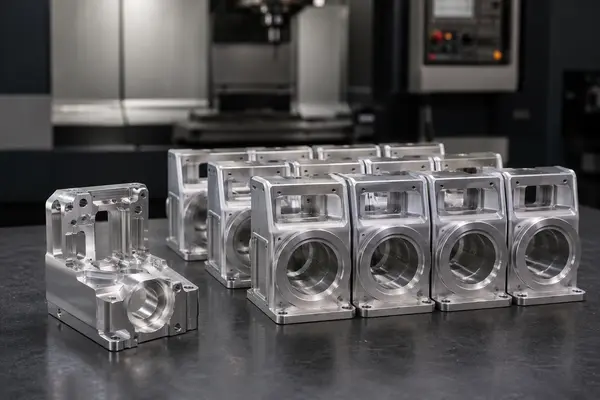
Prototype & Low-Volume
Fast turnaround for prototypes and low-volume production runs.
Quality Control for Aluminum CNC Machining
- 100% dimensional inspection on critical features
- Advanced CMM and precision measuring equipment
- Material certification and traceability
- First article inspection reports (FAI)
- Strict quality management system (ISO 9001:2015)
- Consistent quality from prototype to production
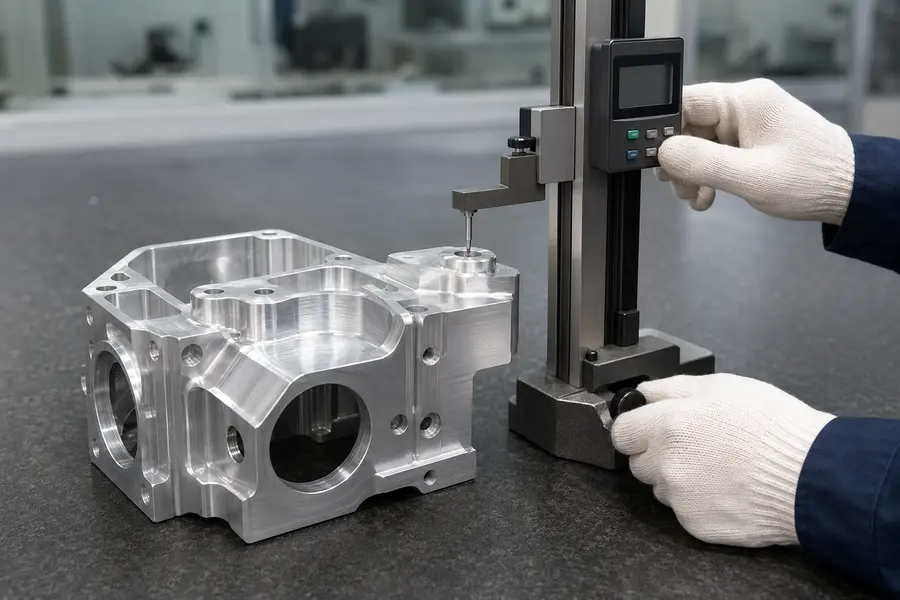
Machined Aluminum Parts Display
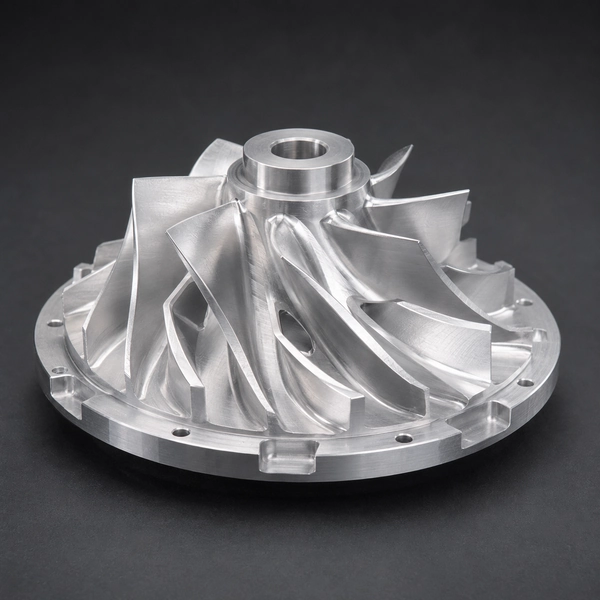
Aluminum Impeller
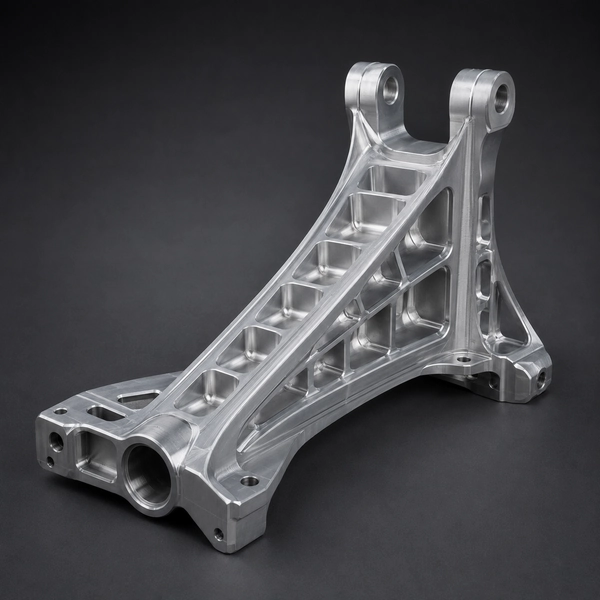
Aerospace Aluminum Bracket
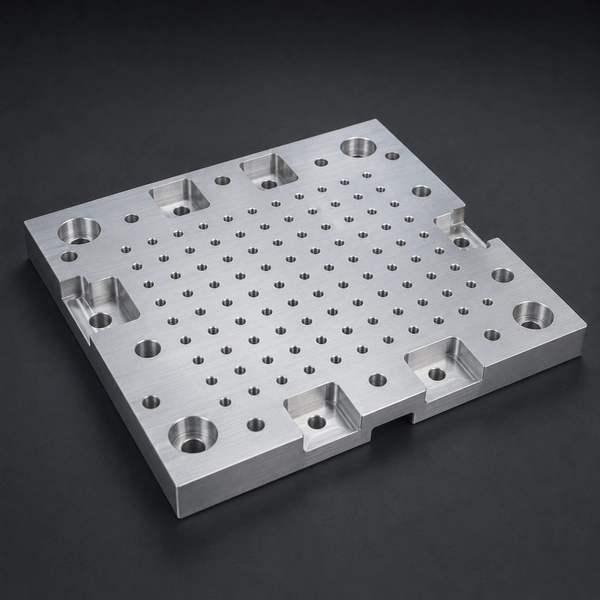
Aluminum Fixture Plate
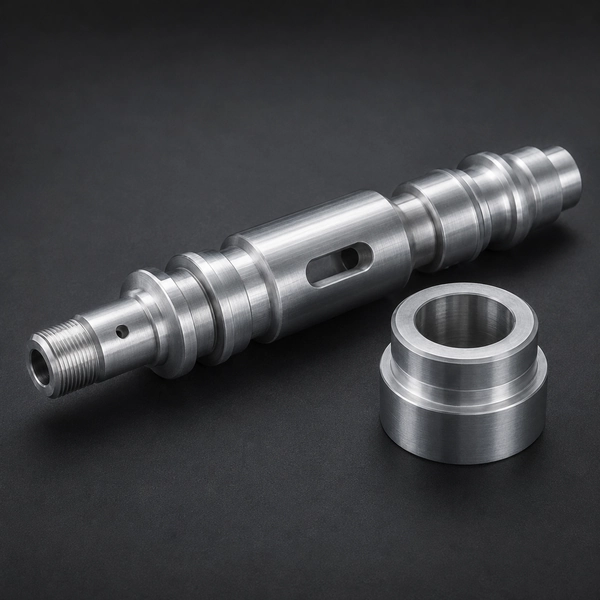
Aluminum Shaft and Bushing
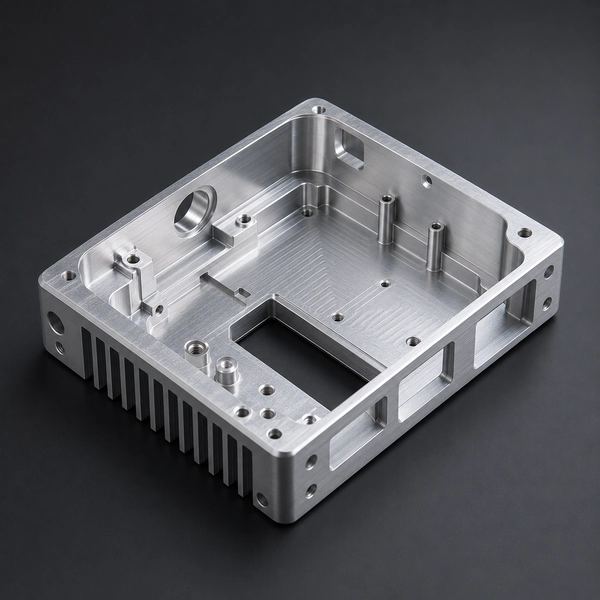
Aluminum Electronics Housing
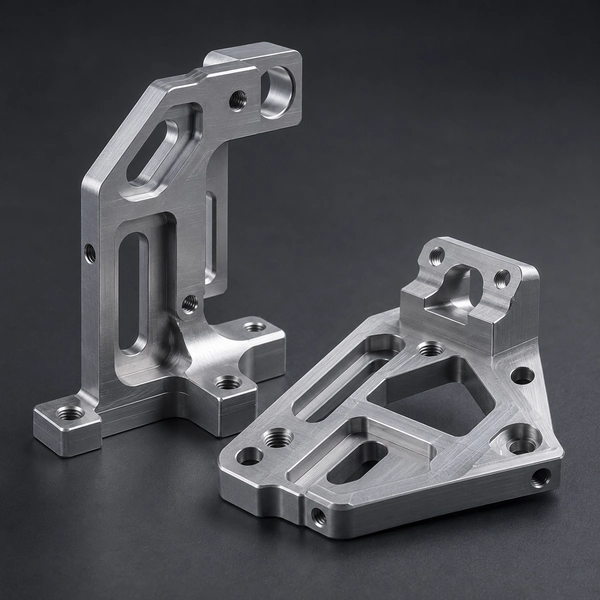
Aluminum Mounting Brackets
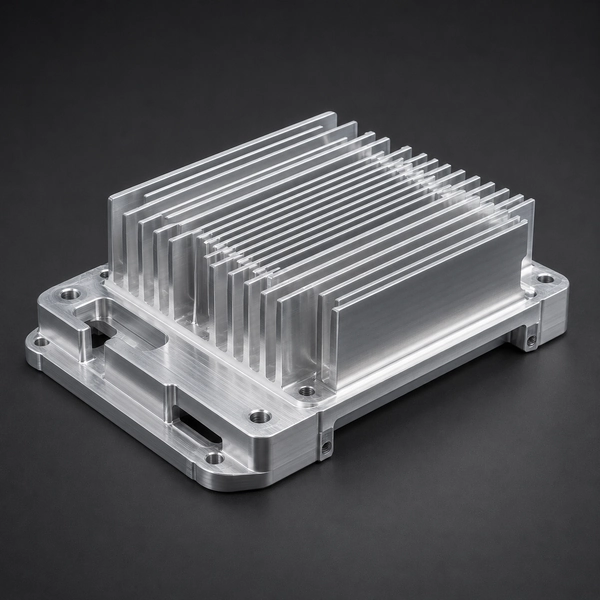
Aluminum Heat Sink
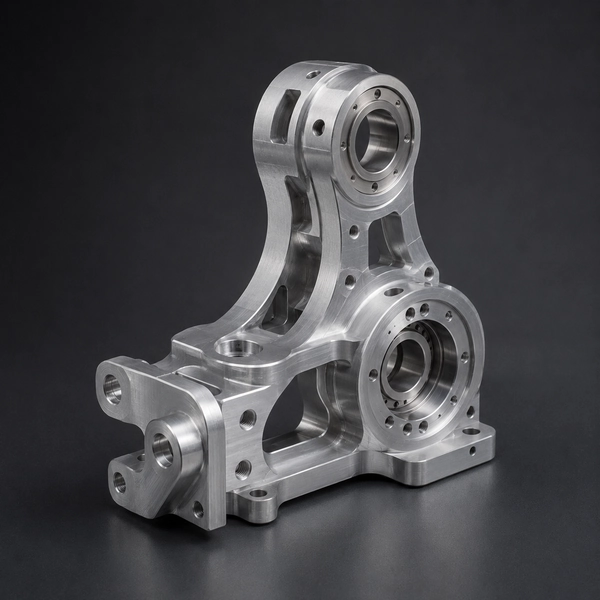
Aluminum Bearing Housing
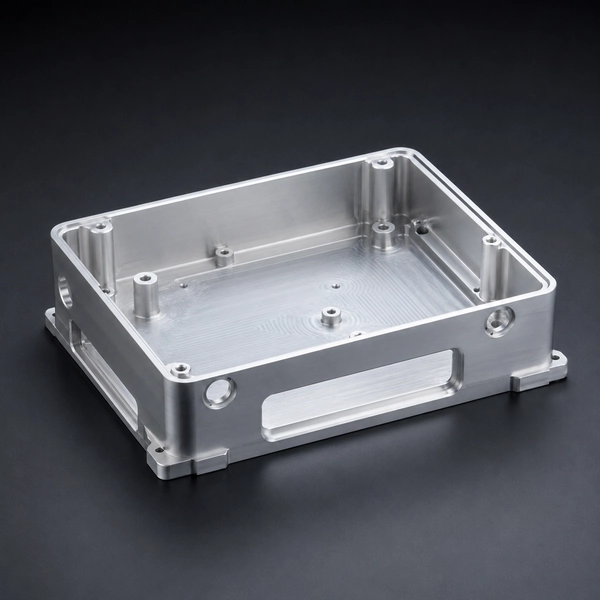
Aluminum Enclosure
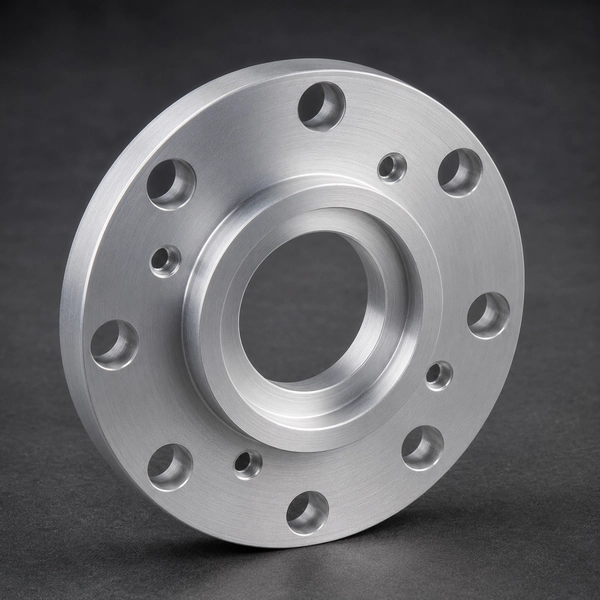
Aluminum Flange
FAQs
1. What aluminum grade is best for CNC machining?
Aluminum 6061 is the most common choice because it machines well, provides good strength and corrosion resistance, and supports anodizing. For parts requiring higher strength, 7075 or 2024 may be more suitable. MIC-6 is commonly used for tooling plates, fixtures, and parts that require good flatness and dimensional stability.
2. What is the difference between 6061 and 7075 aluminum?
6061 is easier to machine, weld, anodize, and generally costs less. It is suitable for housings, brackets, fixtures, and general mechanical parts. Aluminum 7075 has considerably higher strength and fatigue resistance, making it suitable for aerospace, robotics, and highly loaded components.
3. What tolerances can you achieve on CNC aluminum parts?
A standard machining tolerance of ±0.01 mm is available for many aluminum parts. Tighter tolerances may be possible depending on the part size, geometry, wall thickness, and inspection requirements. All critical dimensions should be clearly marked on the drawing before quotation.
4. Can aluminum parts be anodized after CNC machining?
Yes. CNC-machined aluminum parts can be supplied with clear, black, colored, or hard anodizing. Bead blasting is often applied before anodizing when a uniform matte finish is required. The aluminum grade, surface condition, and dimensional requirements should be confirmed before finishing.
5. Can you machine thin walls and complex aluminum parts?
Yes. We machine aluminum parts with thin walls, deep pockets, tight internal features, drilled and tapped holes, and multi-sided geometry. The achievable dimensions depend on part rigidity, tool access, feature depth, and tolerance requirements.
6. How much does aluminum CNC machining cost?
The cost depends on the aluminum grade, part size, geometry, tolerances, machining time, quantity, and surface finish. Complex features, tight tolerances, and multiple setups increase the price. Send us your CAD files and drawings for an accurate quotation.
7. What surface finishes are available for machined aluminum parts?
Available finishes include as-machined, bead blasting, anodizing, hard anodizing, powder coating, polishing, brushing, and chemical conversion coating. Finish selection depends on the required appearance, wear resistance, corrosion protection, and application.
8. How long does it take to produce custom aluminum parts?
Simple prototypes can usually be completed faster than complex or finished parts. Lead time depends on the quantity, tolerances, material availability, inspection requirements, and surface treatment. A confirmed production schedule will be provided after reviewing your drawings.
Get a Quote for Custom Aluminum Parts
Send us your CAD files and drawings. We will review the aluminum grade, tolerances, surface finish, and quantity before providing a quote.
- Aluminum Grades Available
- DFM Review Included
- Quote Within 24 Hours