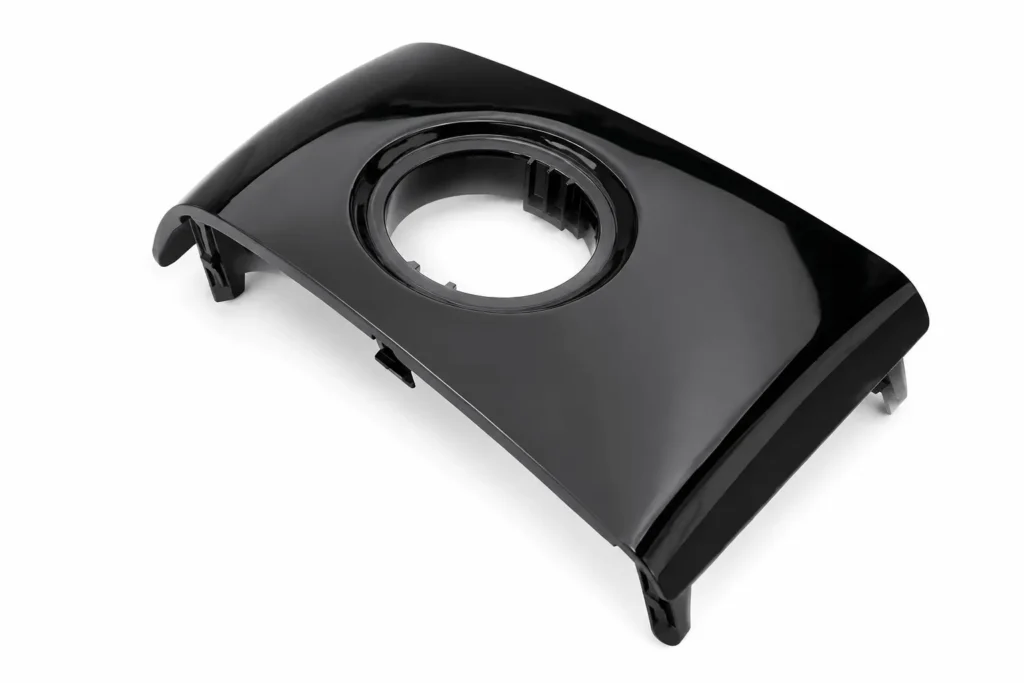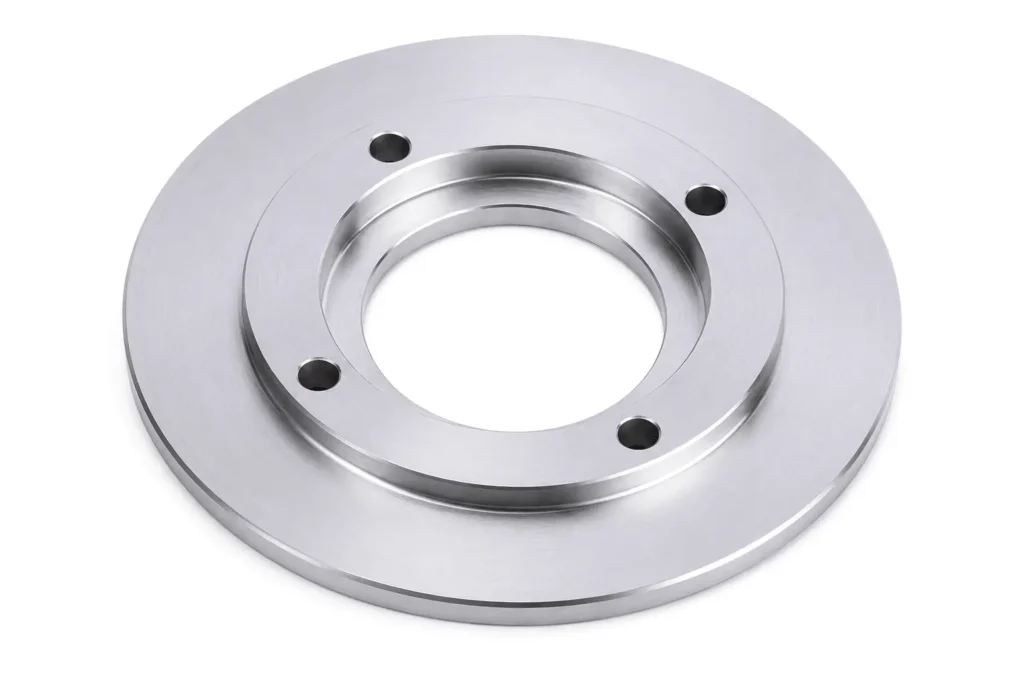
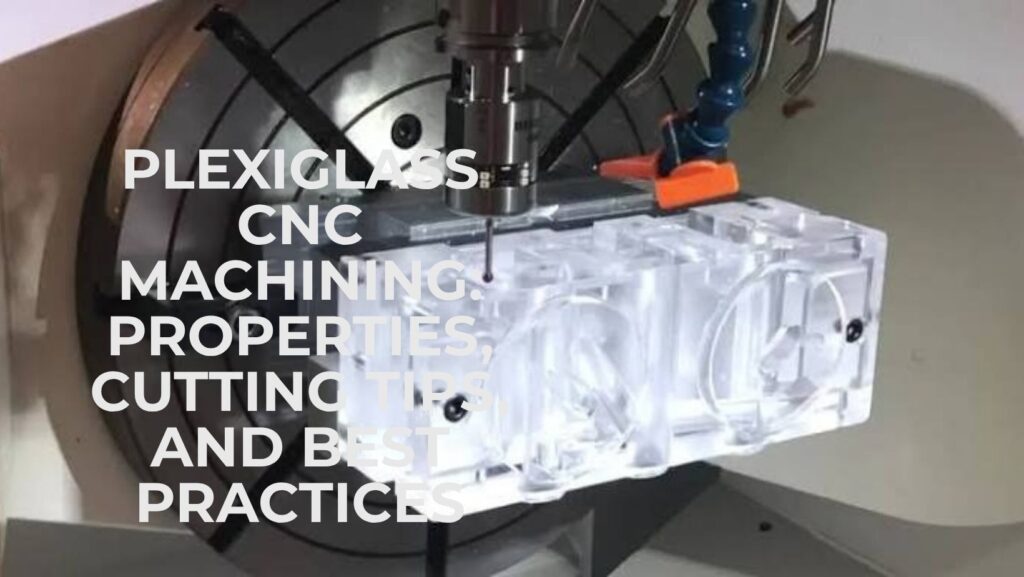
A computer-controlled machine is a smart tool that instructs the machine on where to cut. It enables people to produce thousands of identical components every time without errors. Plexiglass is similar to glass in appearance, but not as fragile. In order to make this plastic into flawless pieces, factories have a special machine that is controlled by a computer. This process is called Plexiglass CNC Machining.
In a simple guide, you will learn everything about this clear plastic. You will also discover how to create smooth and shiny edges. Here is all the information you will need to know to create excellent plastic parts.
Key Takeaways
- Plexiglass CNC Machining employs computers to accurately cut clear plastic.
- Avoid overheating the plastic due to its ability to melt.
- Acrylic requires the right spindle speed to keep it cool and clean.
- Specialized O-flute tools are the best choices for cutting smooth paths.
- Water or air is used to cool the tool, preventing the plastic from melting.
What is Plexiglass CNC Machining?
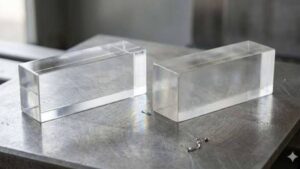
Clear plastic is also known as PMMA. It’s a lightweight material that allows light to pass through it perfectly. It is considerably lighter than real glass, and doesn’t break into shards.
Why CNC Is Used for Plexiglass
Attempting to cut with a hand saw will produce rough edges and jagged ends. The machine tool automatically makes the clean lines each time. That is the reason Plexiglass CNC Machining is the most preferred option to produce actual products.
Why Are Plexiglass Material Properties Important for CNC Machining?
Before you turn on a big machine, you must know how the material behaves. Every plastic reacts differently when a sharp metal tool hits it at high speed.
Optical Clarity
This plastic is famous because it is totally clear. If you use the wrong machine settings, you can scratch the surface or make it look cloudy. You must protect the clear face of the plastic while it is inside the machine.
Strength and Rigidity
The material is stiff and holds its shape well. It does not bend easily when the cutter pushes against it. This stiffness helps the machine cut straight lines, but it also means the plastic can chip if the tool is dull.
Heat Resistance
This plastic will melt at high temperatures. If the spinning tool stays in one place too long, the plastic turns into a sticky mess. You must keep the tool moving to keep things cool.
Chemical Resistance
The plastic can crack if it touches strong chemicals like household cleaners or wrong oils. When cutting, you can only use safe liquids like pure water or special light oils to cool the area.
Machining Behavior
When the tool cuts correctly, the plastic breaks into small, clean chips that fly away. If the plastic is too hot, it forms long, hot strings that wrap around the tool. Knowing these Plexiglass material properties helps you set up the machine correctly.

Material Properties Reference
The table below shows the key details of this plastic and how they affect your machine work.
| Property | Value/Description | Machining Benefit |
|---|---|---|
| Density | 1.19 grams per cubic centimeter | Light weight makes it easy to hold flat on the machine bed. |
| Melting Point | 160 degrees Celsius | Requires constant movement so the plastic does not melt. |
| Surface Hardness | High for plastics | Resists deep scratches but can chip if the tool is dull. |
| Light Transmission | 92 percent clear | Edges must be cut smoothly to keep the look clear. |
How Does CNC Machining PMMA Work?
The process starts with a digital drawing on a computer. The computer turns the drawing into a list of numerical codes. The machine reads these codes to move the sharp tool along the plastic sheet. The machine can do many different jobs on a single piece of plastic. It can cut out shapes, drill holes, or carve words into the surface.
Milling
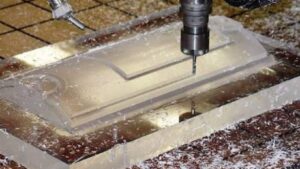
CNC milling plexiglass means the tool spins fast while moving sideways through the plastic. This removes large sections of material to create pockets, slots, or curved shapes.
Drilling
Drilling makes round holes for screws or pins. The machine pushes a spinning bit straight down. The bit must come out of the hole often to drop the hot chips out of the way.
Engraving
Engraving uses a tiny, pointed bit to scratch lines onto the surface. People use this to make beautiful letters, logos, or pictures that light up from the side.
Cutting
Cutting goes all the way through the plastic sheet to separate the final part from the big block. This step requires a strong grip on the plastic so the piece does not fly away. This whole process shows how CNC machining PMMA turns raw sheets into finished goods.
How Can You Get Better Results While Machining Plexiglass?
To get the best results, you must prepare your workspace carefully. A clean setup prevents errors and keeps the plastic safe from damage.
Tool Selection
A dull cutter will rub against the plastic instead of cutting it, which creates friction and causes melting. Always choose sharp, polished metal bits that are made specifically for plastic.
Machine Setup
Make sure the machine is rigid and does not shake. If the cutter vibrates, it will leave tiny waves on the edges of your plastic. These waves make the plastic look frosty instead of clear.
Workholding
You must hold the plastic sheet completely flat against the table. You can use strong double-sided tape, plastic clamps, or a vacuum table that sucks the sheet down. If the sheet moves or lifts up, the tool will cut at the wrong depth.
Chip Removal
When machining Plexiglass, the tool creates lots of tiny plastic crumbs. You must blow these crumbs away immediately using compressed air. If the tool hits the old crumbs again, it will chop them up, get too hot, and melt the plastic.
- Clean the table: Remove all dust before laying the plastic down.
- Leave the mask on: Keep the paper or plastic film on the sheet until you finish cutting.
- Check the clamps: Ensure clamps are tight but do not crush the soft plastic.
- Clear the path: Ensure the tool will not hit any metal clamps during the run.
Why Do Spindle Speed for Acrylic and Feed Rate for Acrylic Matter?
The secret to perfect plastic cutting lies in balancing two main machine speeds. If these speeds do not match, your part will be ruined by melting or cracking.
Speed Selection
The spindle speed is how fast the cutting tool spins around in circles. A high spindle speed for acrylic cuts the material very fast. However, if it spins too fast without moving forward, it creates too much friction.
Feed Selection
The feed rate is how fast the machine moves the tool forward across the table. A fast feed rate for acrylic means the tool moves quickly through the material. This keeps the tool cool because it is always touching fresh, cold plastic.
How to cut plexiglass with CNC? Once the machine stops, let the part cool down for a minute before touching it. Carefully remove it from the table and check the dimensions.
Speed and Feed Guidelines
The table below offers standard starting points for your machine settings based on material thickness.
| Material Thickness | Recommended Spindle Speed | Recommended Feed Rate |
|---|---|---|
| 3 millimeters | 18,000 RPM | 2,500 millimeters per minute |
| 6 millimeters | 16,000 RPM | 3,000 millimeters per minute |
| 12 millimeters | 12,000 RPM | 2,000 millimeters per minute |
What Is the Best CNC Bit for Cutting Plexiglass?
The shape of your cutting bit changes how chips leave the material. Standard woodworking bits do not work well on clear plastic.
Single-Flute Bits
A flute is the groove that runs up the side of a drill bit. A single-flute bit has only one cutting edge and one large groove. This design provides maximum space for large plastic chips to escape without getting stuck.
O-Flute Cutters
An O-flute cutter has a specially curved groove that resembles the letter O. This unique shape curls the plastic chips up and shoots them out of the slot instantly. It is widely considered the best tool choice for this material.
Compression Bits
Compression bits push down on the top of the sheet while pulling up on the bottom. This prevents the plastic from fraying or chipping on either side, resulting in clean edges on both top and bottom.
Selecting the Right Diameter
Small bits can cut tight corners, but they bend and break easily. Large bits are strong and remove material quickly, but they cannot cut sharp inside corners. Choose a bit that balances strength with the details of your design.
- Single-Flute O-Flute: Best choice for general cutting and smooth edges.
- Two-Flute Straight Bit: Good for smooth bottom surfaces in shallow pockets.
- Upcut Spiral Bit: Excellent for drilling deep holes because it pulls chips upward.
- Dull Wood Bit: Bad choice; it rubs, melts, and cracks the plastic.
Why Should the Manufacturer Use Lubricant When Cutting Plexiglass?
Lubricant is a fluid that is used to lubricate the tool during cutting. It serves as a barrier between the hot metal bit and the plastic sheet.
Heat Reduction
The primary use of fluid is to prevent overheating. Friction immediately takes place with the fluid, which absorbs the heat and ensures that the plastic remains below its melting point.
How to Achieve Polished Acrylic Edges After CNC Machining?
A better edge can be obtained directly from the machine by a “finish” pass. It is accomplished by shaving a very small amount at a very high rate of speed. If tool marks are on the edge, sand them smooth by hand. Sand while cleaning, using water to maintain a smooth and clear surface.
What Are the Best Applications of CNC Milling Plexiglass?
This is a strong, light and clear material that can be used in a wide variety of applications to replace glass or metal components.

Signage
The majority of the outdoor signs that are illuminated at night are created with CNC Milling Plexiglass techniques. The machine produces the image of letters and logos that shine with internal LED lights.
Medical Parts
Clear plastic boxes, testing trays and protective shields are used by doctors since they are easy to wash, completely transparent and safe to use around medicine that could be sensitive.
Display Cases
To keep valuable items safe, clear plastic boxes are used in museums and retail stores. These cases allow individuals to see any side of an object without risk of dust and hands.
Automotive Components
It is used in modern automobiles for the headlight lenses, interior trims and dash screens, as it has properties that inhibit vibrations and remains unbroken in the event of an accident.
- Advertising: Store displays, brochure holders, and glowing signs.
- Architecture: Clear balcony panels, skylights, and model buildings.
- Aviation: Light aircraft windows and cockpit shields.
- Electronics: Clear protective screens for phones, computers, and industrial control panels.
Conclusion
Clear, durable, and unlike traditional glass, Plexiglass is an outstanding material. The key to success is choosing the right single-flute tools, matching spins to feeds, and controlling heat by using the right cooling. After the cutting, the frosty edges can be turned to perfect transparency with some simple post-processing such as flame treatment and sanding.
FAQs
How to cut acrylic without it melting?
To prevent melting, reduce the speed of the router (RPM) and increase the feed rate of the tool into the plastic. This helps to keep heat out of the system. Throwing hot plastic chips away from the cut is also achieved with the single-flute bit.
How to prevent chip welding?
When melted plastic adheres to the bit, it is known as chip welding. Avoid this by using sharp, clean cutting tools and taking care to clear off the chips as you cut with the air.
How to get polished edges after cutting?
Use a razor sharp “O-flute” bit for shiny edges on the machine. If the edge remains rough, use a metal blade to scrape it smooth, then run a hydrogen torch flame over it or sand it with fine sandpaper to remove the edge for a glass finish.
What are the most common mistakes?
The most common errors include running the router too fast and moving it too slowly, both of which result in the plastic melting. Regular wood bits or a sheet being clamped too loosely will also result in vibration, cracking or chipping of the acrylic during cutting.