Good-quality material is needed by modern-day manufacturing in order to do tough jobs. The PEI material is one of the best materials that can be used because it works well where other plastics have failed. It is strong and heat-resistant.
This material can assist in making cars lightweight and planes safe. This material also assists in the cleaning of medical equipment. In order to get good parts, you need to learn about this type of plastic.
Key Takeaways
- This type of plastic has a very high resistance to high temperatures.
- A robust, lightweight engineering plastic.
- Has good PEI material properties such as strength and chemical resistance.
- Natural optically transparent engineered plastic.
- It can be machined by PEI milling, PEI turning, and PEI drilling.
- It is essential for use in the aerospace, medical, and electronics industries.
What Is PEI Material?
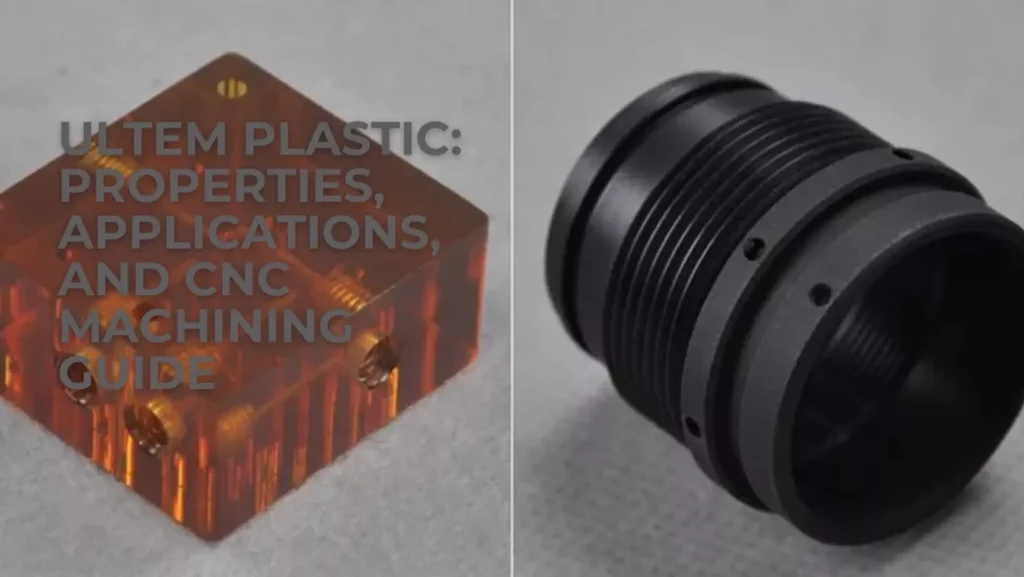
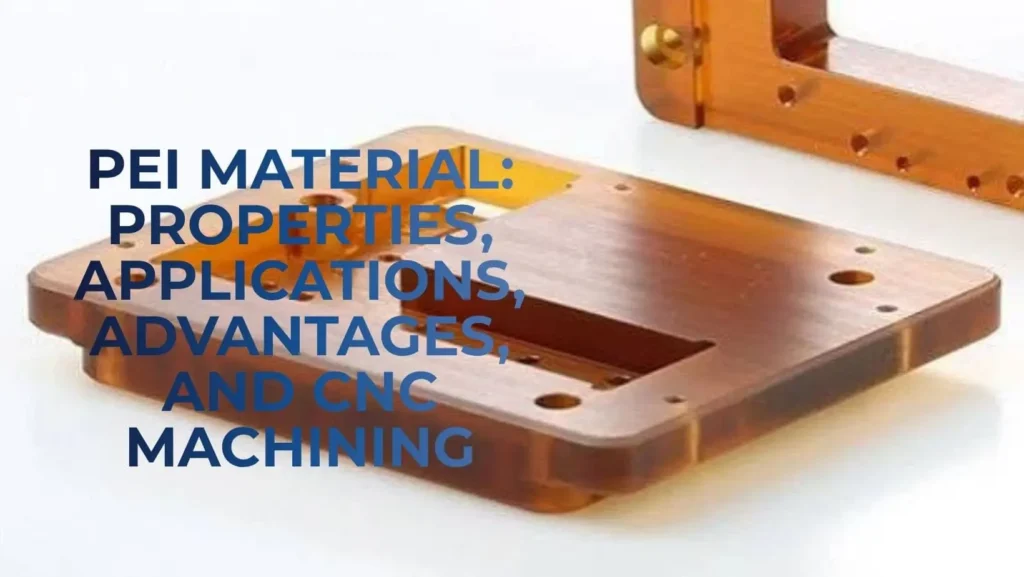
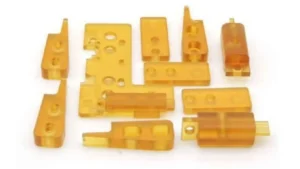
This plastic’s full name is polyetherimide. An amorphous thermoplastic, and it does not have a sharp melting point. Rather, it is softened gradually as it heats up. This allows it to be easily formed and bent. It is an exceptionally strong transparent engineering plastic that is amber in color. It is as hard as rock and looks like honey.
Chemical Structure
Its strength is due to chemical bonds. It contains lots of imide rings and ether linkages. The imide groups provide it with stiffness and solidity. They prevent the material from bending when it is heated. The ether links allow it to be easily processible. This special combination of molecules produces an outstanding high-temperature plastic. It can withstand both heat and electric currents.
Common Trade Names
It might be referred to as ULTEM. That is the most popular brand name of this plastic. It is made by a company called SABIC. ULTEM is the same material as regular PEI. ULTEM is often purchased when a shop purchases sheets or rods for machine operations. It is very famous in the world for its good quality and stable operation under severe environmental conditions.
What Are the PEI Material Properties?
Below is a detail that shows some of the main features of the natural resin grade.
Mechanical Properties
The plastic has a very high hardness. It has high tensile strength. This will allow you to tug it with full force without it snapping. It does not flex when loaded. It is durable and resistant to abrasion. This makes it ideal for parts that need to come into contact with other parts that are moving.
Thermal Performance
It is a real heat-resistant plastic. It can withstand continuous use at 170 degrees Celsius. It does not easily catch fire. When it does burn, it produces very little smoke. This safety feature makes it suitable for use in airplanes.
Electrical Characteristics
It is a good electrical insulator. It is also suitable for wet environments. It would be used in electronics shops to shield sensitive wiring and boards.
Chemical Resistance
It can also withstand hot steam. This is essential for medical implements that need to be cleaned numerous times. It is resistant to damage by only a few strong solvents.
Dimensional Stability
This keeps the exact size of this plastic. It does not bulge much when it is hot. It does not shrink when cold. Therefore, it is ideal for precision parts.
Property | Typical Performance |
|---|---|
| Density | 1.27 grams per cubic centimeter |
| Tensile Strength | 110 Megapascals |
| Heat Resistance | Up to 170 degrees Celsius continuous |
| Electrical Insulation | High dielectric strength |
| Transparency | Semi-transparent amber color |
Why Is PEI Material Used in High-Performance Industries?
This lightweight engineering plastic is preferred by industries due to its ability to replace heavy metals. It is as strong as metal and has a much lower weight. This weight saving translates to reduced fuel consumption for transport. It also ensures a more user-friendly handheld device.

Reliability Under Heat
It is one of the best heat-resistant plastics available, so it holds up during hot times. Numerous plastics lose strength or softness in hot environments. It has a memory and continues to function. This reliability helps avoid costly failure of machines and prevents them from failing.
Long Service Life
PEI-made components have a long lifespan. They are tolerant of repeated stresses over a long period of years. The long life makes it very cost-effective in challenging environments.
- It resists flame and smoke naturally.
- It withstands hot steam cleaning cycles.
- It keeps its strength even after thousands of hours in hot air.
- It does not degrade when exposed to UV light.
What Are the Applications of PEI Material?
It is a very versatile plastic that is used in a variety of challenging applications. Here are the places where you can find it.
Aerospace Components
This high-temperature plastic is used for internal parts on airplanes. These are food trays, air ducts, and seat parts. It’s used due to its lightness and safety in fire. It complies with strict fire and smoke specifications.
Medical Devices
This plastic is used by doctors to make instruments. It can be used in autoclaves. Plastic does not break down after numerous steam cleanings. Common parts are surgical staplers, test tubes, and dental items.
Electronics
It is used in the electrical business in connectors, coils, and switches. It prevents electrical currents from causing damage. It can also withstand the high heat of soldering in assembly.
Automotive Parts
There are numerous sensors and fuel systems in cars that become hot. This plastic is used by engineers to make parts of pumps, fuse blocks, and light sockets. It resists under-hood temperature and fluids.
Industrial Equipment
It is used in factories for gears, valves, structural parts, etc.
How Is PEI Material Machined Using CNC?
This is the best plastic for custom parts using CNC machining. It is used to achieve close tolerances and smooth surfaces. The hardness of the plastic makes chipping easy when cutting. It does not gum the tools, as do softer plastics. The following is an explanation of how industries work out different operations.
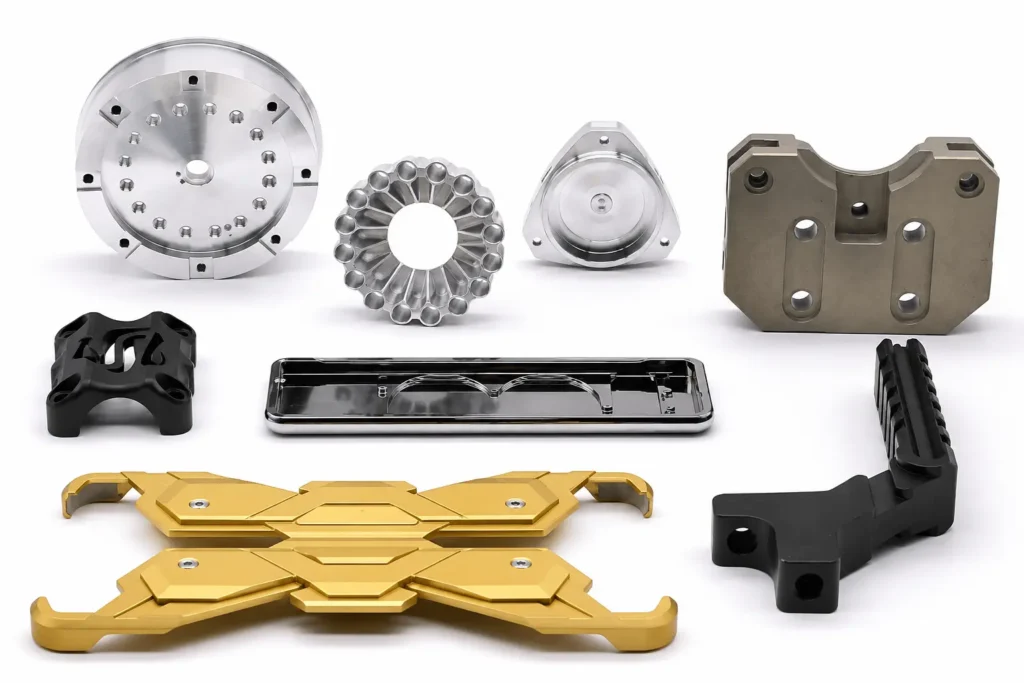
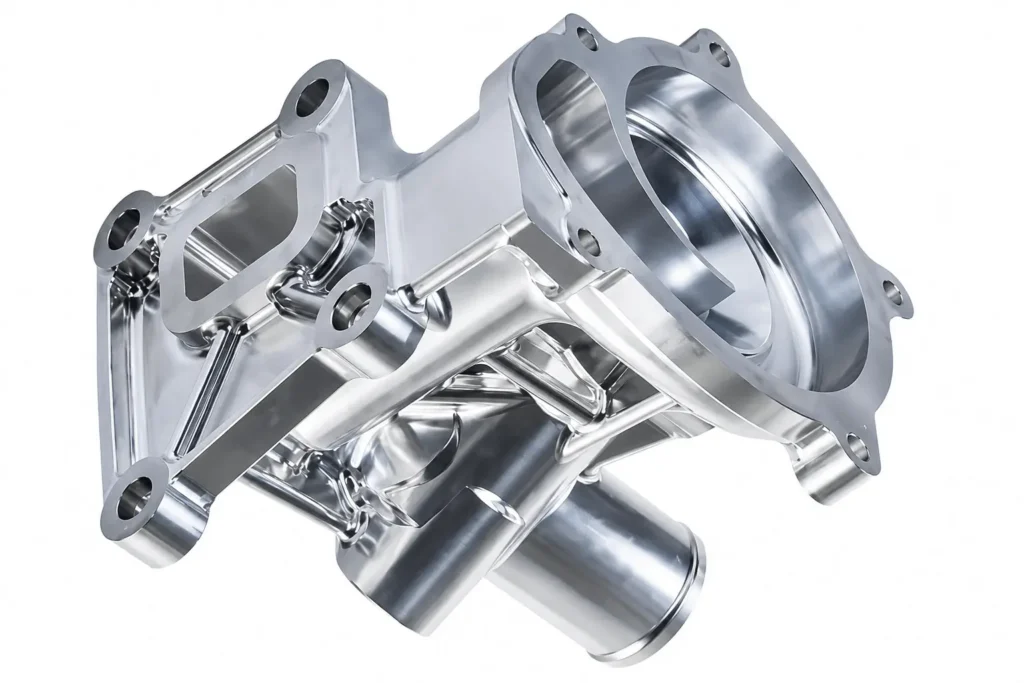
PEI requires controlled cutting parameters and sharp tools to prevent heat buildup and maintain dimensional accuracy. Our plastic CNC machining capabilities support custom PEI parts for prototypes and low-volume production.
PEI Milling
With PEI milling, the plastic is cut from a flat block using a spinning tool. It is best to use high spindle speeds. This ensures low cutting forces. The tools need to be extremely sharp to prevent chipping of part edges.
PEI Turning
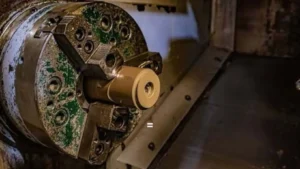
PEI Turning is a process in which a stationary cutting tool cuts the plastic on a lathe. This is used to produce round objects such as rods and spacers. It is important to hold the plastic firmly but gently. It can crack if it is clamped too tightly.
PEI Drilling
In PEI drilling, it is very important to remove the chips quickly. Chips that remain in the hole rub and generate heat. This high heat may melt the plastic. The wider the grooves, the better they will pull the chips out.
Tool Selection
Carbide tools are the norm for cutting this plastic. They retain their sharpness for a much longer time than steel tools. Diamond-coated tools are even better for long runs. They minimize wear and friction.
Surface Finish
A very smooth finish can be obtained with this plastic. Polishing the parts that have been machined can give a very clear appearance.
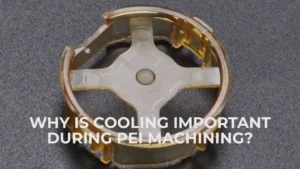
Why Is Cooling Important During PEI Machining?
Cutting plastics creates friction. This friction generates heat. Because plastics do not conduct heat well, the heat stays at the cutting point. If it gets too hot, the plastic will expand, melt, or crack.
Dry Machining vs Coolant
While you can machine some parts dry, using a liquid coolant is much safer. It washes away chips and keeps the tool cold. This ensures the part keeps its exact size and shape.
Machining Best Practices
To get the best results, you must use the right coolant and speeds. Here are the key guidelines for success:
- Always use a water-based coolant for PEI machining.
- Avoid coolants with active sulfur or chlorine. They can attack the plastic.
- Keep the air flowing to help blow chips out of deep cavities.
- Best feed rate for PEI machining is moderate to high, typically 0.005 to 0.015 inches per revolution. This keeps the tool moving and prevents heat buildup.
- Coolant recommendations for PEI machining suggest flood coolant for deep cuts and mist coolant for light finishing passes.
What Are the Different Grades of PEI?
The appropriate grade will be dependent on the project’s needs. Compare your options by using this table.
| Grade | Main Features | Common Applications |
|---|---|---|
| Standard PEI | Pure resin, transparent, high impact strength | Medical housings, food contact parts, sight glasses |
| Glass-Filled PEI | Added glass fibers, very stiff, low expansion | Structural parts, aerospace brackets, high-load insulators |
| Reinforced PEI | Carbon or lubricant additives, low wear | Gears, bearings, extreme temperature structural blocks |
How Does PEI Compare with Other Engineering Plastics?
Not all PEI is the same. Manufacturers mix in other materials to change their properties. Here are the three main types.
PEI vs PEEK
PEEK is another famous high-temperature plastic. It can handle even higher heat than PEI. However, PEEK is much more expensive. PEI is a great alternative when you need high heat resistance but want to keep costs lower. PEI is also a transparent engineering plastic, while PEEK is always opaque.
PEI vs POM
POM, also known as Acetal, is very easy to machine. It is great for general parts. But POM cannot handle high heat. It melts at much lower temperatures than PEI. POM also has lower chemical resistance. PEI is the clear winner for harsh environments.
PEI vs Nylon
Nylon is cheap and tough. But nylon absorbs water from the air. When it absorbs water, it swells and changes size. PEI does not absorb water. It keeps its shape and size in damp places. PEI is also much stiffer than nylon.
Why Choose PEI Material for Precision CNC Parts?
This material behaves very well on a CNC machine. It does not warp or bend during cutting. This allows machine shops to hold tight tolerances. You can easily make complex shapes with thin walls.
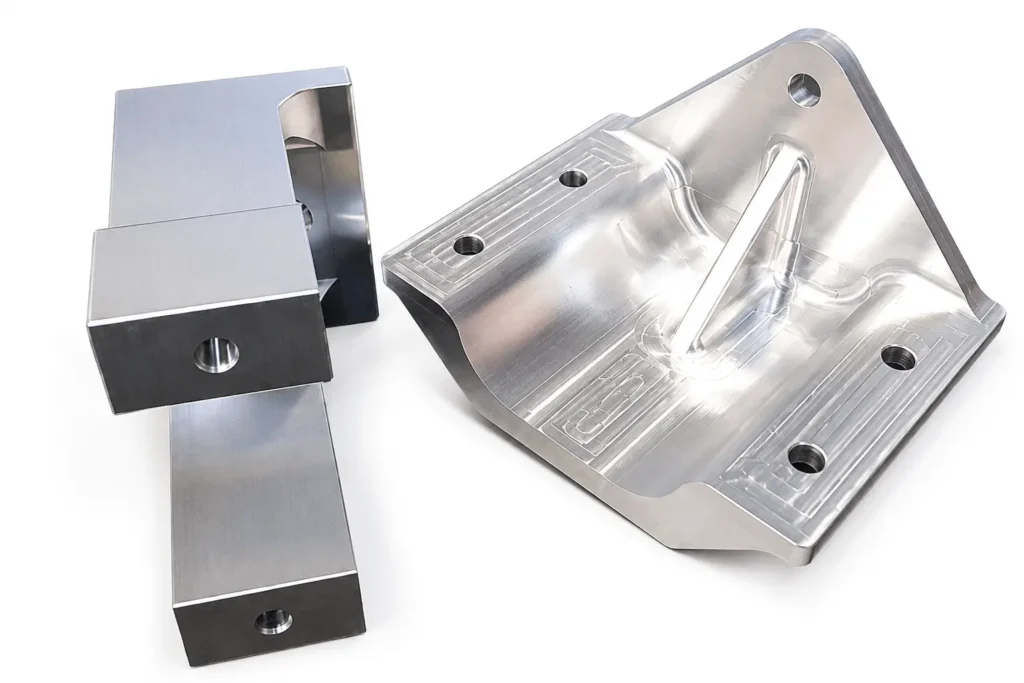
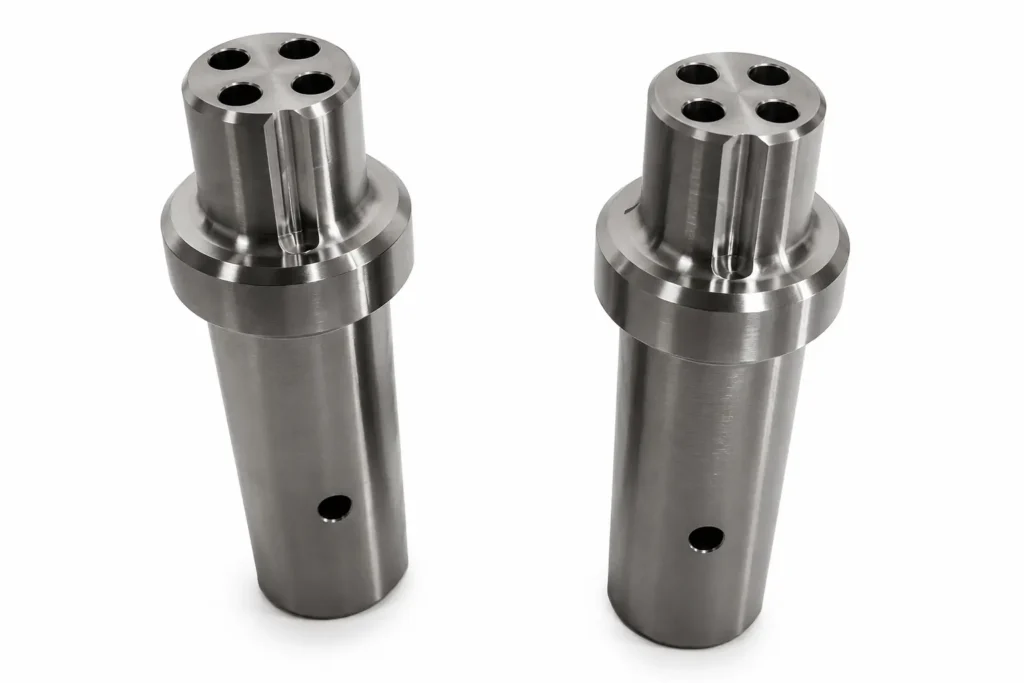
With professional CNC machining services, PEI can be machined into tight-tolerance components with complex features, thin walls, threads, and precision holes.
Cost and Performance Balance
It offers a perfect middle ground. It gives you metal-like strength and high heat performance. Yet, it costs less than exotic plastics like PEEK. It helps you build high-performance parts without breaking your budget.
Design Flexibility
Because it comes in sheets, rods, and tubes, it fits many designs. It can be machined, glued, or welded. It gives engineers the freedom to design complex, lightweight systems.
Conclusion
In summary, PEI material is an outstanding plastic for tough jobs. It combines great strength with heat and chemical resistance. It stands out as a vital lightweight engineering plastic that can replace metal parts. Understanding its PEI material properties helps you design better products. When it comes to manufacturing, operations like PEI milling and PEI turning deliver highly precise components. By choosing the right grades and cooling methods, you can create durable parts that last. If you need strong, heat-resistant parts, this plastic is a premier choice for your next project.

Looking for a reliable partner for custom PEI parts? YD Rapid provides precision CNC machining for prototypes and low-volume production.
Frequently Asked Questions
What are the advantages and applications of CNC?
CNC machines use computers to cut parts. This makes them very fast and exact. They can make the same part many times with zero mistakes. Factories use them to make car parts, plane parts, and medical tools.
How does machining affect material properties?
Cutting a material can create a lot of heat and stress. This heat can make some plastics soft, warp, or crack. It can also make metal harder or weaker if it gets too hot while you are cutting it.
What industries use PEI material?
Many top industries use this tough plastic. Planes use it because it is light and safe in fires. Doctors use it for tools that must stay clean. Electronics shops use it to protect wires and parts from high heat.
Is ULTEM the same as PEI?
Yes, they are the same plastic. PEI is the scientific name for the material. ULTEM is just a famous brand name for it. They have the exact same properties.