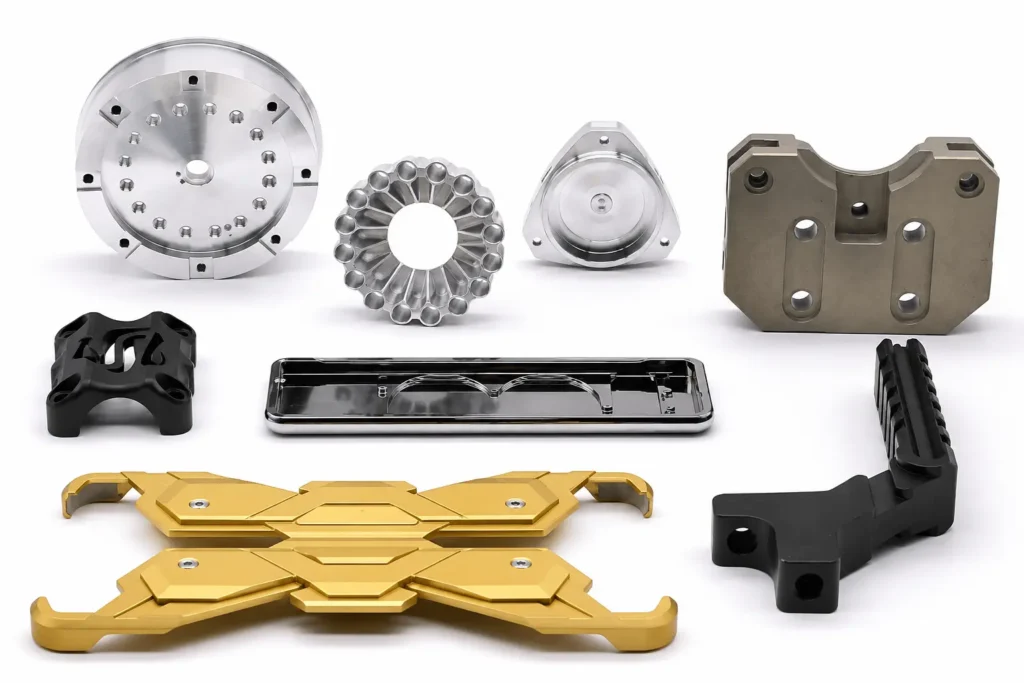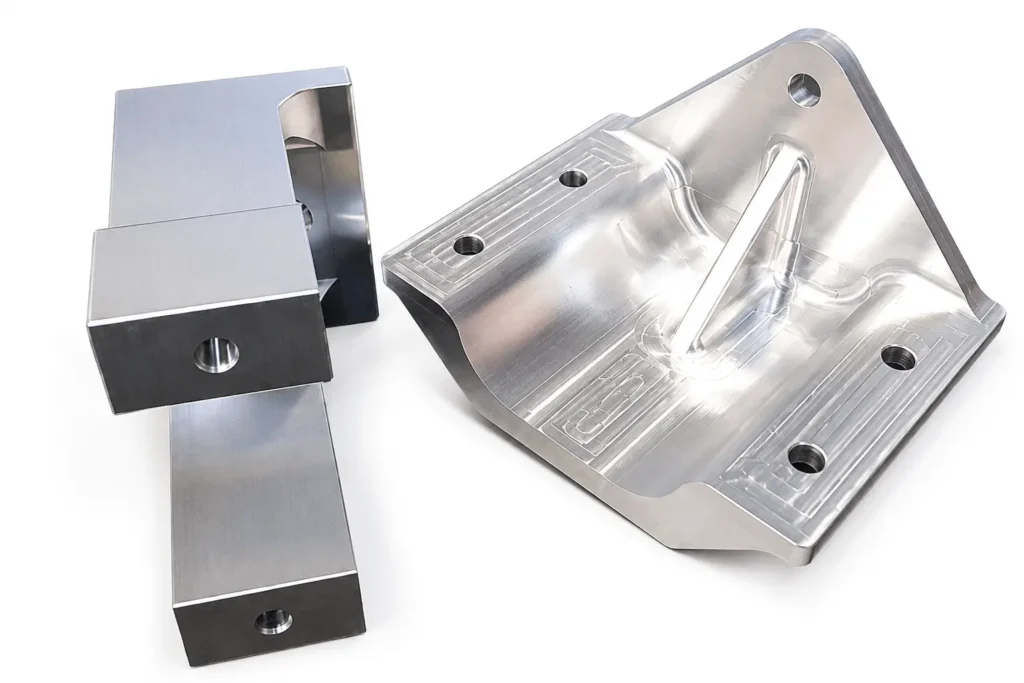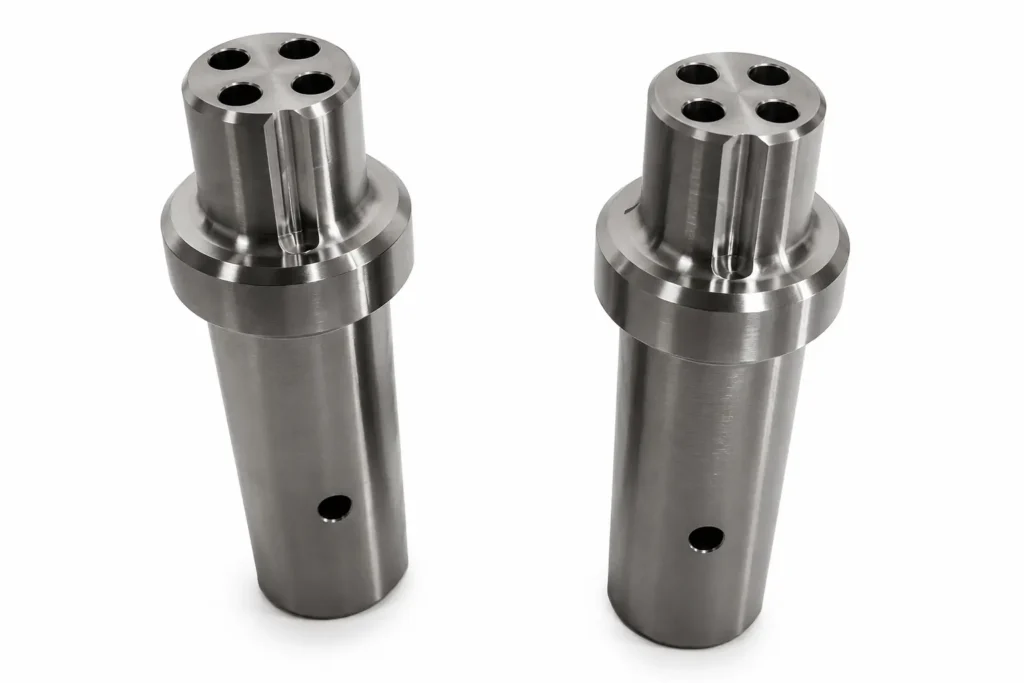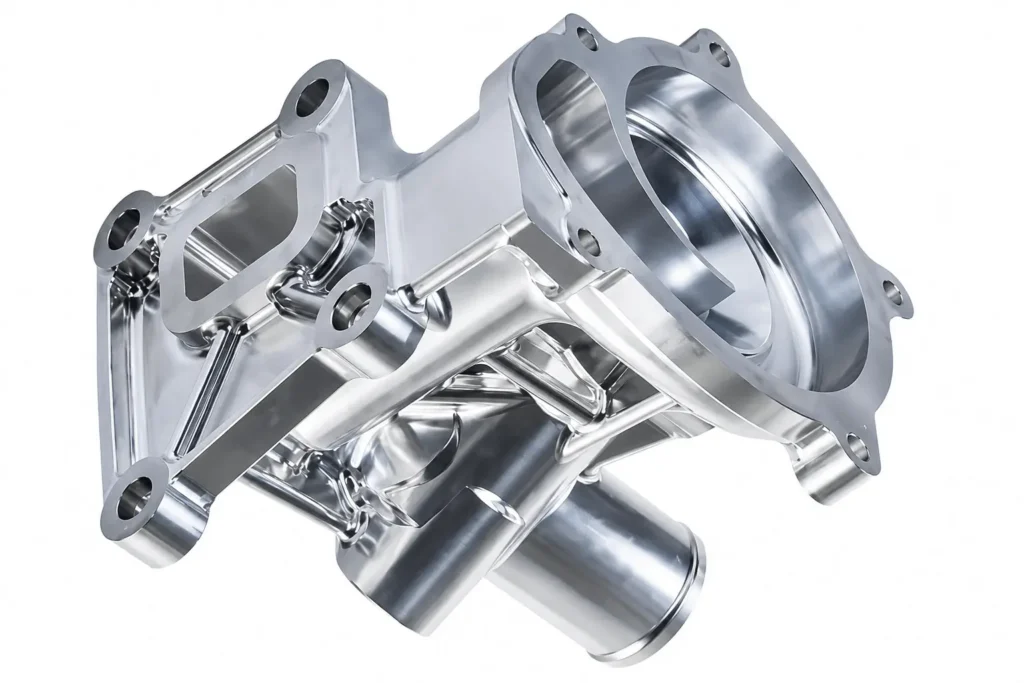
Selecting the right metal for your project is very important. The materials you select for your project affect the price, time and quality of your work. Titanium and aluminum are among the best metals, as both are widely used in parts manufacturing, but they do not behave in the same manner.
Comparing titanium vs aluminum CNC machining, we see two different routes. One path gives you high strength but costs more money and time. The other way will cost you less but give you a lower weight and quicker speed.
Now, let’s dive into the CNC machining aluminum and titanium CNC machining services to guide you to choose the right one. Here are the points you should know:
- Titanium is stronger, but more difficult to machine.
- Aluminum can be cut easily and quickly.
- Titanium generates more heat.
- Aluminum offers improved chip evacuation.
- Tool wear is greater during titanium machining.
- There are significant differences in cost.
What Is The Difference Between Titanium Vs Aluminum CNC Machining?
CNC machining is the process of directing a tool using a computer. It is a machine used to cut metal into exact pieces. When choosing a metal, the wrong one will cause the tool to break or the part to be ruined.
The first step in understanding the difference between titanium vs aluminum CNC machining is to examine the production of each metal. They possess different properties which affect their cutting characteristics in a machine.
Material Properties
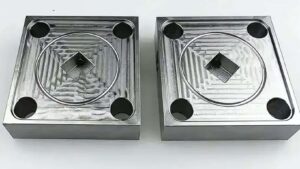
Aluminum vs titanium properties reveal significant differences in strength, weight, and warmth. Aluminum is a malleable and lightweight element. It is approximately 1/3 the weight of steel with a very fast thermal conductivity.
Titanium is a strong metal. It is as strong as steel but weighs much less than steel. But titanium has a higher density than aluminum. Titanium does not conduct heat very well. It retains heat in a specific area. Titanium is also much harder than aluminum. This means you will need more pressure from tools to cut it.
Machining Behavior
These characteristics make a significant difference in the titanium CNC machining. The aluminum slices easily when a tool cuts it. The tool can move at high speed with low pressure.
Titanium acts differently. The metal does not wear down the cutter. This resistance generates high tool pressures. The machine should be stiff and sturdy to prevent vibrating. Shaking causes damage to the part’s surface. Titanium can be used to achieve a superb finish, so slow and careful work is required.
Properties for CNC Machining
This will help you understand the comparisons of these two metals.
| Property | Aluminum | Titanium |
|---|---|---|
| Strength | Low to Medium | High to Very High |
| Weight | Very Light | Light but heavier than aluminum |
| Thermal conductivity | High (moves heat fast) | Low (holds heat in spot) |
| Machinability | Very Easy | Hard |
| Cost | Low | High |
Why Does Titanium Cause More Machining Difficulty Than Aluminum?
Many manufacturers find titanium hard to work with. There are clear reasons why it gives machines a tough time compared to aluminum.
Heat Buildup During Machining
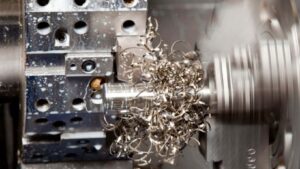
The biggest issue is titanium vs aluminum heat buildup. When a tool cuts metal, friction makes heat. When you machine aluminum, the heat leaves the part through the metal chips. The chips fly away and carry the heat with them.
Titanium cannot do this. Because it does not conduct heat well, the heat stays right at the tip of the tool. The temperature gets very high, as the extreme heat can melt the tool tip if you are not careful.
Tool Wear And Cutting Resistance
This heat is the main reason why titanium causes rapid tool wear. The hot tool tip becomes soft. When the tool is soft, the hard titanium rubs it down fast.
To fix this, shops must use strong carbide tools. Carbide can take more heat than regular steel tools. Even with carbide, you must replace tools much more often when cutting titanium than when cutting aluminum.
Chip Formation Differences
The way chips form also matters which is clear when we look at what are the differences in chip evacuation for titanium and aluminum?
Aluminum makes chips that break apart or slide out easily and leave the cutting zone fast. Titanium makes thin, stringy chips that can stick to the tool. If a chip sticks, the tool will cut it twice. Cutting a chip twice can break the tool instantly.
How To Choose Between Titanium And Aluminum For CNC Machining?
You must look at what your part needs to do before you pick your metal. Material selection should be based on strength, weight, corrosion resistance, operating temperature, machinability, and production cost. Comparing these requirements with available CNC machining materials helps determine whether titanium or aluminum is better suited to the part.
Application-Based Selection
So, which is better: titanium or aluminum? It depends on your job.
If you build airplanes or medical bone screws, titanium is often best. Airplanes need metals that can withstand high heat and high stress without breaking. Medical parts need metals that can stay inside the human body safely. Titanium does not rust or harm body tissue.
If you build car parts, bike frames, or computer cases, aluminum is best. It is light, resists basic rust, and keeps parts affordable.
Cost Considerations
You also have to think about titanium vs aluminum CNC machining costs. Titanium costs much more than aluminum as a raw material. Buying 1 lb of titanium costs a lot more than buying 1 lb of aluminum.
The costs do not stop there. Because titanium is slow to cut, you pay for more machine time. You also pay for more replacement tools. Aluminum is cheap to buy, fast to cut, and friendly to tools.
| Factor | Aluminum | Titanium |
|---|---|---|
| Material Cost | Low | High |
| Tool Wear Cost | Very Low | High |
| Machining Speed | Very Fast | Slow |
| Total Production Cost | Low | High |
How Are Feeds And Speeds Different For Titanium And Aluminum?
Feeds and speeds tell us how fast the tool spins and how fast it moves through the metal. They must match the metal perfectly.
Titanium Feeds And Speeds
- The tool must spin at a low speed to keep heat down. The feed rate must be steady.
- Rubbing makes the titanium harden instantly. This makes it even harder to cut.
- You also need a lot of high-pressure liquid coolant to wash away heat.
Aluminum Feeds And Speeds
- For Aluminum feeds and speeds, you can turn the machine up high for fast spin.
- You do not have to worry as much about heat buildup.
- This allows you to remove large amounts of metal in just a few minutes.
How To Machine Titanium And Aluminum Efficiently In CNC Milling?
Success in CNC milling requires specific setups for each metal.
Tool Selection Tips
For titanium, you need specialized titanium CNC machining services knowledge. You must use sharp carbide tools with special coatings. These coatings help resist heat.
For aluminum, you can use high-speed steel tools or standard carbide tools. The tools should have fewer grooves, called flutes, to give the big aluminum chips plenty of room to slide out.
Cooling And Lubrication Methods
Do you know how to reduce heat when machining titanium and aluminum?
- For titanium, use a heavy flow of liquid coolant. This flood coolant must hit the tool tip directly to fight heat buildup.
- For aluminum, a light mist of coolant or compressed air is often enough to keep the tool clean and cool.
How To Identify Titanium Vs Aluminum In Machining And Parts?
At times, you may have two metal blocks that seem alike. Do you need to know how to tell the difference between titanium and aluminum?
Physical Differences
- The easiest way is the weight test. Pick up both blocks while holding onto them. The aluminum block will seem light in your hands. The titanium block will definitely feel heavier.
- Another option is to consider the color. Aluminum products have a bright, silver-white appearance, while the titanium has a darker, duller grey look.
- The other way is called the spark test. Titanium emits bright white sparks when it comes into contact with a grinding wheel. Aluminium does not spark at all.
Industrial Identification Methods
In professional settings workers employ precise tools. They determine the density of metal. They are also equipped with a special light gun, known as an XRF analyzer. This special gun identifies the metal characteristics and will tell you the exact metal proportions in real time.
Can CNC Machines Cut Titanium And Aluminum Effectively?
Yes, modern machines can handle both metals, but they require different levels of care.
CNC Capability For Titanium
If you’re asking yourself the questions of “can a CNC machine cut titanium” or “can titanium be CNC machined”, the answer is yes. However, this machine needs to be heavy and stable. Titanium is only an appropriate component for a small and weak machine. High cutting resistance will lead to the shaking of the machine, and the shaking will cause tool breakage, destroying parts.
CNC Capability For Aluminum
In the case of CNC machining aluminum, virtually any type of machine could be suitable. The metal is not difficult to work with. It does not require massive machine frames to cut smoothly. This is ideal for high-speed production shops where thousands of parts are required to be produced quickly.

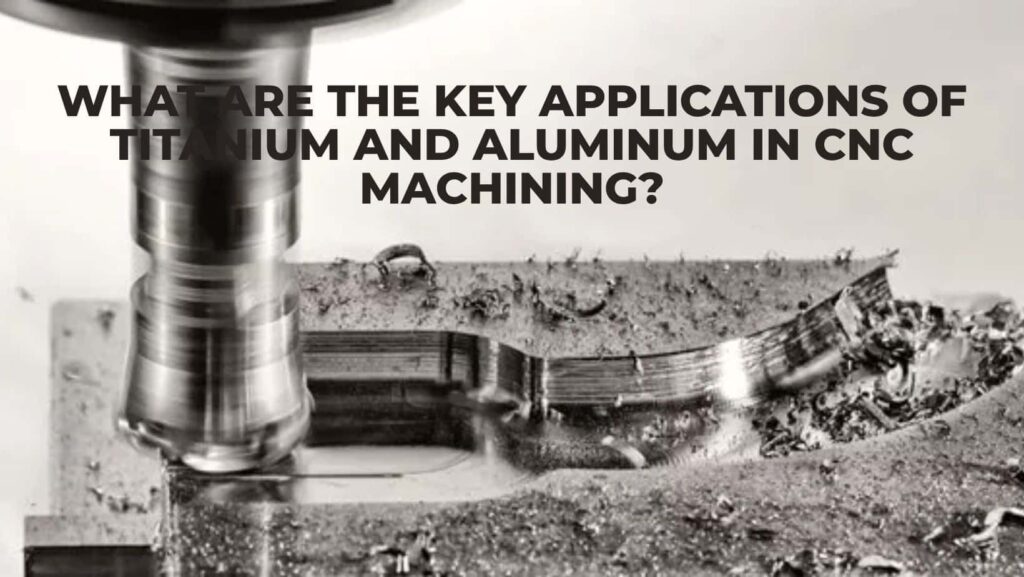
What Are The Key Applications Of Titanium And Aluminum In CNC Machining?
Both metals serve important roles across many industries today.
Titanium Applications
Titanium is used for critical components. You can find it in jet engine fans, rocket components, and military gear. It is also essential for the healthcare industry. The human body will readily accept the titanium, making it a choice for joint replacements, skull plates, and dental implants.
Aluminum Applications
Aluminum is present all around us. It is used as an integral part of car engines, wheels, and car body panels to reduce fuel consumption due to its lightweight. It can be easily molded into desired shapes and is now used in smartphone bodies, computer heat sinks, and kitchen equipment, among other applications.
Conclusion
In summary, the decision between titanium vs aluminum CNC machining comes down to balancing your objectives. Titanium provides amazing strength, high heat resistance, and durability, but requires slow speeds and is more expensive. Aluminum offers low weight, quick production times, and low cost, but it is not as strong as titanium.
The type of part you intend to use should dictate your choice. Consider both performance requirements and budget for the final project.
Our Machining Services
We offer expert titanium CNC machining services and high-speed Aluminum CNC service for your business needs. From heavy-duty titanium parts for specialized equipment to lightweight aluminum parts for consumer products, we guarantee high quality every time.
It’s difficult to pick out the right material path. Our team helps you analyze your design to pick the best metal for performance and cost. Call today for an accurate quote on your next manufacturing job!

Need Titanium or Aluminum Parts Made to Your Drawings?
Titanium is suitable for parts requiring high strength, heat resistance, and corrosion resistance, while aluminum is generally preferred for lightweight parts, shorter machining times, and lower production costs. Send us your drawings, material grade, tolerances, surface finish, and required quantity for review. YD Rapid manufactures custom titanium and aluminum parts for prototypes and low-volume production.
Frequently Asked Questions
How much is 1 lb of titanium worth?
Pure titanium costs around $5 to $10 per pound. Strong titanium alloys used in aerospace are more expensive. They can cost between $15 and $30 per pound, depending on the shape and grade.
How to machine titanium with a carbide end mill?
Run the machine at slow speeds and keep a steady feed rate. Use sharp, coated carbide tools to fight heat. Always flood the cutting zone with high-pressure liquid coolant to stop the metal from hardening.
How titanium differ from aluminum in CNC machining?
Titanium is hard, strong, and traps heat, which slows down the cutting process. Aluminum is soft, light, and moves heat away fast. This lets machines cut aluminum at much higher speeds with less effort.
Why titanium cause rapid tool wear?
Titanium does not conduct heat well, so cutting temperatures get very high at the tool tip. This extreme heat softens the tool edge. The tough metal then rubs down and destroys the soft tool fast.