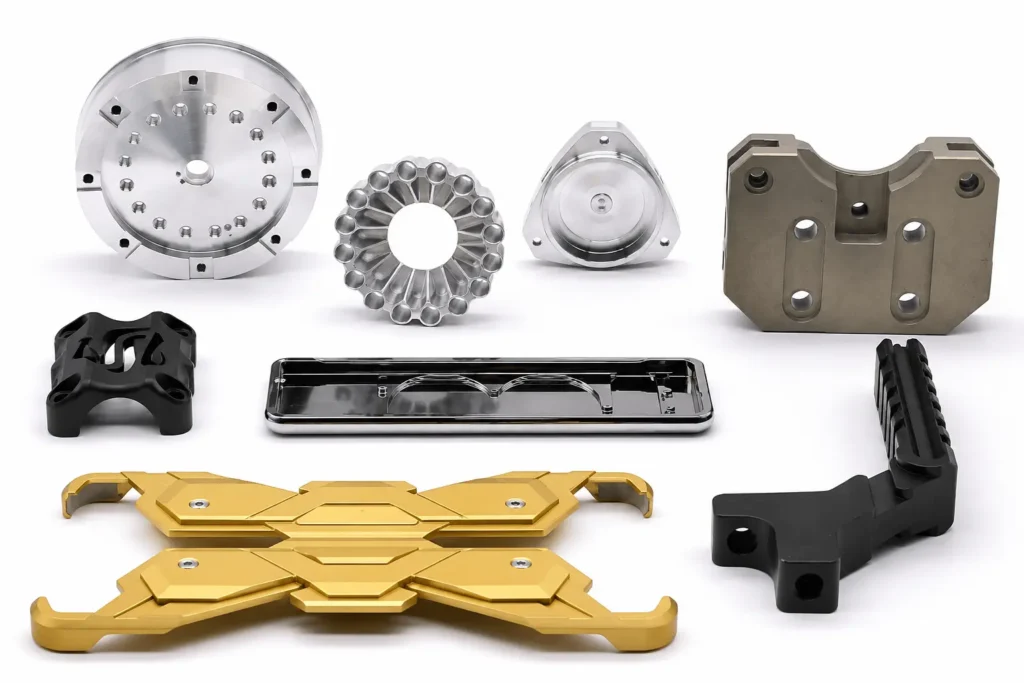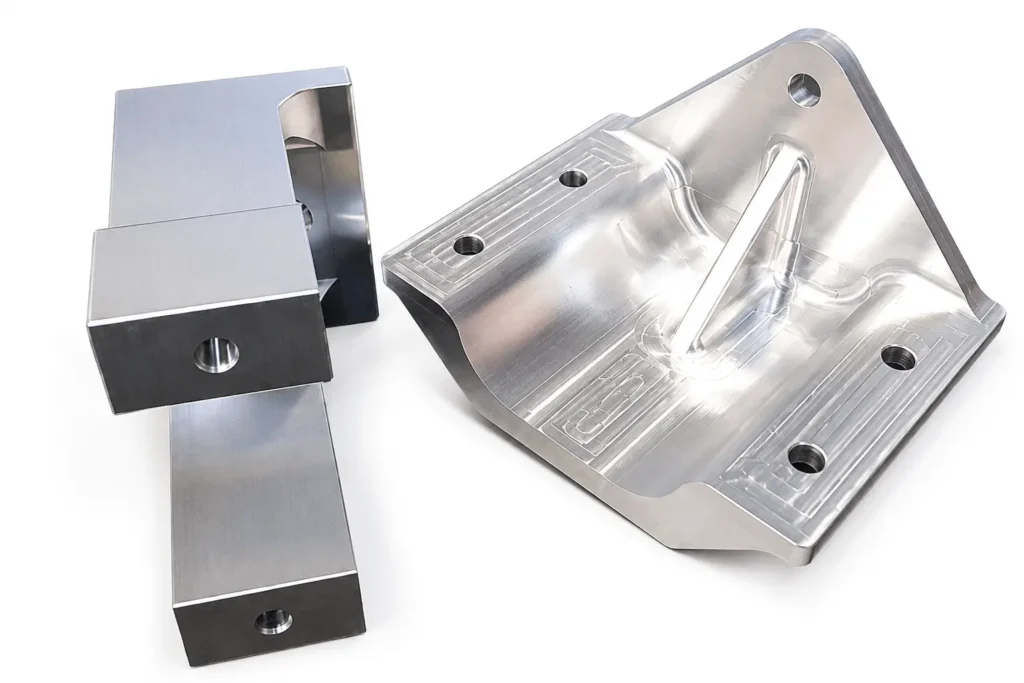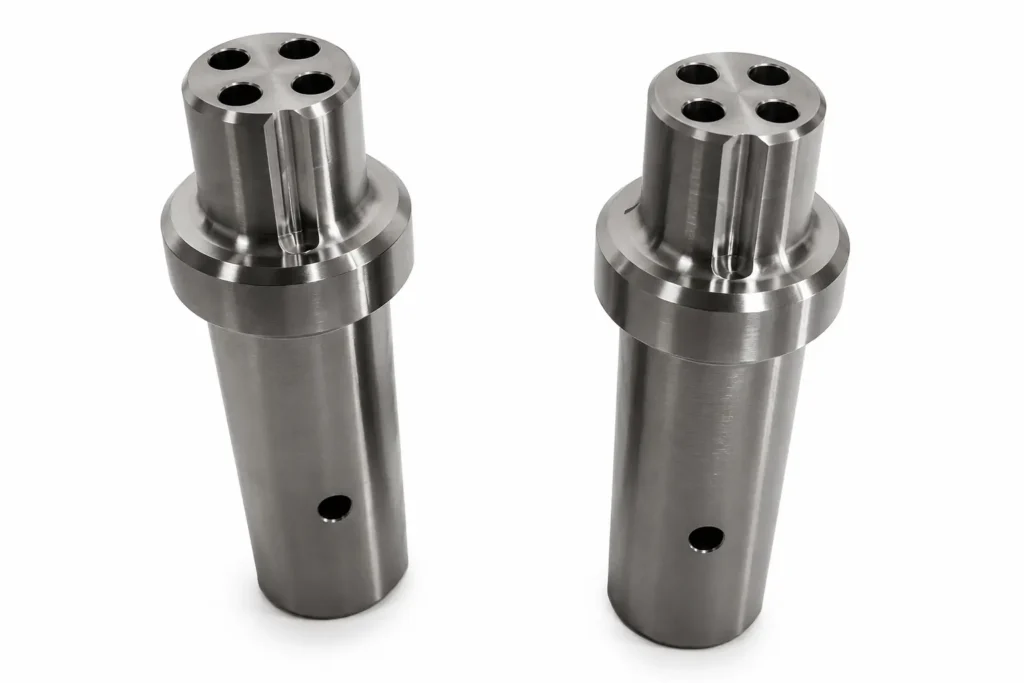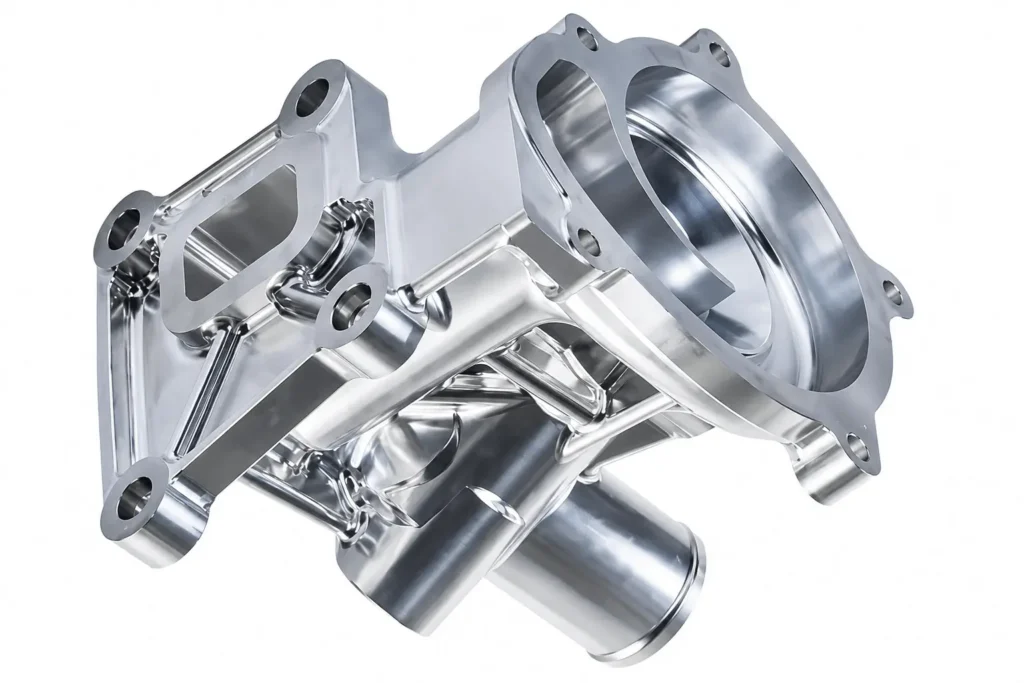
The production of metal parts in modern times is extremely significant. One can notice the presence of these parts in cars, aircraft, computer systems, and several other types of structures. The term sheet metal fabrication implies the shaping of flat metal pieces into some useful parts and shape.
The companies also have an upper hand in terms of technology, which allows them to make the cuts, bends, and shapes on the metals accurately. Understanding this will assist companies in picking the best one for their projects. These are the things you’ll be able to learn from this detailed guide:
Key Takeaways
- The metallic flat plate components will be processed to make them into high-quality finished products by means of cutting, bending, and joining operations.
- Computer systems play a crucial role in making the production process faster, secure, and highly precise.
- Various types of “metals” may be used depending on the application; some metals have their pros and cons for specific applications, like steel, aluminum, and copper.
- These components find application in several areas like the automotive industry, aviation industry, medical devices, and so forth.
- You can get the desired design through our customized design services.
What Is Sheet Metal Fabrication?
Sheet metal fabrication is the process of shaping and forming flat metal into a particular shape and structure. These sheets are made by cutting, shaping, and bonding them into a special form with special tools.
Importance in Modern Manufacturing
Sheet Metal plays an important part in various factories. The process is versatile and low-cost and can be used to produce durable components. The flat metal is easy to ship and store, thus resulting in low raw material cost. Upon reaching a factory, it can be turned into just about anything in a matter of moments.
This process can be used to produce large amounts of the same part in a short amount of time in factories. It can also deliver small amounts of your custom parts. It is used in the production of a variety of items, such as the exterior of a kitchen stove, the body of a delivery truck, and many more.
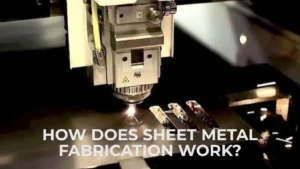
How Does Sheet Metal Fabrication Work?
It is a process that begins with a digital design, then flows into a precise cutting and forming process, and finishes with assembly and surface finishing to make a strong, functional, and ready-to-use piece.
Design and Engineering
All projects begin with a plan. Engineers develop detailed 3D models of the part using computers. They determine the location and bend points of the metal.
Material Selection
The selection of the proper metal is very important. The workers consider the strength, weight, and anti-corrosion requirements of the part.
Cutting
When the design is finalized, the flat sheet is cut to size. The metal is cut with heavy lasers, plasma torches, or water jets. This leaves a clear outline of the part, without having to shape it before the mold is formed.
Forming
In this step, the flat metal is bent or shaped into a three-dimensional form. Tons of pressure are applied to the metal using specialized machines without causing it to crack.
Assembly
If the final product requires more than one piece, then they are stitched together. The parts are welded, riveted, bolted together, or joined with strong glue to form a single unit.
Finishing
This last step provides the part with a good look and durability. The metal could be sand-blasted, painted, or powder-coated. This protective layer helps to prevent the metal from becoming corroded or rusted.
What Are the Main Types of Sheet Metal Fabrication Processes?
There are many types of sheet metal fabrication processes used in workshops today. Each method has a specific role in altering the raw metal.
- Cutting: Slicing the metal sheet to the precise flat piece required with lasers, mechanical shears, or plasma cutting.
- Bending: Using heavy machinery to change the angle of the metal, bending a flat piece into a dimensional box/bracket.
- Punching: The process for cutting holes, slots, or special patterns in the metal rapidly by pressing the tool through.
- Welding: Joining two different metal components together by melting them at high temperatures to form a solid.
- Forming: Deep stretching or stamping techniques are used to push the metal into intricate, curved forms.
How Do Press Brake Bending and Sheet Metal Punching Improve Production?
The combination of these two is used to increase the speed of factory lines. These machines make sure that each and every item is precisely as designed in the original blueprint.
Press Brake Operations
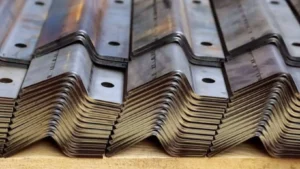
Press brake bending is the typical method used to produce long and straight folds in metal sheets. A heavy punch presses the flat metal into a matching flat punch or “die”. The depth and pressure are controlled perfectly by the machine. This enables the metal to bend at specific angles, such as 90 degrees, without compromising the metal’s structure.
Punching Operations
In sheet metal punching, the holes are punched through the metal sheet with a powerful press. The metal is struck by an indenter at high speed to form a waste piece in the die below. It can make hundreds of accurate holes or geometric patterns in a matter of minutes.
Comparison of Common Sheet Metal Fabrication Processes
| Process | Main Purpose | Advantages | Common Applications |
|---|---|---|---|
| Laser Cutting | Cut exact shapes | Smooth edges, no tool wear | Intricate brackets, flat blanks |
| Press Brake Bending | Form sharp angles | Highly accurate, handles thick metal | Enclosures, channels, frames |
| Sheet Metal Punching | Create multiple holes | Extremely fast, low cost per hole | Ventilation grates, panels |
| MIG/TIG Welding | Fuse parts together | Super strong joints, permanent bond | Heavy frames, sealed tanks |
Why Is Precision Sheet Metal Fabrication Important?
These workflows help you make the best manufacturing decisions when it comes to standard parts or custom sheet metal projects.
Accuracy
Errors are not an option in high-tech industries. In precision sheet metal fabrication, the part tolerances are within fractions of a millimeter. Parts are this precise when they are assembled without grinding or forcing in final assemblies.
Repeatability
If a company is in need of ten thousand parts, then the final part must be identical to the first one. Precision tools allow each individual piece to travel the same route to maintain uniform sizes in large volume production.
Quality Control
Advanced laser scanners and measuring tools are used in industries to verify the quality of parts produced. Any slightly faulty reading is corrected instantly. It is designed to minimize waste and to not ship bad parts.
Industry Standards
Aerospace and medical applications have high safety standards. Precision work guarantees that all safety requirements are fulfilled and produces secure components that won’t fail under stress.
- Costly assembly errors are eliminated, and production time is saved thanks to extreme accuracy.
- High repeatability means that large quantities of parts are uniformly produced.
- Robust Quality Control minimizes material waste, which helps save companies money.
- The parts conform to global standards and are used safely.
How Does CNC Sheet Metal Fabrication Improve Efficiency?
Additionally, using CNC sheet metal fabrication adds automation, speed, and incredible accuracy to any project.
CNC Technology
CNC, or Computer Numerical Control, is based on computer software programming to control factory tools. CNC sheet metal fabrication eliminates the human element of the guesswork of physical work. The computer reads the digital design and, with extreme precision, guides the lasers, punches, and brakes.
Automation
CNC systems can load raw metal sheets, work them, and stack them up with minimal human intervention. You can find some factories that operate these machines year-round, even during the night time hours, which is also referred to as “lights out” manufacturing. This will maximize the output without adding to labour costs.
Production Speed
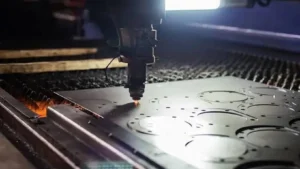
The speed of a CNC machine is much faster than that of any human worker. The computer-controlled laser can cut through complex metal paths in seconds. This quick pace enables companies to bring their products to market at a much quicker rate.
Consistency
Every single cut is made by a computer, so human fatigue has no effect on the final product. The machine makes the same movements every hour, ensuring 100% consistency in every production run.
What Are the Best Materials for Sheet Metal Fabrication?
Choosing the best materials for sheet metal fabrication will depend on the function of the finished part. Every metal has its own set of benefits.
Comparison of Common Sheet Metal Materials
| Material | Strength | Corrosion Resistance | Typical Applications |
|---|---|---|---|
| Stainless Steel | High | Excellent | Kitchen gear, medical devices |
| Carbon Steel | High | Low (needs coating) | Car frames, structural beams |
| Aluminum | Medium | High | Aircraft panels, laptop cases |
| Copper | Low to Medium | High | Electrical wires, heat changers |
| Brass | Medium | High | Gears, pipe fittings, locks |
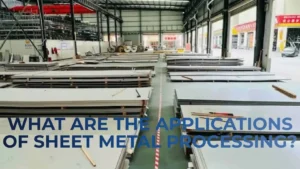
What Are the Applications of Sheet Metal Processing?
The applications of sheet metal processing are very wide.
Automotive
Metal sheets are used in the car industry for making body panels, doors, hoods, and internal frame parts. Light yet strong enough, these pieces have to conserve fuel and also to safeguard passengers in case of a collision.
Aerospace
For airplanes and satellites, the materials need to be lightweight as well as strong. Carefully produced aluminium and titanium sheets are used to make skin for the fuselage, wing ribs, and internal brackets that are capable of high altitudes.
Electronics
The metal used in computer boxes, cell phone frames, and huge control boxes in factories is sheet metal. The enclosures protect delicate electrical components from dust, moisture, and electrical noise.
Construction
Fabricated sheets are used by builders and contractors for metal roofing, metal heating, cooling ducting, metal gutters, and metal structural wall panels. The metal has a long lifespan and resists the elements.
Medical Equipment
Hospitals need hardwearing and clean surfaces. Sheet metal is formed into surgical tables, MRI machine enclosures, and easy-to-sterilize custom storage carts.
Industrial Machinery
Tough outer shells and strong inner brackets are required for heavy-duty factory equipment. Heavy systems are kept properly aligned and protected from moving parts by fabricated steel plates.
- Car doors, hoods, and structural chassis frames.
- Wings, fuselage skins, and interior structure members.
- Laptop frames, server racks, and electrical junction boxes.
- Ducts used for heating, ventilation, and air conditioning (HVAC).
- Tool cabinets, scanning machine covers, and hospital trays.
- Heavy conveyor sides, machine guards, storage bins.
How to Choose the Right Sheet Metal Fabrication Process?
You must analyze your chosen material type, the complexity of the part design, your overall budget, and how many items you need to produce before picking a method.
Material Type
Certain metals react better to specific processes. For example, thick carbon steel might require plasma cutting, while thin aluminum is best handled with a high-speed fiber laser.
Part Complexity
If your part has intricate shapes or tiny holes, laser cutting and CNC punching are the best paths. For simple boxes, straight shearing and standard bending work perfectly.
Production Volume
For huge batches, investing in hard tooling for stamping presses saves money over time. For small runs or prototypes, flexible custom sheet metal fabrication using CNC machines is much more economical.
Cost Considerations
Every cut, bend, and weld adds to the total cost. Designing parts that use fewer bends and standard hole sizes keeps production expenses low.
Required Accuracy
If your part goes into a rocket engine, you must use high-precision CNC methods. For a simple garden gate, standard manual fabrication processes will do the job fine.
Conclusion
Sheet metal fabrication is one of the basic industries of today. It’s a versatile area that molds our everyday components, from the simplest brackets to the most intricate aerospace pieces. New tech continues to emerge in the sheet metal manufacturing industry. Press brake bending and sheet metal punching are only a few of the methods factories use to combine to produce parts faster and more consistently than ever before.
Frequently Asked Questions
What is sheet metal forming?
Sheet metal forming is the process of bending or forming flat metal into 3D shapes. The metal is pressed, stretched, or squeezed by the machines. The sheet bends and does not crack, thus creating parts such as car doors or metal cups.
What is the process of sheet metal fabrication?
First, a computer design is made. Then, the metal is cut by machines using lasers. After that, the pieces are bent using tools. Finally, they are welded or bolted together and painted.
What is the process of metal fabrication and its applications?
Metal fabrication involves the process of cutting, bending, and joining pieces of metal together to create structures. It can be used to make large machines and objects that are used in everyday life.
What are the benefits of metal fabrication?
This work produces parts of high strength and longevity. It can make many copies accurately and in a short period of time on fast computers. It also allows you to create custom shapes that are ideal for your project with less waste.