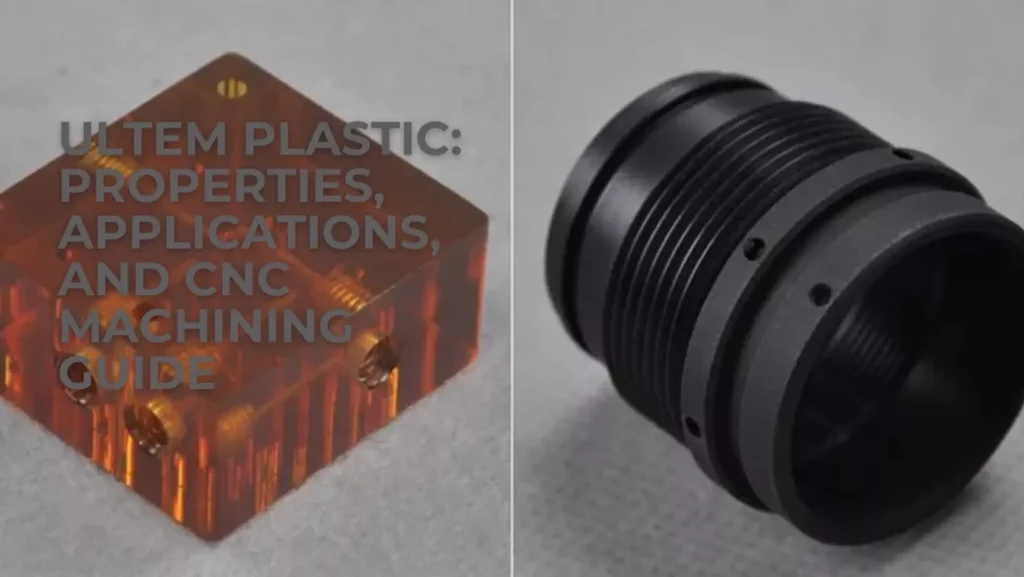
Plastics play an important role in the manufacturing industry. There are some plastics that can be used in heavy-duty applications, ULTEM being one of the best-in-class plastics. What is PEI plastic? PEI is the abbreviation of polyetherimide. The special high-performance thermoplastic is called ULTEM, a high-temperature-stable, strong engineering thermoplastic.
You can learn all about ULTEM machining with this ULTEM machining guide. You will understand its physical characteristics and its behaviour when cutting. We’ll also be going over the best practices for configuring your machines. This knowledge enables you to obtain perfect parts all of the time.
Let’s delve into this amazing material more deeply.
- The most accurate manufacturing of ULTEM parts is through ULTEM CNC machining.
- The material is applied to a number of industries for critical jobs.
- ULTEM industrial applications include medical devices, circuit boards, and aeroplanes.
- It helps shops to manufacture accurate and very close tolerances on shapes.
Why Is ULTEM Plastic Used in High-Performance Applications?
What is ULTEM plastic? It is an amorphous thermoplastic and has an amber colour. It has excellent high strength and thermal properties. This is the only thing that makes it special when it comes to benefits. This makes it an excellent choice for ULTEM industrial uses whenever standard plastics are not up to the job.

Key Characteristics
This material is outstanding due to its distinctive qualities. The following are the key features that make it popular:
- High temperature resistance: Can be used in high-temperature areas without weakening.
- Excellent strength: Will not fail when subjected to heavy weight or a severe blow.
- Flame resistance: It is hard to burn and does not produce much smoke.
- Electrical insulation: It completely prevents the passage of electricity.
- Chemical resistance: Resists many fuels, alcohols, and acids.
- Foam to solid transition: The foam and solid transition is smooth.
What Are the Important ULTEM Material Properties?
Mechanical Properties
This material is very resistant to mechanical stresses. It is firm and doesn’t stretch. One question isn’t often asked but is always pertinent: Is ULTEM stronger than PEEK? This will be based on the nature of the test. PEEK has fatigue properties and has a higher resistance to impact. ULTEM does have good tensile properties, though, and it is stiffer and less expensive. Hence, it is an ideal material for structural parts.
Thermal Properties
Most plastics are subjected to a test to determine their reaction to heat. This material is more heat-resistant than almost all other plastics used. The ULTEM glass transition temperature of the ULTEM is 217°C (422°F). This is when the plastic begins to melt. This is a very high temperature, and the plastic will not melt and will be rendered unusable. It is not very expensive, i.e., has a low thermal expansion coefficient.
Electrical and Chemical Performance
This material is a good insulator of electricity. It maintains high electrical properties at a wide range of temperatures and frequencies. It has also been proven to withstand a wide range of harsh chemicals. It can handle automotive fluids, fully synthetic lubricants, and aqueous washing solutions. This makes it a perfect choice for use in car under-hood parts and clean room equipment.
ULTEM Material Properties Table
| Property | Typical Value | Benefit |
| Tensile Strength | 110 MPa | Resists high pulling forces without breaking |
| Flexural Modulus | 3,300 MPa | Highly stiff and does not bend easily under loads |
| Glass Transition Temp | 217°C | Remains stiff and stable in hot areas |
| Dielectric Strength | 27 kV/mm | Excellent electrical insulation for wiring and parts |
| Water Absorption | 1.25% (at saturation) | Low moisture pickup keeps dimensions stable |
How Does ULTEM CNC Machining Work?
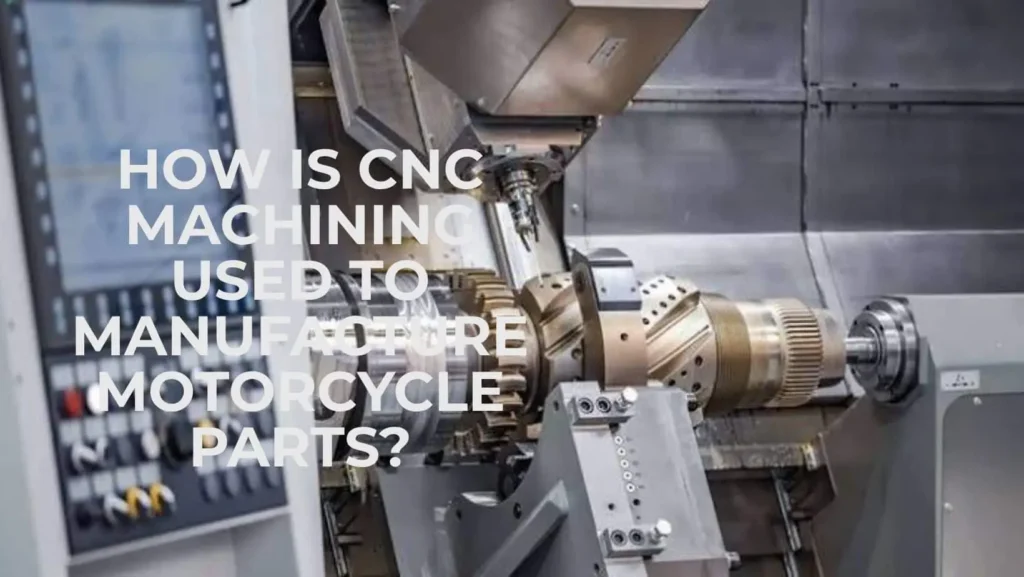
Using computer-controlled machines is the best way to shape this plastic. CNC machining ULTEM involves cutting away material from a solid block.
- Milling: Rotating cutters remove plastic to form flat surfaces, pockets, and complex shapes.
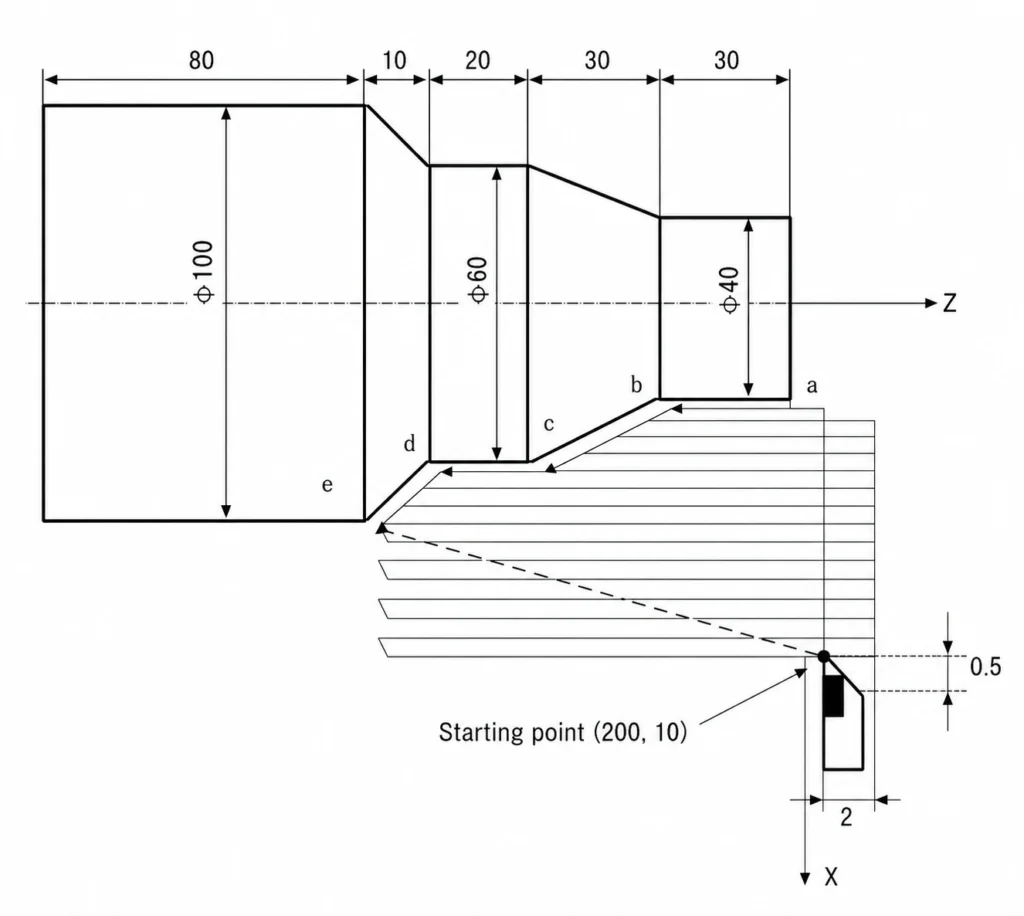
- Turning: The plastic block spins while a stationary tool cuts it into round shapes and shafts.
- Drilling: Standard or specialized drills create precise holes for screws or pins.
- Threading: Taps and single-point tools cut clean internal or external threads into the part.
Precision is vital when making high-tech components. This plastic holds tight tolerances very well. It does not warp like softer plastics. This allows engineers to design complex parts with exact fits. Following a proper ULTEM machining guide ensures the material does not shift during cutting. This keeps your dimensions spot on.
How Do You Select the Right ULTEM Cutting Tools?
The right tool material makes a huge difference. This plastic can wear out tools quickly, especially when it is reinforced with glass fibres.
- Carbide: Solid carbide ULTEM cutting tools are the standard choice. They stay sharp much longer than high-speed steel tools.
- Diamond-coated tools: For long production runs or glass-filled grades, diamond-coated tools are best. They resist wear and maintain clean cuts for a long time.
There is a significant difference between the materials of the right tools. Tool life is reduced in this plastic, particularly when it is made with glass fibres.
- Solid carbide ULTEM cutting tools are typically used for carbide. Their edge holds up much longer than the edge of high-speed steel tools.
- Diamond-coated tools are ideal for long production runs or glass-filled grades. They are wear-resistant and retain clean cuts for a long time.
Tool Geometry
The shape of the tool influences the manner in which plastic is sliced.
- Sharp edges: Sharp tools decrease friction and minimize cutting forces.
- Positive Rake: A positive rake angle acts to remove the chip smoothly.
- Chip evacuation: The wide flutes quickly remove chips to prevent them from filling the hole/pocket.
How Should ULTEM Feed and Speed Be Optimized?
Cutting Speed
Finding the right balance for ULTEM feed and speed is essential. The cutting speed controls how fast the tool spins against the plastic. If the speed is too high, friction creates excess heat. This heat can ruin the part. You want a moderate speed that cuts cleanly without generating high thermal energy.
Feed Rate
The feed rate controls how fast the tool moves through the material. A fast feed rate creates larger chips. This is good because large chips carry heat away from the part. If the feed rate is too slow, the tool rubs against the plastic. Rubbing creates immediate friction and heat buildup.
Cooling Methods
Cooling is a critical part of the process. You must keep the cutting zone cool to get the best results.
- Air blast: A strong blast of cold air clears chips and cools the tool.
- Mist cooling: A light mist of water-soluble coolant helps lower friction.
- Avoid excessive heat: Always avoid dry machining during deep cuts or heavy milling.
Why Is Heat Control Important During CNC Machining High-Temperature Plastics?
When choosing ULTEM cutting tools and optimizing the tooling settings, you can prevent each of the following problems. How to prevent cracking when machining ULTEM? By melting and cracking.
Heat Buildup
Controlling heat is vital during CNC machining of high-temperature plastics. Even though this material handles heat well, the cutting zone can still get too hot. Plastics do not conduct heat away as metals do. The heat stays right where the tool meets the plastic.
Material Deformation
If too much heat builds up, the plastic will expand locally. This causes internal stress. When the part cools down, it can warp or twist. This destroys your dimensional accuracy. Excessive heat can also cause the surface of the plastic to smear or become gummy.
Best Practices for Heat Control
- Use sharp tools to minimize cutting friction.
- Maintain a high feed rate to ensure chips carry heat away.
- Use constant air or liquid cooling during long cycles.
- Break up deep cuts into multiple smaller passes.
How Can You Improve Surface Finish for Machined ULTEM Parts?
A smooth surface finish of ULTEM parts calls for careful planning. Dull tools or improper machine settings can cause rough surfaces. The end result is a clean, slightly amber surface when the tool is sharp and the machine is stable.
Optimization Steps
For better-looking parts, here are some tips:
- Tool condition: Always use a new, sharp tool for the final pass.
- Optimize feed: Reduce the feed slightly in the last pass to minimize feed marks.
- Finishing operations: Make light passes to finish operations, avoiding push operations.
What Industries Commonly Use ULTEM Components?
It is not always convenient to shape this plastic. It is a very sensitive material, and care must be taken in machining. If not set correctly, it can crack or warp the plastic.
Aerospace
The aerospace industry uses this material for many interior parts. It is perfect because it is light and strong. It also meets strict flame, smoke, and toxicity rules. This keeps passengers safe while saving fuel weight.
Medical
Medical companies use it for surgical devices and trays. It can handle repeated cleaning in steam autoclaves. This means it can be sterilized many times without cracking or losing its strength.
Electronics
In electronics, this material is used for connectors, chips, and boards. Its excellent electrical insulation prevents short circuits. It also stays stable when electronic components get warm during operation.
Automotive
Car makers use it for components under the hood. It handles hot engine oils, transmission fluids, and fuels without breaking down. It replaces heavy metal parts to make cars lighter.
Semiconductor
The semiconductor industry uses it for handling wafers and testing fixtures. It does not release gases in a vacuum, and it resists the harsh chemicals used in chip making.
Common Industrial Uses of ULTEM Table
| Industry | Typical Part | Reason for Using ULTEM |
| Aerospace | Electrical Connectors | Meets flame and smoke safety rules; very lightweight |
| Medical | Surgical Instrument Trays | Withstands repeated steam sterilization cycles |
| Electronics | Circuit Board Foils | High electrical insulation and heat resistance |
| Automotive | Oil Pump Components | Resists hot automotive fluids and mechanical wear |
| Semiconductor | Wafer Handling Matrix | Low outgassing and high dimensional stability |
What Are the Best Practices for Successful ULTEM Machining?
There are rules to follow to ensure the best results when it comes to machining. So the answer to the question, “How to avoid melting ULTEM during machining”, is easy: maintain sharp tools and maintain a cool material. When the plastic becomes too hot, it will fuse with the cutting tool. This not only ruins the tool but also your part.
Yet another big issue is how to avoid cracking when cutting ULTEM. Cracks occur when the internal stresses become too high. To prevent this, use correct workholding methods that do not over-squeeze the part. Also, do not use sharp inner corners for part design.
- Use sharp tools: Sharp carbide tools will minimize friction and material damage.
- Minimize heat accumulation: Avoid situations where heat is accumulating.
- Optimize feed rates: Ensure that the rate of feeding is adequate to ensure a distinct chip.
- Secure workholding: Hold material securely; do not grip too tightly or cause deformation.
- Efficiently remove chips: Air Blasts for effective chip removal from deep pockets.
- Smooth surface with light passes: Light passes at the end with small passes for a smooth surface.
Conclusion
ULTEM is a high-performance thermoplastic with outstanding strength and heat resistance. It does, however, need special skills to work with it. Using proper ULTEM CNC machining techniques is the key to creating successful parts.
Be aware of your ULTEM feed and speed to ensure that you do not get a high temperature. This will keep your pieces stable and accurate. If used properly, it can provide outstanding performance in your most challenging projects.
Frequently Asked Questions
1. What is ULTEM plastic?
ULTEM plastic is a very strong engineering thermoplastic. It is also called PEI plastic. This material does not melt under high heat. It does not bend under heavy weight. Factories use it to make tough parts for aeroplanes, cars, and medical tools instead of heavy metal.
2. What industries use ULTEM?
Many top industries use this tough material. The aerospace industry uses it to make light aeroplane parts. Medical factories use it for surgical tools because it handles hot steam cleaning. The electronics industry uses it for plugs and switches because it stops electric currents completely.
3. Can you drill holes in ULTEM?
Yes, you can drill holes easily during ULTEM CNC machining. You must use sharp carbide bits to make clean cuts. Run the drill at a steady speed and do not let it stop inside the hole. This keeps the plastic cool so it does not melt or crack.
4. Why is heat control important?
Plastics do not let heat move away fast. When cutting, heat stays in one spot. If the part gets too hot, the plastic can warp or change its size. Keeping the material cool helps you get a smooth surface finish for ULTEM parts and keeps them perfect.