Key Takeaways
- Aluminum 5083 suits parts that need good corrosion resistance with useful mechanical strength, especially in marine and outdoor service.
- Its high magnesium content gives the alloy good resistance to seawater and chloride exposure, which is a major reason it is selected for marine components.
- 5083 is a non-heat-treatable alloy. Its strength comes mainly from alloy composition and work hardening rather than precipitation heat treatment.
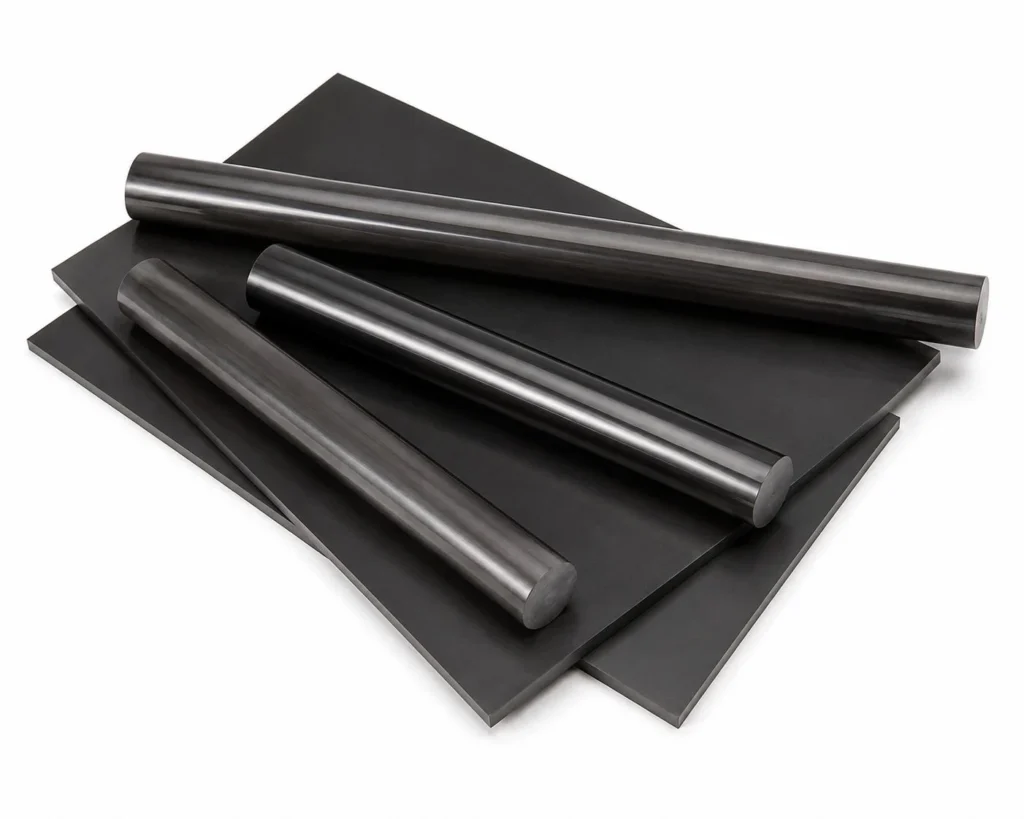
- It is commonly supplied as plate and sheet, making it practical for machined parts cut from larger stock.
- The alloy can be CNC machined, but its machining behavior is different from free-machining grades such as 6061. Chip control, cutter geometry, and workholding deserve attention.
- 5083 works well for parts that combine machining with welding, including tanks, brackets, frames, and fabricated assemblies.
- It is less attractive when the main requirement is very high machinability and fast stock removal rather than corrosion resistance and structural performance.
Introduction
Choosing Aluminum 5083 for a CNC part usually comes down to the service environment and the way the part will be manufactured. It is not simply a matter of selecting another aluminum grade because the part needs to be lightweight.
The alloy contains a relatively high amount of magnesium. This gives 5083 its useful combination of strength and corrosion resistance, particularly in marine environments. That is why it is commonly found in marine structures, tanks, pressure vessels, brackets, and fabricated equipment.
Another point is its material condition. 5083 is non-heat-treatable, so its available strength depends on the supplied temper and the amount of work hardening. The temper should therefore be specified when ordering material for a machined component.
From the machining side, 5083 can be cut effectively on CNC equipment, but the process should account for its tendency to produce continuous chips and its comparatively lower machinability than free-cutting aluminum grades. Cutter geometry and chip evacuation become important, particularly when removing a large amount of material.
So, 5083 is a sensible choice when corrosion resistance, low weight, strength, and fabrication requirements point in the same direction. If those requirements are not present and machining productivity is the main concern, another aluminum alloy may be a better fit.
What Makes Aluminum 5083 Different From Other Machining Grades?
There is an inherent reason why people generally use aluminum 5083 for the attributes it provides to the end part rather than for being one of the easiest alloys to machine. The difference is best understood when considering the magnesium content, temper, and part material of the stock used for the part.
Magnesium Content and Material Behavior
The 5083 is a magnesium Alloy. Magnesium increases strength and provides good resistance to seawater and general corrosion.
The same composition is also present at the cutting tool. Aluminum 5083 is not one of the easiest grades to machine, and chip control should be considered. This is where a cutter that functions on a free-machining aluminium grade may not perform well.
Consider chip removal techniques from the get-go for parts that have deep pockets or enclosed features. These chips can be a nuisance during the subsequent cut and may leave a mark on the part being cut.
Non-Heat-Treatable Temper Condition
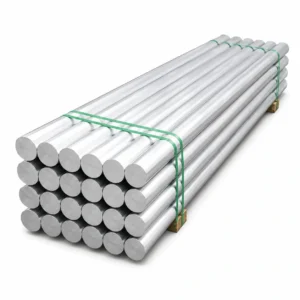
5083 cannot be strengthened by the same precipitation-strengthening treatment that is used to strengthen 6061. The supplied temper is thus a material requirement. The tempers H116 and H321 are condition codes and should not be considered interchangeable.
A material callout for a CNC job should be accompanied by the alloy and temper, especially if the CNC part is intended to meet some clearly defined mechanical requirement.
5083 Plate, Sheet, and Machined Stock
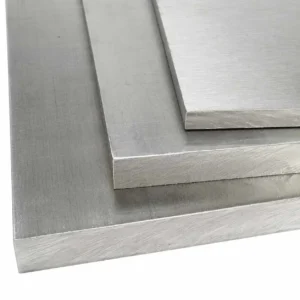
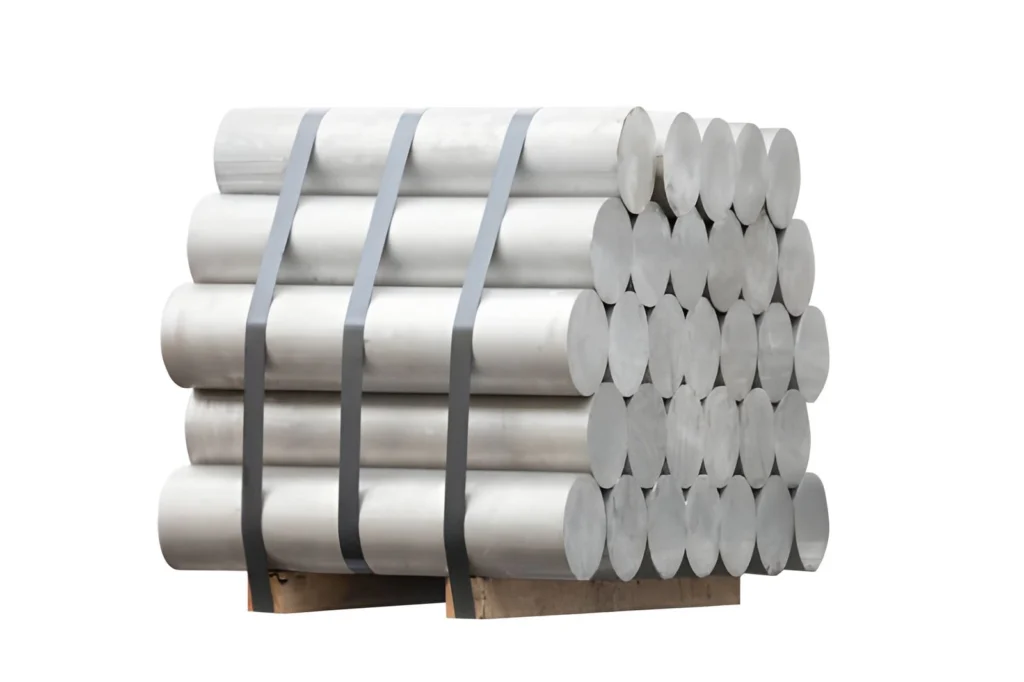
5083 is often provided in the form of sheet and plate, suitable for parts being cut from a flat stock and then machined.
The stock selection directly impacts the job. Beginning with too thick of plates will result in more removal than is required by the component. It may be necessary to perform many operations to reach the desired final thickness; if the initial thickness is set too close, there may be insufficient space to produce the necessary surfaces.
For this reason, the thickness of the stock should be determined from the final geometry and machining allowance, not the closest stock size available.
How Does Aluminum 5083 Behave During CNC Machining?
5083 can be machined well, but the cutting process must be compatible with the alloy. The key points to control are chip removal, heat at the cutting edge, cutter geometry, and part support, particularly in the case of deep or thin features.
Chip Formation and Cutter Loading
5083 is capable of generating long continuous chips during the milling operation. Those chips, if they are left on the cutting surface, can be reused in the cut and cause marks on the surface.
The load on the tool also varies when the tool is engaged in a cutter. Heavy engagement causes the removal of material in a short period of time, but it also causes an increase in the cutting force and difficulty of chip removal. Pockets and deep cavities should have a path for chips to escape from the cutting area.
Cutting Heat and Surface Condition
The method of cutting aluminum is not the same as that for steel. When the cutter remains heavily engaged, or when chips are recut, the amount of heat generated can accumulate around the cutting edge with 5083.
Sometimes material will also adhere to the cutting edge. After the buildup commences, it will not cut cleanly and may exhibit drag marks, rough areas, or smeared material. This condition can be prevented by keeping the cutting edge clean and by removing chips.
Tool Geometry and Cutting Edge Selection
The geometry should be optimized for aluminum cuts, the cutting edge should be sharp, and the flute space should be sufficient to remove the chips. This selection becomes more critical the higher the speed and depth of cut become.
The cutting tool should not rub but rather cut the surface cleanly when finishing. The proper cutter geometry, too, can minimize the accumulation of material onto the edge.
Workholding for Thin 5083 Parts
5083 is a thin material that can be moved by pushing it with the cutter. If not properly supported in the set-up, a part may be flat while being machined and may change shape after it’s released.
The support should be located near the areas to be machined. If a thin plate or wall is to be machined, the machining sequence can also be designed to avoid removing large amounts of material from one side at a time.
The simple useful check is whether the feature can move under the cutter or not; if it can, then the finished dimension can move.
Aluminum 5083 vs. 6061: Which Is Better for CNC Machining?
The better grade depends on what the finished part has to withstand. 5083 is usually selected for corrosion resistance and marine service, while 6061 is often chosen when easier machining and heat-treated strength are useful.
| Factor | Aluminum 5083 | Aluminum 6061 |
| Corrosion resistance | Very good | Good |
| Seawater service | Preferred | Less suitable |
| Heat treatment | Non-heat-treatable | Heat-treatable |
| Machinability | Moderate | Better |
| Weldability | Very good | Good |
| Common stock | Plate, sheet | Plate, bar, extrusion |
| Main selection reason | Corrosion resistance and strength | Machinability and general-purpose use |
Where 5083 Has the Advantage
5083 is a better fit when the finished part will see seawater, salt exposure, or regular moisture. Its corrosion resistance makes it useful for marine equipment and components made from welded plate.
It also makes sense when the part needs to be both machined and welded. Tanks, brackets, structural sections, and fabricated assemblies are common examples.
Where 6061 Is Preferable
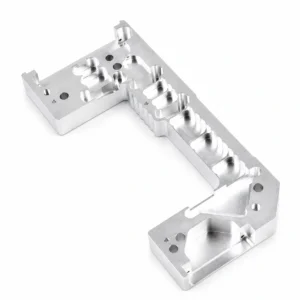
6061 is often the easier choice for a CNC part when machinability, material availability, or heat-treated strength carries more weight.
It is available in several forms, including bar and extrusion, which can simplify stock selection for smaller machined components. Its machining behavior is also generally more favorable than 5083.
So the choice is straightforward: start with 5083 when corrosion and marine service drive the material choice; look at 6061 when machining and heat-treated mechanical properties are the stronger requirements.
Aluminum 5083 Design Considerations for CNC Machining
The part geometry has a direct effect on how 5083 should be machined. Thin walls, deep cavities, precision holes, and large changes in section thickness can all require a different machining sequence.
Wall Thickness and Thin Sections
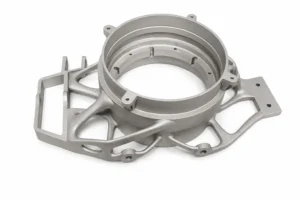
During the removal of material, thin sections can move. It is particularly high when there is a wall just a few millimeters thick in a pocketed plate.
The last wall pass should be made after the removal of the surrounding material and the reduction of the cutting load. The workholding should also hold the section without exerting any pressure that causes it to change shape after it has been released from the workholding clamp.
Deep Pockets and Long Tool Reach
If the deep hole has a long reach, the cutter may need a long reach, but the longer it sticks out, the more deflection it will experience. So the 50 mm deep cavity may be more challenging to complete precisely than a shallow cavity of the same diameter.
Use the minimum length tool that will reach the depth needed. Where it is necessary to make an extended reach, the finishing operation should be conducted with a controlled engagement, so as to prevent excessive side loading on the cutter.
Holes, Threads, and Mating Features
When precision holes and threaded features are close to thin walls or other holes or surfaces produced by the machine, they require attention. For example, a 20 mm bore should not be rough-cut and finished to its final size, as a heavy roughing pass often generates burrs on the bore.
If mating holes, ensure the amount of material for final cutting is left under control. The specification of threads should include the standard and necessary class of the thread, which will enable the selection of the appropriate method for machining.
Machining From Plate
A significant number of 5083 parts are originally plate, and the thickness removed can impact the final form. When a plate is reduced from 25 mm to a 12 mm section, and material is removed from one side only, the part can be subject to movement during the machining process.
Alternatively, the sequence can remove material and leave the critical surfaces for subsequent passes. This provides a more stable part to work on for the final operation.
What Causes Problems When CNC Machining Aluminum 5083?
Burrs, poor surface finishes, dimensional movement, or chips remaining in the cutting area are the most common problems encountered in 5083 machining. The cause is most often related to the cutter, the toolpath, the workholding, or the manner in which the material is being removed.
Burrs and Sharp Edges
Burrs may become apparent around holes, pockets, and exterior profiles when the cutting edge is worn or the cutting tool is not designed for aluminum. An inconsistent cutting direction can also leave more material on one side of an edge, which also has a significant impact on the final pass.
The edge is usually cleaner with a sharp cutter that has appropriate aluminum geometry. If the edge break is defined, then the deburring operation should also be considered in the machining sequence.
Poor Surface Finish
If the cutting edge becomes rusty, it can cause a rough surface. When material begins to adhere to the tool, it will no longer create a clean cut.
Visible markings may be caused by vibration and changes in cutter engagement. In long finishing operations, tool wear can also cause a similar effect. If the cutter is engaged constantly and a used cutter is changed in advance of the finishing pass, then the intended surface will be maintained.
Dimensional Movement
When removing material from thin walls or large sections of plate, a 5083 part may move or change shape. Machining can also relieve internal stresses in the stock.
The work holding must not distort the part. The sequence of machining should not be such that a lot of material is removed from one side and not much from the other side of the piece.
Chip Packing
When long chips are unable to move out of the cutting area, they can get trapped in deep pockets, narrow slots, and holes. Then the chips can be recut by the cutter rather than cutting clean material.
This may result in higher temperature, surface burning, and disruption of the cutting edge. When machining enclosed features, the direction of the toolpath, whether it is coolant or air delivery, and sufficient room for chip evacuation should be taken into account.
How Is a CNC-Machined 5083 Part Inspected?
The inspection should follow the features that control fit, function, and material condition. A simple visual check is not enough for a precision part, while measuring every feature may add unnecessary inspection work.
Dimensional Inspection
Start with dimensions that impact assembly. Verify hole size and location, wall thickness, overall dimensions, steps, pockets, and mating surfaces with the drawing.
A micrometer or bore gauge, rather than a general-purpose caliper, might be required, for example, on a mating bore. If the position of the holes is important in relation to other datums, then a CMM can be used to check the position.
Surface Finish
Measure roughness on those surfaces for which the surface-finish requirement is specified in the drawing. Sealing face, bearing surface, or mating bore may require a profilometer check.
The measure will be taken at the indicated area and direction. This is followed by a visual check to detect scratches, tool marks, and/or localized damage that might not be detected by the single roughness reading.
Material and Temper Verification
Confirm the material certificate with the drawing/purchase order for the grade and temp 5083. This will confirm the condition of the material supplied for the machining.
When the part requires traceability, the material identification should also be traceable to the completed part and inspection record.
Final Visual Inspection
Inspect the machined and cleaned part. Look for burrs, scratches, dents, tool marks, or loose chips on edges, holes, pockets, threaded areas, and machined faces.
For the production parts, these checks should be associated with the drawing. The same defect may be acceptable on a cosmetic mark on a non-functional face and not acceptable on a sealing or mating surface.
Where Is CNC-Machined Aluminum 5083 Used?
5083 aluminum plate is commonly used for parts that are welded, bolted, or fabricated. The features that require controlled size, position, or fit are produced by CNC machining.
Marine Components
5083 is widely used in marine parts like mounting brackets, equipment supports, housings, and fittings. After the basic shape of the part has been created using CNC machining, the bolt holes, mounting faces, slots, or other connection features can be cut.
Tanks and Pressure-Related Fabrications
Tanks and other fabricated structures are made of 5083 plate. When you need more control of the flanges, ports, cover surfaces, threaded holes, and connection faces than you can get with fabrication, CNC machining is useful.
Industrial Equipment
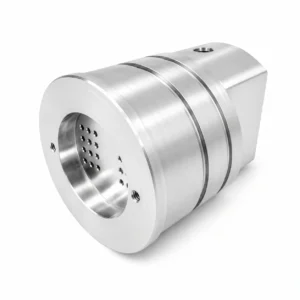
5083 can be used for the manufacture of industrial supports, covers, housings, frames, and mounting parts. The alloy can be used in wet or corrosive environments where the part is fabricated from plate.
Custom Machined Components
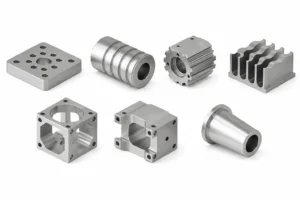
5083 is also ideal for medium- to low-volume custom parts. The 5083 plate can be used as the starting material, and the holes, pockets, mounting surfaces, and final size of the component can be formed by the machining process.
Typically, the material will be chosen first for the service requirement, and the CNC machining process will be used to create the necessary geometry.
Aluminum 5083 CNC Machining FAQs
Is Aluminum 5083 Easy to Machine?
5083 is machinable, but it does not cut as freely as grades such as 6061. Chip evacuation, cutter geometry, and tool condition need attention, especially during deep pocketing and heavier material removal.
Can Aluminum 5083 Be CNC Milled?
CNC milling is commonly used for 5083 plate and sheet. It can produce pockets, holes, slots, profiles, mounting faces, and other precision features with the right tooling and setup.
Is 5083 Better Than 6061 for Marine Parts?
For marine parts, 5083 is often preferred because of its strong resistance to seawater and chloride exposure. 6061 can still suit less demanding environments and offers easier machining and wider stock availability.
Can Aluminum 5083 Be Threaded?
Threaded holes can be machined in 5083 using tapping or thread milling. The method depends on the hole size, thread specification, access, and production quantity. Thread dimensions should follow the required standard and class.
Can Aluminum 5083 Be Anodized?
5083 can be anodized, but the magnesium content can affect the appearance and consistency of the anodized finish. If appearance is a key requirement, the alloy and finishing method should be confirmed with the anodizing supplier before production.
Does Aluminum 5083 Need Coolant During CNC Machining?
Coolant is not automatically required for every 5083 operation. Its use depends on the cutting conditions, tool geometry, material removal, and chip control. Air or other chip-clearing methods may also be useful in some operations.
What Temper of Aluminum 5083 Is Used for Machined Parts?
The suitable temper depends on the required mechanical properties and application. H116 and H321, for example, are commonly specified 5083 tempers with different material conditions. The alloy and temper should both appear on the material specification.
Can Thin Aluminum 5083 Parts Be CNC Machined?
Thin 5083 parts can be machined, but the setup needs to control movement during cutting. Support, clamping pressure, machining sequence, and remaining wall thickness all affect the final dimensions.
Does Aluminum 5083 Warp During Machining?
Movement can occur when machining removes a large amount of material from a plate and leaves thin sections. Internal stress in the stock and uneven material removal can contribute to the change in shape.
What Information Should Be Included in a 5083 CNC Machining RFQ?
A useful RFQ should include the 3D CAD model, 2D drawing, 5083 temper, quantity, critical tolerances, surface-finish requirements, edge details, and inspection requirements. If the part is fabricated before machining, include the fabrication condition and any surfaces that must remain untreated.
Is Aluminum 5083 the Right Choice for Your CNC Part?
Look at the service conditions first. 5083 is a sensible choice for parts exposed to seawater, salt, or regular moisture, particularly when the part is cut from plate and later welded or assembled. Marine brackets, tank components, supports, and similar parts are common examples.
CNC machining is not the reason to choose 5083. Compared with 6061, it is generally less machinable, so the job can require more attention to chip removal, cutter condition, thin walls, and workholding.
The material should also be specified by its alloy and temper. From there, check the finished geometry. A thin pocket wall, deep cavity, close-fit bore, or a large amount of material removed from the plate can change the machining approach.
If the drawing does not require 5083’s corrosion resistance or mechanical properties, another aluminum grade may be easier to machine.
Have a 5083 part ready for production? Send YD Rapid the drawing or 3D model, material temper, quantity, and required tolerances. We can review the part requirements before machining.