Key Takeaways
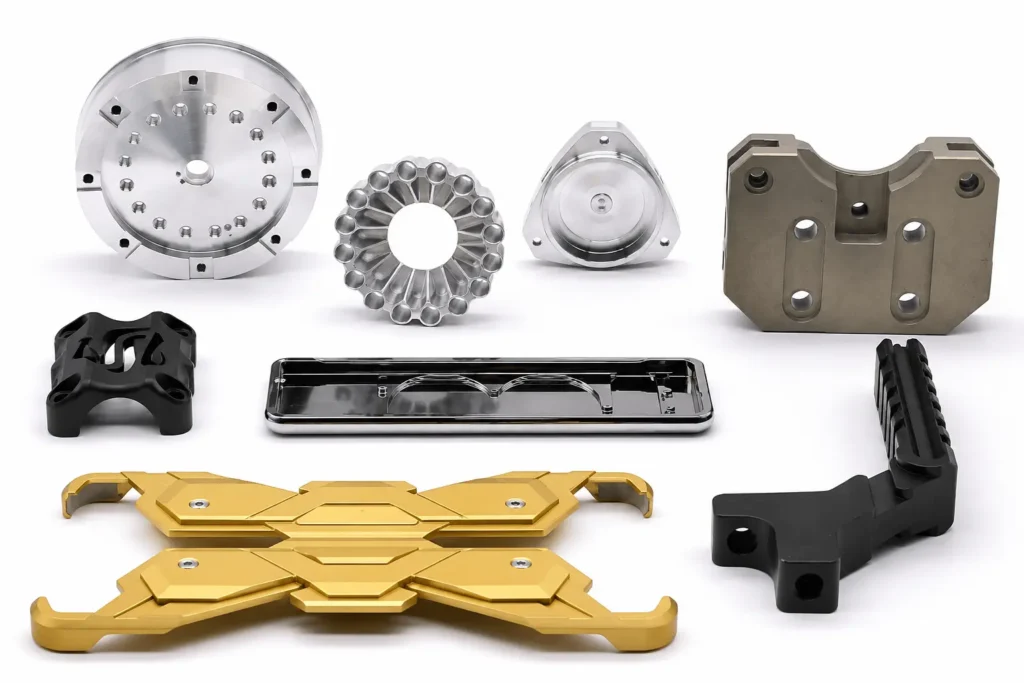
- Standard anodized colors such as clear, black, bronze, and champagne are widely specified for industrial and architectural aluminum parts.
- The same anodized color can appear slightly different because aluminum alloy, surface finish, and anodizing conditions all influence the final appearance.
- Dye anodizing, electrolytic coloring, and integral color anodizing each produce different color ranges and are selected for different applications.
- Color matching relies on approved production samples rather than digital color charts, especially for projects with strict appearance requirements.
- Outdoor applications often require anodized finishes with higher color stability to maintain a consistent appearance during long-term service.
- Before selecting the right color product application, surface finish, and manufacturing process should all be reviewed before production commences.
Introduction
A color chart is only the starting point when selecting an anodized finish. The finished color is developed during anodizing, so the same specification may not produce the same appearance on every aluminum part.
Differences in the alloy, surface finish, and anodizing process can all be seen after the parts are completed, especially on large visible surfaces.
For this reason, manufacturers do not look at the color alone. They also check the aluminum grade, surface preparation, coloring method, and service environment before production begins. These details help determine whether the selected finish is suitable for the product and whether it can be reproduced across future production batches.
This article explains the available anodized aluminum colors, practical methods for color matching, common causes of color fading, and design considerations that help produce a consistent finish.
What Colors Are Available for Anodized Aluminum?
Anodized aluminum is available in a wide range of colors, but each finish is used for a different purpose. Some colors are used in industrial products, while others are chosen for decor parts and architectural applications. Usually, two parts with the same colour specification may not necessarily look the same due to variation in alloy grade.
Standard Anodized Aluminum Colors
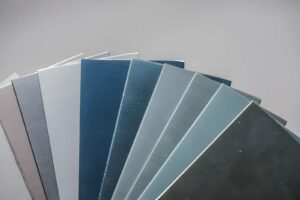
Most anodizing finishing suppliers provide standard colour options for regular production. They are readily available and can be used for prototype and production orders.
| Color | Typical Applications |
| Clear (Natural) | Machine parts, electronic housings, structural components |
| Black | Consumer electronics, automotive parts, industrial equipment |
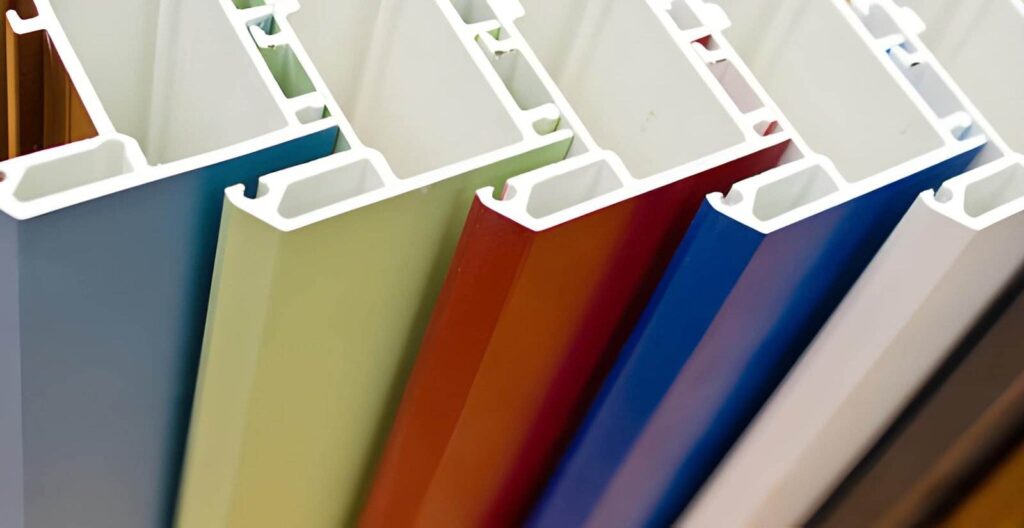
| Bronze | Window frames, curtain walls, building facades |
| Champagne | Decorative trims, architectural profiles |
| Gold | Nameplates, decorative products, premium components |
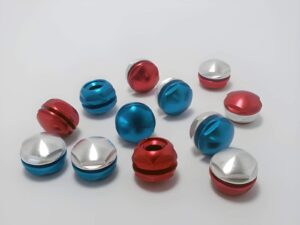
| Blue | Sports equipment, electronic accessories |
| Red | Bicycle parts, tools, branded products |
| Green | Instruments, specialty products, decorative components |
Although these colors are considered standard, slight differences can still appear between production batches because alloy composition, oxide thickness, and surface preparation all influence the finished color.
Custom Anodized Colors
Sometimes for projects, standard colors aren’t available. It is typical when the product is branded, consumer electronics and architectural systems, or follows a certain design language. In such instances, the manufacturing teams make adjustments to the coloring procedure so as to create a finish close to the desired color.
Sample approval is typically needed before production of custom colors is started. This will further ensure the final look, as anodized finishes will behave in a different way than painted surfaces, and the colour may vary slightly based on the alloy, finish requirements, and anodizing conditions.
Decorative Colors and Industrial Finishes
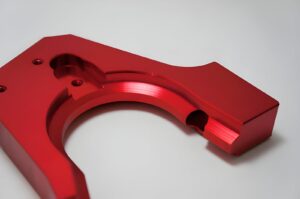
Appearance is not the only basis for the color selection. Industrial parts tend to focus more on the service environment, outdoor exposure, wear resistance, and production uniformity.
That is why clear, black, and bronze are still the most popular anodized finishes used in industrial applications. Bright colors like blue, red, and gold are more likely to be found on consumer products, sportswear, and decorative parts where appearance is a factor of product design.
How Are Anodized Aluminum Colors Produced?
Anodizing is carried out by three popular methods. These include:
- Dry Anodizing
- Electrolytic Colouring
- Integral Color Anodizing
Each method produces color differently and results in unique color shades, performance, and finish. It is imperative to understand these processes before choosing the colour, as the colouring process will also affect the part appearance.
Dye Anodizing
The most commonly used process for producing coloured aluminium parts is called dye anodising. The part is put into a dye solution after the anodizing. The dye penetrates the tiny holes in the oxide film, and the surface is then sealed to retain the color.
Many colors such as black, blue, red, gold, and green can be obtained in this method. Because of the wide range of colors it offers and the attractive finish, it is widely used in consumer goods, electronic enclosures, decorative parts, and sporting goods.
Electrolytic Coloring
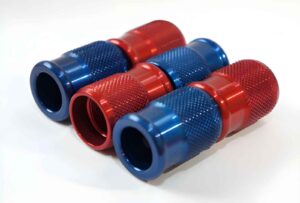
The electric coloring technique is the process of injecting metal particles into the anodized layer through an electric current. These metal deposits give the colour; the colouring is more stable to outdoor conditions than dyes.
This process is primarily used in the process of black, bronze, and champagne finishes. It is often used as the material for window frames, curtain walls, exterior panels, and other architectural products subjected to constant sun exposure for many years.
Integral Color Anodizing
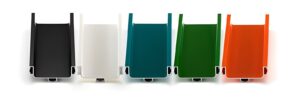
Integral color anodizing is a process by which the color is applied to anodized surfaces. The colour comes in as the coating does, so there is no need to dye separately.
This process is less extensive than dye anodizing, but the finish is appropriate for specific applications. The most popular colours made using this technique are bronze, gray, and black. It is frequently used in industrial machinery, architectural uses, and items that require a long-lasting surface finish.
What Affects the Final Anodized Color?
It’s common that for the same colour specification for two aluminium parts and still obtain some variation in colour after anodizing. This is because the final colour depends on the material, surface finish, and processes used. These factors can be controlled to achieve a more consistent finish during production.
Aluminum Alloy
Not all aluminum alloys are suitable for anodizing. The chemical composition of each alloy is different, and this will impact the color absorption and formation of the oxide layer.
For instance, higher purity aluminum will generally give brighter and more uniform colors while higher silicon and copper content alloys will be slightly darker and less uniform.
Surface Preparation
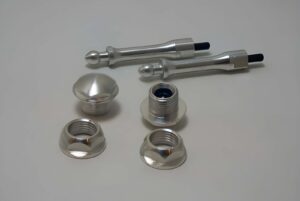
The anodizing colour is influenced by the surface condition. Polishing, brushing, bead blasting, and chemical cleaning all make different surface finishes. The prepared surface forms an oxide layer, which will be reflected on the final finish if it changes.
Oxide Layer Thickness
The anodized layer thickness also affects the development of colour. A thicker oxide layer can capture more dye, resulting in a deeper color, whereas a thinner layer can result in a lighter color. For this reason, manufacturers carefully control the anodizing process to get the desired color.
Surface Finish
A brushed or matte finish will give the surface a softer look, whereas a polished surface will appear brighter. Anodized finishes may yield different looks even if they are the same colour.
Sealing Process
Sealing comes as the last step post-coloring. It seals the very small pores in the anodized layer and aids in the protection of the color from moisture, dirt, and wear and tear. The sealing process is also well controlled, which enhances color stability and the quality of the finished part.
How Does Color Matching Work in Anodizing?
The use of a single dye is not enough to achieve the same anodized color for each part. Manufacturers compare finished parts to a color sample and hold the anodizing process to the highest level of consistency possible.
Approved Color Sample
The majority of anodizing jobs start with a sample approved. This sample displays the colour to be matched for the finished part in production. Both the manufacturer and the user strive for the same outcome from the outset by comparing the new part to this sample.
Keeping the Color Consistent
In large orders, elements or parts are frequently produced in multiple batches. The processing conditions are the same for each batch, and the finished parts are periodically examined against the approved sample. These checks are used to maintain uniformity and consistency of the overall appearance of the order.
What Can Cause Color Differences?
It is possible to see color differences between parts during anodizing, even though they are small. The final dye is subject to color variations due to changes in the dye bath, processing time, anodizing conditions, and the sealing process.
Where it is visible, even minor variations are more apparent. Therefore, routine checks are made throughout the manufacturing process to ensure the colour is as consistent as possible.
Do Anodized Aluminum Colors Fade?
Anodized aluminum keeps its color longer than many painted finishes, though some colors gradually change after years of service. The rate of fading depends on the:
- Coloring method
- The dye used
- The environment in which the part is used
Understanding these factors helps you select a finish that suits the product’s service conditions.
Ultraviolet (UV) Exposure
Dye-anodized part colours are most affected by continuous sunlight. Some finishes will lose colour over time if exposed to UV and are dyed organically, which will make them appear lighter than they were originally. This change is more likely to be seen for outdoor-use parts than for indoor-use parts.
Dye Stability
Anodizing dyes are made with different chemical formulations. Some of the dyes are formulated for indoor decorative products, and some for outdoor applications and have longer colour stability. Careful choice of dye from project start guarantees the desired look during the product’s lifespan.
Environmental Conditions
The frequent shifts in temperature, high humidity, coastal air, strong sunlight, and industrial pollution can all affect the ageing of the colour. Products in use under these conditions may need finishes that are created to last long-term in the outdoors.
Colors with Better Outdoor Performance
Exterior architectural products are commonly required to be dark in colour, including black and bronze, as they retain their colour well outdoors. Electrolytically coloured finishes also offer improved long-term colour stability compared to many organic dyed colours.
These finishes are frequently used for projects that are subject to sunlight all year round to ensure that they look the same year-round.
Design Considerations for Anodized Aluminum Colors
The anodizing process is completed near the end of production, though several earlier decisions influence the finished appearance. Part geometry, surface finish, and production planning all affect how the color looks after anodizing. Checking these points before production makes the finishing process more predictable.
Part Geometry
The shape of a part changes how the finished surface is viewed after anodizing. Large flat areas usually appear more uniform, while recessed features and sharp corners may reflect light differently. This does not change the specified color, though it can change how the surface looks from different viewing angles.
Before finalizing the design, check:
- Large flat surfaces across the part
- Deep pockets and narrow slots
- Sharp edges and internal corners
- Visible decorative features
Surface Finish
Anodizing follows the existing aluminum surface instead of covering it. Any polishing lines, machining marks, brushing, and bead blasting remain visible after the finish is applied. The selected surface finish becomes part of the final appearance.
Before anodizing, confirm:
- Required surface texture
- Polished, brushed, or matte finish
- Machining marks that should remain visible
- Areas requiring additional surface preparation
Visible Surfaces
Not every face of a part receives the same attention after assembly. Front panels, covers, and exterior surfaces are viewed directly, while internal features remain hidden. Visible areas often receive closer inspection during sample approval.
Pay attention to:
- Front-facing panels
- Exterior covers
- Trim pieces
- Decorative surfaces
Production Planning
Many aluminum parts are produced over multiple manufacturing orders. Using the same material specification, surface preparation, and anodizing process keeps the finished appearance closer across future batches.
Production records usually include:
- Aluminum alloy
- Surface preparation method
- Anodizing specification
- Approved color sample
Choosing the Right Anodized Aluminum Color
The service environment and product application often guide anodized color selection. Some colors are commonly specified for outdoor installations, while others are selected for decorative products and consumer goods.
Looking at the application first gives you a practical starting point before selecting the final finish.
Indoor Products
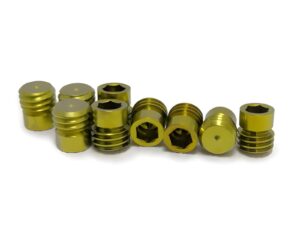
Indoor products are not subjected to constant exposure to sunlight, rain, and outdoor weather conditions. This gives manufacturers the flexibility to dye a greater range of colors and provides them with lower exposure to the environment compared to exterior applications.
Electronic housings, lighting products, furniture fittings, and display equipment are frequently available in black, blue, red, gold, green, and champagne finishes.
Outdoor Products
Outdoor aluminum components are normally exposed to sun, moisture, and seasonal weather conditions throughout their service life. Window systems, curtain walls, railings, exterior panels, and architectural profiles are often finished in black, bronze, and champagne.
Exterior aluminum is also commonly specified to be electrolytically colored due to its good colour stability.
Decorative Products
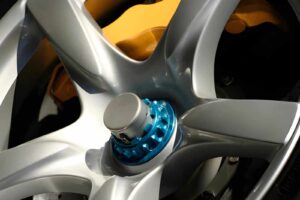
Many aluminum parts are decorative, so the anodized color is often selected to match the overall product design. Nameplates, trim pieces, consumer goods, lighting fixtures, and display elements are frequently made with gold, black, blue, red, and champagne.
Depending on the surface finish chosen, this affects the appearance, as different surfaces reflect light differently.
Industrial Components
Natural, black, and bronze finishes are the most commonly used finishes for industrial equipment. These colours are often used for machine covers, housings, structures, control panels, and automation systems. The finish chosen is usually specified in the product drawing to ensure that the product looks the same during production.
Why Choose YD Rapid for Anodized Aluminum Parts?
Customers usually send us more than a color requirement. They also specify the aluminum alloy, surface finish, dimensional requirements, and application of the part.
Our engineering team reviews these details before production so the machining process and anodizing specification work together. YD Rapid manufactures custom aluminum components through CNC machining and complete surface finishing services, including anodizing.
We support prototype development, low-volume production, and large manufacturing orders for industries such as electronics, automation, robotics, medical equipment, and industrial machinery.
Whether your project requires natural anodizing, black finishes, bronze architectural colors, or custom color samples, our team works from your drawings and specifications to produce finished parts that meet your project requirements.

FAQ’s
Can one anodized color look different on two aluminum alloys?
Yes, different aluminum alloys do not react to anodizing in the same way. Even if the same color specification is used, the finished appearance can vary slightly because each alloy forms the anodized layer differently. For projects with strict color requirements, manufacturers often test the selected alloy before production.
Why does a polished surface look different from a bead-blasted surface after anodizing?
Anodizing does not change the original surface texture. A polished surface reflects more light and appears brighter, while a bead-blasted surface creates a softer, matte appearance. The color remains the same, though the surface finish changes how it is seen.
Should I approve a color sample before production starts?
Yes, an approved sample is used as the reference for the customer and the manufacturer before production. It also eliminates confusion when inspecting, as the finished parts are checked against the approved sample rather than a printed colour chart or a digital image.
Can replacement parts match anodized parts produced several years ago?
They can be produced with a similar appearance if the original production records are available. Typical points that manufacturers consider before initiating repeat orders are the alloy grade, anodizing specification, surface finish, and approved sample. This will serve as a good standard when production occurs in the future.
Can one part include polished and matte anodized surfaces?
Yes, there are products where one surface finish has been applied to one part of the product, while another has been applied to another part to get a certain look or to emphasize some features. Because the polished surfaces have different reflection characteristics than the matte surfaces, the color may be slightly different, although the anodizing process is identical for both.
Does anodizing change the appearance of CNC machining marks?
No, anodizing follows the existing aluminum surface and does not hide machining marks. If a smoother appearance is required, polishing, brushing, bead blasting, or another surface-preparation process is usually performed before anodizing.