Introduction
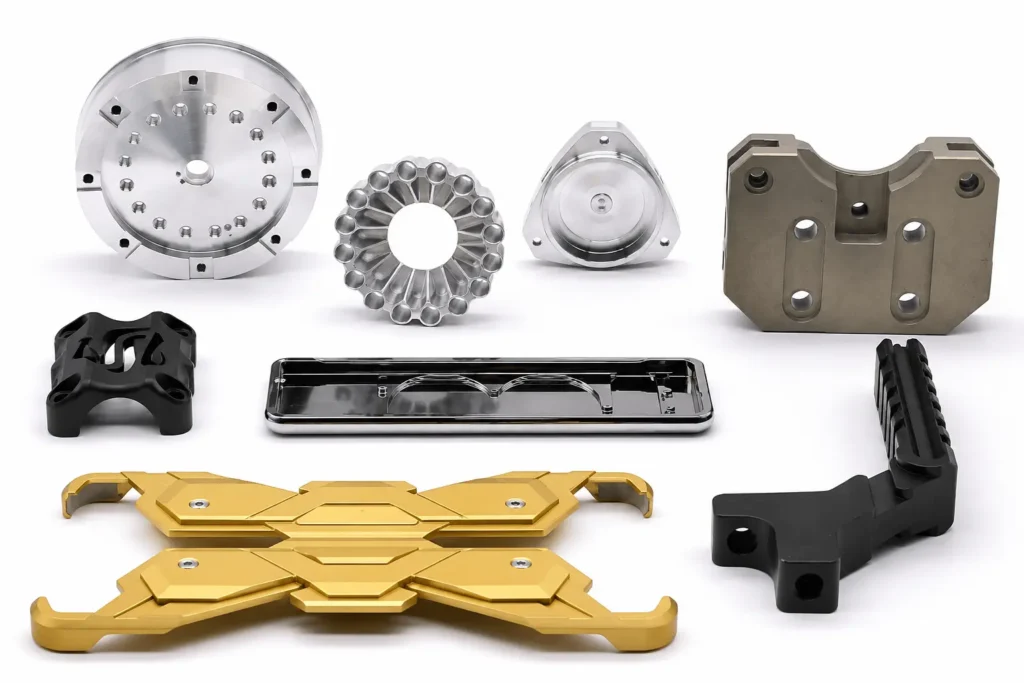
Brass CNC machining has become a very popular process in today’s manufacturing world. Brass is a popular material for shops that require producing accurate components in a short time. This metal is a combination of copper and zinc. It is bright gold in color and very easy to cut. It is used in factories for making electrical parts, plumbing fittings, car parts, and medical tools. It is also suitable as a decorative product as it is visually appealing.
With a CNC machine, you need to use a material that doesn’t break your tools. Brass is soft but strong enough for many jobs. It aids the machine in operating at a rapid speed without stopping. That means that workshop owners do not have to spend a lot of money. The process works well with the appropriate material properties and cutting speeds. This guide will teach you all about this metal.
Key Takeaways
- Brass CNC machining offers excellent machinability for all types of shops.
- Brass is suitable for high-speed CNC processing and can save a lot of time.
- Brass forms less tool wear than a variety of metals, such as steel.
- Brass is good for precision industries such as the medical and electronics industries.
- Appropriate cutting parameters increase the quality and productivity on the shop floor.
Why Is Brass a Popular Material for CNC Machining?
There are many machinists who prefer to work with brass. When you question them about why brass is good for CNC machining, they will say that it cuts like butter. It doesn’t produce long, dangerous chips that entangle around the spinning tool. Instead, it has small chips that can be tossed away. This helps to maintain a clean and safe work area.
Composition and Material Characteristics
The brass is an alloy of mainly copper and zinc. A small amount of lead can make cutting the metal easier. The atoms in brass allow the cutting edge to slide through without much friction. This will ensure that the machine uses less power than normal.
Strength, Corrosion Resistance, and Conductivity
Even though it is easy to cut, brass is very tough. This is ideal for outside valves and water pipes. It is also a good conductor of electricity. Brass is commonly used for wire connectors and switch parts, as it conducts electricity well.
Industries That Commonly Use Brass Components
Many big industries buy brass parts every day.
- Electronics: For plugs, terminals, and computer connectors.
- Automotive: Fuel sensors, brake valves, and air systems.
- Plumbing: Water taps, pipe joints, heavy valves.
- Aerospace: In aircraft, small gears and bushings.
- Medical: Instruments and parts for medical devices. Companies look for brass machining for medical devices because the metal can be cleaned easily and does not spark.
What Is the Machinability Rating of Brass?
The standard grade of brass is called Alloy 360, and is rated at 100 percent. This is the starting number. All other brass is compared to this one.
Understanding Machinability Ratings
A high rating means the metal is easy on tools and cuts fast. If a metal has a rating of 50 percent, it takes twice as much effort to cut as brass. Brass sits at the top of the list for common manufacturing metals.
Common Brass Grades and Their Ratings
- C360 Brass: This is free-cutting brass. Its rating is 100%. It contains a small amount of lead to help break chips.
- C364 Brass: This is used for tubes and has a rating of around 80%.
- C464 Brass: Also called naval brass. It resists salt water and has a rating of 30%. It is harder to cut but very strong.
Benefits of High Machinability
High ratings mean you can run your CNC machine at top speed. Your tools will stay sharp for a long time. You will not have to stop the machine to change broken drills or end mills. This saves money and helps you finish jobs faster.
Table 1: Machinability Comparison
As you can see, brass machinability compared to aluminum is higher, making brass easier to process. When you look at brass vs stainless steel machinability, brass is much easier to cut and causes far less tool wear.
| Material | Relative Machinability Rating | Tool Wear | Surface Finish Quality |
|---|---|---|---|
| Brass (C360) | 100% | Very Low | Excellent / Shiny |
| Aluminum (6061) | 80% | Low | Good / Clean |
| Stainless Steel (304) | 45% | High | Fair / Needs Care |
How Does Brass CNC Machining Work?
Brass CNC machining is a process that involves taking a piece of raw brass and transforming it into a finished part through computer-controlled commands. The computer instructs the cutting tool on the precise direction to take.

Material Selection
The first step is for the machinist to choose the correct bar or block of brass. They choose C360 brass for most of their fast jobs. The metal is securely and tightly placed into the CNC machine, which does not shake.
CNC Turning Operations
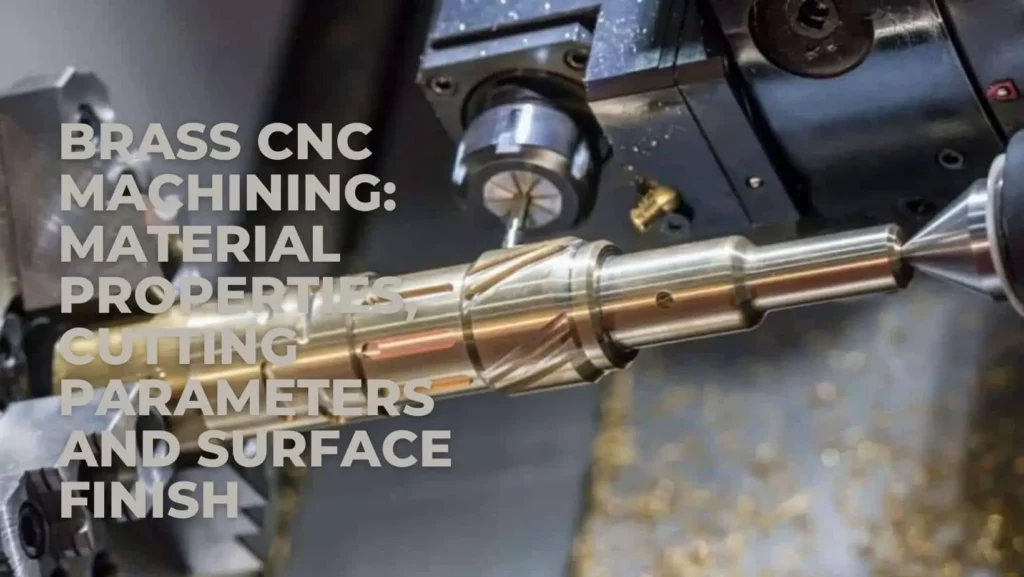
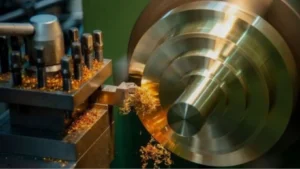
The brass bar rotates at a high speed in a lathe. A sharp tool is used to grind pieces of metal from the spinning bar. How to cut brass on CNC lathes without making a mess is something that people often wonder. The secret is to ensure the tool remains at the proper angle to ensure that the small chips fly straight into the bin.
CNC Milling Operations
In a milling machine, the sharp cutter is spinning quickly above the brass, which is stationary. The tool cuts left, right, up, and down to create shapes, slots, and pockets.
Drilling and Threading Processes
CNC machines can drill brass at a very high speed with clean holes. The machine is capable of creating internal threads after drilling with a tap.
What Cutting Parameters Are Used for Brass Machining?
By being aware that the parameters are the settings that you dial into the computer, such as speed and depth, you can achieve the best results.
Cutting Speed Selection
Then, what is the cutting speed of brass? In free-cutting brass, the speed of cutting may be from 300 to 1000 feet per minute. If you’re operating on a carbide tool, you can go to the upper end of this spectrum. The high speed is important to properly slice through the metal.
Feed Rate Recommendations
Feed rate is the rate at which the tool moves over the material. An optimal feed rate for brass machining keeps the chips at a good thickness. If you go too slow, the tool rubs and becomes hot. Be careful not to move too quickly, as you may damage the tool. A milling feed between 0.005 and 0.010 inches per tooth is normal.
Depth of Cut Considerations
Brass is not resistant to the tool, so deep cuts can be made. It is possible to cut deeply to remove metal quickly in roughing operations. In the finishing stages, you make shallow cuts for a beautiful finish.
Coolant and Lubrication Requirements
However, a light oil or water mist may be helpful to clean chips from deep holes and to keep the tool cold.
Table 2: Recommended Brass Machining Parameters
Operation | Cutting Speed | Feed Rate | Depth of Cut |
|---|---|---|---|
| Turning | 400 – 800 SFM | 0.004 – 0.012 IPR | 0.020 – 0.150 inches |
| Milling | 500 – 1000 SFM | 0.005 – 0.010 IPT | 0.010 – 0.100 inches |
| Drilling | 200 – 400 SFM | 0.002 – 0.008 IPR | Full hole depth |
Which Cutting Tools Produce the Best Results in Brass Machining?
Choosing the right tool ensures your brass parts come out perfect. The best carbide tools for brass machining feature sharp edges and specific polished faces that prevent the metal from sticking.
Carbide Cutting Tools
Carbide is a very hard material. Tools made of carbide last much longer than high-speed steel tools. They can stand up to high speeds without melting or wearing down on the corners.
Tool Geometry Considerations
Tools for brass should not have a steep angle. A zero or slightly negative rake angle works best. This prevents the tool from digging too deep into the soft metal and pulling itself forward, which can cause chatter marks.
Tool Maintenance and Wear Control
Even though brass causes little wear, you must still check your tools. Dull tools can leave rough edges and change the final size of your part.
Here are the primary tool types used for this process:
- Solid carbide end mills: These are perfect for side cutting and creating flat pockets in mills.
- Carbide inserts: These are used on lathes for fast outer turning and face cuts.
- Twist drills: These make straight, deep holes quickly.
- Reamers: These smooth out the inside of drilled holes for tight fits.
- Thread mills: These cut perfect internal or external threads using spiral motions.
What Is the Standard Surface Finish for CNC-machined brass parts?
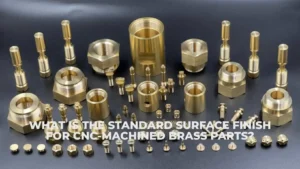
Surface finish refers to how smooth the metal feels after cutting. So, what is the standard surface finish for CNC brass parts? Usually, parts come out looking bright and smooth without any extra work.
Surface Finish Measurements
Engineers use a micro-inch value called Ra to measure roughness. A lower Ra number means a smoother surface.
Common Roughness Values
The typical standard for a machined brass part is around 63 micro-inches Ra. A slow final feed rate and the appropriate tools can easily achieve a surface roughness of 32 micro-inches Ra. This is considered the best surface finish for CNC-machined brass parts straight off the machine tool.
Factors Affecting Surface Quality
To meet the brass roughness standards, the machine used must be rigid to prevent vibrations, which cause undulations referred to as chatters. Use of sharp cutting tools and appropriate speeds will guarantee a mirror-like finish all the time.
What Are the Main Applications of CNC Machined Brass Components?
Brass is found in numerous everyday products due to its many desirable properties. Let’s take a look at where these parts end up, once they leave the shop.
Electrical and Electronic Parts
Check inside an electrical plug or a breaker switch. All pins, screws, and clamps are typically constructed of brass.
Plumbing and Fluid Systems
The reason for using brass in water systems is that it does not corrode and thus protects it. CNC lathes are used daily to shape the heavy nuts, pipe adapters, water meters, and valve stems.
Medical Equipment Components
Engineers use brass machining for medical devices because the components are reliable, precise, and can handle regular sterilization.
Decorative and Consumer Products
Brass bars are used to make clock gears, luxury door handles, musical instrument keys, and personalized jewelry. The gold finish creates a luxurious effect that doesn’t cost as much as using gold metal.
Conclusion
All in all brass CNC machining is still an important process in contemporary factories. It provides an ideal combination of speed, strength, and beauty. High performance results in low tool wear and production costs. Shops can attain really outstanding surface finishes with the right tools, feeds, and even simple deburring techniques. Brass is a proven and excellent material for the manufacture of electronics, plumbing, and medical parts throughout the world.

The best machining approach depends on more than the material name alone. Brass grade, part geometry, tolerance, thread details, surface requirements, and production quantity must be considered together. YD Rapid can evaluate these factors before production and recommend a practical machining plan for your brass components.
Frequently Asked Questions
What is the cutting speed for brass?
The cutting speed for brass is very fast. It usually runs between 300 and 1000 feet per minute. Using hard carbide tools lets your CNC machine run at the highest speed to cut the shiny metal safely and cleanly.
What is the machinability rating of brass?
The machinability rating of standard brass is 100 percent. This high score means it is the easiest metal to cut. Engineers use this number as a base to score how hard or easy it is to cut other metals.
How to polish CNC-machined brass?
First, clean off all the oil and dirt. Next, rub the metal part against a fast-spinning cloth wheel. Use a smooth buffing wax on the wheel to get a bright mirror look. Finally, spray clear lacquer to stop rust.
How to reduce burrs when machining brass?
You can reduce burrs by using a very sharp tool. Make sure the tool does not push the metal too hard. You should also change the path of your tool or make a light clean-up pass to slice edges clean.