
The finish on your metal components is a big decision when fulfilling an order. Most clients and buyers want their new components to be durable, presentable, and cost-effective. When it comes to CNC services, anodizing vs powder coating are the two most compared options. Both finishes will protect the metal through their processes.
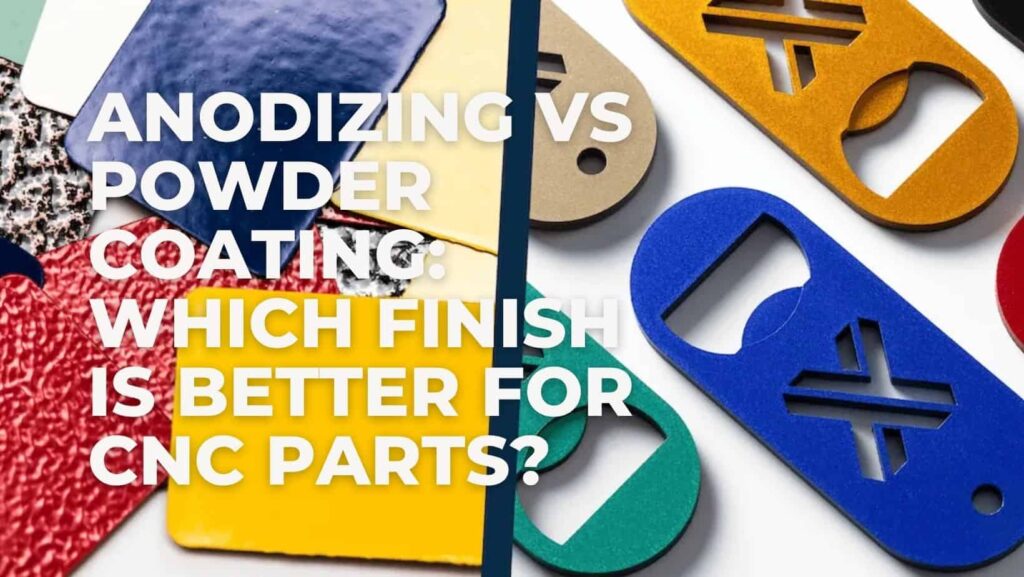
Anodizing vs powder coating are common in the car, airplane, and electronic industries. Anodizing forms a hardened surface within the metal, and powder coating builds up a hard surface on top. Depending on what you choose, the part will perform differently against rust and scratches.
In this guide, you will learn about anodized coatings and powder coating vs anodizing. This will help you make the right choice for your next big project.
Key Takeaways
- Anodizing vs powder coating CNC choice depends on your part’s environment.
- Anodized coating is part of the metal and will not chip or peel.
- Powder coating vs anodizing durability favors powder for impact and anodizing for scratches.
- Anodized vs powder coated aluminium cost varies based on batch size and color.
- Anodizing is best for tight tolerances, while powder coating offers more colors.
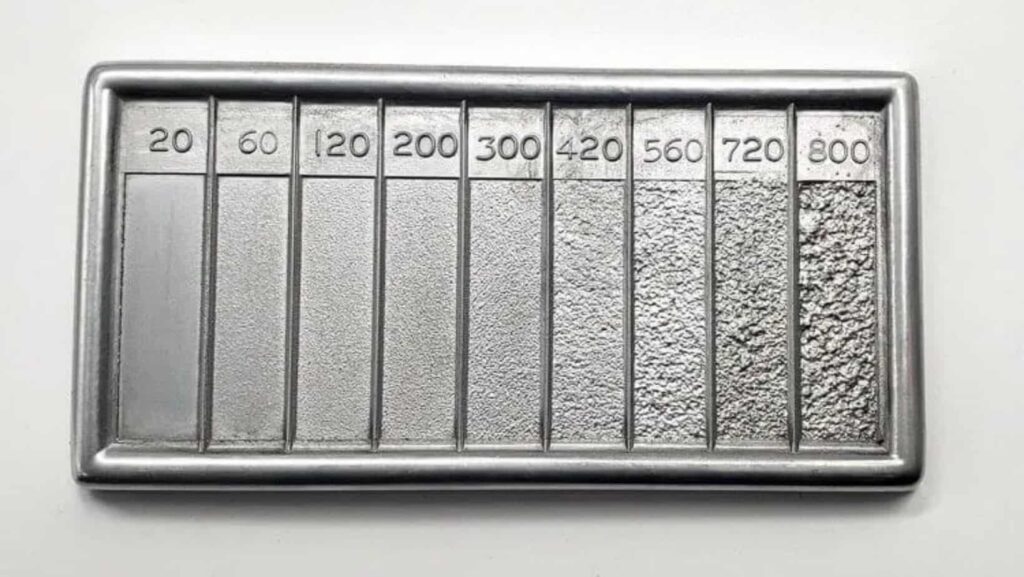
Why Does Surface Finishing Matter for CNC Parts?
CNC machines often leave parts that are bare and uncoated, with just the raw metals. Leaving parts raw could lead to several issues. Hence, finding the best ways for anodizing and powder coating is a priority for engineers.
Protection Against Corrosion
Aluminum and steel corrode from salt, water, and air. A robust anodized coating is a barrier. It prevents rust and the metal from corroding over time. Without a certain finish, parts could fail much earlier than their anticipated time.
Better Wear Resistance
For parts that interact with other parts, their coating needs to be tough. When considering powder coating vs anodizing durability, both offer a certain coating that offers protection and increases resistance to rubbing and friction for regular use.
Improved Product Appearance
Part appearance has become more important in modern business interactions. A good finish allows different business products to stand out. Customers often associate a good finish with good product quality.
More Durable Products
The durability of a finished part is greater in comparison to an unfinished part. Replacing unfinished parts is costly to the business.
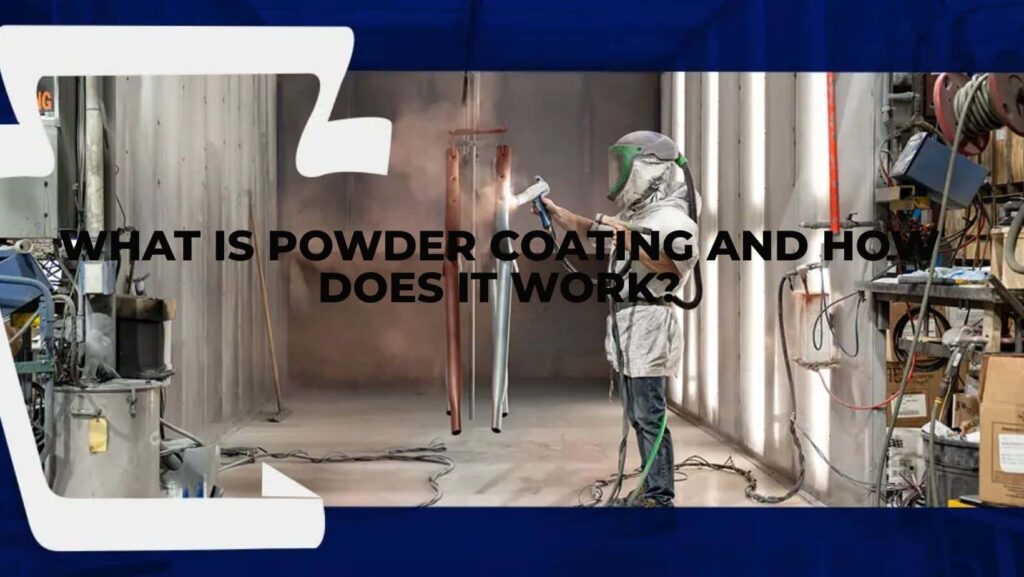
What Is Powder Coating and How Does It Work?
It is a finishing process where a powder is sprayed onto a metal part. The part is then put in an oven to melt the powder into a smooth and hard layer.
Powder Coating Process
- Spraying: The powder is shot at the part using an electrostatic gun. The powder then sticks to the part like a magnet.
- Cleaning: The part is washed to get the grease off to ensure an even coat.
- Curing: The part is put in a hot oven where the powder then flows and bonds to the metal.
Materials Used in Powder Coating
Can you powder coat aluminum? Steel and stainless steel can be powder-coated using finish thermoplastics or thermoset polymers.
Color and Texture Options
One reason people look for powder coating near me is for a huge range of colors. You can get any color coating with decorative or protective coatings. You can get a smooth, glossy or matte coating. You can even get textures, like sand or wrinkles.
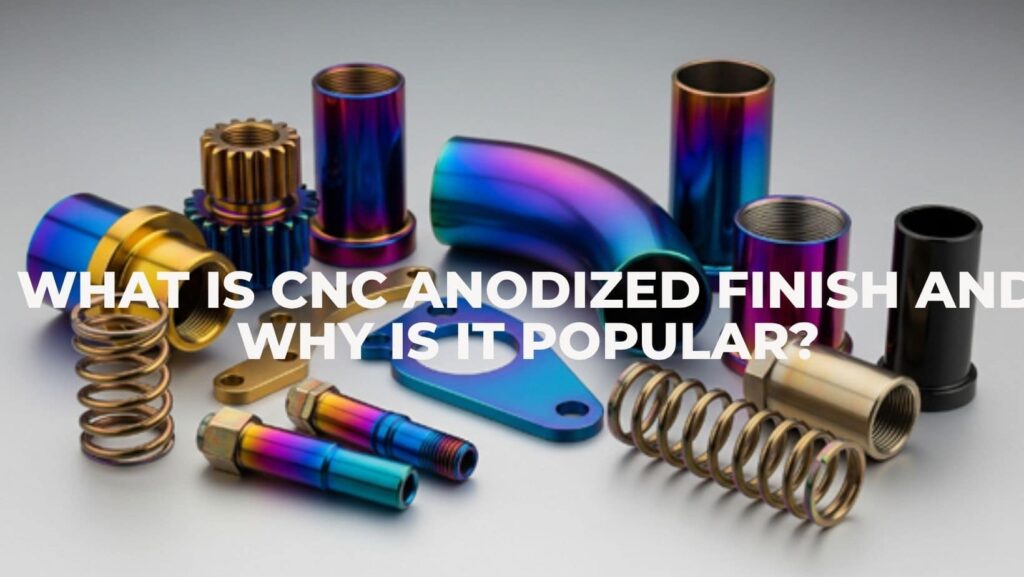
What Is CNC Anodized Finish and Why Is It Popular?
It’s an electrochemical process that uses an acid bath and electric current to transform the surface of aluminum into a layer of oxidized aluminum. Unlike paint, which stays on top of the aluminum, anodization becomes part of the aluminum. Additionally, during the anodization process, the surface of the aluminum becomes porous to allow for dye to be absorbed, and after the dye is added, the surface is sealed to lock in the color and protect the aluminum.
One of the many benefits of anodization for aluminum parts is that the coating cannot be peeled off because it is part of the metal. Anodization also preserves the aluminum’s natural color. That is why many aluminum products, such as cellular devices, laptop cases, and aerospace parts, are kept anodized.
How Does Anodizing vs Powder Coating Compare for CNC Parts?
To compare anodizing vs powder coating, you need to consider the specifications. For some things, like car bumpers, powder coating might be better, while for others, like small gears, the other anodizing might be better.
| Feature | Anodizing | Powder Coating |
|---|---|---|
| Primary Material | Aluminum, Titanium | Most Metals |
| Thickness | Very Thin (0.5 to 2.5 mils) | Thick (2 to 6 mils) |
| Color Choice | Limited (Metallic tones) | Almost Infinite |
| Texture | Smooth/Metallic | Smooth, Matte, Wrinkle |
| UV Resistance | Excellent (Does not fade) | Good (Can fade over the years) |
| Peeling | Will never peel | Can chip or peel if hit |
| Tolerances | Keeps exact dimensions | Can change part size |
Surface Protection
Anodizing vs powder coating can also depend on safety. Anodizing is very hard and will resist scratches from even sand or grit. Powder coating is more like a rubbery shell and will withstand a good deal of hits and bumps.
Appearance and Finish Quality
If a tech look is what you are going for, go with anodized vs powder coated. It looks like metal. If a certain brand color is all you need, like a bright “Safety Orange”, powder coating is the hands-down choice.
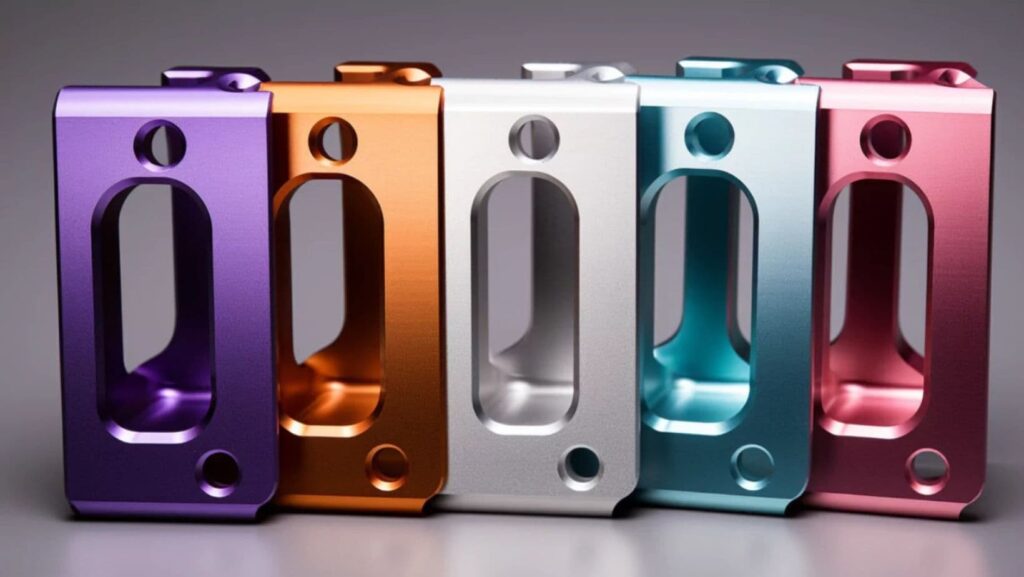
Is Anodizing Stronger Than Powder Coating?
Buyers are asking about anodizing and powder coating strength comparisons; which one is stronger?
Scratch Resistance
Anodizing is much more difficult than powder coating. Anodizing has a hardness comparable to that of sapphire. This means that it is much more difficult to scratch anodizing than it is to scratch powder coating with a key or tool. Comparing powder coating vs anodizing durability, anodizing wins again with hardness and surface durability.
Impact Resistance
If you drop a heavy tool on the part, anodized vs powder coated parts react differently. Imagine you dropped a heavy tool on any machine’s part and it broke. In the case of a part that is anodized, it will likely break along with the tool. A powder-coated part will likely just get a dent.
UV and Weather Performance
Anodized coatings will not scrape away, and powder-coated parts do not tend to rust. However, a part that has been coated with a low-quality powder can still be damaged by UV radiation.
What Are the Disadvantages of Anodizing?
While it is great, there are some disadvantages to anodizing you should know.
- Limited Color Choices: You cannot get bright neon colors or whites easily.
- Material Restrictions: It really only works well on aluminum and titanium.
- Possible Color Variation: If you have two different batches of aluminum, the color might look slightly different after treatment.
- Cost for Small Batches: It can be expensive to set up the chemical tanks for just one or two parts.
Even with these, many still prefer the anodized coating for its sleek, professional feel.
Is Anodizing More Expensive Than Powder Coating?
Buyers need to budget for the things they need to get high-quality parts. How do anodizing and powder coating pricing compare? For smaller quantities, anodizing tends to be more expensive.
How much does it cost to powder coat something?
First, know that the cost is the lowest when the design is simpler. However, anodized vs powder coated aluminum costs keep the prices competitive when working with higher quantities.
| Cost Factor | Anodizing | Powder Coating |
|---|---|---|
| Initial Setup | High | Medium |
| Batch Production | Low (Cheaper in bulk) | Medium |
| Labor Cost | High (Chemical handling) | Medium (Manual spraying) |
| Rework Cost | Very High (Must strip acid) | Low (Sand and respray) |
| Long-term Value | Excellent (Lasts decades) | Good (May need touch-up) |
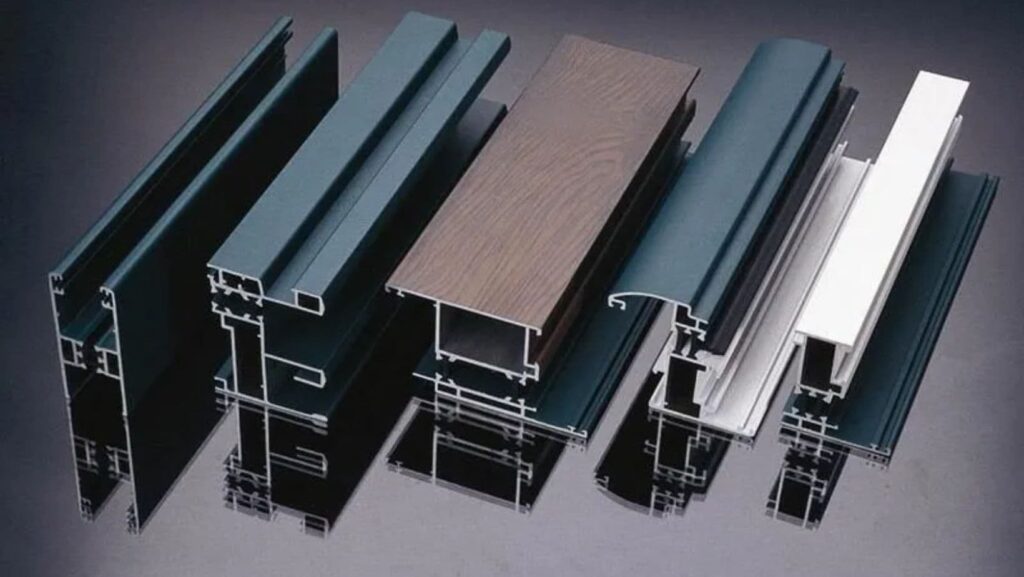
How to Powder Coat Over Anodized Coating?
At times, you may want to change an old part. You can, but you have to be cautious. If you don’t sand it, the powder can easily slide along the smooth anodized coating. Understanding how to powder coat over the anodized coating is useful when you want the anodizing durability combined with the color of powder.
- Clean it: Use a degreaser to remove all oils.
- Sand it: You must scuff the surface. The powder needs something to “grab.”
- Prime it: Sometimes a special primer helps the bond.
- Spray and Bake: Apply the powder as usual.
Why Do Engineers Choose Powder Coating for Fast Production?
Engineers often search for “powder coating near me” to save time. Engineers prefer powder coating because it cures much faster than liquid paint. Parts can be handled right after they cool down. This increases efficiency on the assembly line while lowering the operational bottom line due to the time savings on production.
Faster Turnaround
Because powder coating is a dry finishing process, once the part has cooled from the oven, it is ready for shipment. This is one of the best solutions for the management of anodizing and powder coating services. Pick the vendor who can get the part to the customer the fastest.
Easier Quality Checks
It is very easy to see if a powder coat is wrong. Bubbles and thin spots show up and are easy to see. So, for the buyer, quality control is simple.
How to Choose Between Anodized vs Powder Coated CNC Parts?
Still not sure about anodizing vs powder coating. Use this checklist. Pick anodizing for tight fits and a hard, metallic feel. Pick powder coating for bright colors and thick protection against hits. The best choice depends on your part’s final use.
Choose Anodizing If:
- Your part has very tight sizes (tolerances).
- You want a metallic, high-end look.
- The part will be inside a machine where it might rub against other things.
- You are using 6061 or 7075 aluminum.
Choose Powder Coating If:
- You need a specific color (like your brand’s blue).
- The part is made of steel or other non-aluminum metals.
- You need to hide small scratches or tool marks from the CNC machine.
- You want a thick, protective “bumper” feel.
Conclusion
Ultimately, anodizing vs powder coating CNC finishing both have their advantages depending on the application. Anodizing wins the anodized vs powder coat debate if you need a finish that is hard, metallic, and thin. But if you’re looking for a cost-effective option that also offers protection and a variety of bright colors, powder coating vs. anodizing favors powder.
Both powder and anodized coatings offer excellent protection. Regardless of your choice, the best way to protect your CNC parts while ensuring they look good is to apply a professional finish.
Frequently Asked Questions
1. How long does powder coating last?
Powder coating usually lasts 15 to 20 years. It is very strong and resists chips or scratches. Its life depends on the weather and how well the metal was cleaned before the coating was put on.
2. Is anodizing or powder coating better?
It depends on your goal. Anodizing makes metal harder and looks like part of the surface. Powder coating offers more colors and better protection against chemicals. Anodizing is great for a metallic look; powder coating is best for bright colors.
3. How much does powder coating cost?
The price depends on the size of the part. Small items might cost $50, while large frames can cost $500. Complex shapes and special colors will increase the final operational bottom line for the project.
4. Does anodizing and powder coating protect against rust?
Yes, it acts like a shield. The thick layer keeps water and salt away from the metal. This helps stop rust from forming. It is much tougher than standard paint and keeps the metal safe for a long time.