
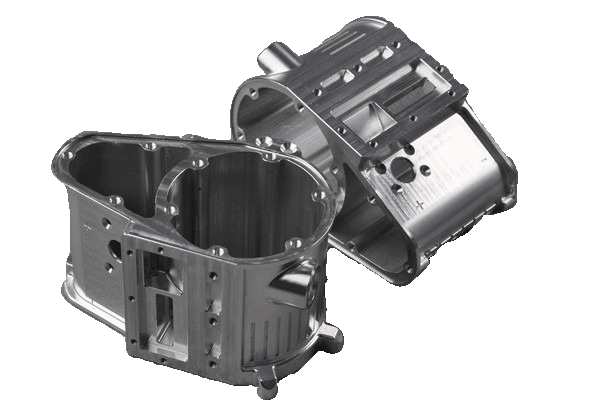
1. Introduction: What Is Metal Prototyping?
In today’s fast-paced manufacturing world, metal prototyping plays a crucial role in transforming design ideas into tangible, functional components. It allows engineers, designers, and product developers to validate performance, fit, and manufacturability before mass production.
Metal prototyping refers to the process of creating metal prototype parts that mimic the characteristics of the final product. These prototypes are often used for testing, research, and product demonstrations. Unlike plastic prototypes, which are primarily used for aesthetic or concept validation, metal prototypes are designed to withstand mechanical stress, high temperatures, and functional testing.
Metal prototyping services utilize various advanced manufacturing technologies, such as CNC machining, metal 3D printing, sheet metal fabrication, and casting, to produce accurate and durable prototypes in a range of metals.
2. Why Metal Prototyping Matters in Modern Manufacturing
The ability to rapidly produce functional prototypes is a major advantage in industries like aerospace, automotive, medical devices, and robotics. Here’s why metal prototyping is essential:
- Accelerated Product Development:
- Metal prototyping shortens the design cycle, allowing engineers to test and modify parts in real time.
- Functional Testing:
- Unlike plastic prototypes, metal versions can be tested under actual working conditions — heat, pressure, load, or friction.
- Design Validation:
- Ensures that a design not only looks right but also performs to specification.
- Customization and Flexibility:
- Ideal for low-volume production and custom metal parts manufacturing.
- Reduced Risk:
- Detect design flaws early, avoiding expensive tooling reworks or production delays.
By leveraging rapid metal prototyping, companies can bring innovative products to market faster, with higher confidence in performance and reliability.
3. Common Metal Prototyping Techniques
Metal prototyping encompasses several production technologies. Each has its strengths and is suitable for different stages of development or material types.
3.1 CNC Machining
CNC (Computer Numerical Control) machining is one of the most widely used metal prototyping methods. It involves cutting away material from a solid metal block using computer-controlled tools.
- Advantages: High precision, excellent surface finish, and compatibility with a wide range of metals.
- Common Metals: Aluminum, steel, stainless steel, brass, titanium.
- Applications: Structural components, housings, and mechanical parts.
CNC milling and turning can achieve tolerances as tight as ±0.01 mm, making it perfect for functional and performance-critical prototypes.
3.2 Metal 3D Printing (Additive Manufacturing)
Metal 3D printing, such as Selective Laser Melting (SLM) or Direct Metal Laser Sintering (DMLS), builds parts layer by layer from powdered metal.
- Advantages: Complex geometries, lightweight structures, no tooling needed.
- Limitations: Slower production and higher cost per part compared to CNC for larger batches.
- Common Metals: Aluminum alloys, titanium, stainless steel, Inconel.
This technology is transforming metal prototype manufacturing by allowing freedom of design and quick iteration cycles.
3.3 Sheet Metal Prototyping
In sheet metal prototyping, flat metal sheets are cut, bent, and formed into components.
- Advantages: Fast turnaround, low material waste, cost-effective for enclosures or brackets.
- Common Metals: Aluminum, stainless steel, copper.
- Applications: Housings, panels, covers, and chassis for electronic and industrial systems.
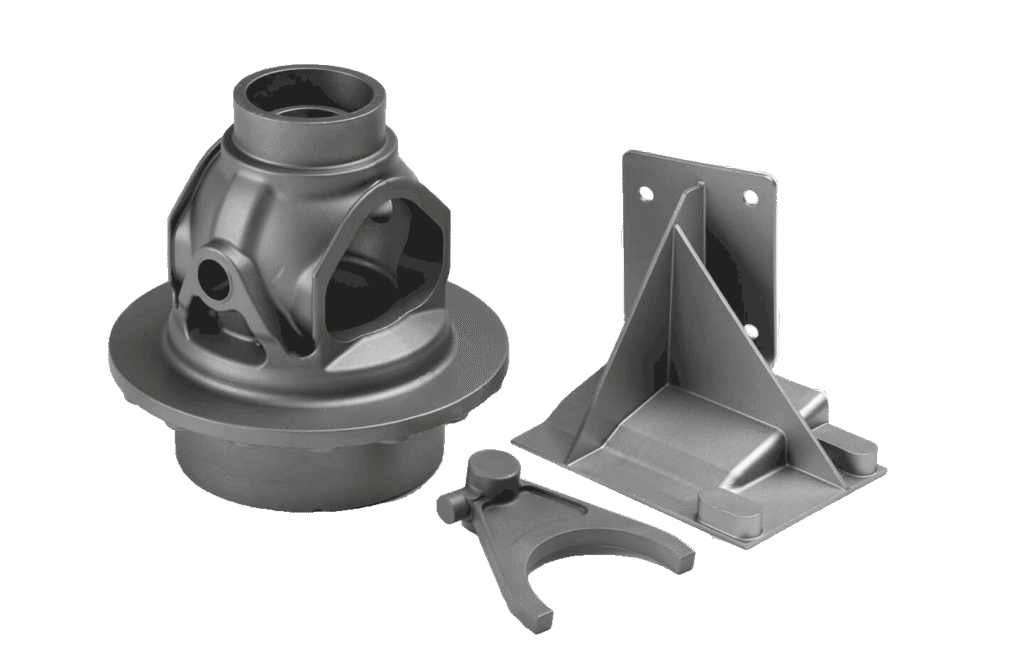
3.4 Metal Casting
Casting involves pouring molten metal into a mold to form a prototype.
- Advantages: Suitable for complex shapes, high strength, and real-material testing.
- Types: Sand casting, investment casting, and die casting.
- Best for: Early-stage testing of parts that will later be die-cast or mass-produced.
3.5 Metal Injection Molding (MIM)
This combines plastic injection molding with powdered metallurgy to create intricate metal parts.
- Advantages: Ideal for small, complex components.
- Applications: Medical instruments, gears, and connectors.
3.6 EDM (Electrical Discharge Machining)
EDM uses electrical sparks to shape hard metals like tool steel or tungsten carbide.
- Advantages: Precise detail and ability to cut extremely hard materials.
- Applications: Tooling, molds, fine mechanical parts.
4. Materials Used in Metal Prototyping
Choosing the right metal is crucial for performance testing and manufacturability. Common materials include:
Metal TypeKey PropertiesTypical Applications
Aluminum (6061, 7075) Lightweight, corrosion-resistant, good machinability Aerospace, robotics, automotive
Stainless Steel (304, 316) Strength, corrosion resistance, aesthetic appeal Medical, industrial, consumer electronics
Titanium (Ti-6Al-4V) High strength-to-weight ratio, biocompatibility Aerospace, medical implants
Brass & Copper Conductivity, machinability, corrosion resistance Electronics, decorative components
Tool Steel Hardness, wear resistance, Tooling, molds, dies
Magnesium: Very lightweight, moderate strength Aerospace, automotive
Material selection depends on mechanical requirements, environmental conditions, and cost considerations.
5. Steps in the Metal Prototyping Process
A typical metal prototyping process involves the following stages:
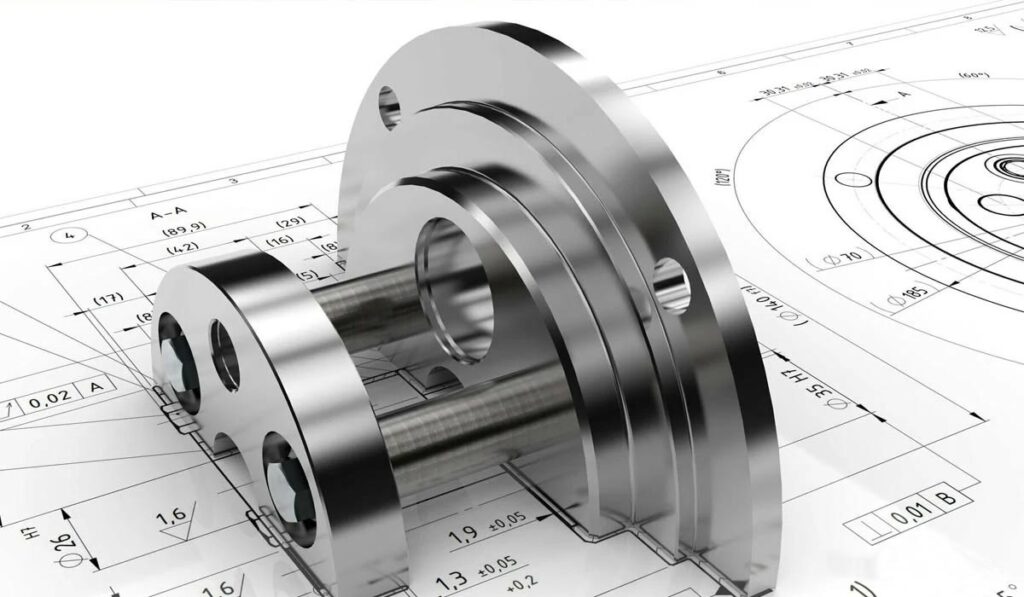
- Design and 3D Modeling:
- Engineers create digital CAD models specifying dimensions, tolerances, and materials.
- DFM (Design for Manufacturability) Review:
- The prototype design is analyzed to ensure it can be efficiently produced.
- Toolpath Generation and Setup:
- For CNC machining, CAM software generates precise toolpaths.
- Prototype Fabrication:
- Metal parts are machined, printed, cast, or fabricated using the chosen process.
- Surface Finishing:
- Processes like polishing, anodizing, sandblasting, or coating enhance aesthetics and durability.
- Quality Inspection:
- CMM (Coordinate Measuring Machine) inspection verifies dimensions and tolerances.
- Functional Testing:
- The prototype is evaluated under real-world conditions to assess performance.
6. Surface Finishing for Metal Prototype Parts
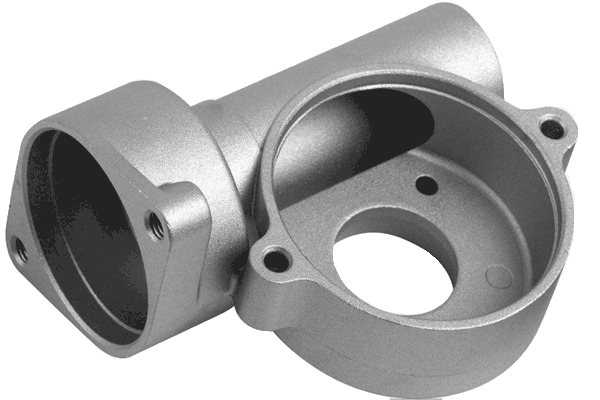
Surface finishing improves both the look and performance of metal prototype parts. Common techniques include:
- Anodizing: Adds corrosion resistance and decorative color to aluminum.
- Powder Coating: Durable, uniform finish for industrial parts.
- Polishing & Brushing: Enhances appearance and reduces friction.
- Electroplating: Adds protective or conductive coatings (nickel, chrome).
- Bead Blasting: Matte finish for aesthetics and texture uniformity.
The right surface finish depends on functional requirements and the intended end-use environment.
7. Advantages of Metal Prototyping
Metal prototyping offers numerous advantages compared to plastic or composite alternatives:
- High Strength & Durability
- Dimensional Accuracy
- Thermal & Chemical Resistance
- Functional Testing Capability
- Scalability to Mass Production
For instance, an aerospace engineer can test turbine components under heat and load conditions that mimic flight environments — something impossible with plastic prototypes.
8. Applications of Metal Prototyping
Metal prototyping services are widely used in multiple industries:
- Aerospace: Engine brackets, housings, turbine parts.
- Automotive: Structural frames, transmission parts, engine components.
- Medical Devices: Surgical instruments, implants, prosthetics.
- Robotics: Structural frames, arms, motor housings.
- Consumer Electronics: Housings, mechanical connectors, frames.
- Industrial Equipment: Gears, molds, tools, enclosures.
9. Cost Factors in Metal Prototype Manufacturing
The cost of metal prototype manufacturing depends on:
- Material type and quantity.
- Complexity and tolerances of the part.
- Manufacturing method (CNC vs. 3D printing vs. casting).
- Finishing and inspection requirements.
- Production volume.
Typically, CNC machining provides the best cost-to-precision ratio for functional prototypes, while metal 3D printing is ideal for complex geometries or lightweighting.
10. Choosing the Right Metal Prototyping Partner
When selecting a metal prototyping factory or supplier, consider:
- Technical Expertise: Experience with multiple processes and metals.
- Equipment Capabilities: Availability of 5-axis CNC machines, laser systems, and inspection tools.
- Quality Control: ISO-certified, strict inspection, and documentation.
- Delivery Speed: Ability to handle rapid prototyping with tight deadlines.
- Communication: Clear technical support and transparent pricing.
A trusted partner ensures your metal prototypes meet precision, function, and design intent.
11. The Future of Metal Prototyping
Emerging technologies continue to redefine metal prototyping:
- Hybrid Manufacturing: Combining CNC machining and additive manufacturing.
- AI-driven Design Optimization: Generative design reduces weight and material waste.
- Sustainable Materials: Eco-friendly alloys and recycled metals.
- Automation & Robotics: Streamlining production workflows.
As innovation advances, metal prototyping services will become even faster, smarter, and more sustainable.
12. Conclusion
Metal prototyping bridges the gap between concept and production. By leveraging modern technologies like CNC machining, metal 3D printing, and precision fabrication, manufacturers can rapidly create high-quality prototypes that perform like final products.
From aerospace engines to robotic components, metal prototype manufacturing empowers innovation across industries — reducing risk, shortening timelines, and ensuring design excellence.
If you’re developing a new product or need functional metal parts for testing, partnering with a professional metal prototyping service company will give you the precision, speed, and reliability needed to succeed in today’s competitive manufacturing landscape.