
The first thing that needs to be done when producing parts on the computerized machine tool is to pay great attention to the surface texture. The term used for this texture is “surface roughness CNC machining.” As far as the production of any metal and plastic parts goes, the surface is never perfectly smooth and even; there are always some ridges and valleys on it. Thus, the texture should be under control to ensure proper performance of the parts.
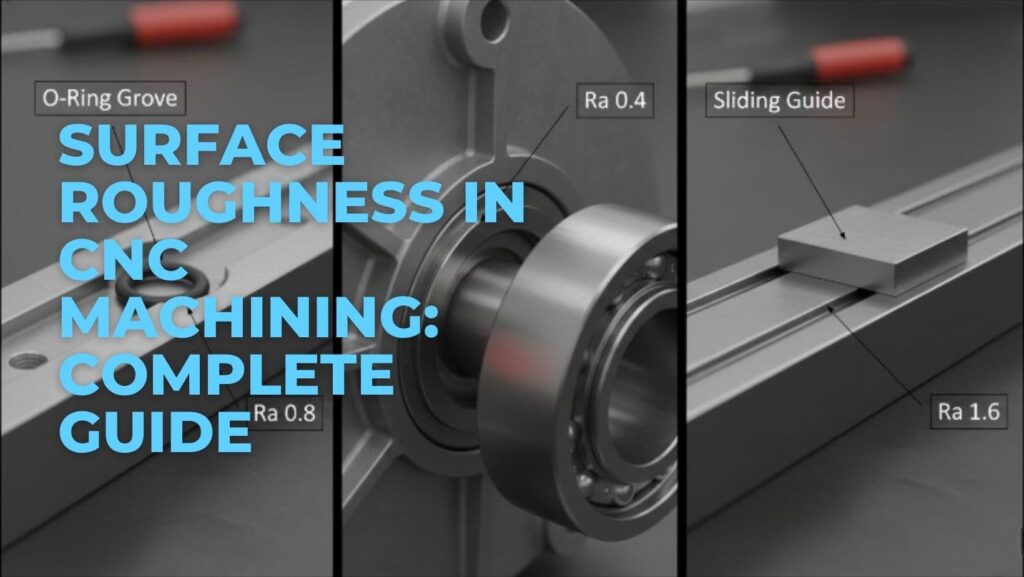
In this guide, you will learn all about CNC surface roughness. But how can it be measured, what do the numbers indicate, and how can it be altered? It saves money and allows you to make better things by knowing about the roughness average. Let’s explore this area more thoroughly.
Key Takeaways
- Surface roughness has an impact on part quality and performance.
- Ra is the most widely used measure of roughness.
- Surface finish is strongly affected by the machining parameters.
- Various industries have various roughness levels required.
- Specialized tools can be used for measuring surface roughness.
- Technologies for surface finishing can enhance part appearance and function.
Why Is Surface Roughness Important in CNC Machining?
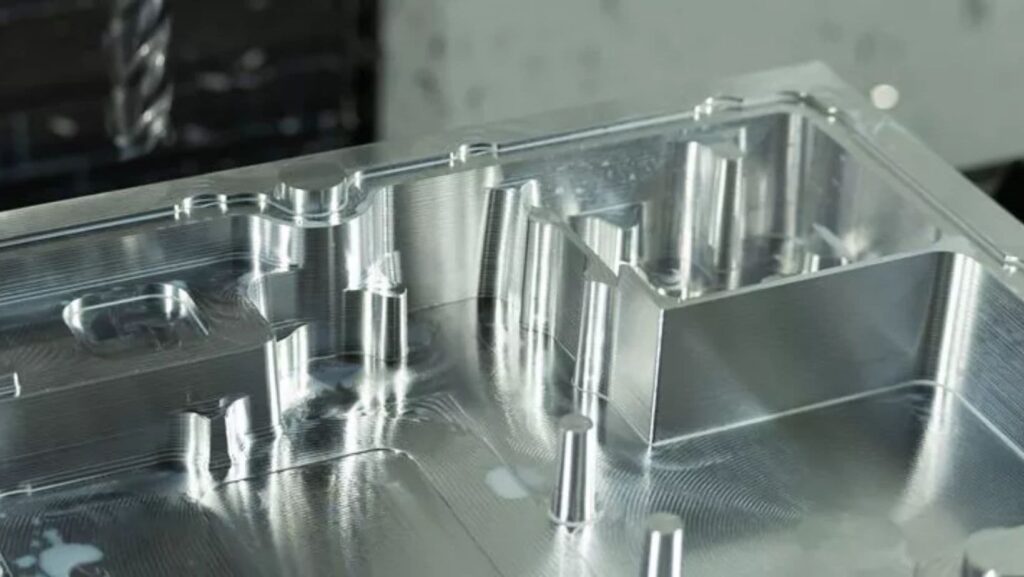
Smoothness is required if a surface is to come into contact with other surfaces under stress, because the surface may fail to remain smooth. On a rough surface, small cracks begin in the deep valleys. If a part is supported with a smooth surface, it will resist heavy loads for a longer period of time.
Effect on Wear and Friction
The CNC surface roughness is important when parts rub against each other. The high peaks on rough parts rub against one another. This motion generates heat and leads to parts wearing out quickly. A smooth surface roughness CNC machining process makes it easy for the parts to move with a smooth motion without causing any wear.
Influence on Product Appearance
Humans prefer clean and shiny-looking parts. A new part with poor surface quality appears to be an old or inferior quality part. Consumer products have a beautiful and professional appearance if they have good texture control. Also facilitates better adherence of paint or coatings on metal.
How Is Surface Roughness Measured?
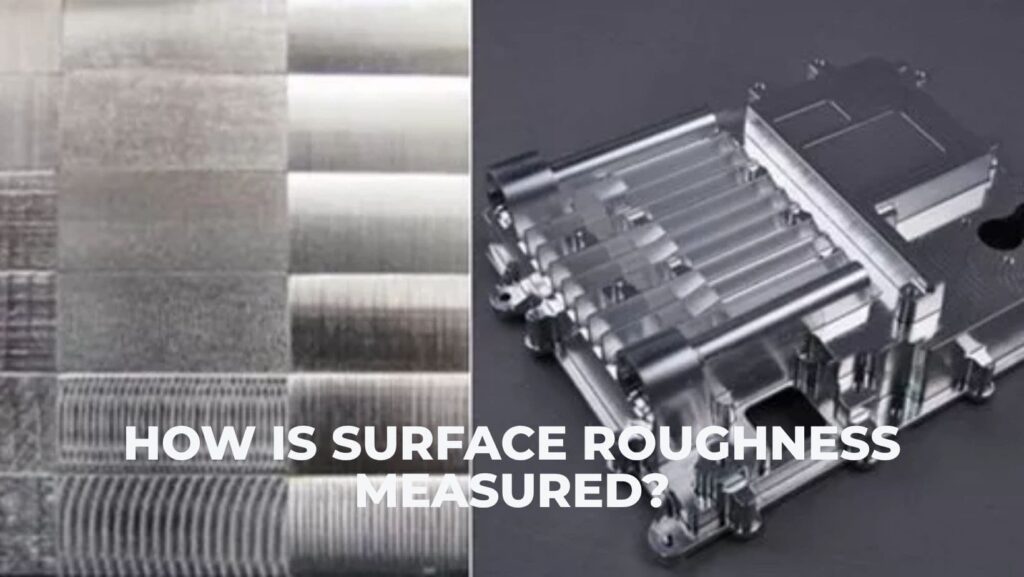
The only way to determine the texture of a part is to test it. The values are determined using a special tool called a surface roughness tester by machinists. This test will indicate whether the part conforms to the design rules.
Contact and Non-Contact Testing
There are two ways of checking a part. A tool that touches the metal or a tool that uses light can be used.
- How the part is contacted: A thin needle is used to move across the part. This needle detects all the little bumps.
- Non-contact Methods: These are based on using lasers or lights to scan the surface of the part. This is a quick method that will not damage smooth surfaces.
Understanding Measurement Results
How to measure CNC surface roughness or how to measure surface roughness on a machined part are common questions. The tools provide you with a graph of the peaks and valleys. For more information on how profilometers measure surface roughness, they record the vertical distance traveled of the needle as it moves over a specified distance.
Here are the main tools used for this job:
- Profilometers (stylus devices)
- Laser microscopes
- Optical comparators
- Surface scratch pads (for quick visual checks)
What Is Ra in Surface Roughness?
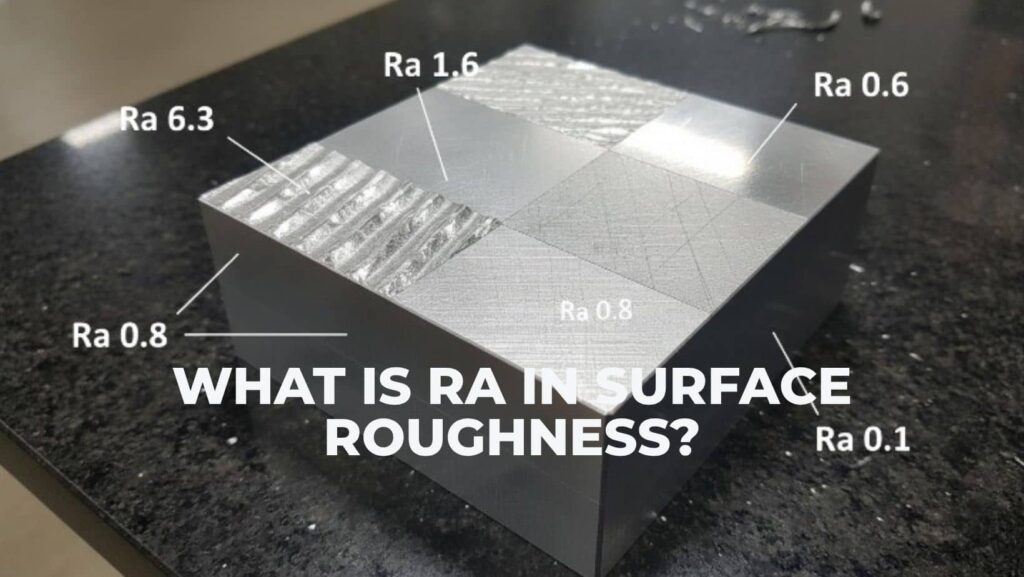
Ra stands for roughness average. It is the mathematical average of all the heights and depths on a surface line. If you want to know how RA is calculated, a tool measures many points on a surface, finds the center line, and calculates the average distance of the peaks and valleys from that center line.
How Ra Is Used in Manufacturing
Ra is the standard number used worldwide. When a customer wants a specific finish, they give an Ra number. It tells the shop exactly how smooth the part needs to be. It is the easiest way to talk about surface quality.
Difference Between Ra and Other Parameters
People also ask what is the RA value for CNC machining? While Ra gives a general average, it does not show single deep scratches. For that, machinists use Rz, which looks at the highest peak and lowest valley. To learn how to measure surface roughness Ra and Rz, you must program your tester tool to read both values during the same scan.
What Do Common Surface Finish Values Mean?
-
Understanding Ra 0.8
You might wonder, What is RA 0.8 surface finish? This is a very clean, high-quality surface. You can barely see any tool marks on it. It is perfect for parts that need to hold oil seals or slide against other pieces smoothly.
-
Understanding Ra 3.2
Another common question is, What is 3.2 RA surface finish? This value is a standard rough finish. It is easy to make quickly on a CNC machine. You will see clear lines left by the cutting tool, but the part works fine for basic brackets and frames.
Typical Industrial Applications
High-speed engine parts need very low Ra values. Simple outdoor gates can use high Ra values because the texture does not alter how they work.
| Ra Value | Surface Quality | Typical Application |
|---|---|---|
| 0.2 µm | Very Fine | Precision medical parts |
| 0.4 µm | Fine | Aerospace components |
| 0.8 µm | High Quality | Molds and tooling |
| 1.6 µm | Standard | General machining |
| 3.2 µm | Functional | Industrial components |
| 6.3 µm | Rough | Non-critical parts |
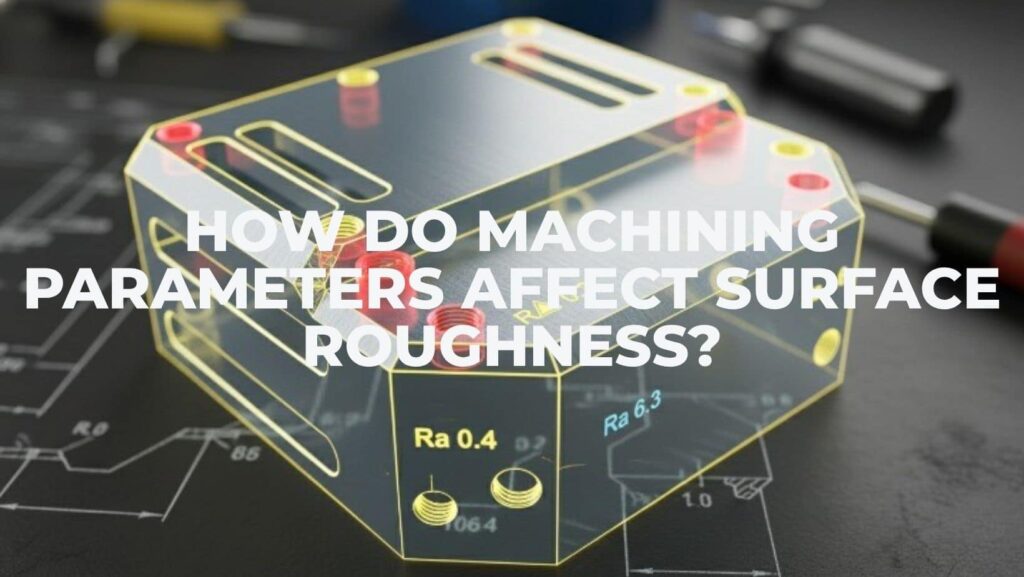
How Do Machining Parameters Affect Surface Roughness?
It should be noted that a smaller roughness average does not necessarily imply better results.
Feed Rate
The feed rate is how fast the cutting tool moves across the raw material. If the tool moves too fast, it leaves wide marks. Slowing down the feed rate makes the marks tiny, which creates a smoother finish. This is a primary factor in how machining parameters affect surface roughness?
Cutting Speed
Spinning the metal or the tool faster usually helps the cut. High speeds reduce the chance of metal sticking to the tool edge. This clean cut leads to a much lower roughness average.
Tool Condition
A dull tool tears the metal instead of cutting it cleanly. This tearing leaves a very rough surface. Using sharp, coated tools keeps the surface smooth and consistent.
Material Properties
Hard metals like steel can be cut to a very shiny finish. Soft metals like aluminum can stick to tools and drag, creating rough spots if the worker is not careful.
Factors that change roughness:
- To get a smoother surface: Lower the feed rate, use a larger tool nose tip, and increase cutting speed.
- To get a rougher surface: Increase the feed rate, use a worn tool, and cut without liquid coolant.
How Does Surface Roughness Affect Part Fitting?
When you build a machine, parts must slide into each other perfectly.
Assembly Performance
If you want to know how surface roughness affects part fitting? Imagine two rough blocks. Their high bumps hit each other, making it hard to press them together. Smooth parts slide together with exact pressure.
Seal and Contact Surfaces
If a part must hold gas or liquid, the surface must be tight. A rough texture creates tiny tunnels. High pressure forces oil or air through these tunnels, causing leaks. Smooth finishes stop these leaks completely.
Dimensional Accuracy
A very rough part might be measured as the correct size at first. But once those rough bumps wear away during use, the part becomes smaller. This change ruins the fit of the machine over time.
How Is Surface Roughness Controlled in CNC Turning?
Manufacturers must follow Surface roughness standards so that parts made in different countries fit together. These rules define how to measure and report surface textures.
-
Tool Selection
In lathe work, surface roughness in CNC turning depends on the shape of the cutting tip. A tip with a wide, round nose smooths out the valleys as it moves. A sharp, pointy tip leaves deep grooves.
-
Cutting Conditions
Using the right coolant liquid is critical during turning. Coolant washes away hot metal chips. If chips get caught under the tool, they scratch the finished surface.
-
Machine Stability
If the turning lathe shakes or vibrates, the tool will bounce. This bouncing creates ugly waves on the metal. Heavy, rigid machines produce the best finishes.
How to Specify Surface Finish on Engineering Drawings?
Using the provided information and diagrams, follow the required procedures to obtain your product.
Surface Finish Symbols
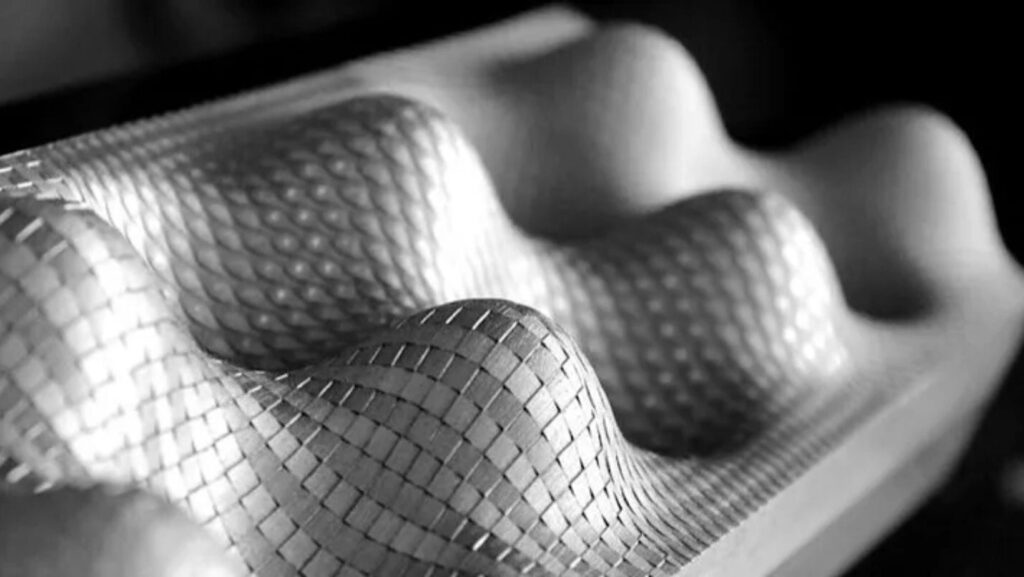
Engineers use a small check mark symbol on blueprints to show surface rules. This symbol tells the machinist exactly how to treat that face of the metal block.
Ra Callouts
Inside the check mark symbol, the engineer writes the target number. This clarifies how to specify surface roughness on engineering drawings without confusion.
Examples of drawing callouts:
- A check mark with 0.8 means the face must be smooth to Ra 0.8 µm or better.
- A check mark with a circle means the surface must stay as it came from the factory, with no extra machining.
- A check mark with a horizontal bar means material must be cut away to reach the target number.
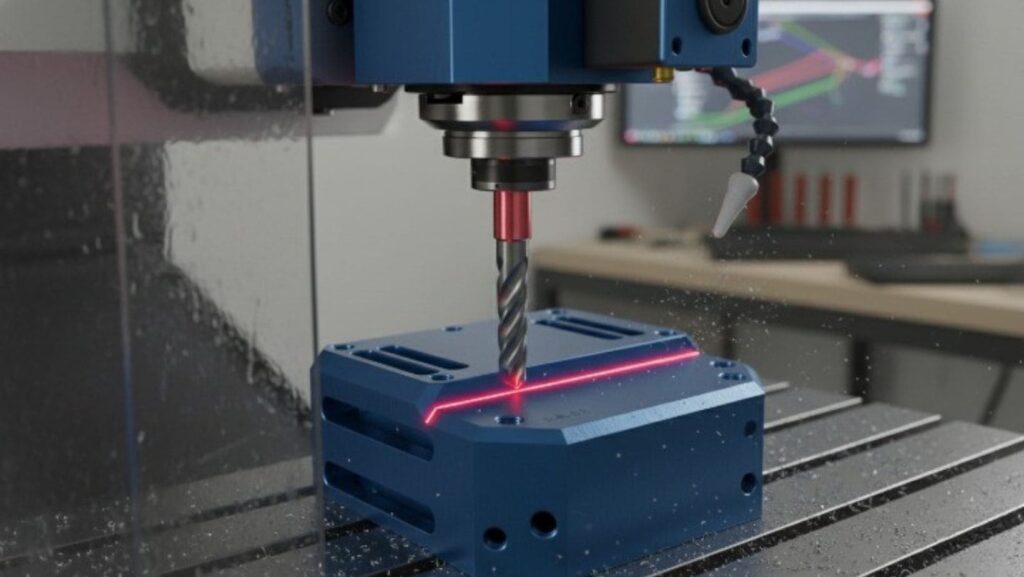
Which Are the Best Surface Finishing Techniques for CNC Parts?
Super-smooth products will cost you much more. The most optimal option would be finding a compromise between product effectiveness and manufacturing expenses.
-
Polishing
If the machine finish is not bright enough, then you may polish it. By polishing, one can make very small grooves disappear by applying abrasive pastes to fabrics.
-
Bead Blasting
Bead blasting involves spraying small glass beads on the surface under high-pressure air. It leaves behind a fantastic matte finish that hides any tool marks and burrs.
-
Anodizing
Anodizing is a chemical process used on aluminum surfaces. It forms a protective layer. Even though there’s no significant effect on the roughness, it protects from any scratching and corrosion.
-
Grinding
In grinding, a rotating wheel of stones is used to remove fine layers of the metal. Grinding is one of the best surface finishing techniques when dealing with rough, hardened steel surfaces.
| Finishing Method | Surface Quality | Cost Level | Common Uses |
|---|---|---|---|
| Polishing | Excellent | High | Decorative parts |
| Grinding | Very Good | Medium | Precision parts |
| Bead Blasting | Matte Finish | Medium | Industrial components |
| Anodizing | Protective Finish | Medium | Aluminum parts |
| Brushing | Moderate | Low | Consumer products |
Conclusion
It is vital to manage the surface roughness in CNC machining to produce quality products. It should be noted that the surface characteristics have an impact on the longevity, strength, and functionality of any material. With the help of a modern surface roughness meter, you will be able to ensure that all aspects match the specified surface roughness standards.

Frequently Asked Questions
How to specify surface finish on engineering drawings?
You draw a small check mark symbol on the part line. Inside this mark, you write the exact roughness average number you need. This tells the machine shop how smooth to make that specific area of the part.
How do profilometers measure surface roughness?
These tools use a tiny needle that slides across the metal. As the needle moves, it bumps up and down over the small peaks and valleys. A sensor tracks this movement to calculate the exact height of the rough surface.
What is the Machining surface finish chart?
This is a standard poster or card used in a machine shop. It displays different cutting tools alongside the typical smoothness numbers they can produce. It helps workers choose the best machine settings for a specific type of finish.
What tolerance and surface roughness are reasonable on a cnc?
Standard machines can easily hit a mid-range roughness of 1.6 to 3.2 microns without extra cost. Getting parts smoother than that requires a much slower cut speed. That extra production time raises the price of your part quickly.