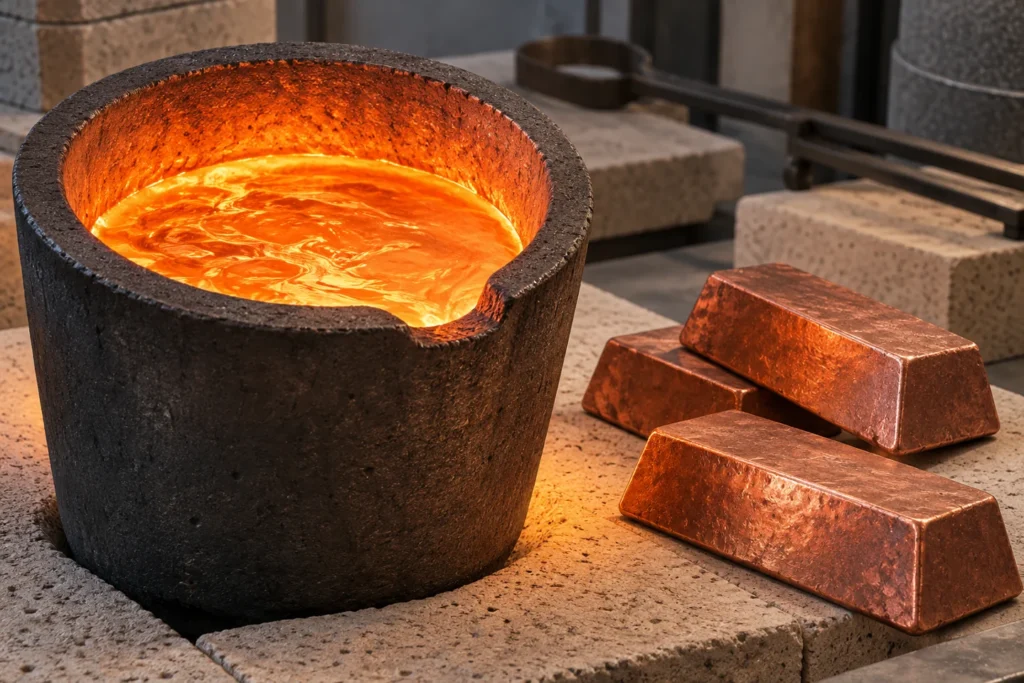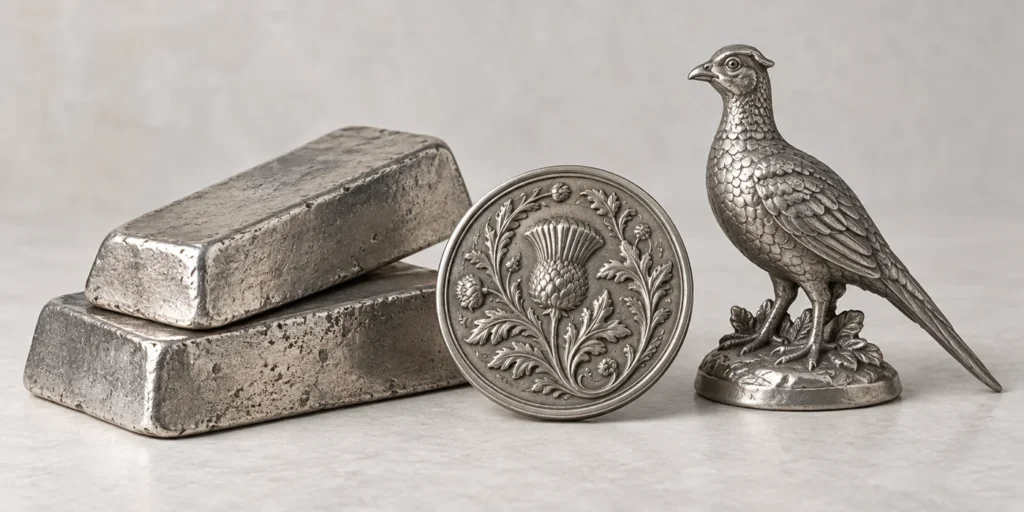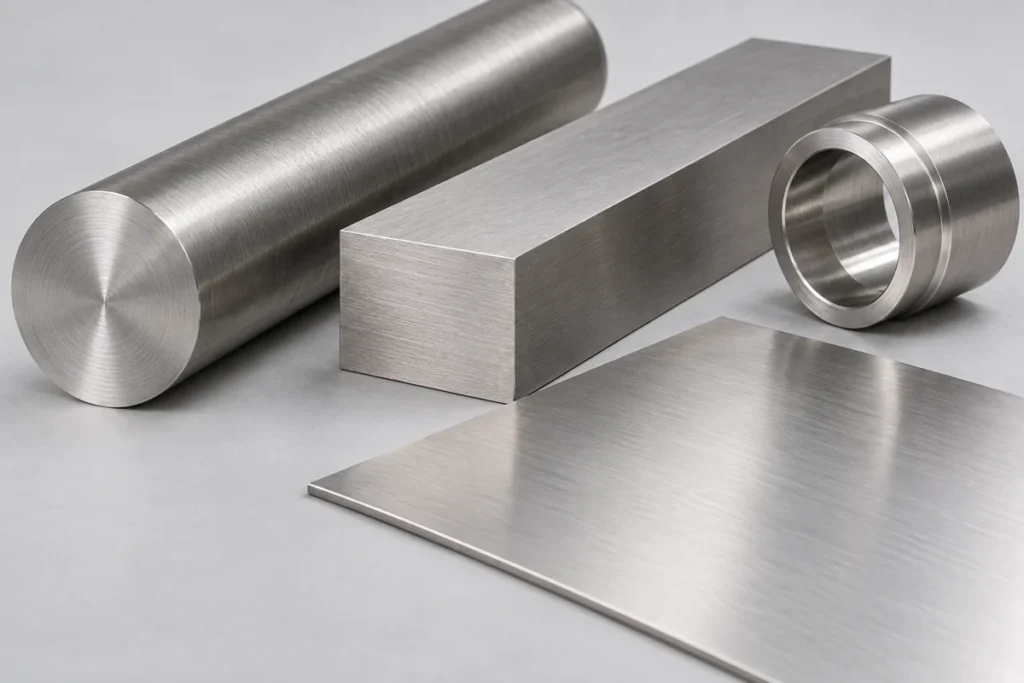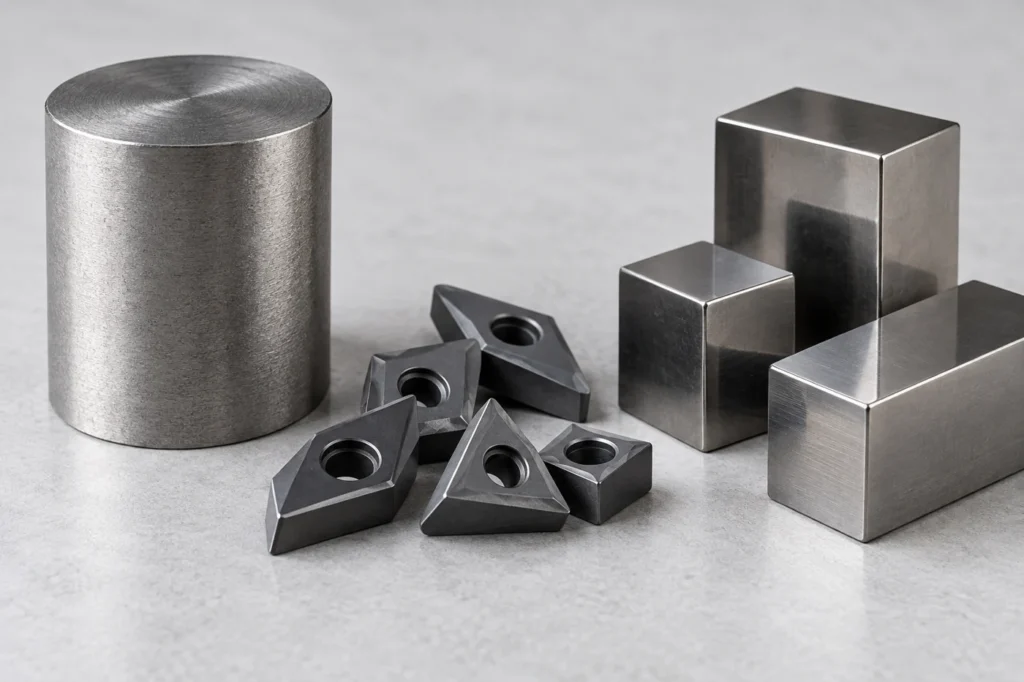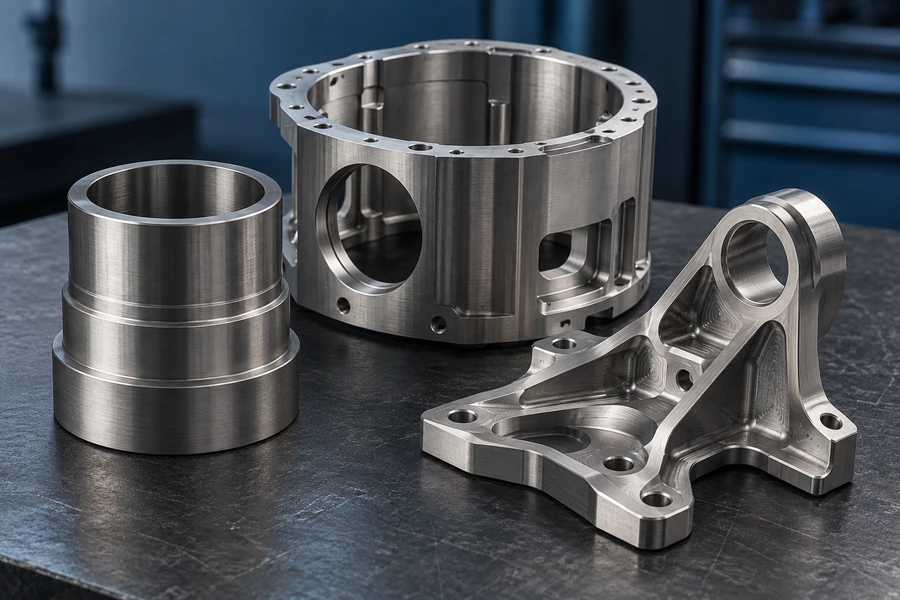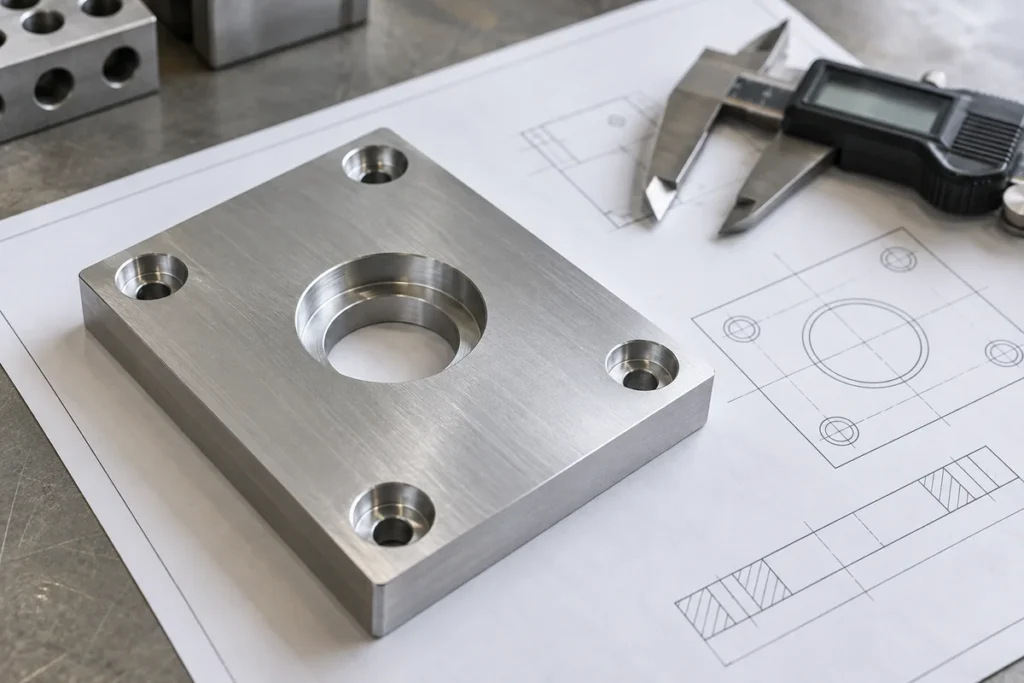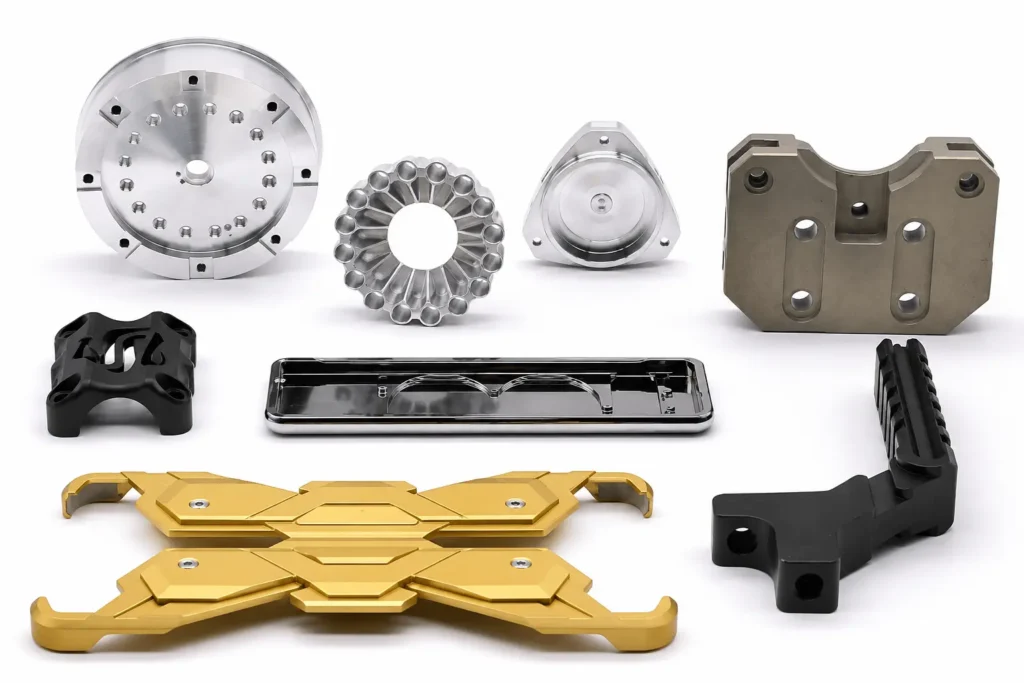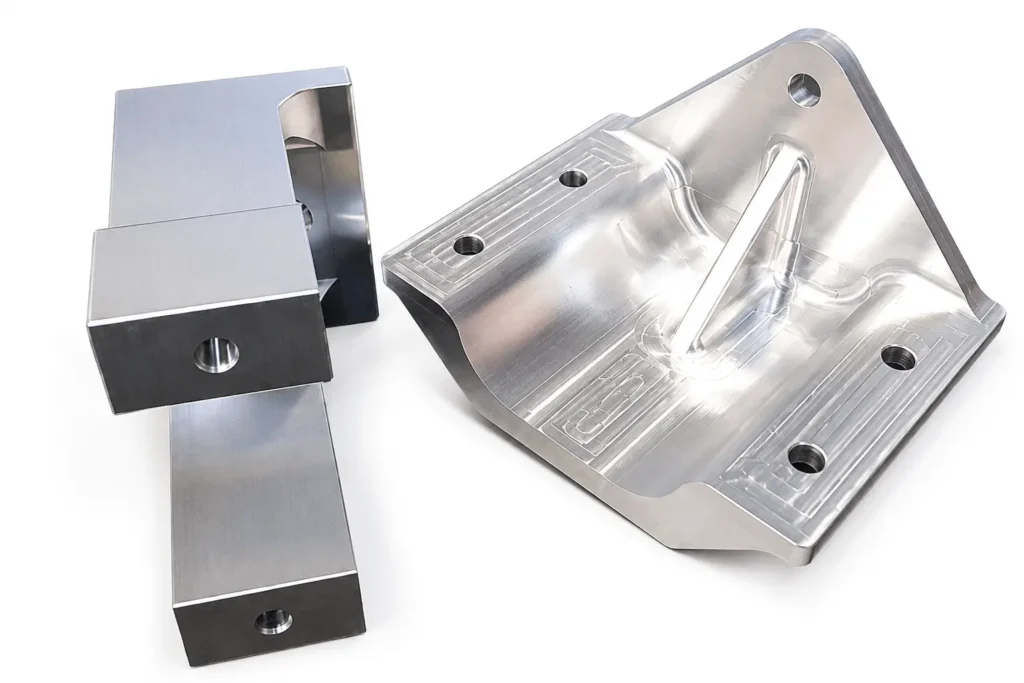
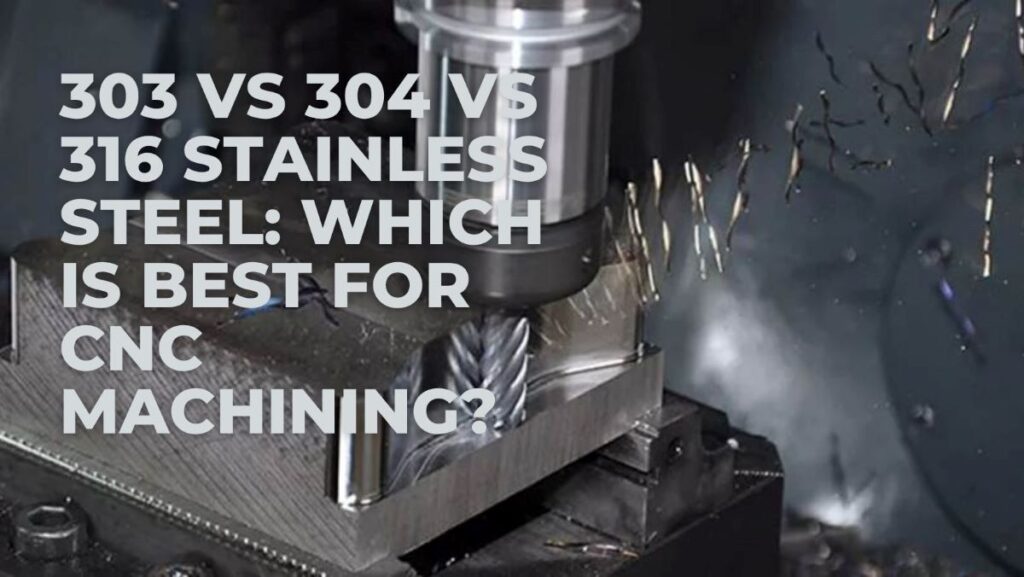
Stainless steel selection is the backbone of precision CNC machining. While these three alloys look identical, their chemical makeup changes how tools cut the metal. Choosing the wrong grade leads to broken drills, poor surface finishes, or parts that rust in the rain.
Type 303 is the easiest to cut. It contains added sulphur. This sulphur acts like a built-in lubricant. It makes chips break into small pieces instead of long, sharp ribbons. This protects your machine tools. However, 303 cannot be welded easily and resists rust less than others.
Type 304 is the most common choice. It is strong and resists corrosion well. It does not have the sulphur found in 303. This makes it “gummy” during machining. It creates heat quickly, which can wear down carbide inserts.
Type 316 is the premium option. It contains molybdenum. This extra element stops salt and chemicals from pitting the metal. It is the hardest to machine because it work-hardens instantly. If your tool stays in one spot too long, the metal becomes too hard to cut.
This guide compares:
303, 304, and 316 to help you pick the right material for your next milling or turning project.
What Makes Stainless Steel Important in CNC Machining?
Stainless steel is a favorite choice because it is tough and stays strong. In a machine shop, stainless steel CNC parts are famous for being rugged. They don’t wear out or break down easily. This makes them the perfect choice for parts that people use every day or machines that never stop running.
Common Benefits of Stainless Steel
Most people choose this metal because it does not rust easily. For many shops, it is best for machining when the final product needs to be high-quality and built to last. You can use it for everything from tiny medical screws to huge boat shafts. It gives a clean finish that other metals cannot match.
Key Factors Buyers Compare Before Choosing
Before you buy, you must look at:
- Machinability: How fast can the machine make the part?
- Corrosion Resistance: Will it rust in rain or salt?
- Cost: Is the material price within your budget?
When looking at 303 vs 304 vs 316 stainless steel CNC machining, use this chart to help your team choose.
| Grade | Machinability | Corrosion Resistance | Cost |
|---|---|---|---|
| 303 | Excellent (Fastest) | Low | Medium |
| 304 | Fair (Average) | Good | Lowest |
| 316 | Poor (Slowest) | Excellent | Highest |
How Does 303 Stainless Steel Perform in CNC Machining?
When speed is your goal, 303 stainless steel machining is usually the winner. It is known as a “free-machining” grade for using sulfur. Adding a little bit of sulfur helps the metal break into small chips.
Why are 303 stainless steel machines easier?
Because those small chips fly off the tool quickly, which keeps the heat down and speeds up, you can run your machines much faster with 303 to get more parts per hour. It also saves you money because your cutting tools last longer.
Limitations of 303 Stainless Steel
The sulfur that makes it easy to cut also makes it less resistant to rust. You should not use 303 if the part will be in water or harsh chemicals. It can also not be welded easily.
Best Applications for 303 CNC Parts
Use 303 for high-volume jobs like:
- Gears and bolts
- Small shafts
- Electrical connectors
- Bushings
Why Is 304 Stainless Steel Common in CNC Manufacturing?
If you look around your kitchen or a factory, you are likely to see 304 stainless steel machining in action. It is the most popular grade in the world as a go-to stainless steel for food processing. It has a good mix of chromium and nickel, which gives it great rust protection for most indoor and mild outdoor uses.
It tends to “work harden,” which means the metal gets tougher as the tool hits it. Since it is easy to clean, it is perfect for health-focused jobs. It does not react with food or most household cleaners.
Is 303 or 304 Better for Machining?
303 is roughly 20% to 30% faster to cut than 304. If you order 1,000 pieces, picking 303 could shave several days off the production schedule. Both can look great, but 303 usually comes off the machine smoother.
This is because the metal “chips” break away cleanly instead of scratching the part. 303 usually ends up with a lower price per part for big orders. Even if the raw metal costs a bit more, the saved labor time makes it a bargain.
Industries That Prefer 304 Stainless Steel
- Kitchenware and appliances
- Piping for liquids
- Architectural trim
- Storage tanks
How Does 316 Stainless Steel Handle Harsh Environments?
The big secret is Molybdenum. Adding this special metal makes 316 much better at stopping damage from salt and harsh cleaners. While 304 might get ugly brown rust spots if it’s near the ocean, 316 stays bright and clean. It is the top choice for any work done along the coast.
This is the toughest grade of the three to cut. It is “gummy” and very strong, so it needs top-tier tools and plenty of cooling spray. This means your parts will take longer to make and cost more in the end.
Common Uses of 316 Stainless Steel
- Boat parts and metal hardware
- For the chemical mixing
- Hospital tools and lab gear
- stainless steel for medical devices
Is 304 or 316 Better for Machining?
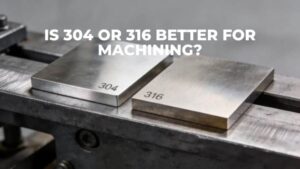
Shops usually slow down their machines by 10% to 15% when working with 316 to keep tools from snapping. If the part stays dry and inside a building, 304 is great. If it sits in a chemical tank or the sea, 316 is the only smart move.
How Does 303 vs 316 Stainless Steel Machining Performance Compare?
These two are at total opposite ends of the scale. If you ask, “Is 303 better than 316 for machinability?“, the answer is a definite yes. For a giant box of bolts for an office desk, go with 303. For ten bolts holding together an oil rig, go with 316.
303 is made for speed; 316 is made to survive. You can finish 303 parts in a tiny fraction of the time it takes to cut the same thing out of 316. You lose almost all chemical safety when you pick 303. 316 is the best for protection, but the hardest to actually work with.
The machinability of 303, 304, and 316 varies because of differences in sulfur content, work-hardening behavior, corrosion resistance, and thermal properties. Selecting the right grade for stainless steel CNC machining helps control tool wear, cutting time, surface quality, and total production cost.
When Should You Use 304 Instead of 316 Stainless Steel?
Many customers ask when to use 304 instead of 316 stainless steel. Most of the time, it follows the “five-mile rule.” 316 is usually 20% to 50% more expensive than 304. If you don’t need the maximum protection, 304 saves you a lot of cash.
For most industrial stainless steel applications, 304 is plenty. It handles water, rain, and standard soaps without any trouble. Use 316 stainless steel vs 304 for a coastal environment. If your project is within five miles of the ocean, 316 is worth every cent. This is because the salt in the wind will eventually destroy 304.
How to Pick the Best Stainless Steel for Your CNC Parts
Choosing the right metal for your project is a big deal. To get it right, talk to your CNC shop before you start. This simple step stops mistakes before they happen. Making stainless steel CNC parts is much smoother when you know what each grade of metal can actually do for you.
Step 1: Balancing Budget and Performance
Don’t throw money away on features you won’t use. If 304 fits your needs perfectly, there is no reason to pay the higher price for 316. However, if your part is going to be in a place where it might rust quickly, spending a bit more on 316 now is actually cheaper. It lasts a long time, and you won’t have to keep buying replacements.
Step 2: Working With CNC Machining Suppliers
A smart CNC shop is your best partner. They can tell you if the metal you want is too hard to cut or if it will drive up your bill. They might suggest small tweaks to your design to make 316 stainless steel machining faster. They can also help you see when you can save a lot of cash by switching to 303 stainless steel CNC machining.
Choosing by Project Goal
| Stainless Steel Grade | Best For | Weakness | CNC Machining Difficulty |
|---|---|---|---|
| 303 | Huge orders of small parts | Cannot be welded | Easy |
| 304 | Everyday general use | Not for salt water | Medium |
| 316 | Sea & Hospital use | Very expensive | Hard |
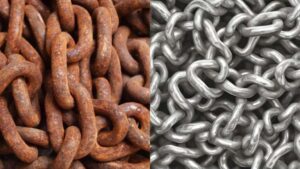
Which Stainless Steel Is Best for Corrosion-Resistant CNC Parts?
When choosing which metal is best for CNC machining, consider corrosion-resistant metals, and look at where the part will be fixed. For the best stainless steel for high corrosion resistance, 316 is the clear leader.
- Indoor vs Outdoor Use: For inside parts, 303 or 304 is fine. For outside parts in a city, 304 works well. For stainless steel for marine environments, you must have 316.
- Chemical and Saltwater Exposure: If your parts touch bleach, salt spray, or strong acids, 316 is the only way to make sure the metal doesn’t fail.
- Long-Term Durability Considerations: 316 parts can last for decades in tough spots. 303 might start showing pits or rust in just a few weeks if salt gets on it.
Conclusion
The best choice depends on where your stainless steel CNC parts will last and how hard they will have to work. Picking the right metal keeps your project on budget and ensures your parts last. When looking at 303 vs 304 vs 316 stainless steel CNC machining, every choice is a good one if used for the right task:
- 303 is the winner for fast cutting and tiny, tricky parts.
- 304 is the “do-it-all” metal for food tools and factory gear.
- 316 is the top pick for sea travel, medical tools, and chemical plants because it fights rust so well.
Get Expert Help with Your Stainless Steel Projects
Ready to get moving? Our team builds top-tier stainless steel CNC parts for every industry. We help you pick the right metal to cut your costs and boost your quality. Stop guessing and start building. Contact our team today for expert advice and a quick quote!

Need Help Choosing a Stainless Steel Grade?
The right grade depends on machinability, corrosion exposure, mechanical requirements, surface finish, and production cost. Send us your drawings, application requirements, tolerances, preferred grade, and order quantity for review. YD Rapid manufactures custom stainless steel parts based on your project specifications.
FAQs
Is 304 or 316 better for machining?
304 is softer and simpler to work with, so your tools won’t wear out as fast. 316 is much tougher, which makes it harder on machines and slower to finish.
316 stainless steel vs 304 for coastal environments: which is best?
316 is the clear choice for the coast. It has a special ingredient called molybdenum that blocks salt damage. If you use 304 near the sea, it will likely develop ugly brown stains and rust over time.
Which one is CNC machining of corrosion-resistant metals?
Both types fight rust, but 316 is the “pro” version. Shops use 304 for everyday items. They save 316 for boat parts, medical tools, or factory gear that touches strong chemicals and needs extra strength.
How to choose 316 stainless steel vs 304 for welding
Both work, but 304 is easier for new welders. 316 needs extra care so the joints do not rust later. This means that 304 is the simpler choice.