
Manufacturing metal parts requires careful planning from start to finish. When you build a part, raw metal often looks rough, scratched, or dull. This is why surface finishing matters so much in modern manufacturing and metal products.
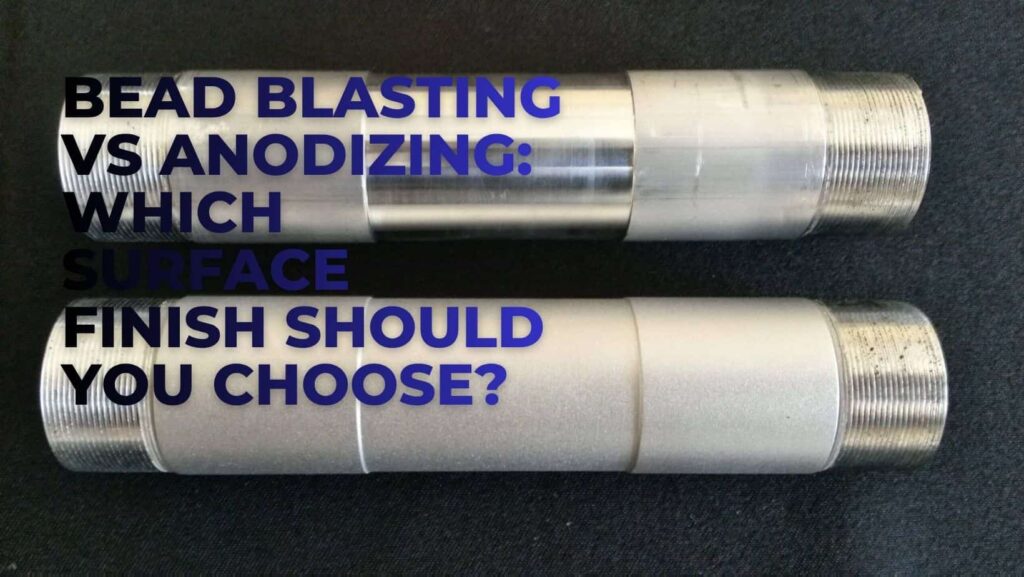
Choosing the right surface treatment can change how your part looks, how long it lasts, and how well it works. Two of the most popular choices in the manufacturing world are bead blasting vs anodizing. Both methods offer great benefits, but they achieve completely different results on your metal parts.
If you work with metals like aluminum, you might wonder about the best way to treat the surface. Anodizing aluminum is a common choice that chemically changes the metal surface. By understanding the mechanical action of tiny media beads alongside the electrochemical changes of liquid baths, you can make a smart choice for your parts.
Key Takeaways
- Surface finishing improves appearance and durability.
- Bead blasting creates a matte texture.
- Anodizing adds corrosion resistance.
- Different industries use different finishes.
- Cost and performance depend on project needs.
What Is Bead Blasting, And How Does It Work?
To understand this method, we must start with a basic question: what is bead blasting? This is a mechanical surface treatment process. It works by shooting millions of tiny, round particles at a metal surface at high speeds.
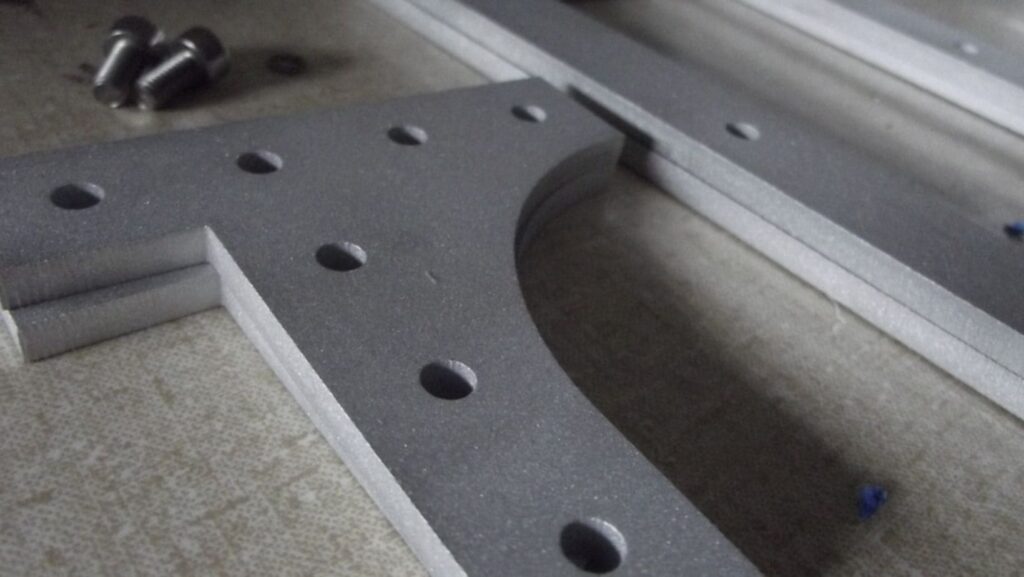
When we look at a bead blasting machine, it uses a nozzle to target the metal part directly. As the tiny spheres smash into the metal, they act like millions of micro-hammers. They flatten out the tiny high spots, clean away dirt, and smooth over tool marks left behind by CNC milling machines or lathes.
Types Of Blasting Media
When Engineers Ask Which Is Better, Glass Bead Or Aluminum Oxide, The Answer Depends Entirely On What You Want To Achieve.
- Glass beads are perfectly round, smooth spheres made from soda-lime glass.
- Glass beads are excellent for cleaning, polishing, and creating a soft matte look without removing any of the underlying metal.
- Aluminum oxide is an angular, sharp abrasive medium. It does not peel the metal; it cuts it. Aluminum oxide acts like high-speed liquid sandpaper.
Surface Texture And Appearance
The final look created by glass beads is famous for its clean, non-reflective qualities. A simple question is: what is bead blast finish? It has a bright, dull sheen that looks highly professional. It diffuses light smoothly, which means it eliminates all bright glare and hot spots. This makes it a top choice for items that people have to look at under bright lights, like surgical tools or car dashboards.
How Does Anodizing Aluminum Improve Surface Quality?
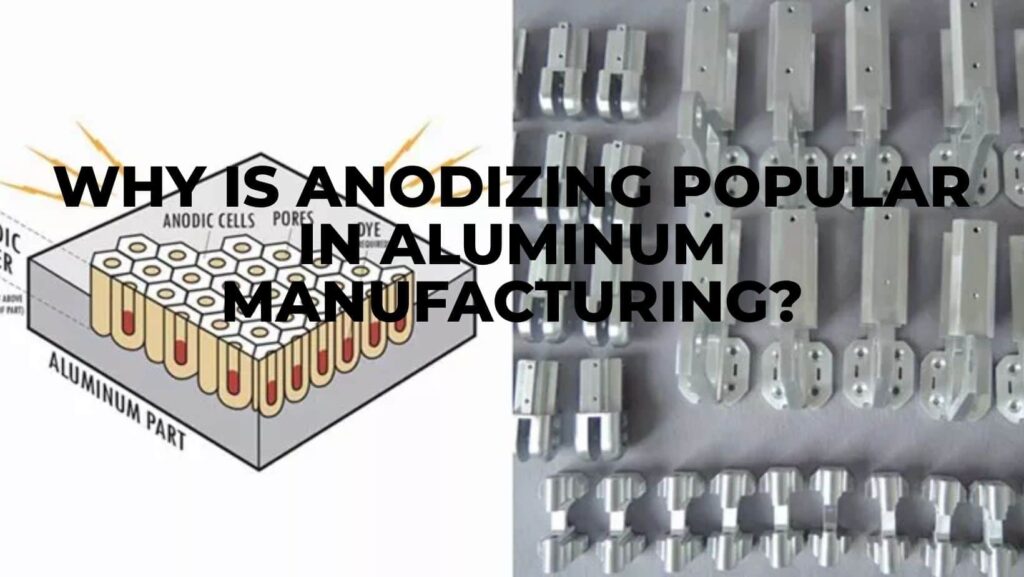
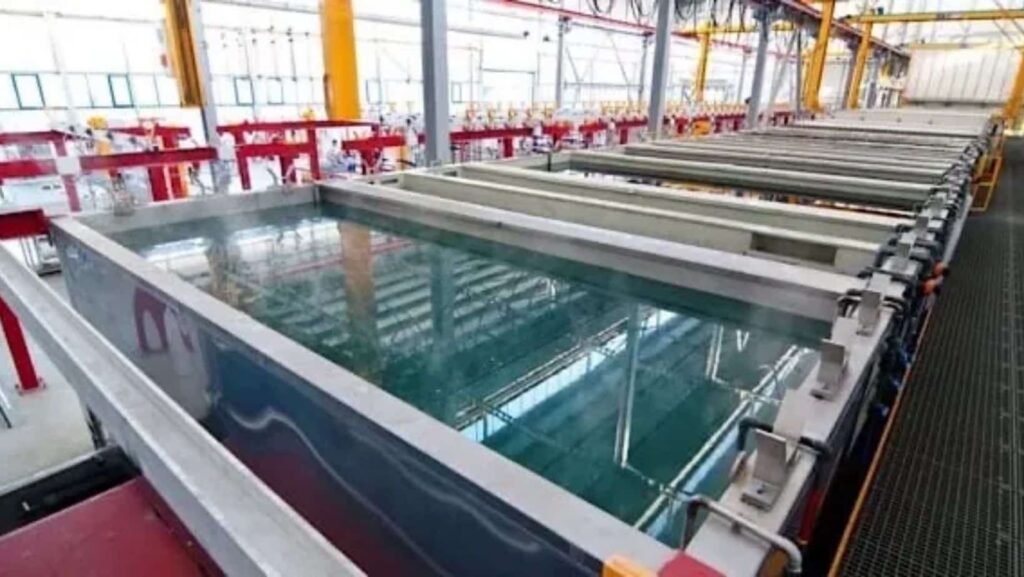
Anodizing is completely different from blasting because it does not use physical particles to hit the metal. Instead, it is an electrochemical process. If you want to know what is the anodizing process, then this picture a series of large chemical tanks filled with an acid solution. The metal part, usually made of aluminum, is hung from a conductive rack and lowered into the tank. The factory then passes a strong electric current through the liquid. The aluminum part acts as the anode (the positive electrode) in this electrical circuit.
This answers the common question: can you anodize aluminum? Yes, aluminum is the absolute best metal for this process because its natural oxide layer can be grown into a thick, rock-hard sapphire-like shield through the best anodizing techniques.
Protective Oxide Layer
This forced oxide layer provides incredible protection. In its natural state, aluminum reacts with air to form a thin, weak oxide film that stops deep rust. But that natural film is incredibly thin and scratches off easily. The engineering process of anodizing aluminum makes this layer thousands of times thicker and tougher.
So, does anodizing improve surface finish? Yes, it does make it a lot better; it creates a surface that is almost as hard as a diamond. This layer offers superior corrosion protection; it will not allow salt water, sweat, chemicals or air to corrode the metal surface below.
What Is The Difference Between Anodized And Bead Blasting Surfaces?
If we compare the ruggedness of bead blasting vs anodizing, anodizing wins by a wide margin for long-term protection.
Appearance Comparison
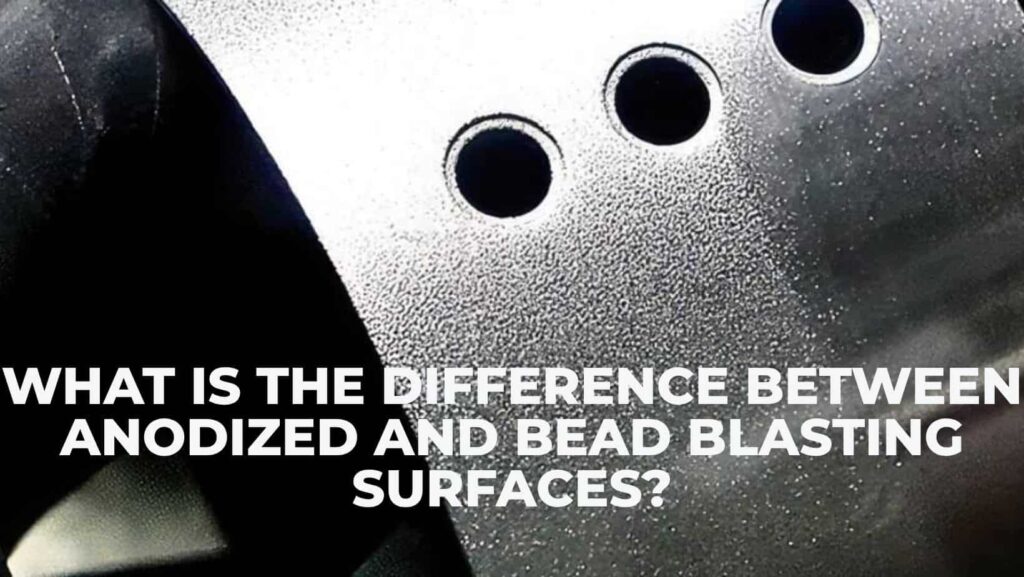
A bead-blasted surface is strictly a physical texture change. It provides a soft, dull, light-gray matte finish to the metal. It is not a color itself, but reflects the natural color of the underlying metal, which is commonly a soft, grey color for aluminium or steel.
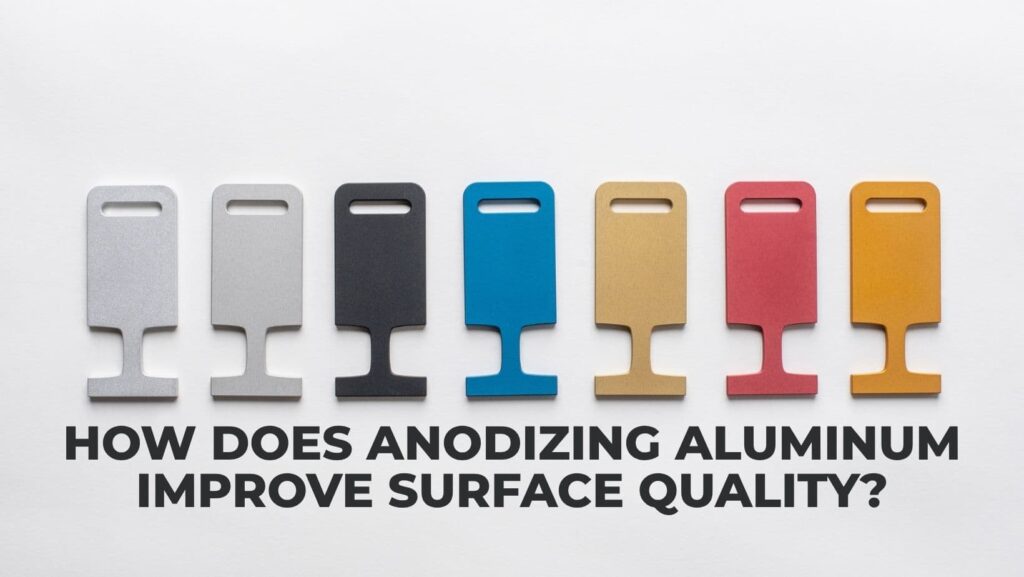
In contrast, anodizing presents an infinite range of colors and styles. As the oxide film is formed in the chemical tank, millions of tiny holes are created. Even though the oxide layer is translucent, the finish remains fully metallic and is much richer and deeper than you can achieve through blasting.
Durability Comparison
Bead blasting does not provide any chemical protection; it just alters the surface texture. Anodizing changes the surface into a super-hard ceramic armor. It protects the underlying metal from severe chemical reactions and corrosion. It has high scratch resistance and can resist high temperatures without degradation.
Maintenance Needs
Maintenance is another important factor when deciding bead blasting vs anodizing: Which surface finish should you choose? Anodized surfaces are super easy to clean. The smooth surface and natural seal allow dirt, grease, and fingerprints to slide off the surface with the touch of a damp cloth and mild soap.
The main reason that shops are looking for bead blasting near me is the rapid cleaning time. Bead blasted surfaces need a little extra attention. Oils, grease, and fine dirt can be trapped over time in the tiny micro-dimples, which give the beautiful matte finish. When it catches the grease in the texture, it may cause a blotted or darkened appearance in some areas.
| Feature | Bead Blasting | Anodizing |
|---|---|---|
| Surface look | Soft matte, non-reflective satin sheen | Metallic shine, deep gloss, or dyed finish |
| Corrosion resistance | Low (does not add a chemical barrier) | Excellent (creates an ultra-dense oxide shield) |
| Cost | Low to medium (fast mechanical process) | Medium to high (requires chemicals and electricity) |
| Texture | Distinct finely dimpled texture | Smooth, slick, and completely sealed |
| Color options | None (shows the natural color of the metal) | Endless options (black, red, blue, gold, etc.) |
| Durability | Moderate (can scratch under heavy force) | Exceptional (highly scratch and wear resistant) |
Why Is Anodizing Popular In Aluminum Manufacturing?
If you are trying to decide on a process for your next project, you need to understand the main differences between bead blasting vs anodizing.
-
Long-Term Corrosion Protection
For aluminum parts that are subjected to extreme environments, the best protection is anodizing. When you look up anodizing near me, you’ll discover an assortment of specialized facilities that have large chemical lines designed to work with this advanced process. This treatment is heavily used in marine hardware, boat brackets, and architectural works on the coast.
-
Color And Design Flexibility
Another benefit for manufacturers of using anodizing aluminum is its design versatility. It is a great way to have vibrant colors in the product while still giving a high-end, premium metal feel. Paint coatings cover the metal as a thick plastic, whereas anodizing is extremely thin and clear. It showcases the aluminum’s natural grain and beauty.
-
Electrical And Thermal Properties
Aside from aesthetics and protection, anodizing offers incredible technical advantages. The grown aluminum oxide layer is a natural electrical insulator. If your product features sensitive electronics inside an aluminum housing, an anodized surface prevents electrical shorts from damaging the circuit boards.
How Do Cost And Maintenance Compare Between Bead Blasting And Anodizing?
A bead-blasted part may save you money on day one, but it can cost more in long-term maintenance if used in rough environments. Because it lacks a chemical barrier, bare bead-blasted aluminum can oxidize over time, requiring deep polishing or re-blasting to look clean again. If you choose to paint it to prevent rust, you run into the question of anodized vs powder-coated aluminum cost. While powder coating is highly durable, it can chip over time, whereas anodizing provides a permanent finish that outlasts painted surfaces.
Preferred Finishes by Industry
If you only require a small amount of production (such as industrial types of tools/materials) and want a clean, modern, durable finish without any shine or glare, then using bead blasting is an excellent option.
| Industry | Best Finish | Main Reason |
|---|---|---|
| Aerospace | Anodizing | Stops rust and wear |
| Automotive | Bead Blasting | Cleans engine parts fast |
| Medical tools | Bead Blasting | Stops bright glare |
| Electronics | Anodizing | Adds scratch-proof color |
| Consumer goods | Anodizing | Makes beautiful metallic colors |
Which Surface Finish Should You Choose For Your Project?
Anodizing gives aluminium items a finished appearance that makes them look very expensive compared to alternative production techniques (paint/finish, powder coat, raw blast).
Best Choice For Appearance
In case you desire your item to have a very attractive color, beautiful shine and a sleek look, then you definitely need to consider best anodizing techniques. With the use of anodizing, it is possible to get a beautiful jewelry-like finish for your aluminum products and give them a luxury look that cannot be attained through painting or powder coating.
Best Choice For Durability
If your part is going to be installed outside, put on gravel, subjected to harsh cleaning solvents, or utilized at sea, an unprotected bead blast finish won’t survive it. For the mechanical finishes, a question to consider is bead blast better than stonewash? Stonewashing refers to the process of incorporating rocks into the finish, which creates a rough, scratched surface and thus provides a great deal of camouflage for future wear.
Combining Both Methods
Sometimes, it is not necessary to choose just one procedure. For example, the following question can be raised here: Will bead blasting remove anodizing? Yes, indeed, since the glass beads or aluminum oxide are extremely abrasive, they will effectively remove the oxide coating of the part under treatment.
But if you do bead blasting first and then anodizing, the effect will be amazing. By far, best bead blasting techniques involve the removal of all CNC machine marks to provide a completely smooth surface, which will not need further roughening or sanding. This method is widely used when manufacturing high-quality computer enclosures, flashlights, and cell phones.
Conclusion
In the domain of metal manufacturing, determining whether to use bead blasting vs anodizing is all about striking a balance between aesthetics and practicality. For product designers, mechanical engineers, and manufacturers, the decision will rely on your budget, desired appearance, and operating conditions. By selecting the right metal finishing process for your desired output, you ensure the production of metal products that not only work but also look great.
Frequently Asked Questions
Is bead blasting better than sandblasting?
Indeed, bead blasting would work better for smooth surfaces. Sand blasting entails the application of hard sand particles to metal. Bead blasting entails using small glass beads to smooth a metallic surface. It cleans without making any scratch marks on metal components.
What metals cannot be anodized?
Neither iron nor steel can be anodized as they usually rust inside the chemical solution. Copper and brass should not be used since they either dissolve or ruin the solution. This method works best for aluminum and titanium, among other rare metals.
How much does bead blasting cost?
It is extremely cheap for basic work. Local stores would quote around $5-$15 for ordering small components. In case of big projects or bulk orders of components, the stores operate on an hourly basis and cost about $50 per hour.
Is bead blasting hard?
Not really, it is very simple to use the machine. All you need to do is to hold the blast gun and then pour in the little beads inside the metal in the secure box. However, what makes it difficult is setting the air pressure for the soft metal.