
People in the CNC machining industry must know that plastic is one of the most useful materials in modern manufacturing. It is strong, light, easy to shape, and works well for many industries. Many companies use CNC machines to cut plastic into custom parts with high accuracy. This process is called plastic CNC machining. It helps make parts for cars, medical tools, electronics, signs, and industrial equipment.
Today, many engineers and buyers look for machinable plastics that are easy to cut and give clean results. The best plastic for CNC machining can create strong and detailed parts with excellent precision.
In this guide, you will learn:
- How to select the best plastic for CNC machining for your specific goals.
- Why a plastic CNC machine operates differently than one designed for steel.
- Which machinable polymer materials provide the most durability.
- How to achieve a sleek surface on plastics every single time.
- The ideal feeds and speeds for plastic CNC machining to prevent melting.
Why Must You Choose The Right Plastic For Your CNC Machining Project?
With a new task, you do not want it to fail. Choosing the right plastic is perhaps an important first step in CNC machining. If you choose to use the wrong object it could break. It may also be a huge waste of your entire budget. Engineers look for machinable polymer materials that are still stable under high pressure. Choosing the best plastics for machining gives your components a good chance of lasting for many years to come.
Part Lifespan and Performance Effects
Your components are literally supposed to be those exact dimensions. While some plastics become larger when they get hot. Some may turn brittle and shatter in the cold. Once we use the right CNC machined plastic parts, it lasts. As a result, it means you won’t have to replace them often. It helps your equipment run like a well-oiled machine with no surprises.
Cost Efficiency in High-Volume Production
Purchasing plastic in bulk can lower your total expenses. Some types of plastic are very simple to slice. This allows the equipment to operate at a higher pace. When the machine moves quickly, you spend less on labor and power. This is why choosing the best plastics for machining supports your financial goals. It allows you to produce more units for a lower price.
How Does A Plastic CNC Machine Handle Different Polymers?
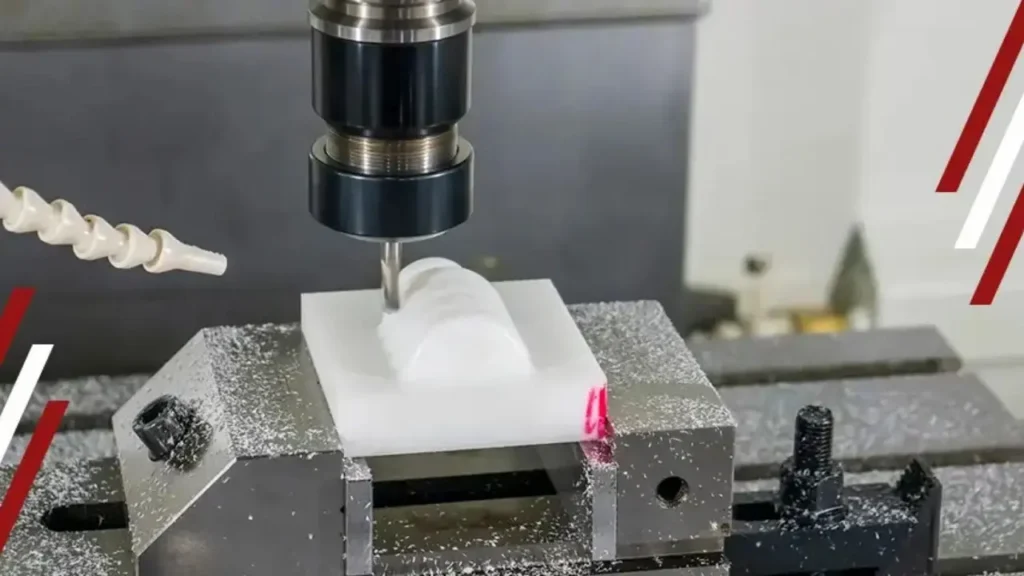
A plastic CNC machine is a highly precise instrument. It employs a rotating cutter to shave away the material. A common question is, can a CNC machine cut plastic? The answer is definitely yes! However, the process is not identical to slicing through metal. A CNC plastic machine must be handled with care. If the friction creates too much heat, the material will simply melt.
Spindle Speeds and Heat Management
High temperatures are a major problem for plastic. When a plastic CNC machine spins too rapidly, the plastic becomes mushy. This destroys the shape of the part. Professional shops utilize air blowers or liquid coolants to keep the area chilled. This practice helps them create CNC machined plastic parts that feature a flawless and professional appearance.
Tooling Requirements for Soft vs. Hard Plastics
Different materials require different cutters. A frequent inquiry is: Can you CNC polypropylene? Yes, you can, but you must use extremely sharp blades. Harder plastics require specialized tools that do not dull quickly. Using the appropriate bit is essential for successful plastic CNC machining. It ensures every edge is crisp, clean, and free of jagged burrs.
Which Is The Best Plastic For CNC Machining For High-Wear Parts?
If your parts rub against other things, they need to be tough. You might ask, which plastic material machines best? For heavy work, some plastics stand out. In big jobs like railroads, seals and CNC plastic machining, the material must not wear out.
-
Acetal (POM) for Dimensional Stability
Acetal is a top choice. Many pros say it is the best plastic for CNC machining. It does not soak up water. It stays the same size even if it is wet or dry. This is why it is great for gears. It is a very reliable machinable polymer material.
-
Nylon for High-Friction Environments
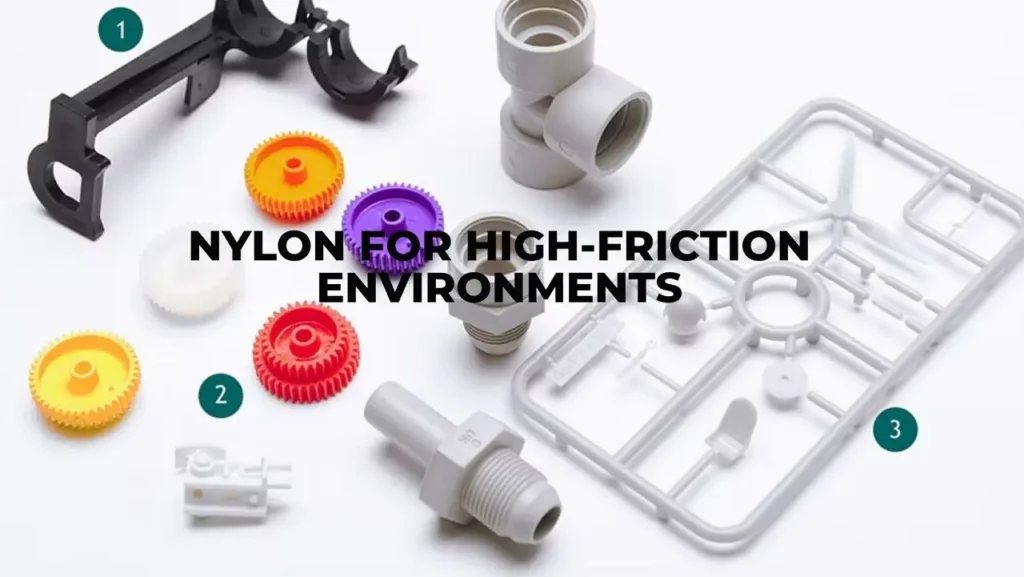
Nylon is very slippery. This is good for parts that move a lot. It is used in railroads seals CNC plastic machining because it can take a lot of hits. It is a strong CNC machined plastic part that lasts for years.
-
PEEK for Temperature Resistance
PEEK is like a super plastic. It can stay strong in very hot places. It is expensive, but it is one of the best plastics for machining for airplanes. It does not melt easily and stays very stiff.
-
Acrylic for Optical Clarity
It is the best choice when you need to see through a part. It looks just like glass but is much stronger. Many shops use it to make clear lenses and signs.
Table 1: Machinability and Performance of CNC Plastics
Use this table to see how different plastics act when the machine cuts them.
| Plastic Material | Machinability Rating | Key Benefit | Common Application |
| Acetal (Delrin) | Excellent | Stays the same size | Gears and Bushings |
| PEEK | Good | Can take high heat | Aerospace and Medical |
| Nylon 6/6 | Moderate | Very hard to wear out | railroads seals |
| Acrylic | Fair | Can see through it | Lenses and Signs |
How To Achieve Smooth-Finished Plastics During The Milling Process?
Everyone wants their parts to look shiny and clean. Getting smooth-finished plastics takes skill. The best plastic for CNC milling is often one that chips away cleanly. If the plastic is too gummy, it leaves a mess.
-
Achieving Optical Clarity in Acrylic
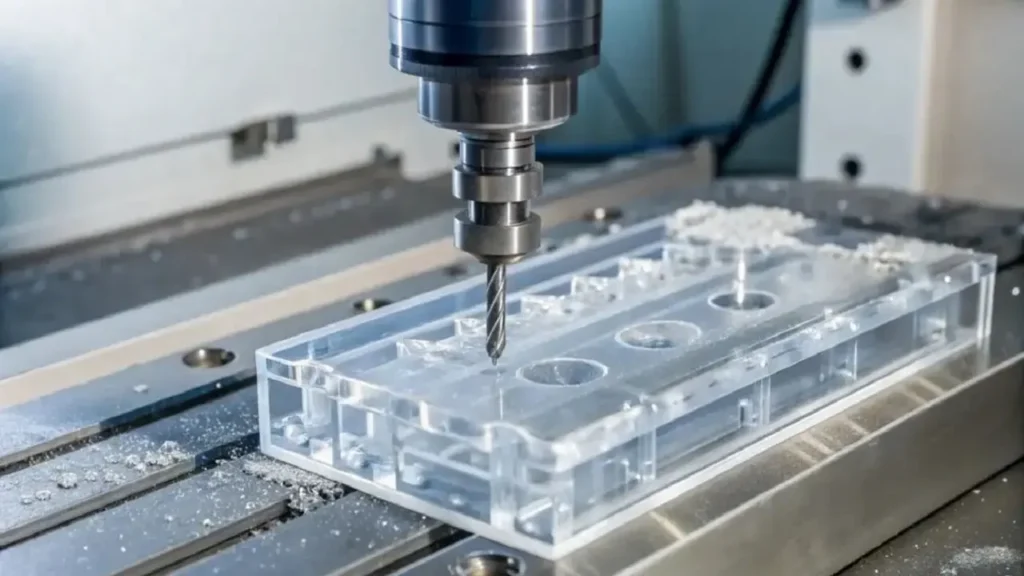
Is acrylic easy to CNC? Yes, it is! But you must be careful. If you go too fast, it will crack. If you go too slow, it will melt. When done right, you get CNC machining plastic parts you can see through like glass. It is the best plastic for CNC machining if you need to see through the part. You just need to keep it cool to get smooth-finished plastics.
-
Eliminating Burrs on Polycarbonate Parts
Burrs are little bits of plastic left on the edges. They make the part look bad. To stop this, shops use custom plastic machining tricks. They use tools that slice the plastic like a sharp knife. This leaves the CNC machined plastic parts feeling smooth to the touch.

Why are Specific Best Feeds and Speeds for Plastic CNC Machining Necessary?
If you want to know how to machine plastic successfully, you must look at the settings. The best feeds and speeds for plastic CNC machining are the rules that tell the machine how fast to spin and how fast to move.
Managing Thermal Expansion During Cutting
- Heat makes plastic grow: Plastic gets bigger when it gets warm.
- Size matters: If the part is hot when the machine cuts it, it will shrink later. This makes the part the wrong size.
- Move the heat: You must learn how to machine plastics with excellent chip evacuation.
- Clear the way: This means you have to blow the hot plastic bits away from the part very fast.
Optimizing Chip Load for Cleaner Cuts
- What is a chip? A chip is a tiny bit of plastic that the machine slices off.
- Carry heat away: If the chips are the right size, they take the heat with them when they fly off.
- The big secret: This is the best way to do plastic CNC machining.
- Stay sharp: It keeps the part cool so the edges stay clean and do not melt.
Recommended Feeds and Speeds
These settings help the CNC plastic machine run well. These are general tips for the best feeds and speeds for CNC machining.
| Material Group | Cutting Speed (SFM) | Feed Rate (IPT) | Cooling Requirement |
| Soft (Polypropylene) | 500 – 800 | 0.005 – 0.015 | Air Blast |
| Hard (PEEK/Acetal) | 400 – 600 | 0.002 – 0.010 | Water or Oil |
| Clear (Acrylic) | 600 – 1000 | 0.003 – 0.012 | Clean Air Mist |
How to Machine Plastic Successfully Without Cracking or Melting?
Learning how to machine plastic successfully is all about staying cool. Plastic can melt if the machine moves too fast. You must use the right tools and settings to keep the part from breaking. If you follow the best tips for machining plastics, your parts will look great and stay strong.
- Proper Tool Selection: Use tools that are very sharp. This lets the machine slice the plastic like a knife through butter.
- Workholding Methods: Grip the plastic tightly enough so it does not move, but do not crush it.
- Managing Heat Build-Up: Use a fan or cool water. This stops the plastic from getting too hot and turning into a gooey mess.
- Preventing Stress Cracks: Do not push the tool too hard. If you are gentle, the plastic will not crack or snap.
- Excellent Chip Evacuation: Do you know how to machine plastics with excellent chip evacuation? This means blowing the hot chips away so they do not melt onto your skin.
How To Source Custom Plastic Machining For Specialized Industries?
Finding an industry to make your parts is important. You might search for CNC plastic cutting near me. You want a partner who knows custom plastic machining. They should have the right CNC plastic machine for their big or small jobs.
- Some shops use cheap materials that break too easily.
- Good custom plastic machining industries will always show you the right papers.
- These papers prove the plastic is exactly what you asked for.
- Checking these papers is vital for CNC machining plastic parts in cars or planes.
- A prototype is just one single part used to test your new idea.
- Full production is when a plastic CNC machine makes thousands of parts at once.
- A great manufacturer helps you pick the best plastic for CNC machining for both small and large jobs.
- Starting with a test part helps you save a lot of money before you buy a big order.
Conclusion
In the end, the best plastic for CNC machining depends on what you need. Do you need it to be clear? Pick acrylic. Do you need it to be tough? Pick Nylon or PEEK. If you want the easiest one to work with, pick Acetal.
Remember to talk to your manufacturer about custom plastic machining. This ensures your CNC machined plastic parts come out perfect every time. Using a plastic CNC machine is a smart way to build your products fast and well.

Frequently Asked Questions
Which is the best plastic for CNC machining?
Acetal is a top pick. It stays the same size and does not grow when wet. It is easy for machines to cut. This makes it great for parts like gears and valves.
What are the 7 types of plastics?
The main types are PET, HDPE, PVC, and LDPE. There is also PP, PS, and a mix of others like PEEK. Most of these are good for making strong parts with a machine.
Can plastic be CNC machined?
Yes! Machines can cut plastic very well. This is a common way to make parts for cars and toys. It is fast and makes sure every piece looks exactly the same as the last.
What are the tips for machining plastics?
Always use very sharp tools to slice the plastic. Keep the part cool so it does not melt. Make sure the little plastic chips blow away fast so they do not get stuck.