
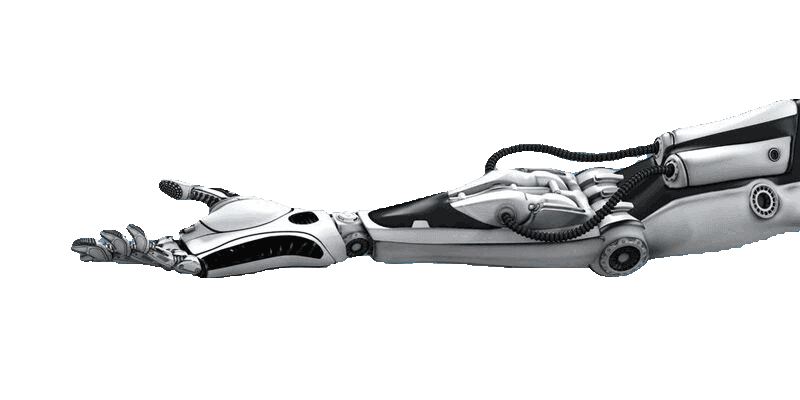
In the fast-moving world of robotics, rapid development is essential. Whether you’re building robotic arms for industrial automation, surgical robots for medical use, or agile mobile robots for logistics, Robotics Rapid Prototyping is the cornerstone of success. By accelerating design iterations and reducing the time-to-market, rapid prototyping and advanced part manufacturing enable innovation, customization, and cost efficiency.
What Is Robotics Rapid Prototyping?
Robotics Rapid Prototyping is the process of quickly fabricating physical robot components and functional assemblies using CAD data. It allows engineers and developers to test, validate, and improve robotic designs in real time without committing to expensive tooling or production setups.
Unlike traditional manufacturing, which may take weeks or months, rapid prototyping can deliver parts in days or even hours. Technologies commonly used in robotics prototyping include:
- CNC machining
- 3D printing (FDM, SLA, SLS, MJF)
- Sheet metal fabrication
- Vacuum casting and soft tooling
These methods ensure flexibility, speed, and design accuracy, key to robotic system performance.
Why Robotics Rapid Prototyping Matters?
1. Accelerated Development Cycles
Modern robotics involves tight feedback loops between mechanical design, electronics, and software. Robotics Rapid Prototyping allows multiple iterations of end effectors, sensor mounts, and structural parts to be produced within days, enabling engineers to refine their designs based on real-world testing quickly.
2. Improved Design Validation
Prototyping robotic assemblies in actual materials—such as aluminum, ABS, PEEK, or stainless steel—allows engineers to test strength, thermal properties, and kinematics under real operational loads. This significantly reduces design errors and prevents costly modifications during mass production.
3. Customization and Functional Testing
Every robotic application has unique physical and functional requirements. Rapid prototyping empowers designers to customize housings, brackets, and moving parts with precision. Functional prototypes are often tested for:
- Fit and tolerance
- Motion and articulation
- Sensor integration
- Load-bearing capacity
- Cable routing and enclosure sealing
Part Manufacturing for Robotics Prototypes
Alongside prototyping, part manufacturing plays a crucial role in robotics product development. Using low-volume CNC machining and bridge tooling, manufacturers can deliver high-quality parts that match the properties of mass-produced components.
Commonly Manufactured Parts in Robotics:
- End effectors and grippers
- Robotic arm joints and actuators
- Sensor brackets and mounts
- Motor housings
- Lightweight frames and enclosures
- Custom gears and couplings
Combining Robotics Rapid Prototyping with precision part manufacturing bridges the gap between prototype and production seamlessly.
Best Materials for Robotics Prototypes
Material selection is critical in robotics. Depending on the application, prototyping can involve:
- Aluminum 6061 / 7075 – lightweight, strong, and easy to machine
- Stainless Steel (304 / 316) – corrosion-resistant and durable
- ABS, Nylon, or PC – cost-effective plastics for functional prototypes
- PEEK or ULTEM – high-performance thermoplastics for high-heat or chemically resistant parts
- Carbon Fiber Reinforced Composites – for ultra-lightweight and strong structural components
Industries That Rely on Robotics and Rapid Prototyping
Robotics rapid prototyping is driving innovation across multiple industries:
IndustryApplications
Industrial Automation : Assembly robots, machine tending arms, AGVs
Medical Robotics : Surgical arms, wearable robots, diagnostic devices
Aerospace & Defense Autonomous drones, robotic arms for space missions
Logistics & Retail Warehouse robots, delivery bots, inventory scanners
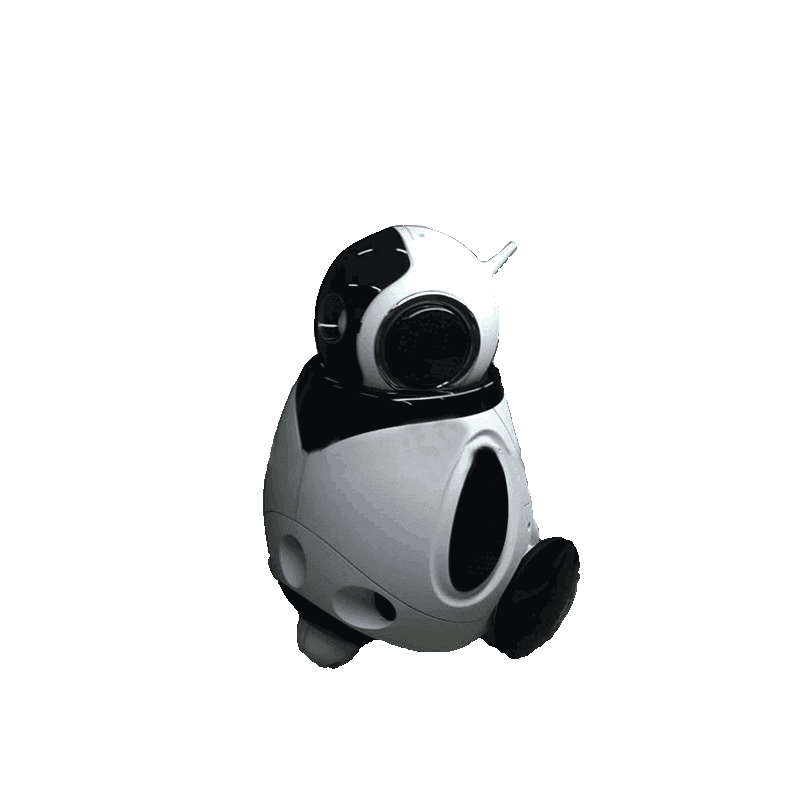
Consumer Electronics : Home service robots, cleaning robots, AI assistants
Advantages of Robotics Rapid Prototyping
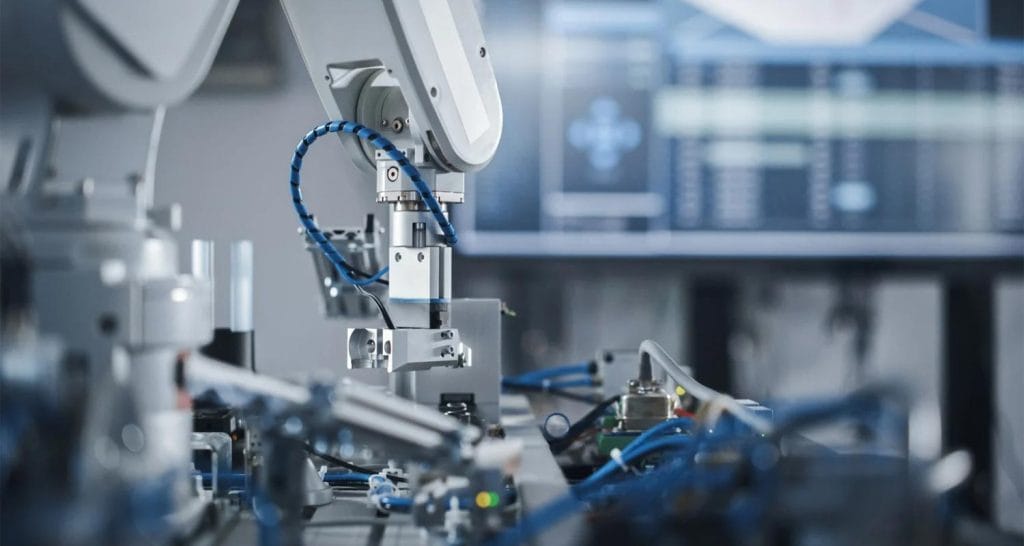
- Speed: Design iterations can be completed in days, not weeks
- Cost-Efficiency: No need for expensive molds or tooling for small batches
- Flexibility: Easily modify and test design concepts
- Material Variety: Wide range of metals and plastics available
- Precision: Tolerances up to ±0.02 mm in CNC-machined prototype parts
Partnering with a Robotics Prototyping Expert
Choosing the right prototyping partner is critical. A reliable manufacturer should provide:
- In-house CNC machining and 3D printing capabilities
- Fast lead times (24-72 hours for prototypes)
- Engineering support and DFM (design for manufacturability) review
- Post-processing options like anodizing, painting, or polishing
- Ability to scale from prototype to low-volume production
Conclusion
Robotics Rapid Prototyping has become a vital tool in the race for robotic innovation. From initial concept development to functional testing and part manufacturing, rapid prototyping empowers engineers to build better robots faster and more efficiently than ever before. By reducing time-to-market and improving product performance, rapid prototyping is shaping the future of automation across every sector.
If you’re developing robotic systems and need fast, precise, and reliable prototype parts, now is the time to leverage the power of Robotics Rapid Prototyping.